



Exploring the Impact of AI on Accounting Efficiency: Insights from BOXIL Survey
The Impact of AI on Accounting Efficiency
In a recent survey conducted by SmartCamp Inc., which operates the SaaS comparison site BOXIL, the effects of AI utilization in accounting tasks were analyzed. A total of 78 accounting professionals participated in this study, revealing significant insights into how AI tools are reshaping their work processes.
Key Findings from the Survey
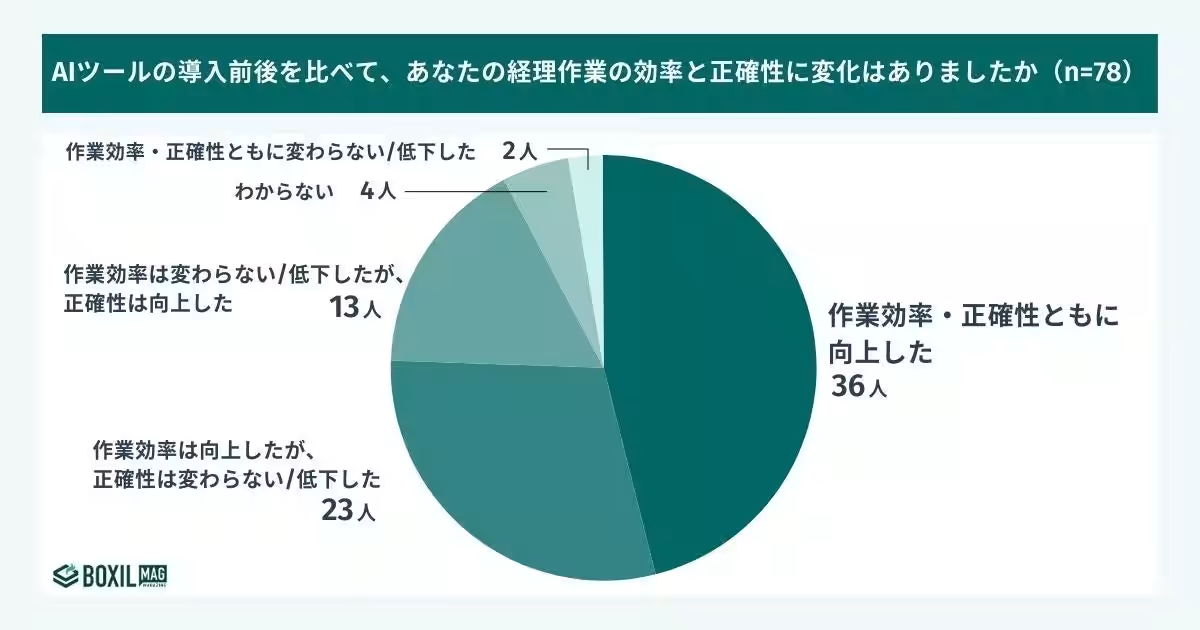
Among the respondents, 59 reported an increase in work efficiency due to AI tools. The survey specifically aimed to identify not only the areas where AI is being employed within accounting tasks but also the resultant improvements in both efficiency and accuracy.
Areas of AI Utilization
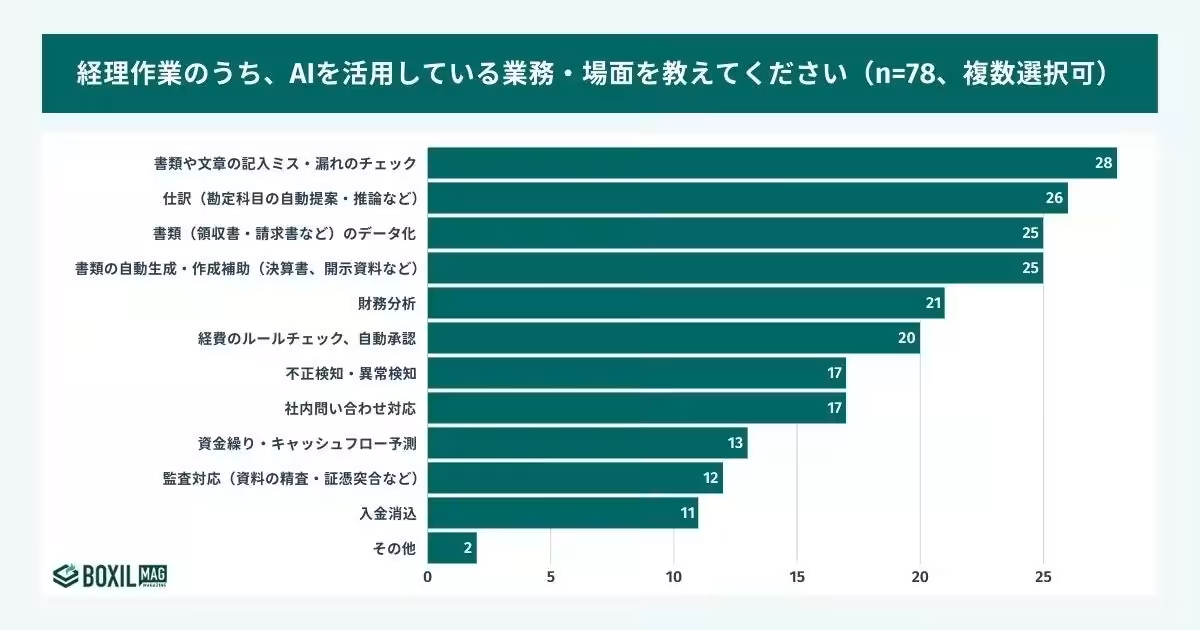
The survey uncovered the following highlights regarding the specific applications of AI in accounting:
1. Checking for Errors and Omissions in Documents: This was the most popular task, with 28 respondents indicating they utilize AI for this purpose.
2. Transaction Classification: Ranked second, 26 individuals reported using AI for automating classification processes.
3. Document Digitization: 25 accounted for the use of AI to convert physical documents into digital formats.
4. Generating and Assisting in Document Creation: Again, 25 respondents indicated leveraging AI in this area.
5. Financial Analysis: Another 21 participants reported utilizing AI for this crucial task.
These tasks are reflective of the general capabilities of generative AI, which has seen escalating integration in various business domains.
Efficiency vs. Accuracy
Despite the positive response in terms of efficiency, accuracy remains a concern. While 59 individuals reported improved efficiency, only 49 felt that there was a corresponding increase in accuracy. This indicates that while AI significantly enhances processing speed and facilitates automation of mundane tasks, there is still a critical role for human oversight in ensuring correctness.
The Role of Generative AI
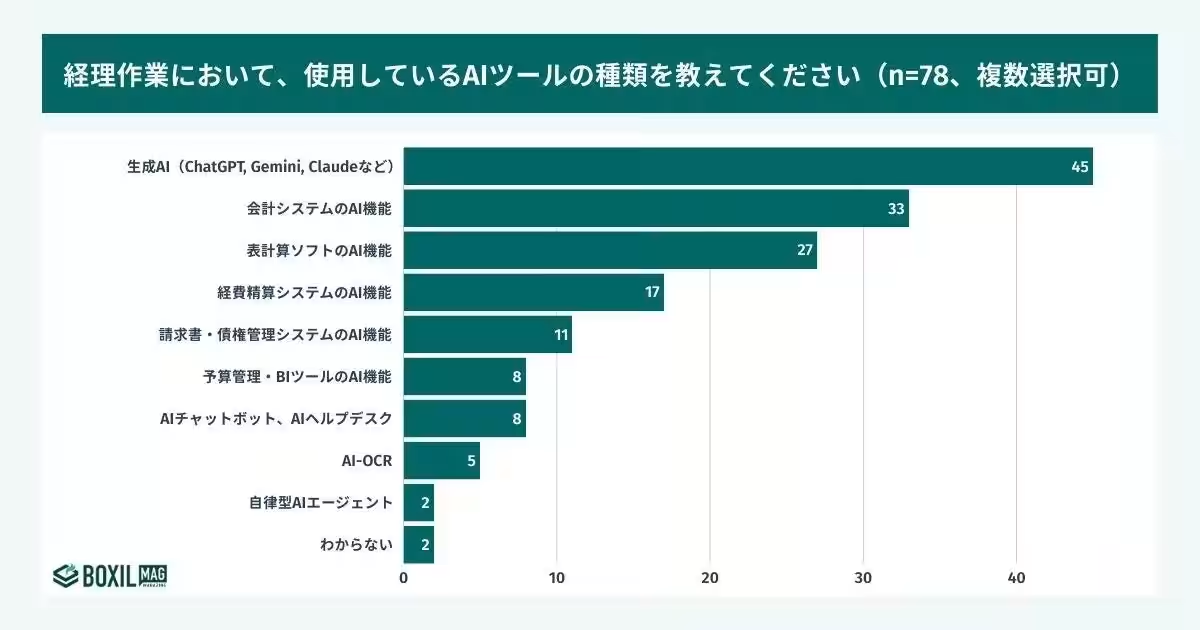
The survey revealed that generative AI is the most commonly used tool, utilized by 45 respondents. The ability of generative AI to handle tasks such as error-checking, document generation, and financial analysis positions it as a versatile tool in the accountants' arsenal, helping to streamline processes and reduce the cognitive load associated with these tasks.
Best Practices for AI Utilization
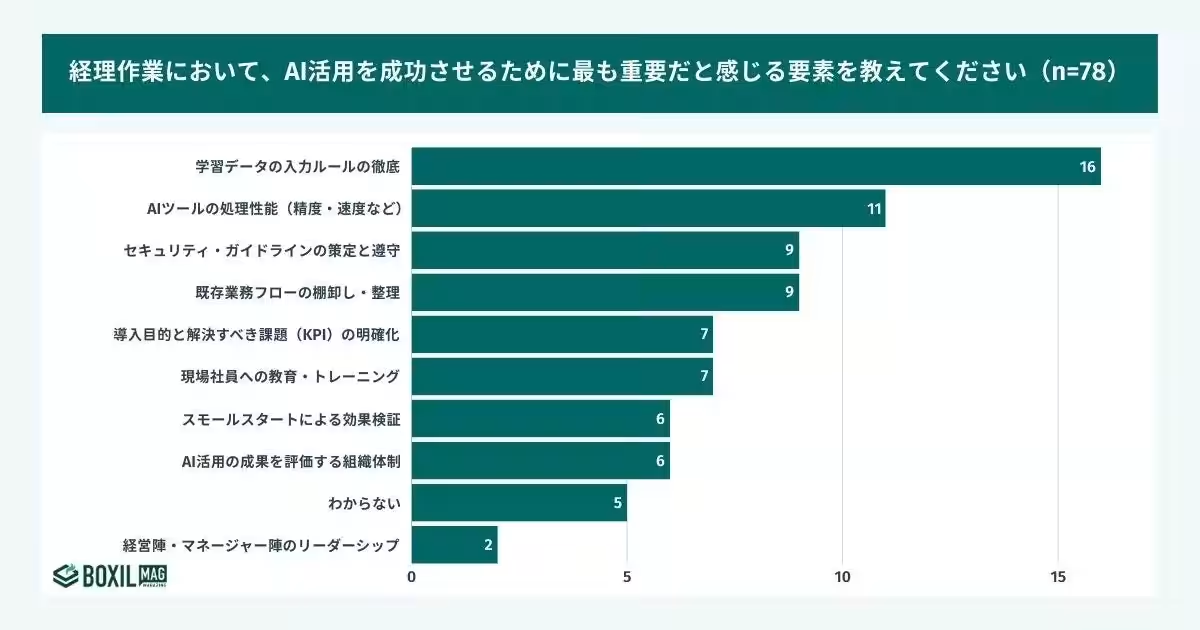
When asked about the factors contributing to successful AI implementation, the most cited element (16 responses) was the reinforcement of data entry rules. This highlights the necessity of a solid foundation of data governance to leverage AI’s potential effectively. Other significant factors included:
- - AI Tool Performance: 11 respondents emphasized the importance of speed and accuracy.
- - Security and Compliance Guidelines: 9 mentioned adherence to security frameworks.
- - Streamlining Existing Workflows: Another 9 believed in the importance of simplifying current processes.
For AI to perform tasks such as high-precision classification or cash flow forecasting effectively, having organized historical data is crucial. Addressing variations in notation and unifying account categories was identified as essential to maximize the potential of AI in accounting.
Conclusion
Overall, the survey by SmartCamp is a pivotal indicator of the transformative role AI plays in the accounting sector. The findings underscore the necessity to address accuracy challenges while simultaneously embracing efficiency enhancements. As organizations continue to integrate AI into their reporting and accounting processes, they must also focus on establishing rigorous data handling practices to harness the full power of AI technologies effectively. More detailed results of the survey can be accessed here to explore how AI is shaping the future of accounting.
In conclusion, the combination of improved efficiency and the ongoing focus on accuracy presents both challenges and opportunities for accounting professionals navigating the evolving landscape of AI technology.
Topics Business Technology)

【About Using Articles】
You can freely use the title and article content by linking to the page where the article is posted.
※ Images cannot be used.
【About Links】
Links are free to use.