



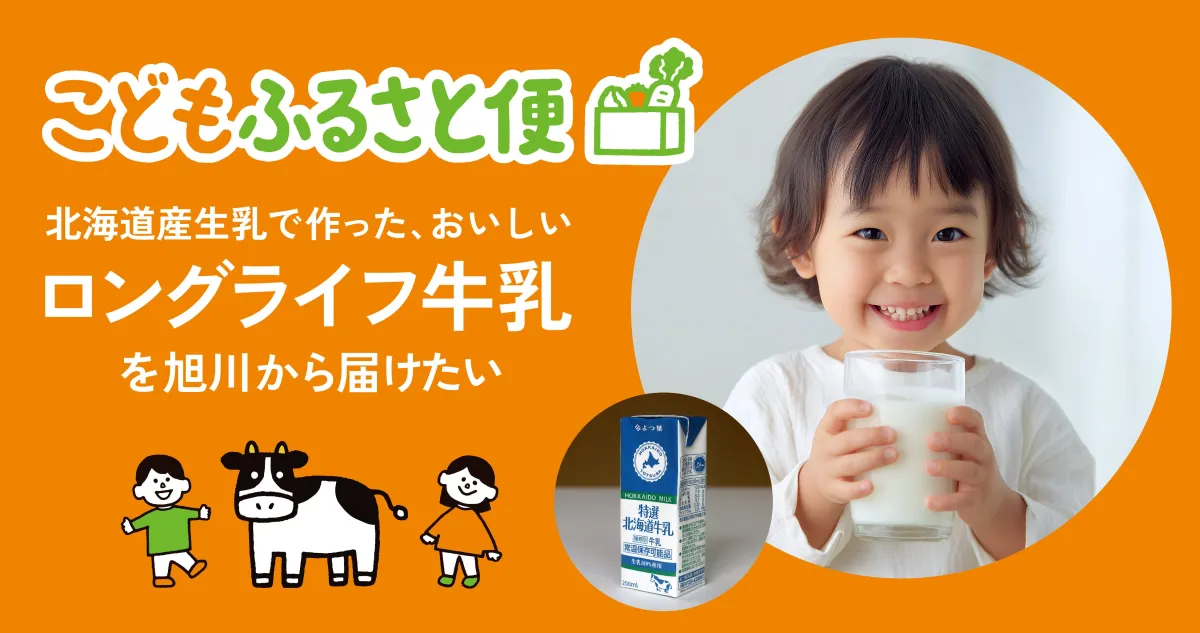
Nessuu Introduces Asahikawa's Long-Life Milk Project to Support Children via Furusato Tax Donation
Nessuu Brings Hope to Children with Long-Life Milk from Asahikawa
Nessuu, a Tokyo-based startup led by CEO Yuki Kido, is making significant strides in addressing children's support through its innovative "Kodomo Furusato Bin" (Children's Furusato Package) program. This initiative leverages the concept of furusato tax donations, allowing contributors to assist local specialties and experiences while delivering aid to children's cafeterias, single-parent households, and those facing serious illnesses. The program emphasizes the importance of equitable opportunities for all children, aiming to tackle societal issues surrounding disparity in children's chances for success.
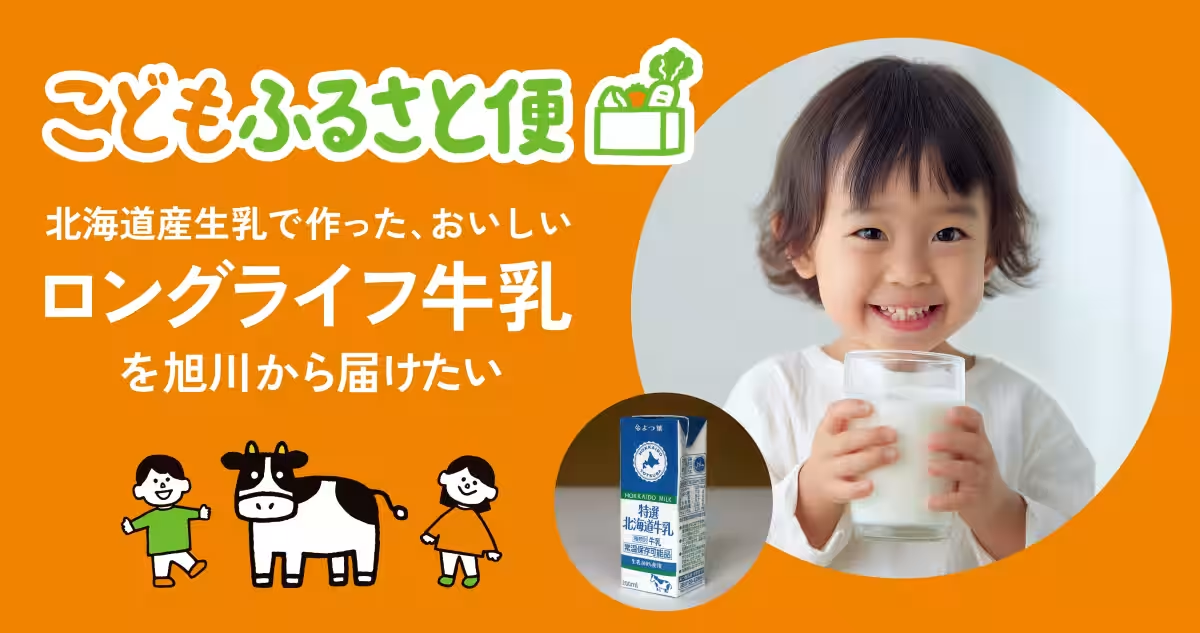
One of the program's notable updates is the recent addition of the Asahikawa Long-Life Milk project, officially launched on July 1, 2026, with the desire to deliver delicious long-life milk sourced from Hokkaido directly to children across Japan. This initiative not only aims to address nutritional concerns among children but also supports the sustainable development of the vital local agriculture and dairy industries.
Project Overview
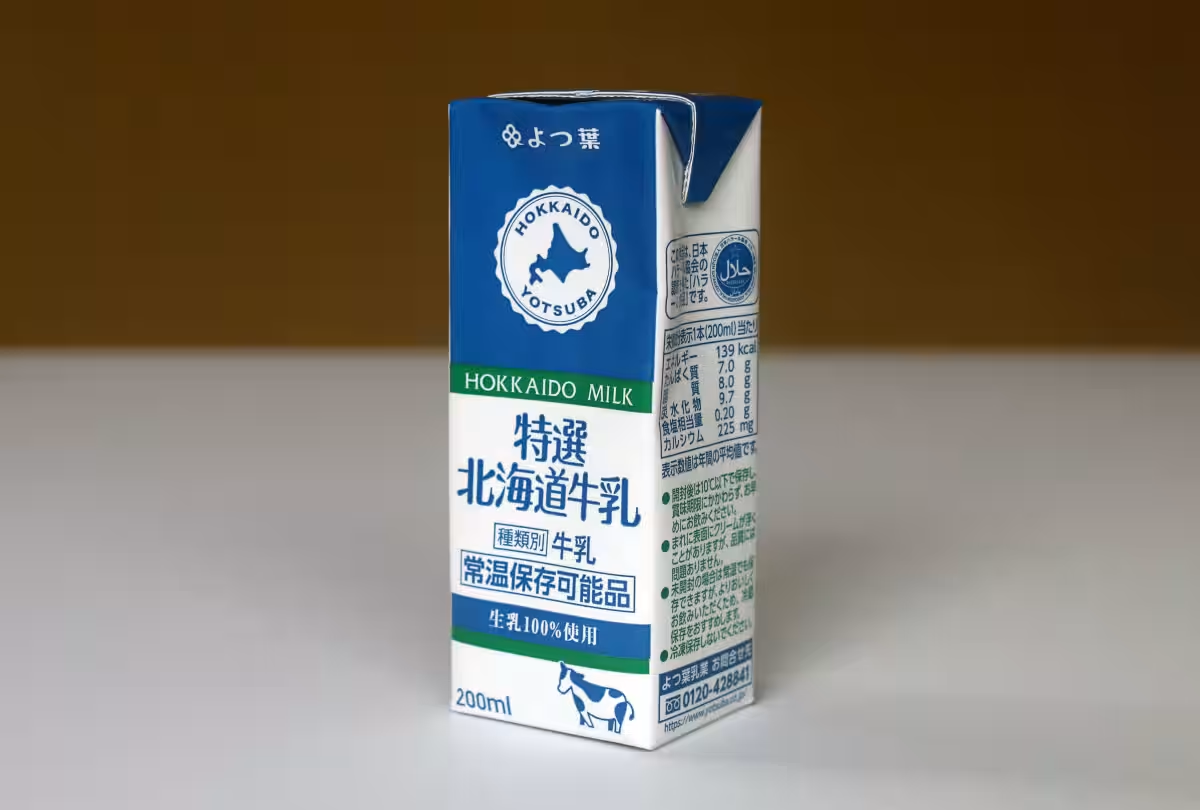
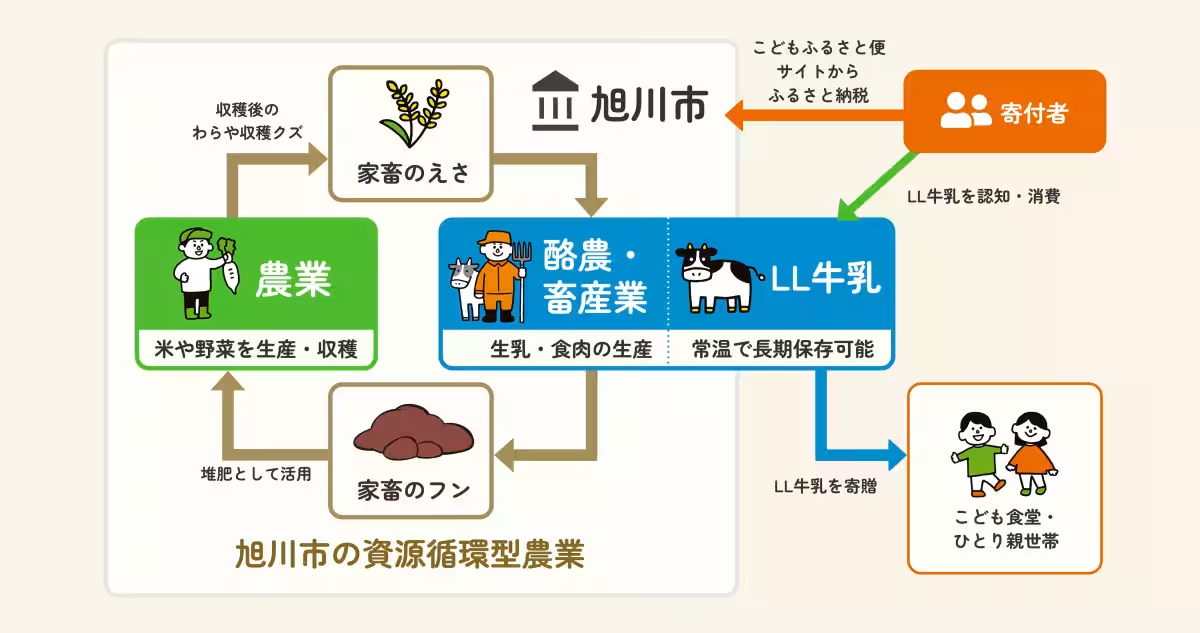
In the city of Asahikawa, donations from businesses and individuals contribute to the production of long-life milk at local factories, which is then delivered to children's cafeterias and single-parent families nationwide. Milk is rich in essential nutrients such as protein, calcium, and Vitamin B2, which are crucial for healthy growth during childhood. Notably, long-life milk is designed to have an extended shelf life while maintaining its nutritional value, thanks to advanced sterilization techniques and packaging. However, as revealed by research, the recognition of long-life milk among Japanese consumers remains low, hovering around 10%.
This initiative aims to harness the unique advantages of long-life milk for effective food support, while simultaneously raising awareness and demand for fresh milk, thereby promoting the dairy sector.
Addressing Key Issues
The project responds effectively to several intertwining challenges:
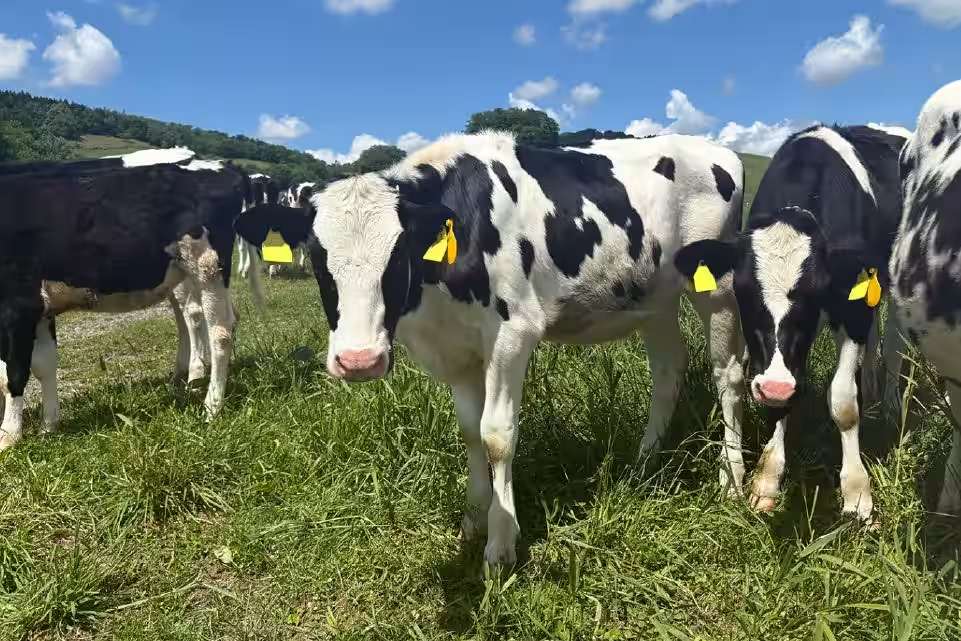
1. Dairy Farming Difficulties: Dairy farmers often face periods of surplus milk production, as milk demand fluctuates seasonally. In particular, during long school breaks when meal demands decrease, maintaining a stable supply becomes hard. Farmers sometimes resort to converting surplus milk into powdered milk products, leading to excess inventory challenges due to dwindling demand.
2. Child Nutrition Deficits: Rising living costs have given rise to increased need for food support. Studies indicate that during long breaks from school, the proportion of children receiving less than three meals a day rises, raising concerns about their nutritional intake. Many families stop purchasing relatively expensive milk during these times, leaving children without essential nutrients.
3. Challenges in Milk-Based Food Support: While milk is nutritionally dense, its dependency on cold storage and short shelf life can complicate its distribution to children’s support facilities where refrigeration isn’t always available. This is compounded by infrequent operations, making the management of expiration dates challenging.
The Case for Long-Life Milk
Nessuu's long-life milk initiative stands out as a practical solution amid these challenges:
- - Long shelf life allows for easy storage and reduces logistical burdens.
- - Shipping does not necessitate refrigerated transport, making distribution simpler.
- - The nutritional profile remains on par with standard milk, offering comprehensive benefits for children.
This long-life milk initiative is poised to contribute positively toward fostering demand for fresh milk while ensuring that children in need consistently receive high-quality nourishment. Moreover, it aligns neatly with the goals of the dairy sector and the objectives of enhancing food support services.
Significance for Asahikawa
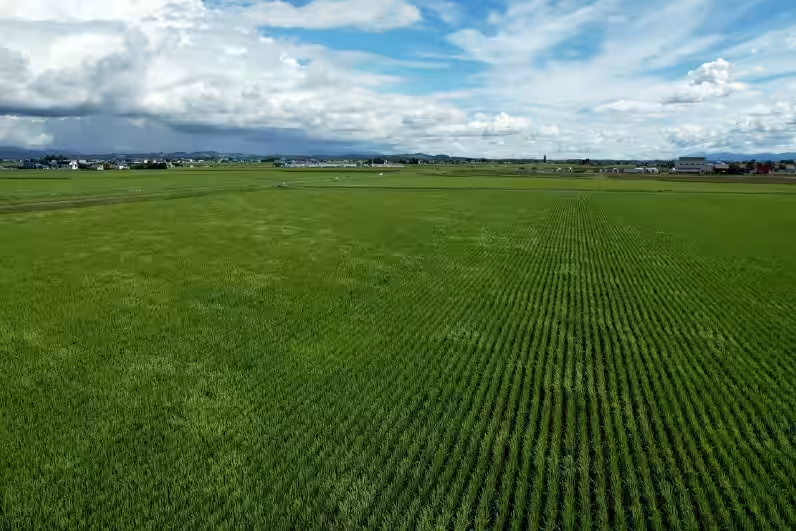
Asahikawa is a leading agricultural hub in Hokkaido, recognized for producing a wide array of crops including rice, vegetables, fruits, and livestock. The local government promotes a "resource-circulating agricultural system" that integrates dairy with other agricultural practices. With the presence of Kumiai Dairy, a notable factory producing long-life milk, this project capitalizes on regional resources effectively, anticipating positive reverberations across the local agricultural economy.
Donation Allocation
The funding collected via donations will be allocated judiciously, covering:
- - Procurement of long-life milk
- - Distribution and logistics expenses
- - Contracting fees
- - Promotional activities for the project.
Every contribution received is dedicated exclusively to ensuring that Hokkaido-produced milk reaches children in need.
About Asahikawa City
Nestled in the heart of Hokkaido, Asahikawa thrives amidst the majestic Daisetsuzan mountain range, benefitting from its unique climate that supports a broad spectrum of agricultural outputs. The region not only focuses on creating sustainable agricultural practices but also actively seeks to bridge the gap between producers and consumers.
For more details on the Kodomo Furusato Bin initiative, you can explore the official website: Kodomo Furusato Bin


Topics Consumer Products & Retail)
【About Using Articles】
You can freely use the title and article content by linking to the page where the article is posted.
※ Images cannot be used.
【About Links】
Links are free to use.