



Mental Health Challenges for Job Seekers Amidst Employment Pressure in Japan
With the job hunting season in Japan officially kicking off in June, a survey conducted by ABABA has unveiled alarming insights regarding the mental health challenges faced by prospective graduates. Targeting 356 students scheduled to graduate in March 2027, the study categorized the mental health struggles into two main timeframes: the early phase of job hunting termed 'May Disease' and the critical juncture of 'June Disease' as selection processes commence.
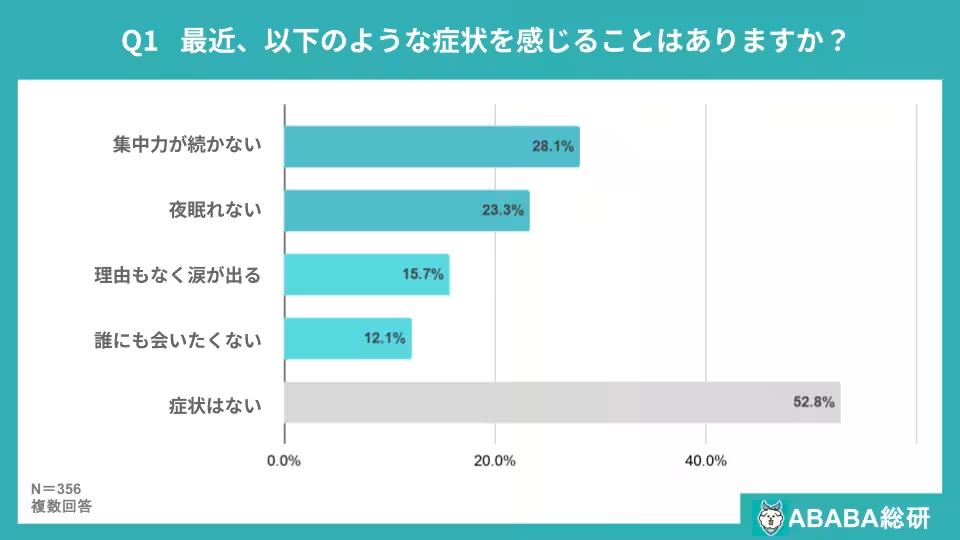
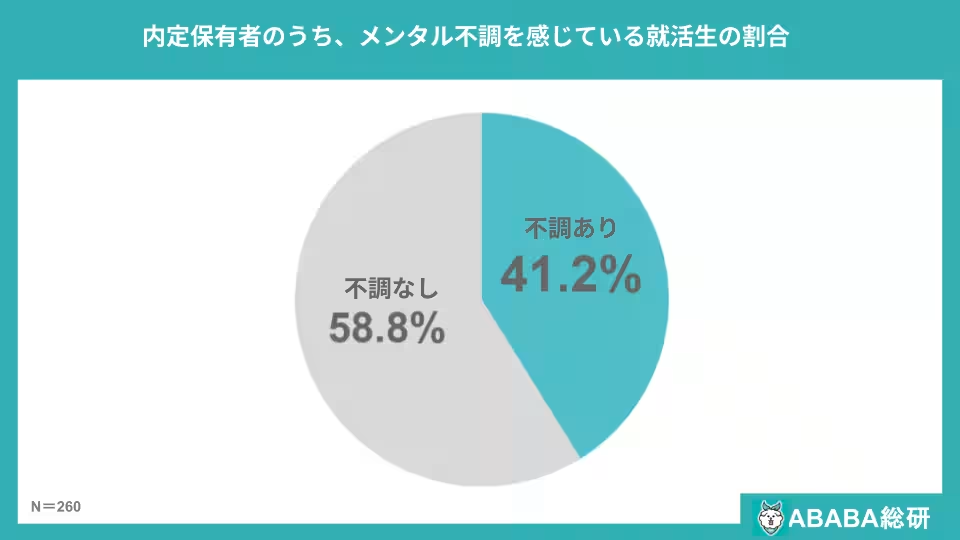
1. Widespread Mental Health Issues: Nearly half of the respondents (47.2%) reported experiencing mental health issues, such as insomnia and anxiety. The situation is dire for those without job offers, with over 60% of this group acknowledging their psychological distress. Even among those who secured job offers, a significant 41.2% expressed similar mental health concerns. The survey reveals a pervasive sense of pressure to keep pushing through the job hunt, irrespective of whether candidates have job offers or not.
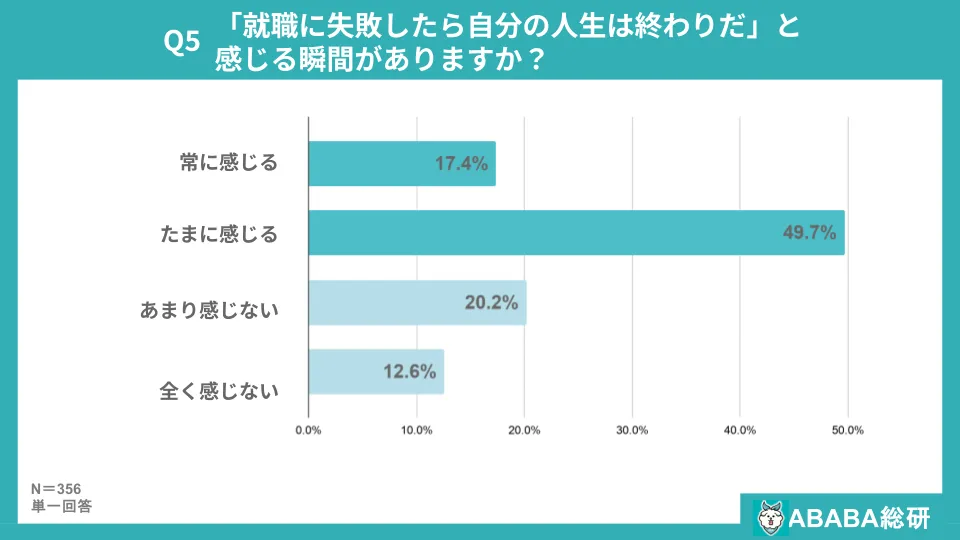
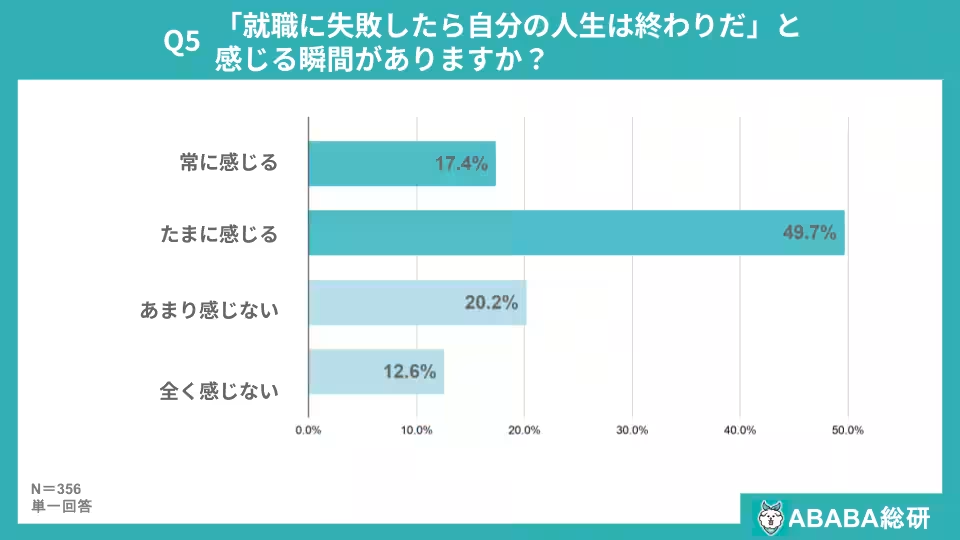
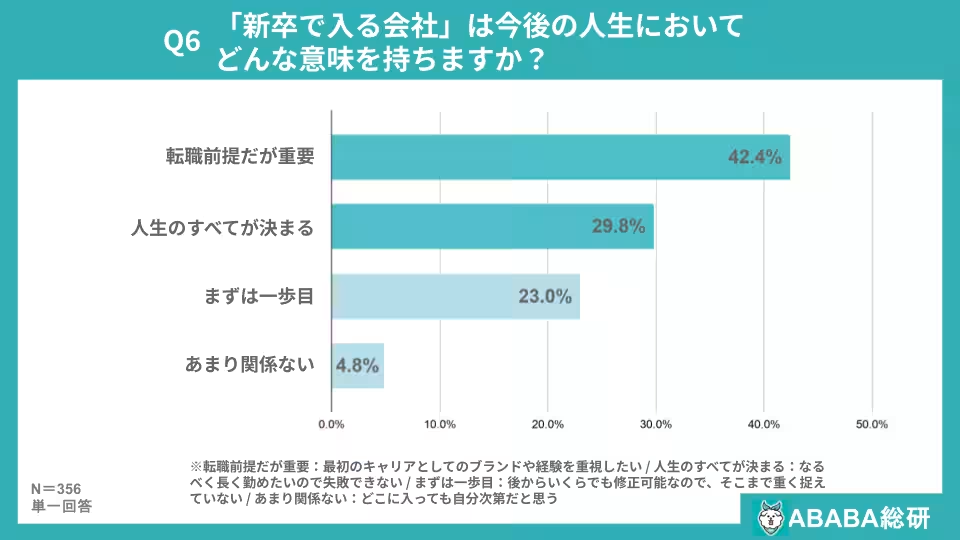
2. Pressure of Employment Success: A staggering 67.1% of participants indicated they felt that failing to secure a job would mean the end of their lives as they know it. This statistic highlights the intense pressure candidates face; while 42.4% are considering career paths that include future job changes, 72.2% still feel their future is largely dependent on the job they secure right out of university.
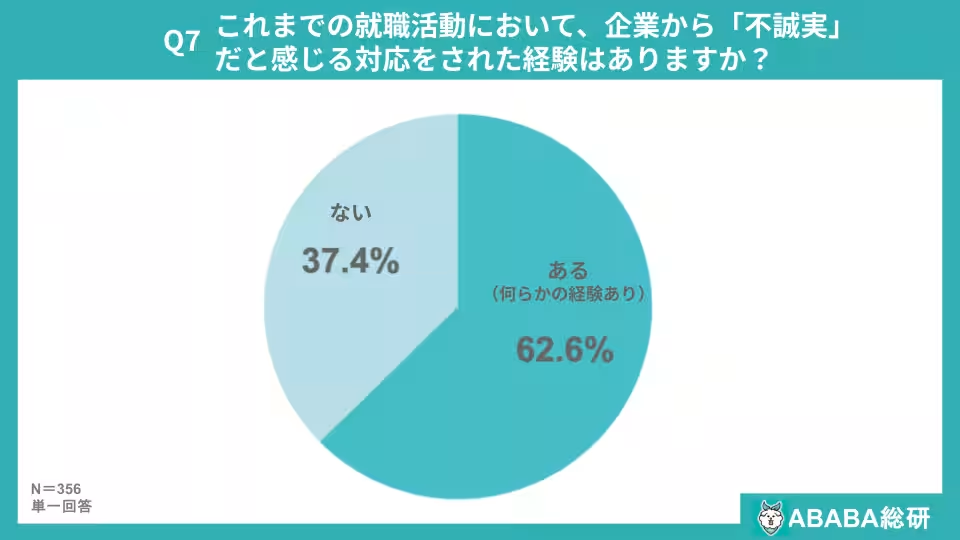
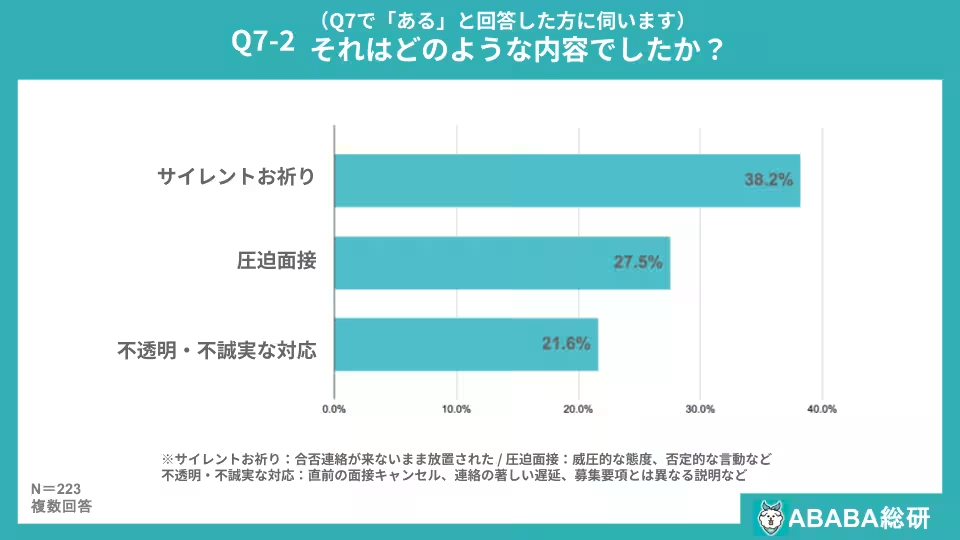
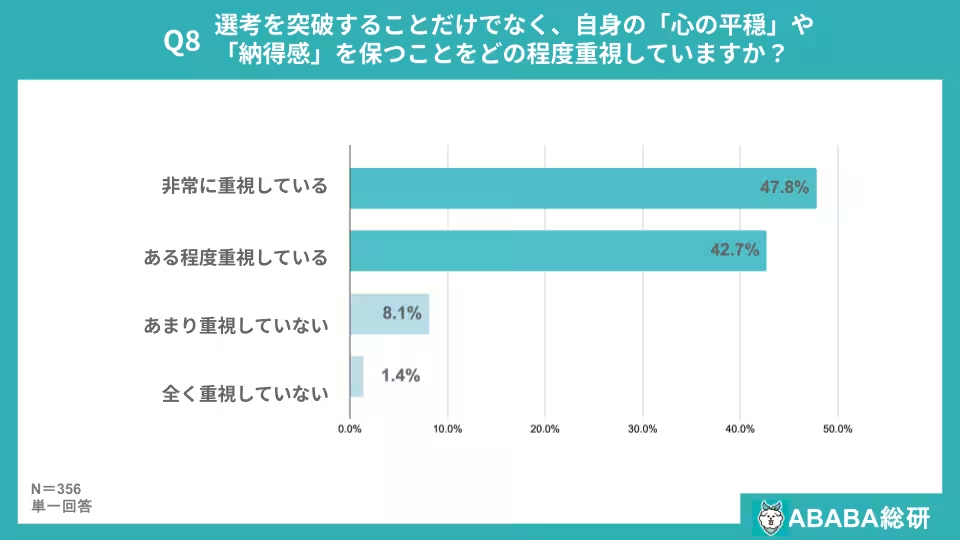
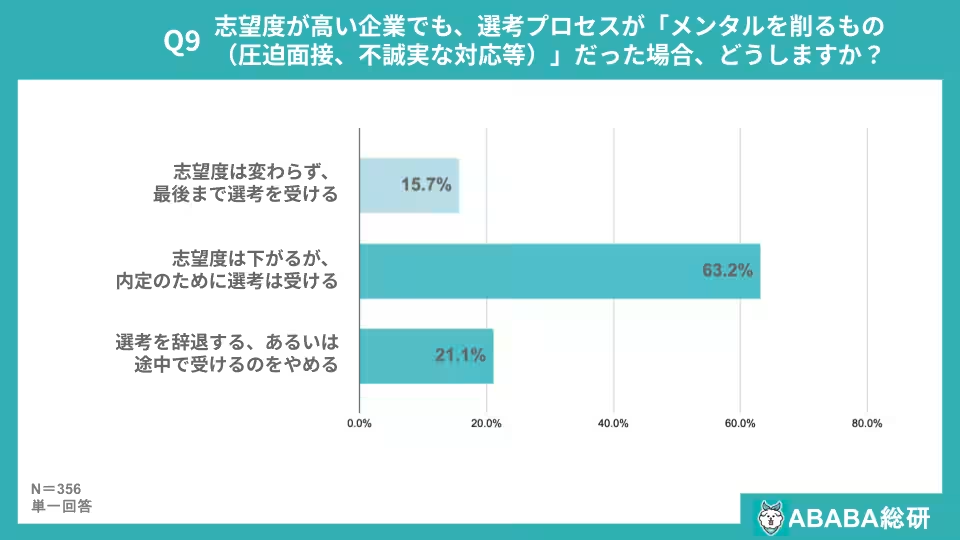
3. Inadequate Hiring Practices: Approximately 21.1% of respondents claimed to have withdrawn from the selection process due to unprofessional recruitment practices. A majority, 90.5%, emphasized the importance of maintaining their mental well-being throughout the job hunt, but 62.6% reported encountering disingenuous hiring practices like 'silent rejections' and pressure during interviews. This disconnection results in lost opportunities for companies, as candidates drop out due to such negative experiences.
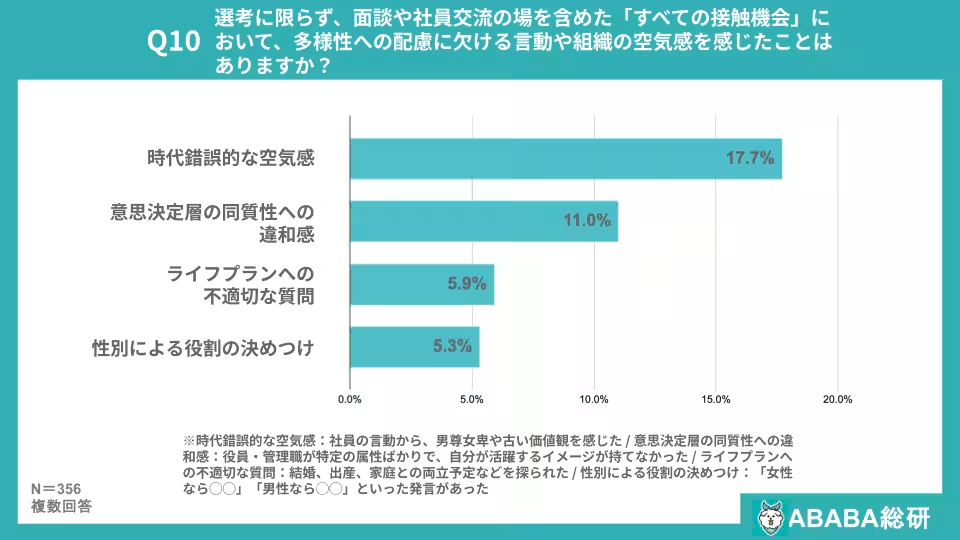
4. Concern Over Diversity: Nearly 28.4% of survey participants expressed discomfort regarding a lack of diversity awareness within recruitment practices. Many reported feeling an outdated mindset in some organizations, with women particularly concerned about gender biases and inappropriate questions about life plans.
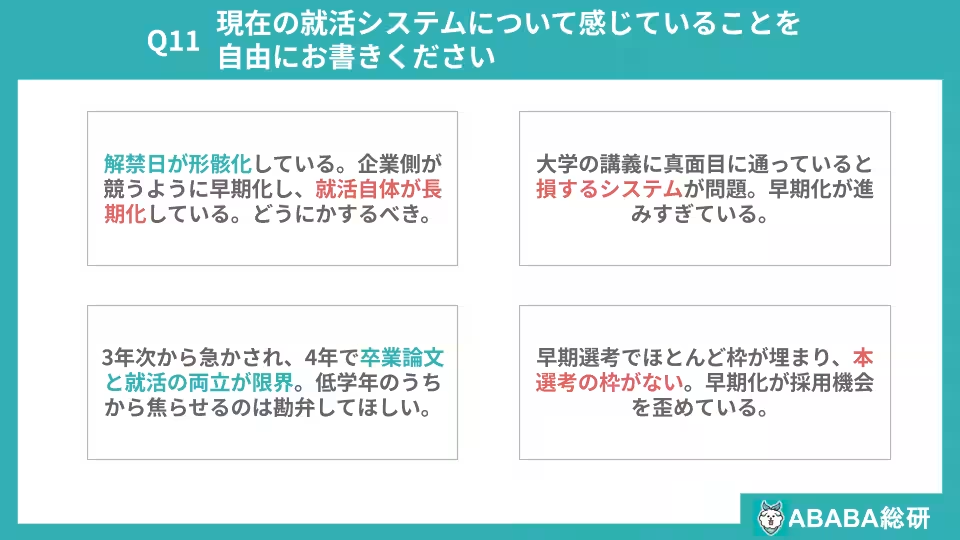
5. Dissatisfaction with the Current Job Hunt System: In an open-ended question, 32.3% voiced frustrations regarding the early and extended job hunting conditions, with many stating that societal pressures to secure employment by their junior year opposed their academic commitments. Comments revealed that students feel they are sacrificing their education and well-being, underscoring the urgent need for a survey of the existing job market structure.
The underlying message from these survey findings is clear: while many students may currently hold job offers, the mental and emotional toll of job hunting exacerbates anxiety and pressure within the candidate pool. The impending June selection processes pose a looming threat of intensified psychological strain, further entrenching candidates into what can be characterized as 'June Disease.' This pervasive stress is notably fueled by the societal belief that failure at this juncture equates to a bleak future.
Fortunately, organizations like ABABA are working to improve the recruitment process and overall experience for candidates in Japan. By addressing mental health resources and promoting transparent recruitment practices, we can foster not only more positive experiences for job seekers but also create a healthier job market overall. The findings from this research emphasize the critical need for a supportive and humane approach to the job hunting process, as candidates deserve environments that respect their well-being as they navigate this challenging journey.
Key Findings of the Survey
1. Widespread Mental Health Issues: Nearly half of the respondents (47.2%) reported experiencing mental health issues, such as insomnia and anxiety. The situation is dire for those without job offers, with over 60% of this group acknowledging their psychological distress. Even among those who secured job offers, a significant 41.2% expressed similar mental health concerns. The survey reveals a pervasive sense of pressure to keep pushing through the job hunt, irrespective of whether candidates have job offers or not.
2. Pressure of Employment Success: A staggering 67.1% of participants indicated they felt that failing to secure a job would mean the end of their lives as they know it. This statistic highlights the intense pressure candidates face; while 42.4% are considering career paths that include future job changes, 72.2% still feel their future is largely dependent on the job they secure right out of university.
3. Inadequate Hiring Practices: Approximately 21.1% of respondents claimed to have withdrawn from the selection process due to unprofessional recruitment practices. A majority, 90.5%, emphasized the importance of maintaining their mental well-being throughout the job hunt, but 62.6% reported encountering disingenuous hiring practices like 'silent rejections' and pressure during interviews. This disconnection results in lost opportunities for companies, as candidates drop out due to such negative experiences.
4. Concern Over Diversity: Nearly 28.4% of survey participants expressed discomfort regarding a lack of diversity awareness within recruitment practices. Many reported feeling an outdated mindset in some organizations, with women particularly concerned about gender biases and inappropriate questions about life plans.
5. Dissatisfaction with the Current Job Hunt System: In an open-ended question, 32.3% voiced frustrations regarding the early and extended job hunting conditions, with many stating that societal pressures to secure employment by their junior year opposed their academic commitments. Comments revealed that students feel they are sacrificing their education and well-being, underscoring the urgent need for a survey of the existing job market structure.
Conclusion
The underlying message from these survey findings is clear: while many students may currently hold job offers, the mental and emotional toll of job hunting exacerbates anxiety and pressure within the candidate pool. The impending June selection processes pose a looming threat of intensified psychological strain, further entrenching candidates into what can be characterized as 'June Disease.' This pervasive stress is notably fueled by the societal belief that failure at this juncture equates to a bleak future.
Fortunately, organizations like ABABA are working to improve the recruitment process and overall experience for candidates in Japan. By addressing mental health resources and promoting transparent recruitment practices, we can foster not only more positive experiences for job seekers but also create a healthier job market overall. The findings from this research emphasize the critical need for a supportive and humane approach to the job hunting process, as candidates deserve environments that respect their well-being as they navigate this challenging journey.
Topics People & Culture)


【About Using Articles】
You can freely use the title and article content by linking to the page where the article is posted.
※ Images cannot be used.
【About Links】
Links are free to use.