



Ai.Connect Launches Wi-Fi Sensing Monitoring Experiment for Elderly Care in Rental Housing
Introduction
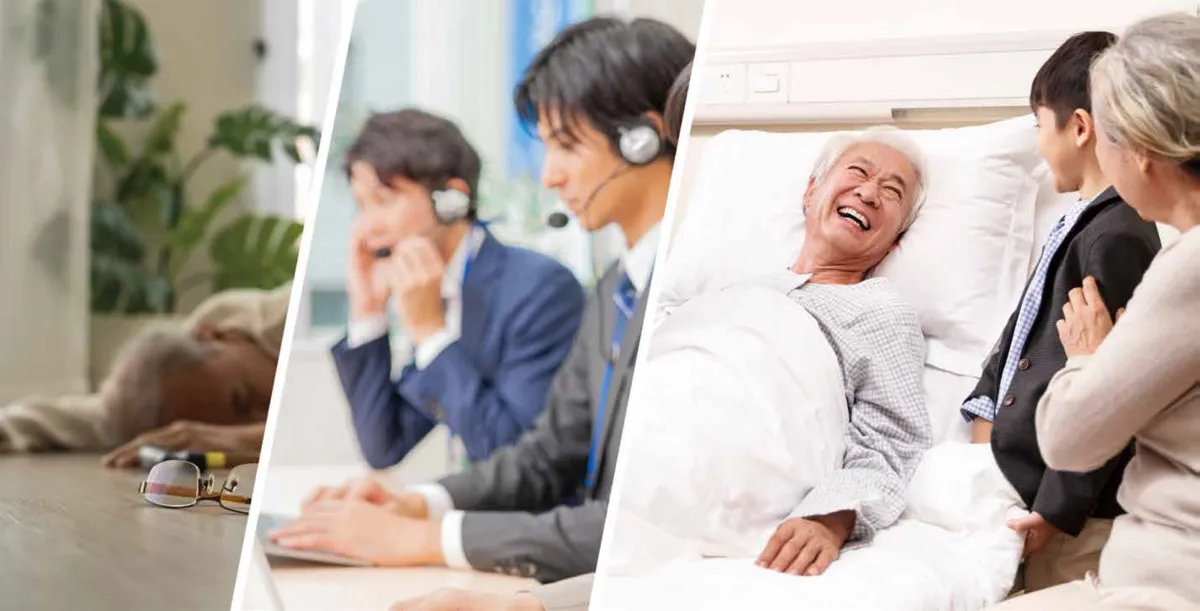
Ai.Connect, based in Utsunomiya City, Tochigi Prefecture, is embarking on a pioneering pilot experiment aimed at utilizing Wi-Fi sensing technology for monitoring elderly residents in rental housing. The initiative will explore the practical application of this technology in ensuring the safety and well-being of elderly tenants while respecting their privacy.
Background: Challenges of Aging Population and Rental Housing
Japan is currently facing a dual challenge: a decreasing population paired with a rapidly aging demographic. With the number of single elderly households expected to continue rising, rental property owners are experiencing increasing wariness about accepting older tenants due to fears of isolation-related incidents like solitary deaths. Consequently, a mismatch arises between landlords looking to fill vacant units and the needs of elderly individuals seeking reliable housing.
Overview of the Experiment
The pilot study will deploy Wi-Fi sensing devices in the common areas of Yu-rari Showakan, a senior living facility located in Niihama City, Ehime Prefecture, from February to April 2026. These devices will analyze subtle fluctuations in Wi-Fi signals to determine the occupancy status of residents. This non-intrusive method avoids using cameras, thus addressing privacy concerns while effectively monitoring living conditions.
Device Details
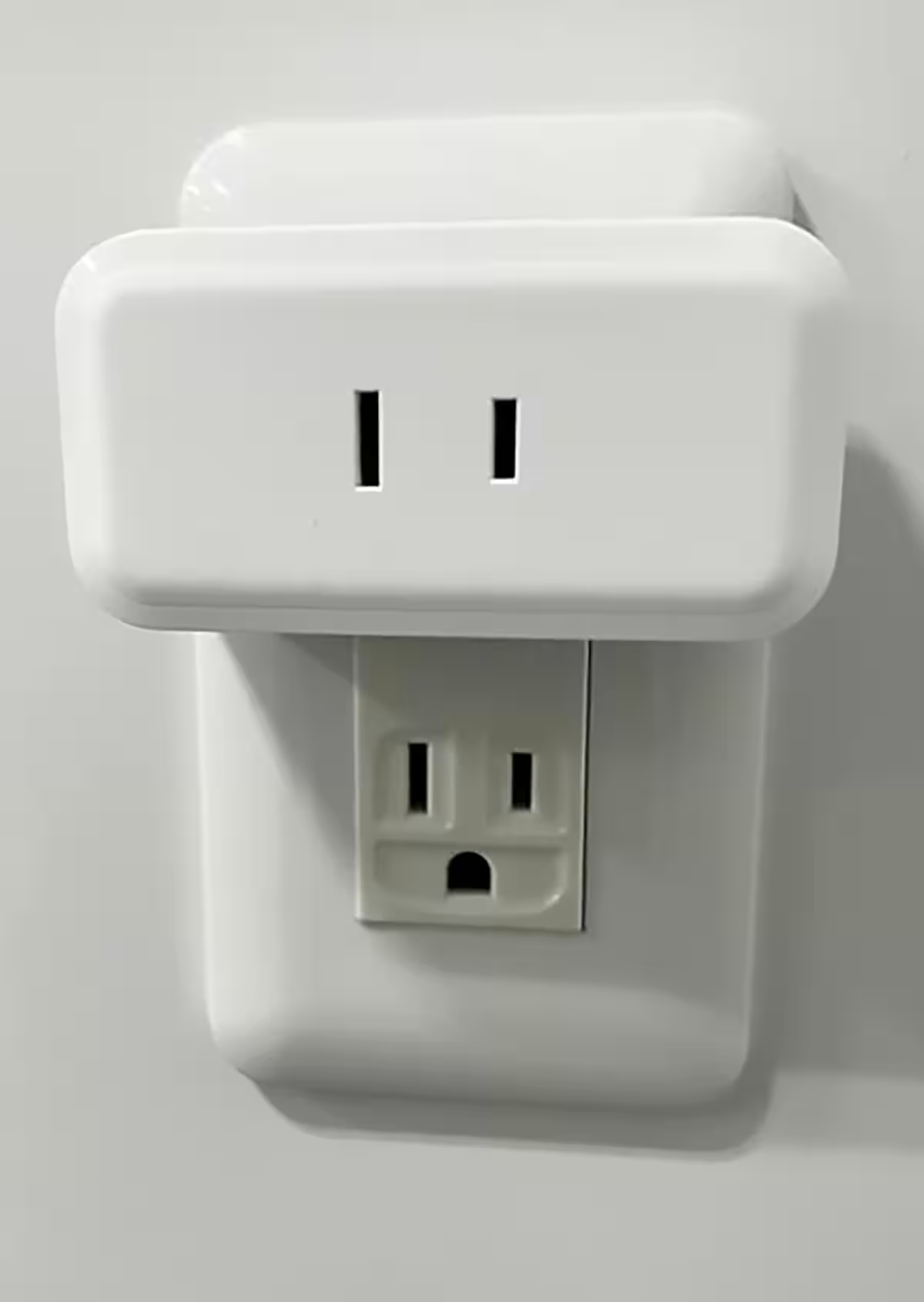
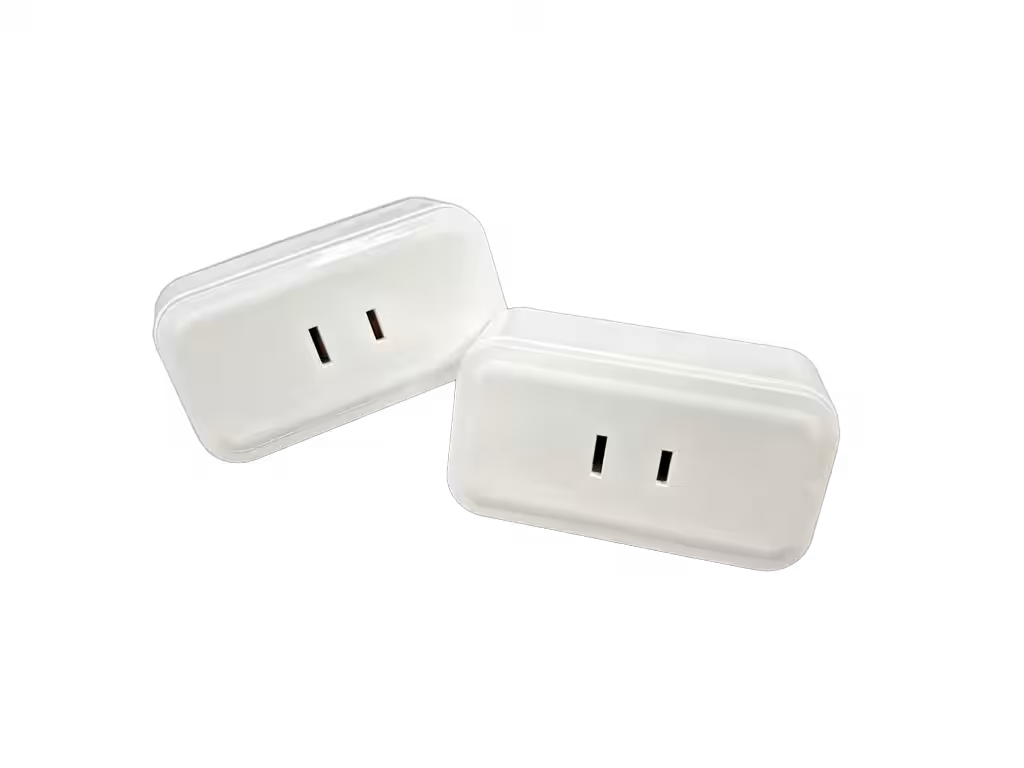
The Wi-Fi sensing devices, designed to plug directly into electrical outlets, will interpret Wi-Fi signal changes to detect movements and occupancy within a room. This allows for a sensitive yet private monitoring approach, utilizing the existing Wi-Fi infrastructure seamlessly.
Goals of the Validity Testing
The goals of this experiment include:
1. Technical Effectiveness: Assess the accuracy of detecting resident presence/absence, stability of Wi-Fi communication, rates of false detection, and the effects of signal interference.
2. Operational Feasibility: Evaluate the usability of the management interface, the frequency of alerts, workload implications for staff, and response protocols for detected anomalies.
3. Economic Viability: Analyze the costs for installation, operation, and the human resources impact upon daily management duties, alongside cost-benefit considerations for commercial viability.
Anticipated Future Value of the Service
Through this experiment, Ai.Connect aims to create a future where:
- - A non-intrusive monitoring environment promotes the peace of mind of residents and their families while maintaining privacy.
- - Property managers and landlords alleviate concerns regarding elderly tenancy, thereby improving acceptance rates for elderly residents.
- - The rental housing market integrates systems allowing elderly individuals to find safe, supportive living spaces, effectively bridging the gap between housing supply and demand.
Future Directions
Based on the results garnered from the pilot, Ai.Connect plans to establish:
- - Comprehensive designs for deploying monitoring services in rental housing.
- - A structured operational model and cost framework tailored to multifamily housing units.
- - A new integrated living environment platform that combines Ai.Connect’s internet services, known as Ai-Net, with this advanced monitoring solution.
Conclusion
Through these initiatives, Ai.Connect envisions a transformative model for elder-friendly living environments that integrates multiple domains—housing, telecommunications, monitoring, and lifestyle assistance—ultimately enhancing the living conditions for senior citizens.
For more detailed information on Ai.Connect, check out their official website at Ai.Connect.

Topics Consumer Products & Retail)
【About Using Articles】
You can freely use the title and article content by linking to the page where the article is posted.
※ Images cannot be used.
【About Links】
Links are free to use.