



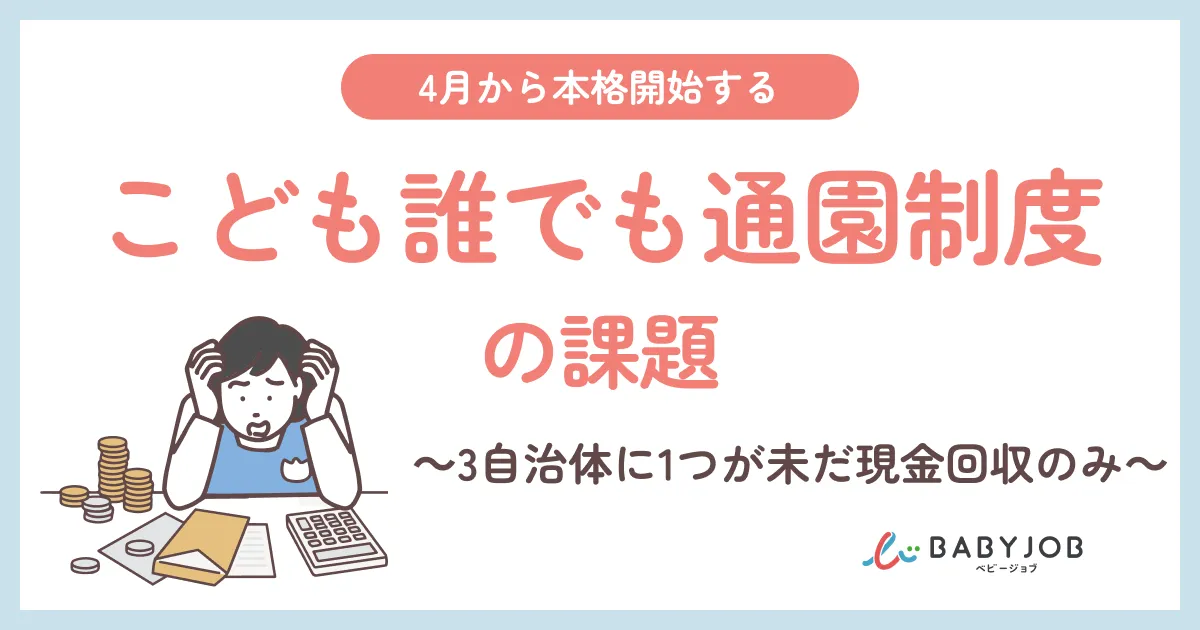
Challenges Faced in Implementing the New Childcare Attendance System in Japan
Introduction
The much-anticipated 'everyone can attend childcare policy' in Japan, set to officially begin in April 2026, aims to alleviate child-rearing burdens for parents and offer children new learning experiences. However, a recent study by BABY JOB Corporation revealed that many local governments are still relying heavily on cash for payment collection, raising concerns about the operational sustainability of this initiative.
Current Payment Methods
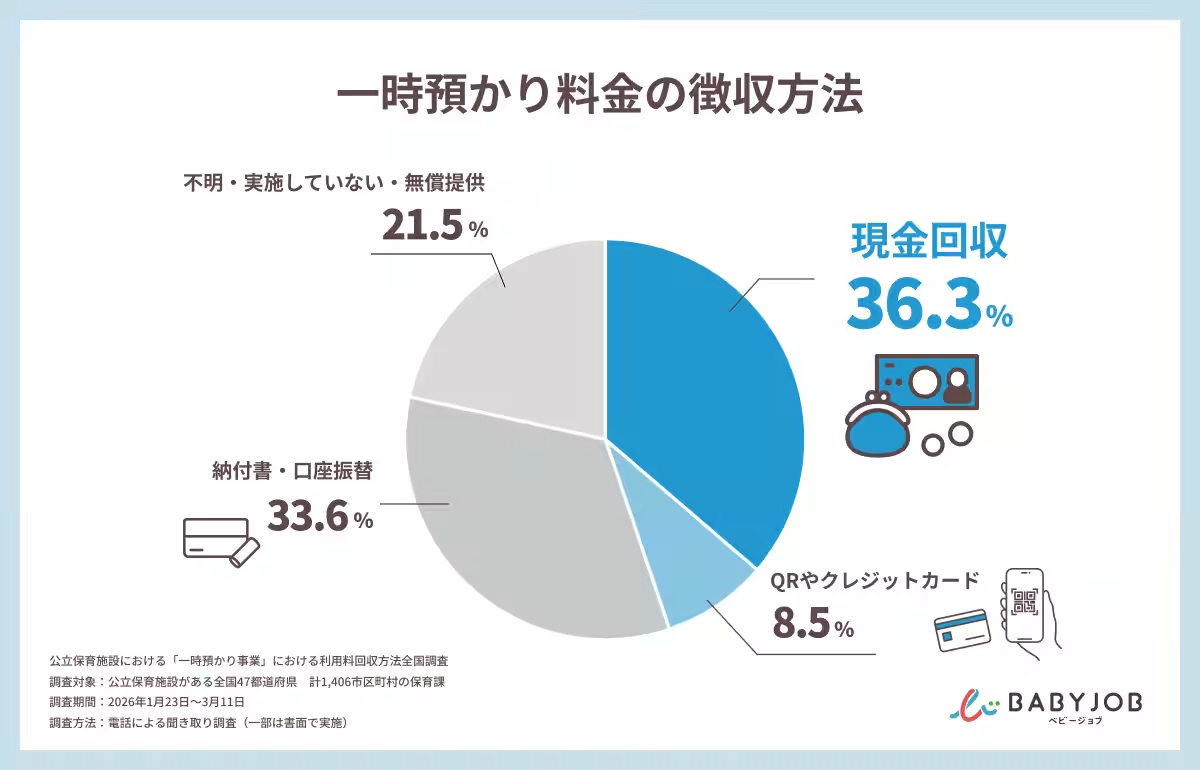
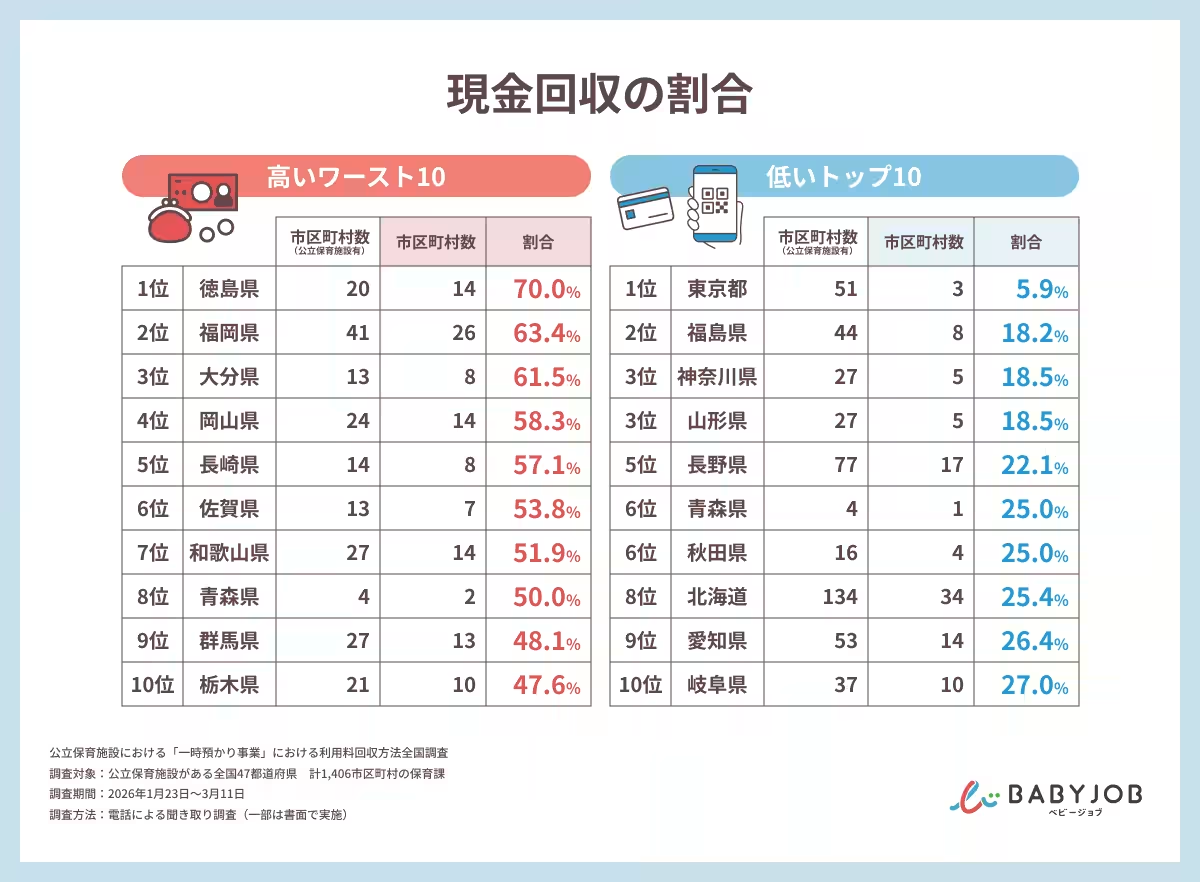
According to BABY JOB's survey, conducted among 1,406 municipalities with public childcare facilities, 36.3% are still limited to cash-only payment collection methods. This figure reflects the challenges families face, especially in regions like Tokushima Prefecture, where a staggering 80% of local governments still prefer cash.
Contrastingly, in metropolitan Tokyo, only 5.9% adhere to cash payments. This stark discrepancy highlights a larger systemic issue, as effective payment mechanisms should ideally be accessible regardless of geography.
Financial Burden on Families
Starting in 2026, families will need to pay approximately 300 yen per hour for childcare services, a situation that will be compounded if cash payments remain the standard. Parents might find themselves scrambling for change or worrying about having the right amount during busy drop-off and pick-up times. This situation places unnecessary financial and operational strain on both parents and childcare facilities.
Reducing Operational Burdens for Childcare Services
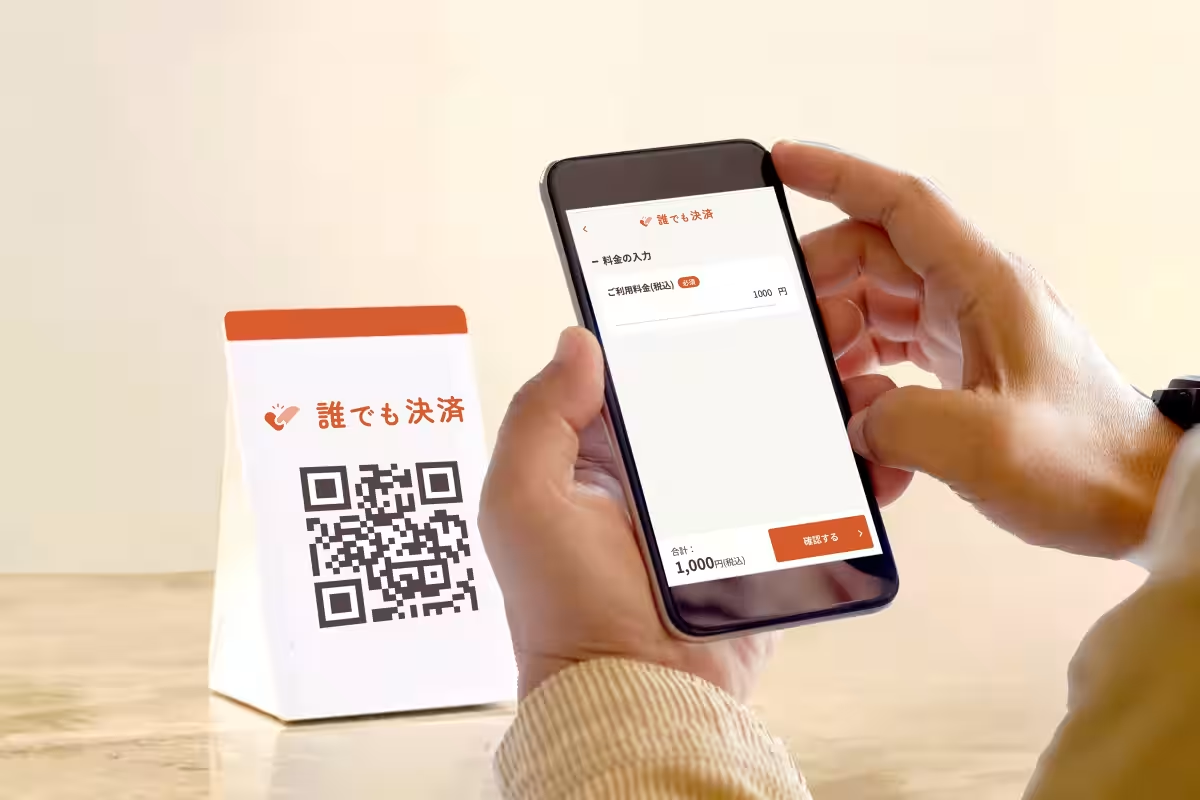
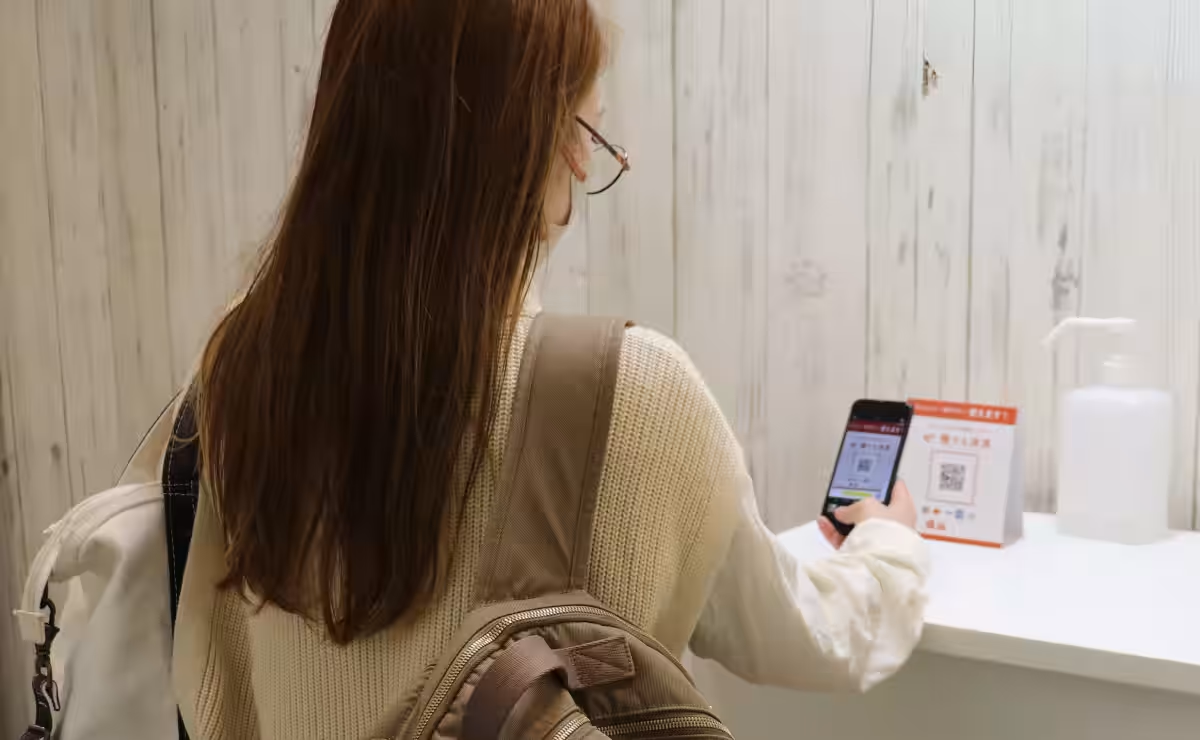
The introduction of BABY JOB's cashless payment system, 'Daremo Kessai,' aims to ease these burdens. By offering various payment methods, including QR codes and credit card options, this system aims to eliminate the hassle of cash transactions for both parents and childcare providers. With cashless transactions, facilities can reduce the complexities of handling money, thus allowing staff to focus more on childcare rather than financial administrative duties.
Survey Insights
The insights gathered from the survey indicate that about 120 municipalities, representing 8.5%, have begun adopting cashless payment options like QR code payments and credit cards. While this is a promising start, it still indicates a widespread reluctance to shift away from cash payments, particularly in less urban areas. The emphasis on developing more inclusive and accessible payment methods for all municipalities will be crucial as the new policy looms.
BABY JOB's Role in Transforming Childcare
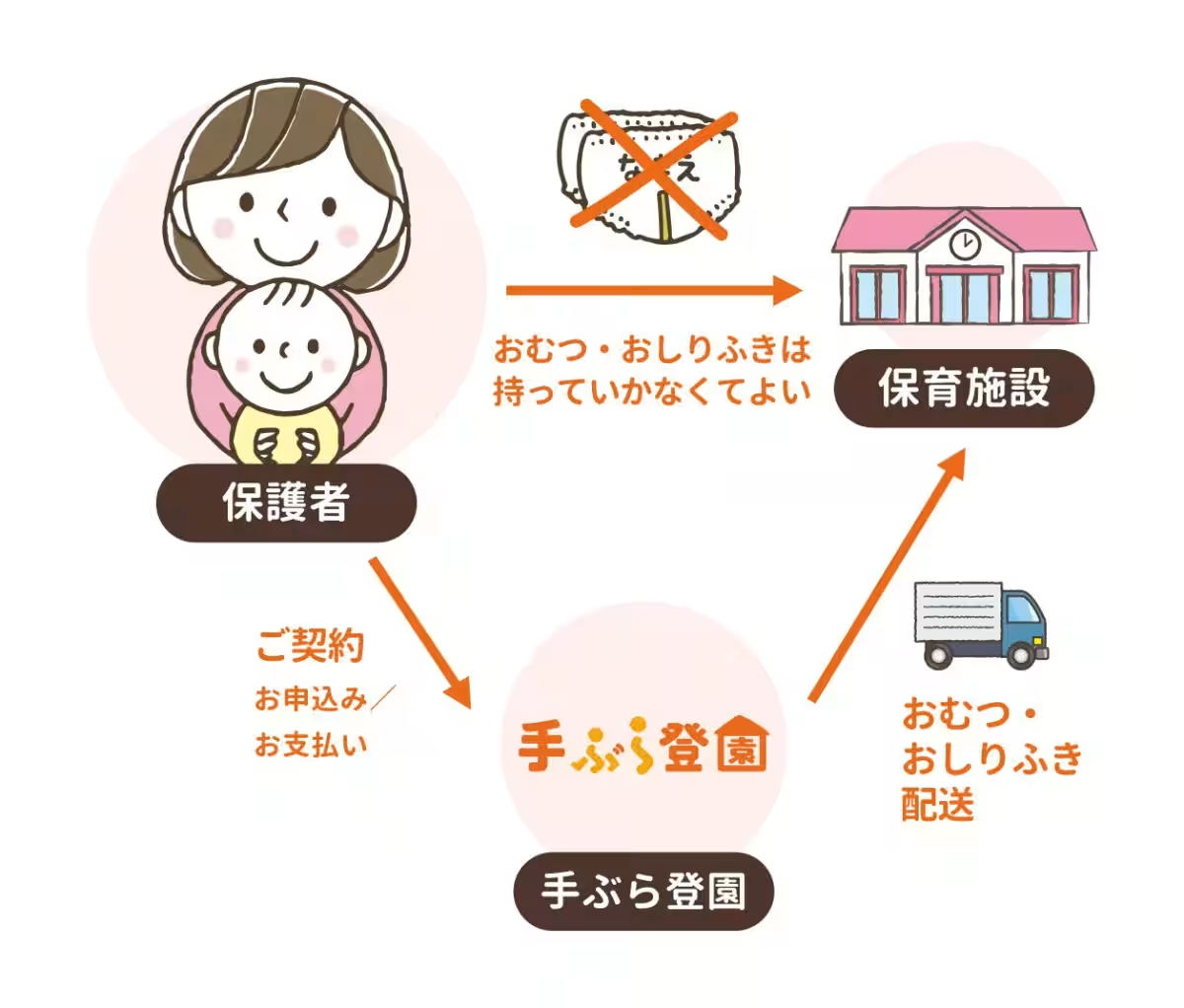
BABY JOB is not only promoting cashless solutions but also other supportive initiatives to ease the burdens faced by families and childcare providers. Their initiative, 'Tebura Touen,' offers a subscription service allowing parents to utilize unlimited disposable diapers and wipes at childcare facilities, removing the hassle of labeling and transporting diapers to the facility. This service, which has gained traction in over 9,300 facilities, exemplifies how simplicity and convenience can foster a better childcare experience.
Conclusion
In conclusion, while Japan’s new 'everyone can attend childcare policy' holds promise for supporting families, significant operational challenges remain. With a substantial portion of municipalities still relying on cash transactions, the switch to a cashless environment is not just beneficial but necessary for the success of this landmark initiative. BABY JOB is at the forefront of these solutions, continuously working to enhance the experience of both parents and childcare providers. For further exploration of these initiatives, visit the official websites of BABY JOB.
Topics Other)
【About Using Articles】
You can freely use the title and article content by linking to the page where the article is posted.
※ Images cannot be used.
【About Links】
Links are free to use.