



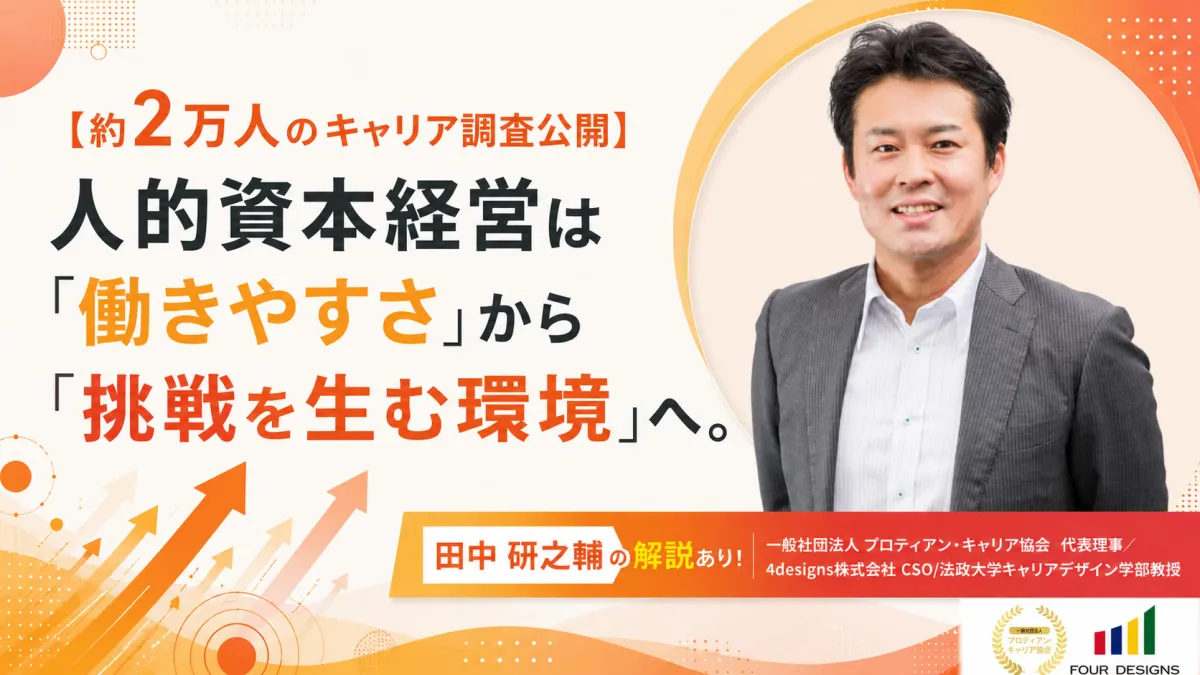
New Research Highlights Challenges in Career Development Environments of Japanese Corporations
Recent Insights into the Career Development Landscape in Japan
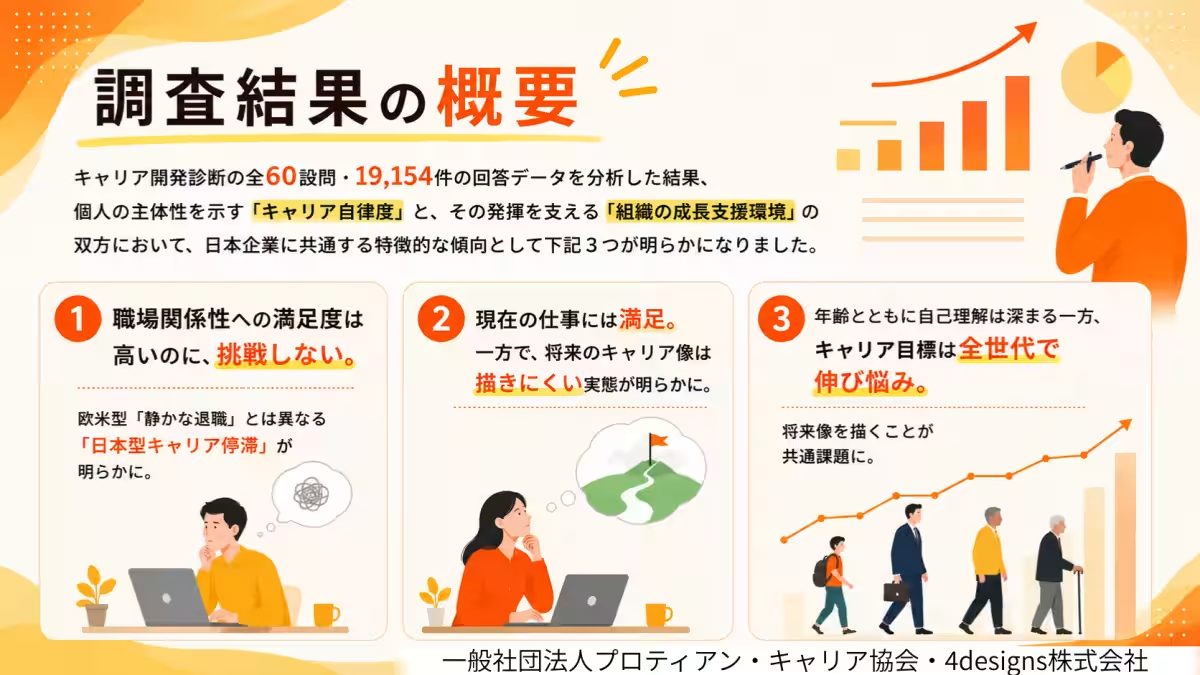
A comprehensive survey conducted by the Protean Career Association and 4designs, analyzing responses from 19,154 participants, sheds light on the intricacies of career autonomy and the organizational environment in Japanese companies. It highlights a significant need for nurturing a culture that encourages proactive career development while ensuring employee satisfaction.
Study Findings Overview
The study encapsulates key insights into three primary areas:
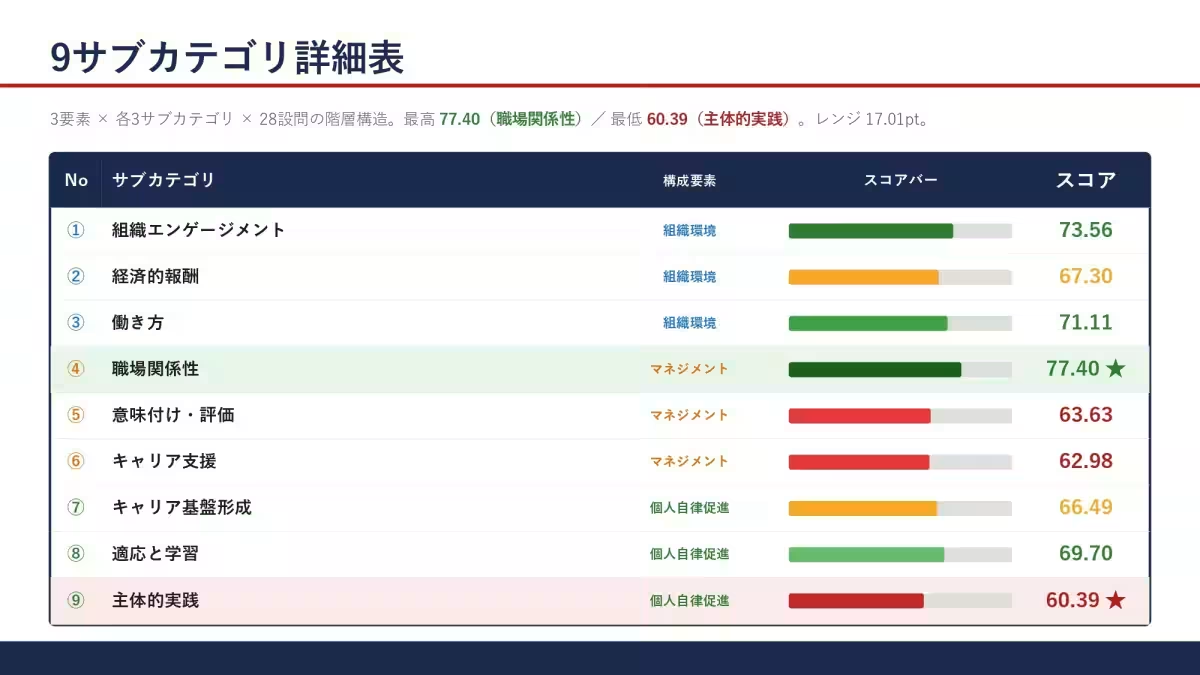
1. High Workplace Satisfaction Yet Low Challenge Engagement: While employees express a high level of satisfaction with their workplace relationships, there exists a puzzling phenomenon—low engagement in proactive career challenges. With a score of 77.4 points for workplace relationship satisfaction against only 60.39 points for proactive practice, there's a notable gap of 17.01 points indicating a lack of initiative in pursuing challenges despite being comfortable at work.
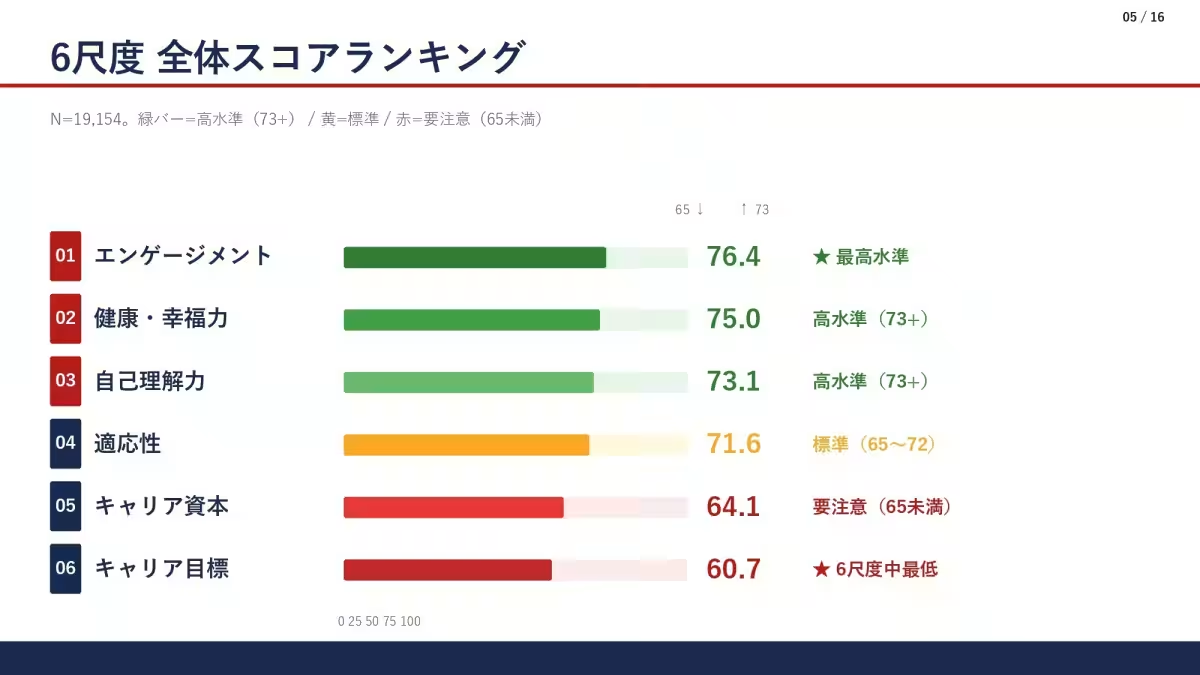
2. Current Job Satisfaction versus Future Vision: Although the current roles provide employees with satisfaction (scoring 76.4 points on engagement), they find it challenging to envision their future career paths, reflected in a concerning score of only 60.7 points for career goal clarity. This indicates that many individuals struggle to transform their satisfaction into defined, actionable career objectives.
3. Age-related Self-understanding versus Stagnant Career Goals: The research reveals that as individuals age, their understanding of themselves improves; however, the clarity of their career goals does not follow suit. Across all age groups, there’s a common hurdle in articulating future career aspirations, emphasizing the necessity for Japanese firms to rethink their approach towards career development strategies.
The Quiet Crisis in Japanese Corporations
As Japanese organizations flourish in varying aspects of operational engagement and workplace satisfaction, this survey highlights a “quiet stagnation” specific to Japan that diverges from the Western notion of “quiet quitting.” Despite the comfort and commitment displayed by employees, the absence of proactive career engagement frames a critical issue requiring immediate attention.
The Role of Organizational Support
This phenomenon raises complex questions about how corporate structures interpret and foster employee engagement. The findings suggest that merely increasing workplace satisfaction does not automatically lead to greater self-driven initiatives or improvements in career planning. It’s crucial for organizations to develop frameworks that emphasize both the well-being of employees and the encouragement of proactive career exploration.
Recommendations for Japanese Businesses
1. Focus on Future Goals: Companies must pivot from only ensuring comfort to actively facilitating career goal setting and encouragement of challenges within their workforce.
2. Create Supportive Structures: Establishing environments conducive to professional growth and collaborative goal-setting discussions among employees is essential.
3. Prioritize Individual Development Plans: Organizations should implement personalized development plans that not only focus on current roles but envision future possibilities for their employees’ career trajectories.
Experts’ Commentary
Kenji Tanaka, a leading researcher on career autonomy, emphasizes the risks of comfort overshadowing proactive career planning. He stresses the need for human resources to invest in robust future goal development systems.
Moreover, Toru Ariyama, CEO of 4designs, points out the alarming disparity between workplace satisfaction and the lack of ambitious career aspirations and outlines the necessity of fostering environments that inspire continuous learning and self-empowerment in employees.
Conclusion
In conclusion, while Japanese businesses have made strides in creating comfortable work environments, the urgent need for nurturing an environment that fosters individual career aspirations is now clear. By addressing the present gaps in career development, organizations can enhance employee engagement levels further and truly prepare their workforce for the future. This research serves as a vital first step toward deeper discussions on how to empower individuals for sustained career growth in an evolving job landscape.
For further insights and access to detailed research resources, please visit the Protean Career Association website.




Topics People & Culture)
【About Using Articles】
You can freely use the title and article content by linking to the page where the article is posted.
※ Images cannot be used.
【About Links】
Links are free to use.