



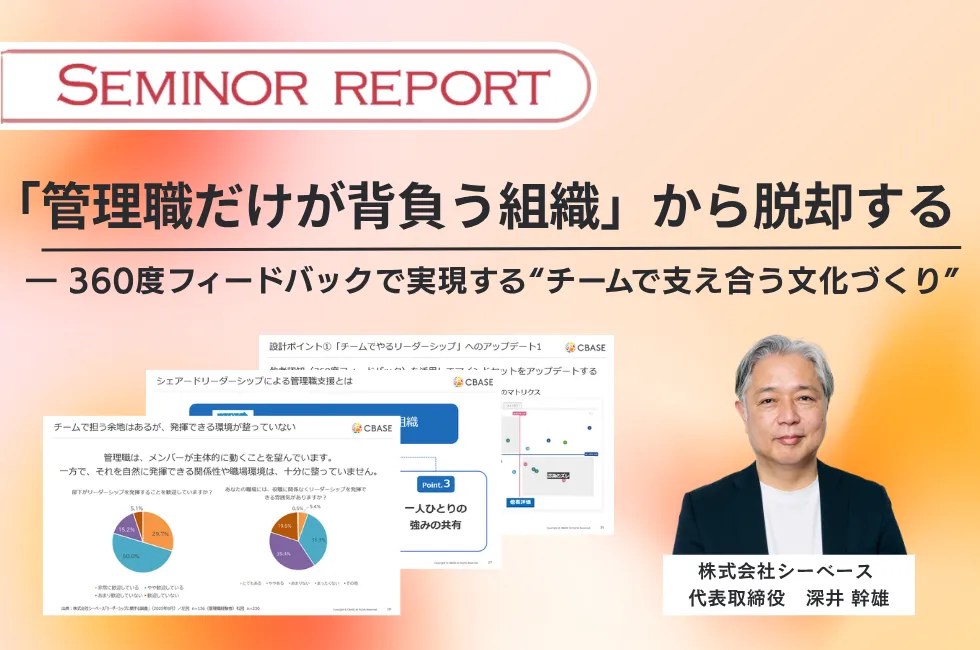
Transitioning Leadership: From Solo Management to Shared Responsibility in Organizations
Moving Forward: Rethinking Leadership Roles
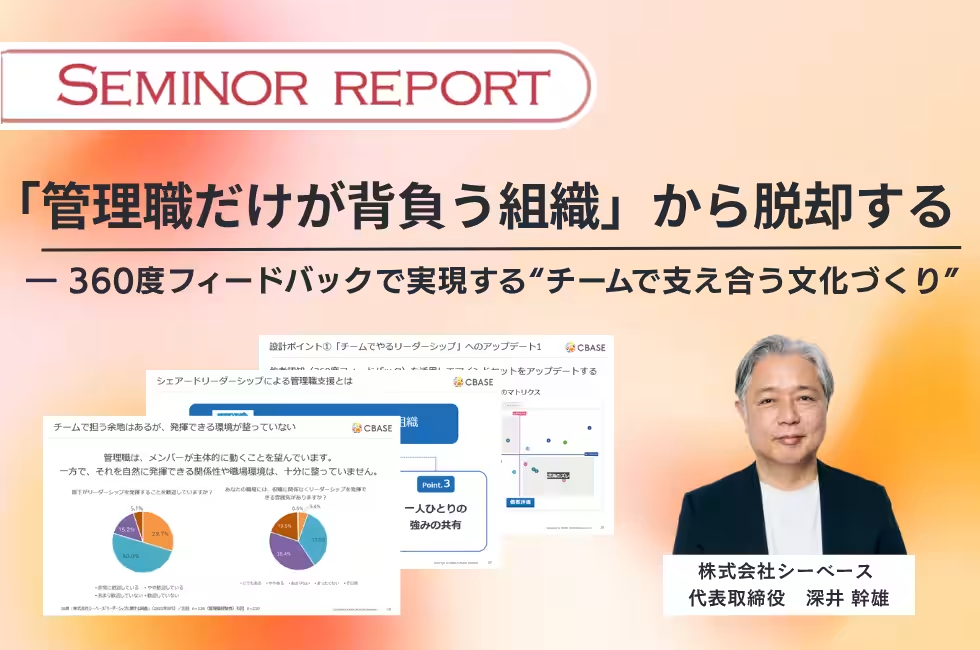
In today's rapidly changing corporate environment, organizations face pressing challenges around leadership roles and responsibilities. CBASE, a cloud service provider specializing in HR survey systems, recently published a comprehensive report detailing the insights from their online seminar held on August 26, 2026, titled "Transitioning from Organizations Burdened by Management to Cultivating Team Support Through 360-Degree Feedback."
The seminar focused on the increasing burden faced by managers and the growing reluctance among younger employees to aspire to managerial positions. This shift in mindset raises critical questions about the current management structures: Why does the responsibility for decisions and workloads remain concentrated within the managerial tier? CBASE seeks to address this issue by not only considering how to train managers effectively but also exploring how to develop teams that are less reliant on a single leader.
Addressing Managerial Challenges
The accumulation of responsibilities on managers is not just a local issue—it's a growing concern across many companies. In addition to their roles in producing results, managers are expected to foster employee development, oversee goal management, and ensure team dynamics are functioning effectively. This accumulation of duties leads to an overwhelming concentration of decision-making and accountability on managerial personnel.
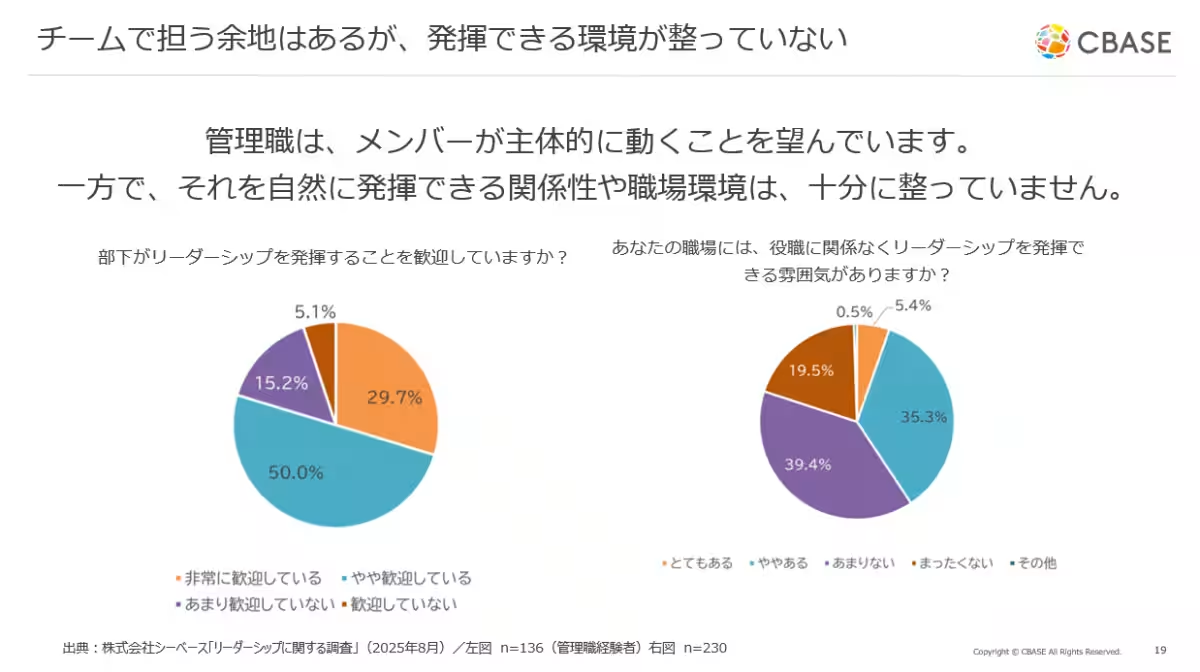
CBASE's research indicates that while managers generally support their subordinates in demonstrating leadership, the workplace culture often lacks a conducive environment for leadership to flourish at all levels. This dichotomy between managers wanting to distribute responsibilities and team members struggling to take initiative contributes significantly to the heavier workloads imposed on managers.
The Shift to Shared Leadership
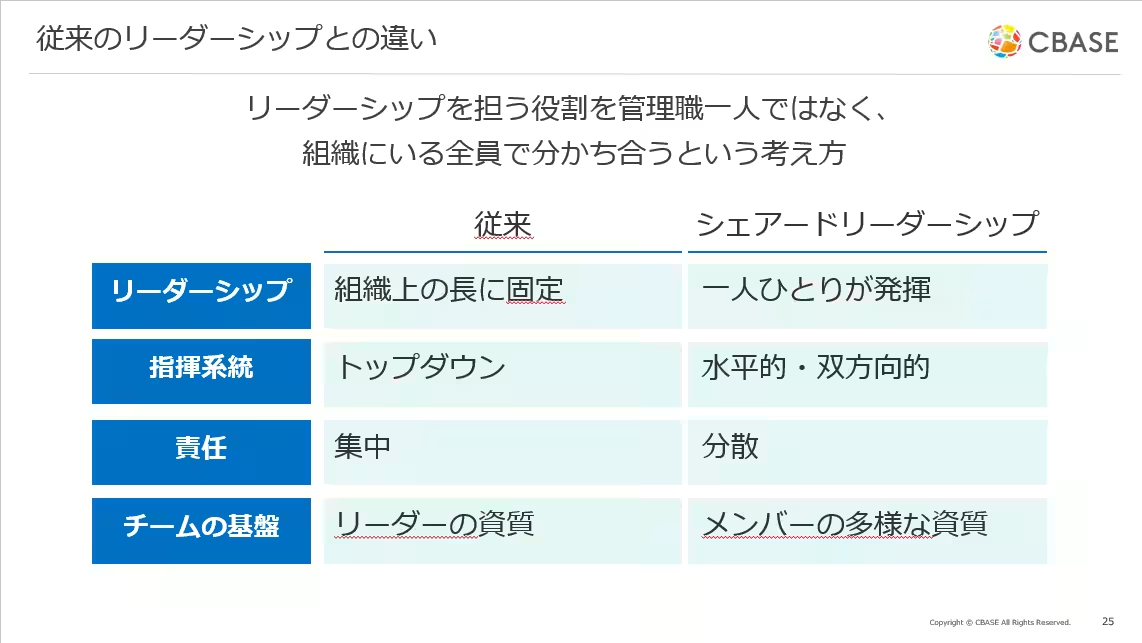
To combat these issues, the concept of “Shared Leadership” was presented during the seminar. Shared Leadership proposes a paradigm in which leadership is not confined to one individual but is disseminated across team members, allowing each person to lead according to their strengths and situationalneeds. This approach does not intend to absolve managers of their responsibilities; rather, it encourages them to harness the strengths of their team while cultivating mutual dependability among team members.
To implement this, it’s vital to update the perception of leadership from “doing it alone” to “doing it together.” This entails creating a psychologically safe environment where team members can share their strengths and take on leadership roles relevant to their capabilities.
Leveraging 360-Degree Feedback
An essential tool highlighted in the seminar was the utilization of 360-degree feedback. This type of feedback serves as a valuable mirror for managers, helping them recognize management habits they might not be aware of and understand discrepancies in perceptions between themselves and their teams. Instead of treating feedback as a one-way street to indicate success or failure, the process can be designed to include gratitude, discussions, and mutual sharing of strengths. This enriches the dialogue and fosters a collaborative culture where teams support one another.
In the detailed seminar report, CBASE presents three key strategies for developing an organization that doesn’t place the entire burden on management. This includes practical customer examples and methodologies for leveraging 360-degree feedback effectively. You can read about these insights in detail in the full seminar report available on their website.
Contact CBASE for More Information
If you’re interested in transforming your organization by leveraging 360-degree feedback and fostering a non-reliant working environment, CBASE invites you to reach out for more information. Their email contact is [email protected].
About CBASE 360°
CBASE 360°, launched by CBASE, boasts an impressive implementation record within industries and serves over 800,000 users annually. Recognized for its efficacy in talent development and organizational growth, this cloud-based 360-degree evaluation system is widely adopted across numerous organizations.
As CBASE continues to champion digital transformation for people and organizations, they remain dedicated to nurturing growth-oriented environments that lead the future. For further details, you can visit the CBASE website at https://www.cbase.co.jp/.
Topics People & Culture)



【About Using Articles】
You can freely use the title and article content by linking to the page where the article is posted.
※ Images cannot be used.
【About Links】
Links are free to use.