



Zip Infrastructure Partners with Inagi City for New Transportation System Initiative
Zip Infrastructure Partners with Inagi City for Innovative Transportation
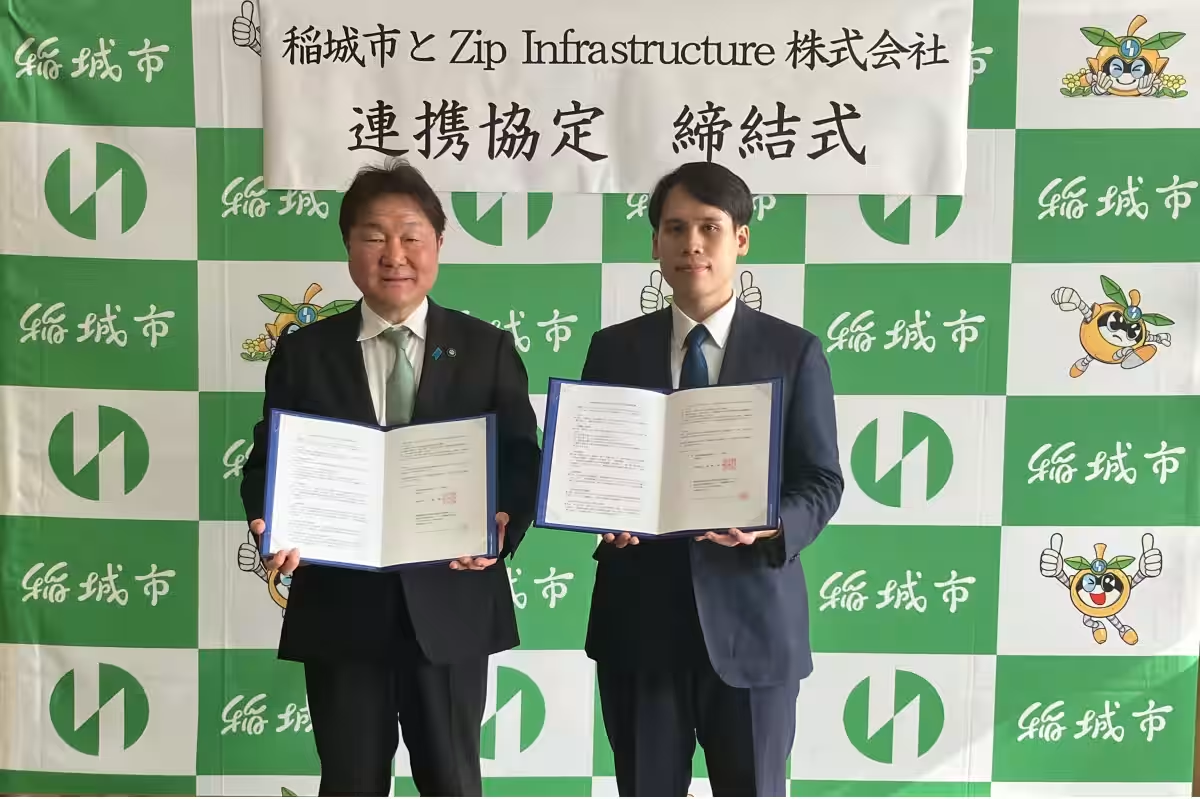
In a significant development for urban mobility, Zip Infrastructure Co., Ltd., headquartered in Minamisoma City, Fukushima, has officially signed a collaboration agreement with Inagi City, Tokyo. The deal aims to explore a new transportation system that connects the Keio Yomiuriland Station and Inagi Station to the proposed Negatoyato Park and TOKYO GIANTSTOWN. This initiative demonstrates a collective effort toward modernizing transportation infrastructure and enhancing urban living standards.
Introduction of the Agreement
The collaboration agreement was welcomed with enthusiasm by Inagi City’s Mayor, Katsuhiko Takahashi. In a recent statement, he expressed his delight in partnering with Zip Infrastructure, emphasizing the importance of innovation in public transport for urban development. On October 20, 2025, he plans to visit the Zippar test line in Fukushima to witness the potential of this new transportation system firsthand.
Mayor Takahashi indicated that through this partnership, Inagi City aims to transform into a more liveable and attractive urban environment, thereby enhancing the quality of life for its residents. The fundamental goal is to create a seamless and efficient transportation network that aligns with the city's growth and the needs of its community.
Zip Infrastructure's Approach
The COO of Zip Infrastructure, LeBonkin Mario Ian Carlos Ferido, remarked on the significance of this agreement, noting that it marks the first such partnership with a municipality in Tokyo. He conveyed confidence in the ability of Zippar, the company’s innovative transport solution, to make substantial contributions to Inagi’s urban landscape.
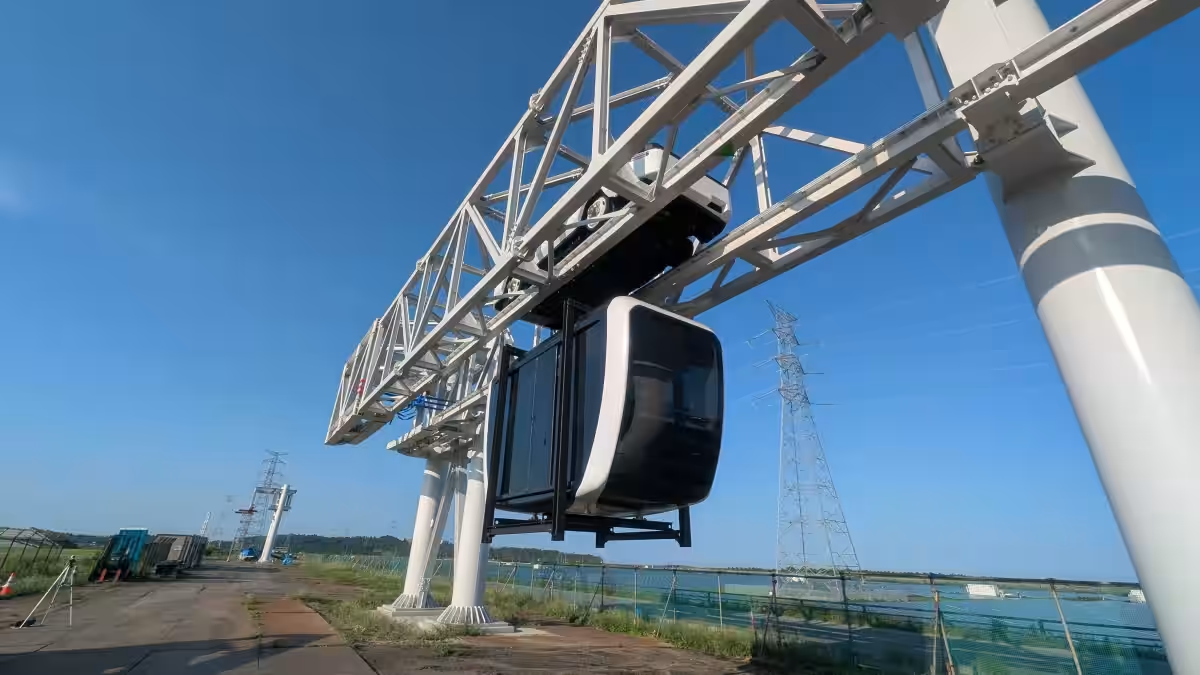
Zippar is an advanced transportation system characterized by three main features: low cost, flexible design, and autonomous operation. This new system can accommodate transportation volumes comparable to conventional monorails but is built at a fraction of the cost and time, approximately one-fifth. Furthermore, the design incorporates both a battery and motor within the vehicle body, enabling it to operate autonomously. Straight sections utilize a cable system, while curves are navigated via continuous rails, allowing for efficient travel across varying terrains.
As urban areas continue to expand and evolve, smart transport solutions like Zippar are essential in addressing challenges associated with city mobility. By partnering with municipalities, Zip Infrastructure aims to broaden the scope of its services, ultimately contributing to the development of vibrant and interconnected communities.
Conclusion
This collaboration between Zip Infrastructure and Inagi City sets the stage for a pioneering approach to urban transportation. With the ongoing exploration of the Zippar system, both parties are optimistic about the positive impact it will have on the community, marking a new chapter in the future of public transportation in Japan. As cities worldwide seek sustainable and efficient transport solutions, the lessons learned from this initiative could serve as a model for other urban developments.
Topics Consumer Products & Retail)
【About Using Articles】
You can freely use the title and article content by linking to the page where the article is posted.
※ Images cannot be used.
【About Links】
Links are free to use.