



New Insights Into Restaurant Selection Methods Revealed by 2026 Survey
Insights from the 2026 Restaurant Selection Survey
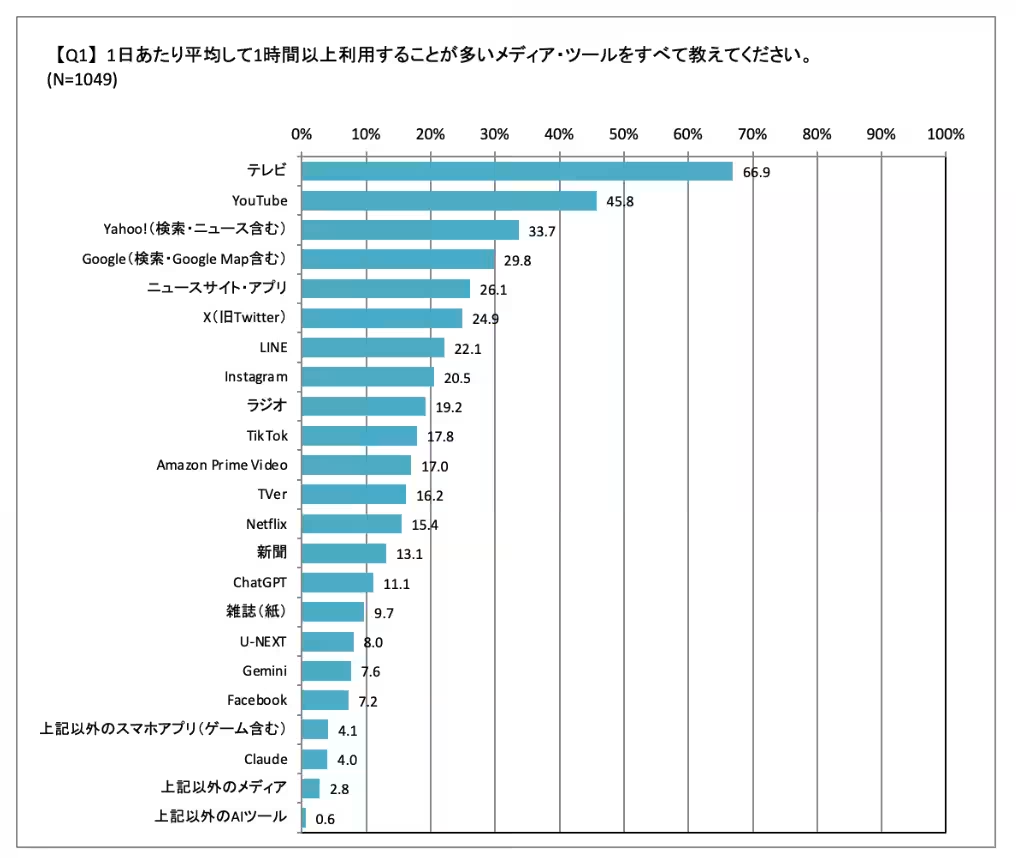
COLLINS Inc., based in Setagaya, Tokyo, published fascinating results from a recent survey focusing on how diners select restaurants in 2026. This study, which involved responses from 1,049 participants in Japan who dine out at least once every three months, sheds light on the engagement of digital tools, including AI like ChatGPT, in the restaurant selection process.
The survey's primary aim was to understand consumer behavior in choosing, researching, and reserving dining places. In addition to traditional media like television, the study highlighted the growing importance of platforms such as Google Maps, gourmet websites, social media, and AI tools. This comprehensive analysis underscores the need for restaurants to diversify their marketing efforts across multiple channels, rather than relying on a single source.
Survey Overview
- - Conducting Company: COLLINS Inc.
- - Survey Period: January 7, 2026 – January 14, 2026
- - Survey Name: Restaurant Selection Survey 2026
- - Valid Responses: 1,049 nationwide respondents aged 20 to 60.
- - Methodology: Online survey using Surveroid.
- - Question Categories: 10
Key Findings
1. Diverse Media Usage
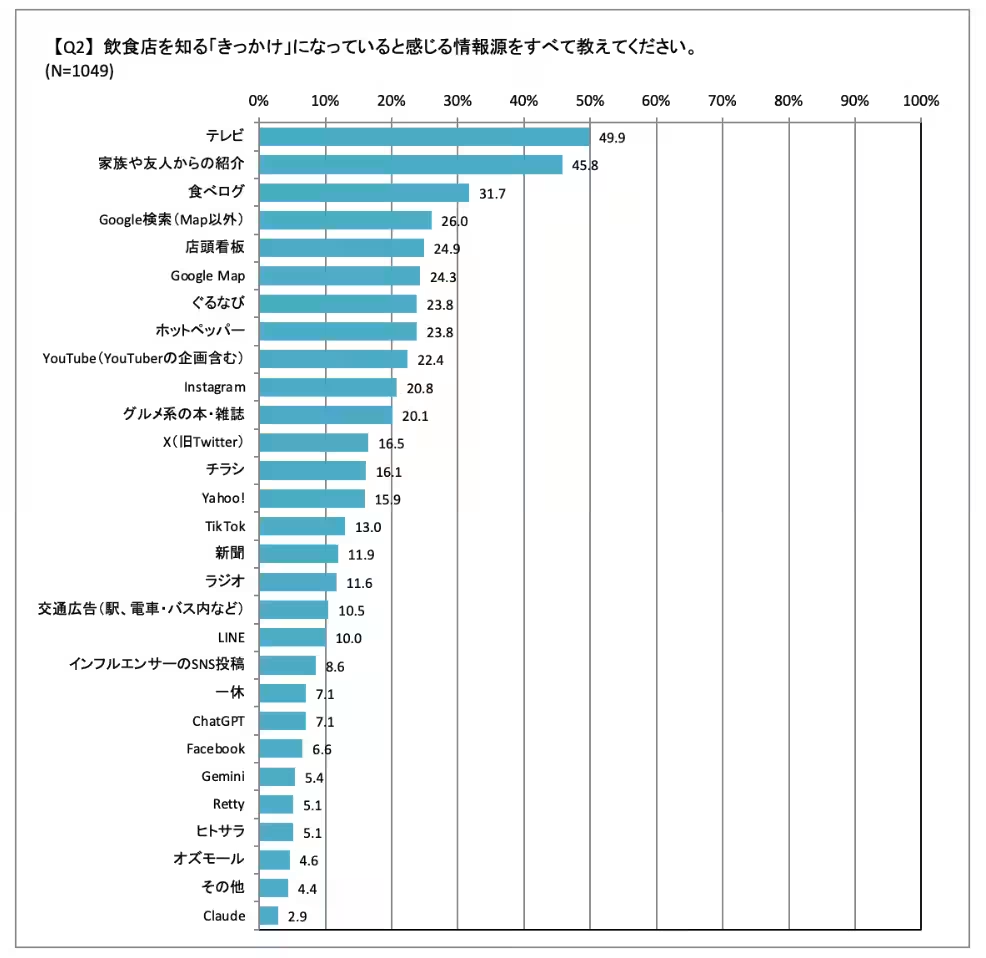
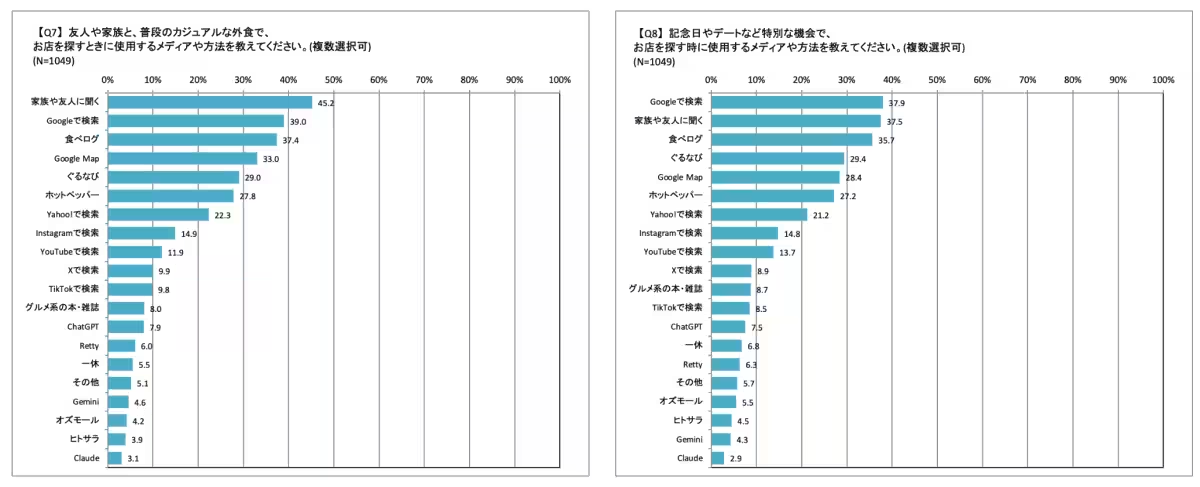
Participants reported using an average of 4.24 different media to discover restaurants, including recommendations from family and friends, which significantly influence brand awareness.
2. AI's Role
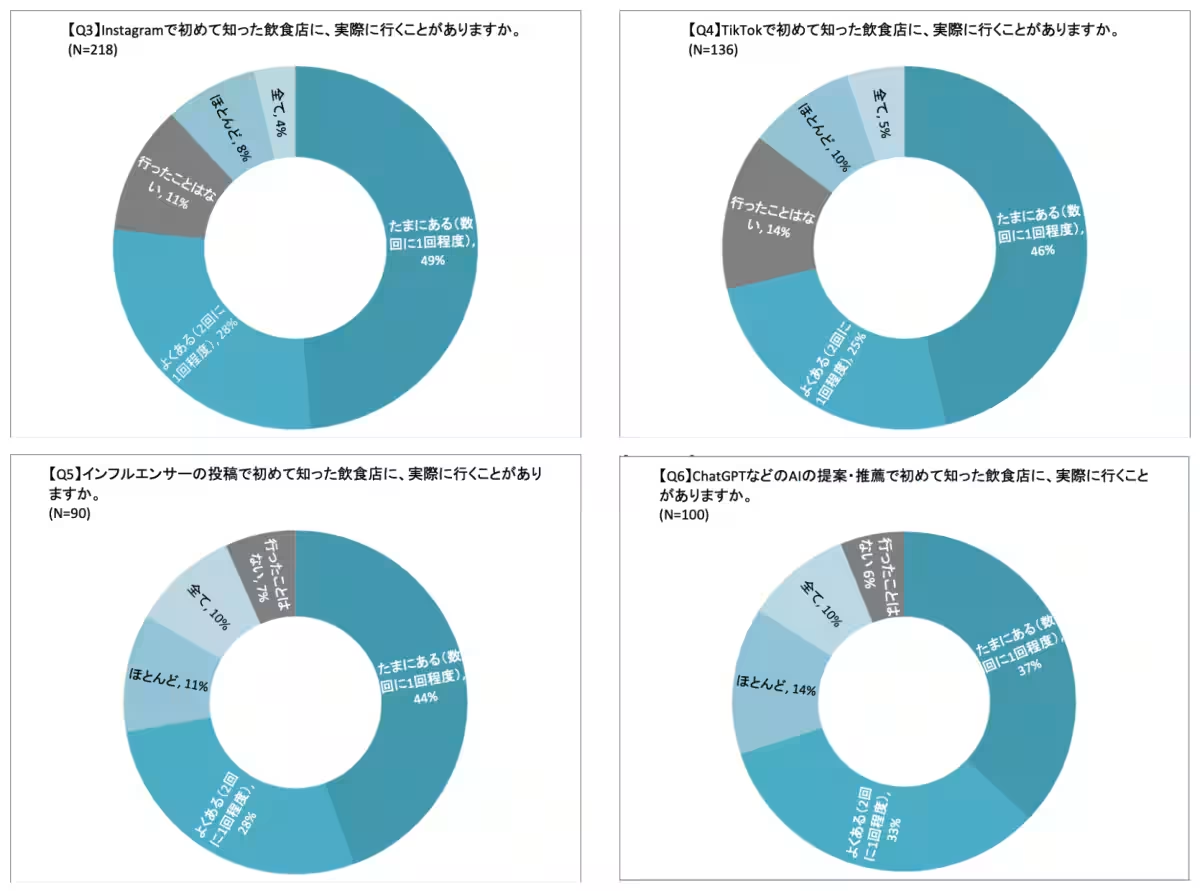
AI tools like ChatGPT emerged as a new trend in restaurant discovery, with over 10% of respondents saying they learned about restaurants through such platforms. Interestingly, AI suggestions notably led to higher visit rates compared to recommendations from influencers or social media.
3. Searching for Restaurants
When participants explored dining options, they indicated significant use of established culinary sites such as Tabelog and Gurunabi, particularly in casual dining scenarios. Google Maps also played a crucial role, emphasizing the importance of facilitation in user experience.
4. Interest and Inquiry
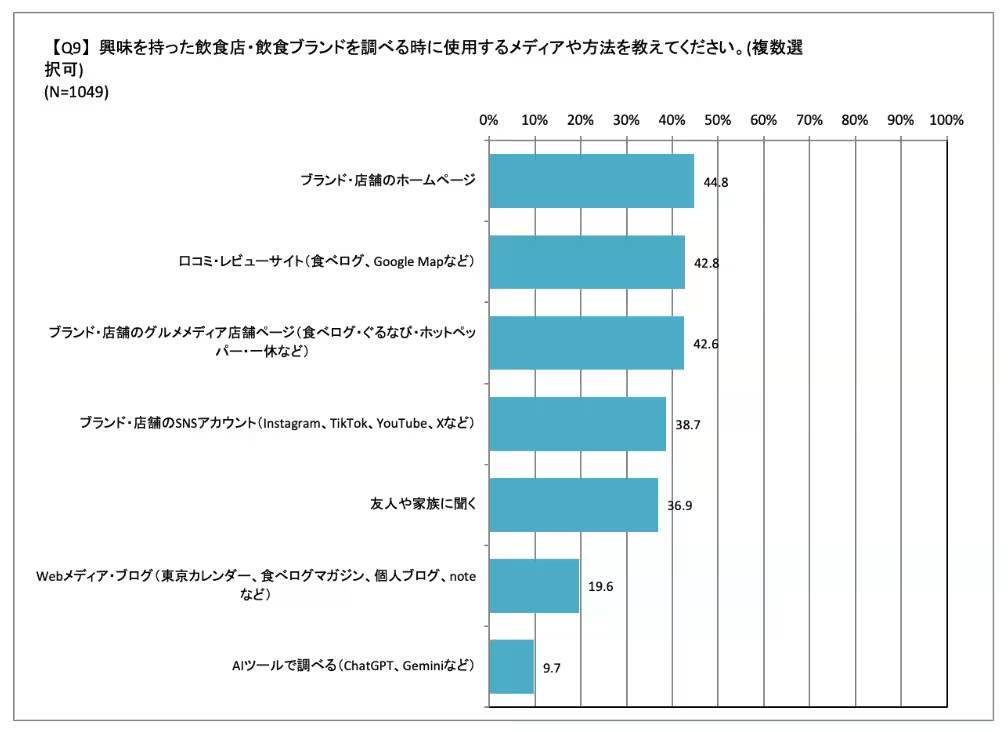
The study found that the methods people used to research potential dining venues are varied, reinforcing the necessity for restaurants to ensure visibility across different platforms, leveraging both user reviews and social media feedback.
5. Reservation Trends
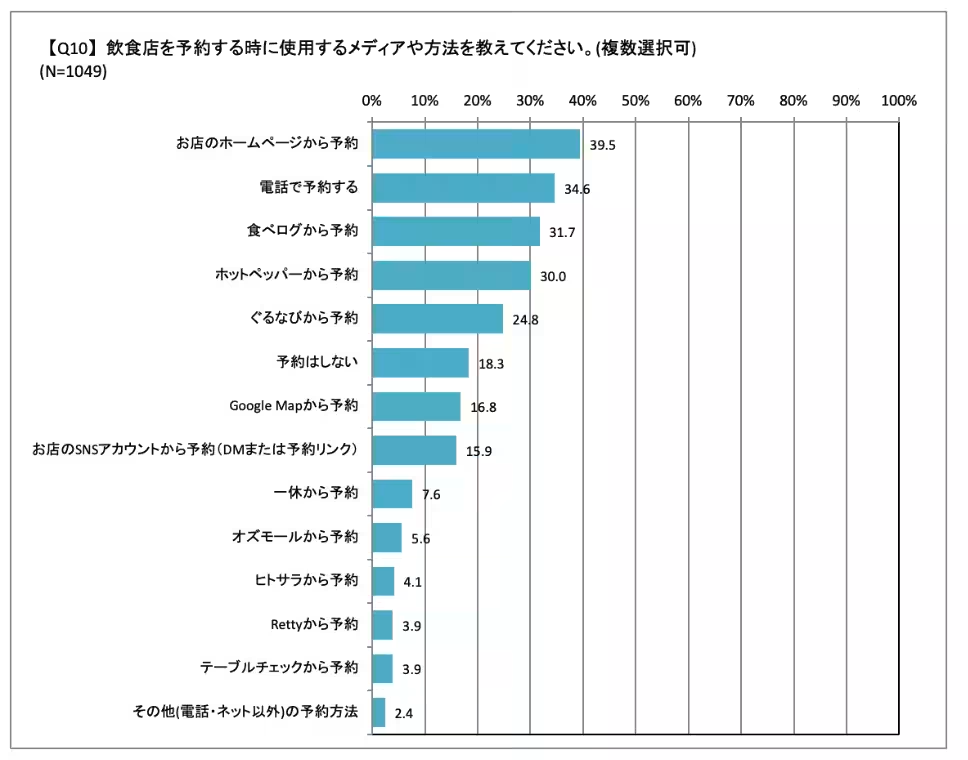
For booking restaurants, a significant number of participants preferred using the restaurant’s website directly over other methods, indicating a high level of trust in brand-owned platforms.
Conclusion
The findings suggest that to effectively attract customers, restaurants should not depend solely on a singular marketing channel. Instead, utilizing an array of media outlets and ensuring high-quality, accessible information catered to various consumer phases—from discovery to reservation—is paramount.
Furthermore, with AI tools increasingly being utilized for organizing and comparing restaurant data, they serve as valuable aids in the decision-making process. As users frequently engage with a variety of channels to learn about and select restaurants, brands must strategically consider how they present themselves across the dining landscape.
In summary, achieving a seamless path from awareness to reservation can significantly enhance restaurant patronage, thereby increasing brand value over time. COLLINS aims to continue refining dining experiences by focusing on comprehensive marketing strategies that resonate with consumer behavior, establishing itself as a leader in innovative dining solutions.
For further queries on cross-analysis of gender, age, or regional data, please reach out through the contact page on COLLINS’s website.
Free Resource: COLLINS Inc. has published a comprehensive marketing guide for restaurants for 2025, which is available for free download. It aims to support restaurant operators in grasping the significance of effective marketing strategies. Access the guide here.
Topics Consumer Products & Retail)
【About Using Articles】
You can freely use the title and article content by linking to the page where the article is posted.
※ Images cannot be used.
【About Links】
Links are free to use.