



Survey Reveals Over 50% Workers Discontent with Salary Expectations
Recent Survey Highlights Workers' Salary Discontent
A recent study conducted by 400F, the operator of the financial assessment service "Okaneko," revealed a troubling trend among employees regarding their salary levels. The survey targeted 283 users of Okaneko who have income from wages, aiming to gauge post-COVID worker sentiment around money and labor. The results are concerning: over 50% of respondents expressed dissatisfaction with their current salary levels.
Key Findings
The survey unearthed several critical insights:
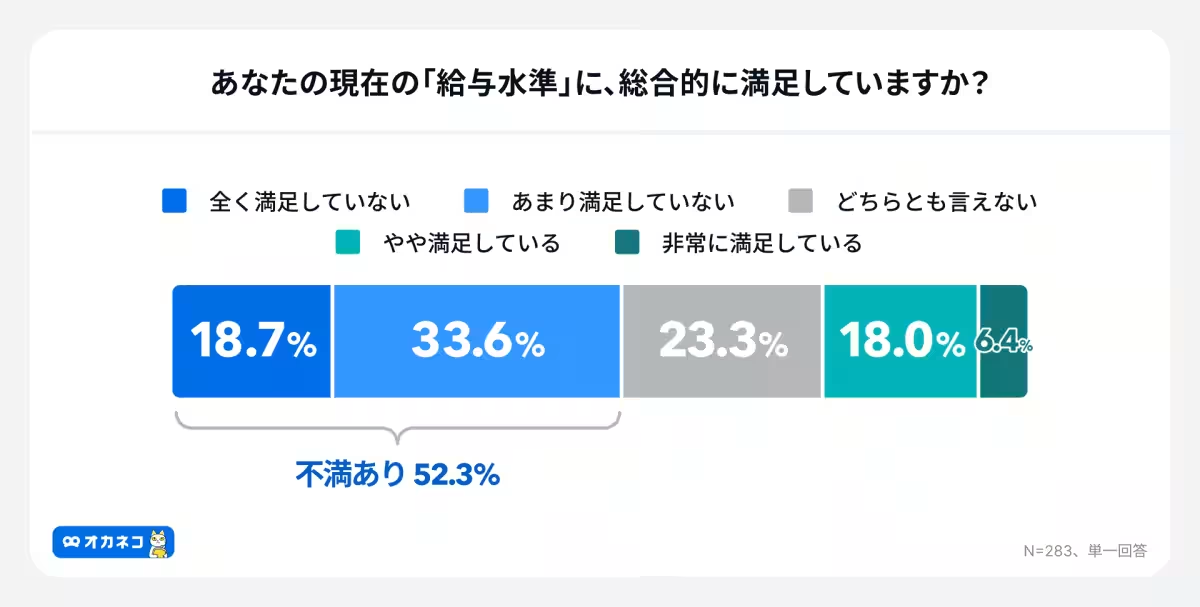
- - Salary Dissatisfaction: A staggering 52.3% of respondents indicated they are unhappy with their salary levels, with 18.7% stating they are "not at all satisfied" and 33.6% "somewhat dissatisfied." This suggests that a majority feel their compensation does not reflect their work efforts or industry standards.
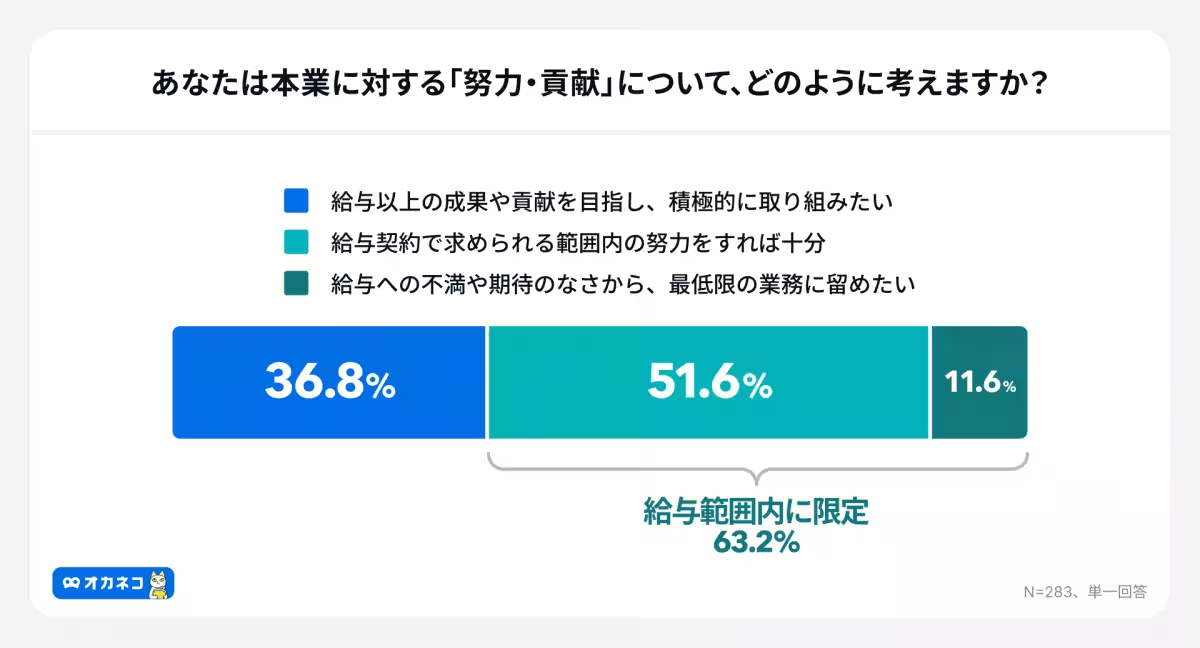
- - Limited Contributions: When asked about their contributions to work, 51.6% responded that they feel it is sufficient to limit their efforts to the range stipulated by their salary agreement. Combined with the 11.6% who expressed a desire to do only the minimum required, this means that 63.2% of workers are willing to confine their contributions to what is financially compensated. Only 36.8% aim to exceed these expectations.
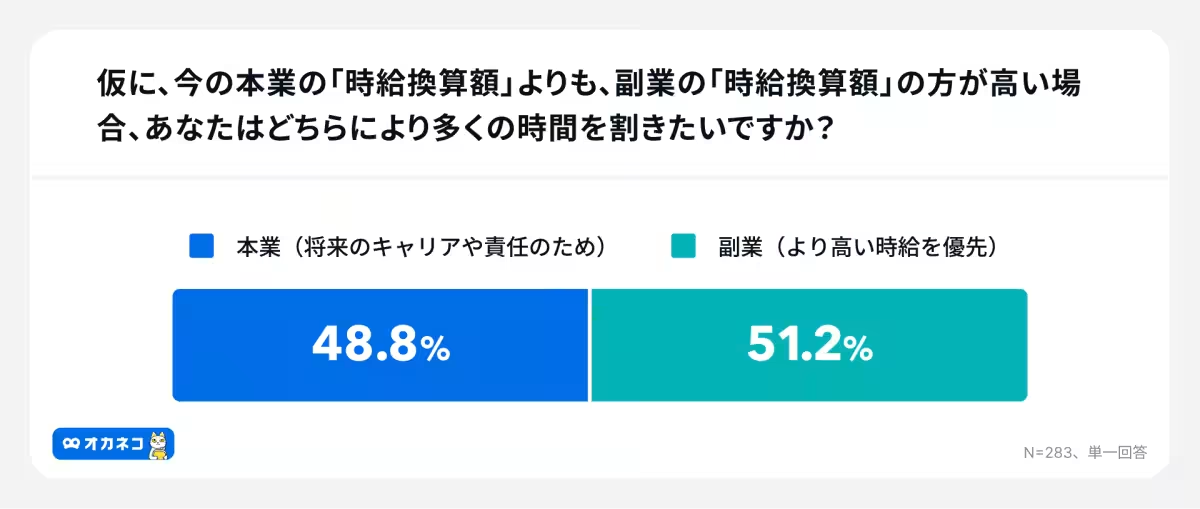
- - Prioritizing Hourly Wages Over Career Growth: The question of whether workers would prefer to invest more time in a side job with a higher hourly wage was illuminating. An equal split showed that 51.2% would choose the side job over their main employment, emphasizing a shift in focus towards immediate financial gains.
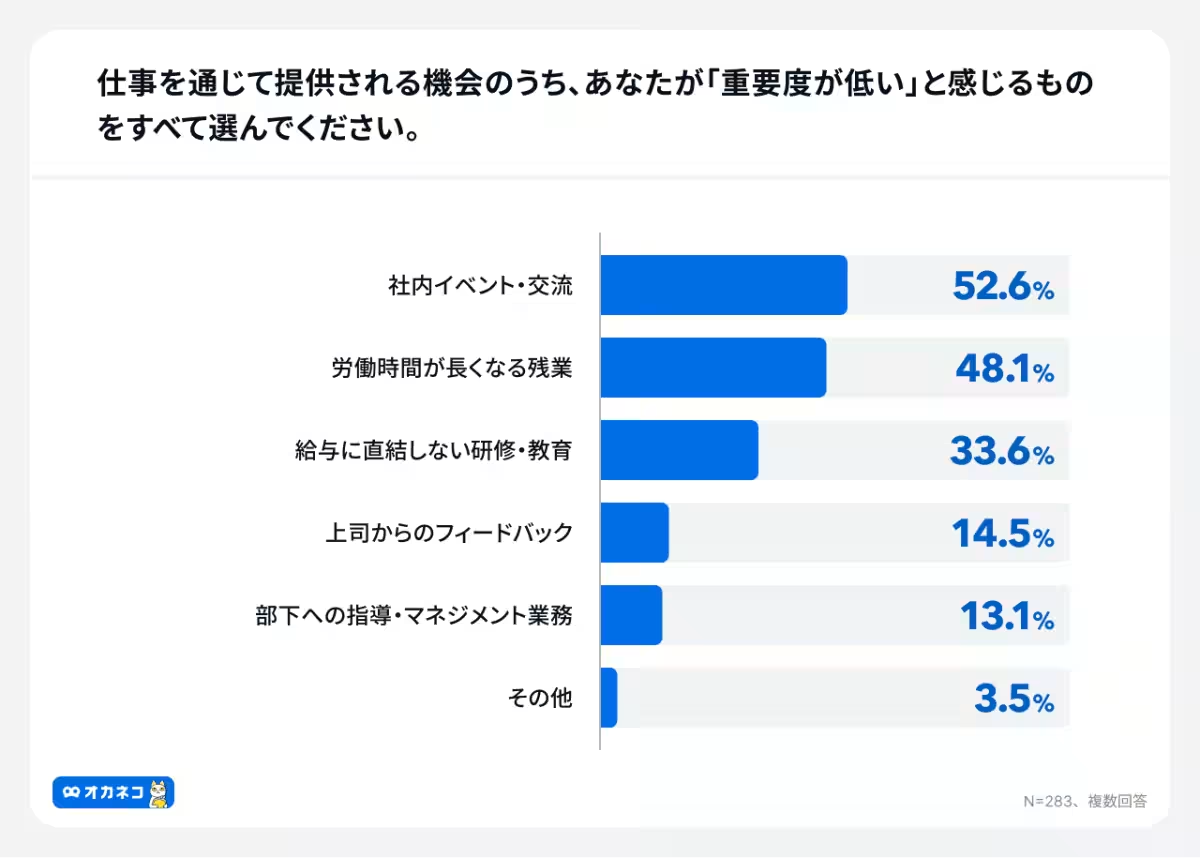
- - Valuing Time Over Events: When asked to identify less critical opportunities in the workplace, 52.6% chose corporate events and networking, and 48.1% cited extended hours as unimportant—indicating a clear tendency to avoid hours spent on activities that do not provide direct financial benefits.
Most Serious Issues Facing Workers
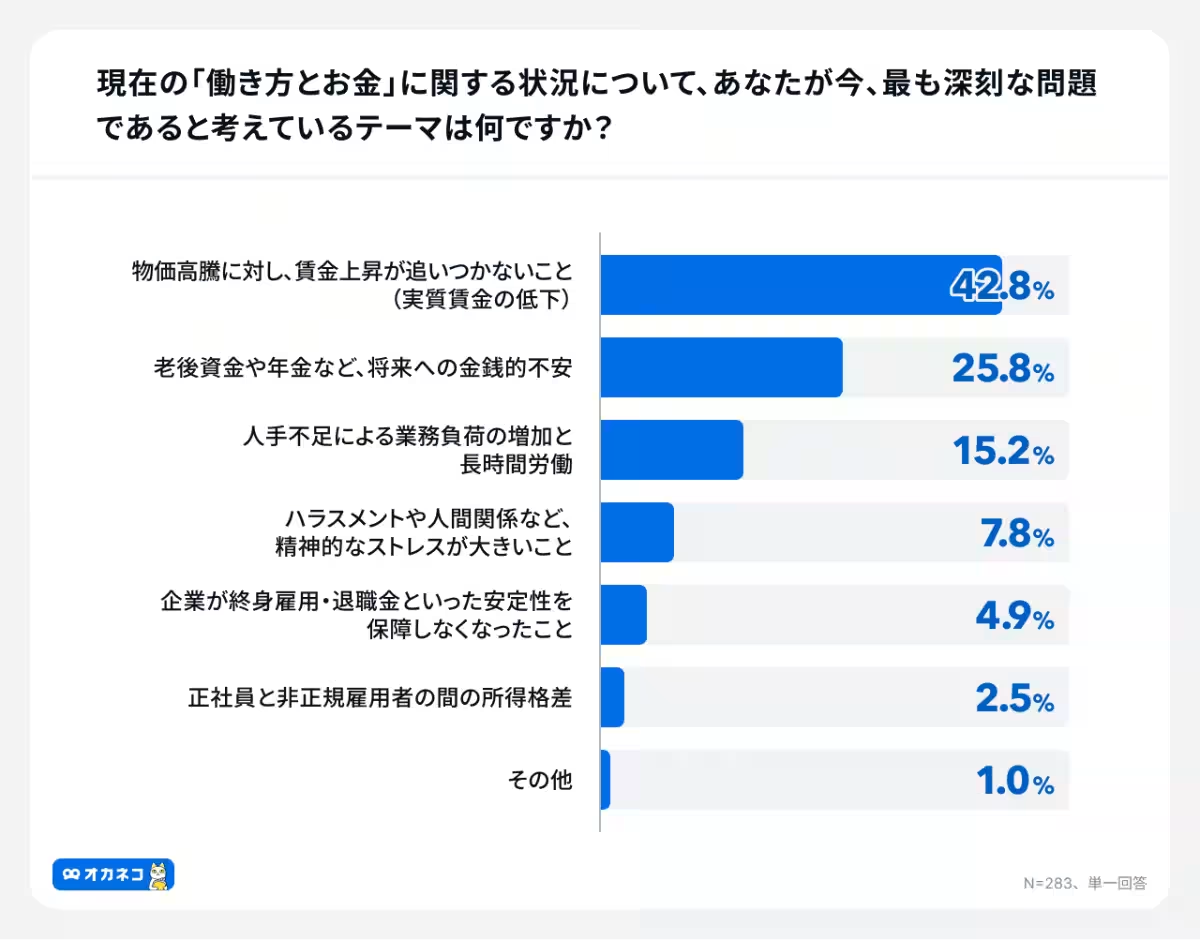
Of those surveyed, 42.8% indicated that their most pressing concern is the decline in real wages, driven by rising living costs that outpace wage increases. Other concerns highlighted were:
- - Financial Insecurity for the Future: 25.8% expressed worries about their retirement funds and pension prospects.
- - Increased Workload Due to Staff Shortages: 15.2% noted that labor shortages could exacerbate their working conditions.
Seeking Financial Stability
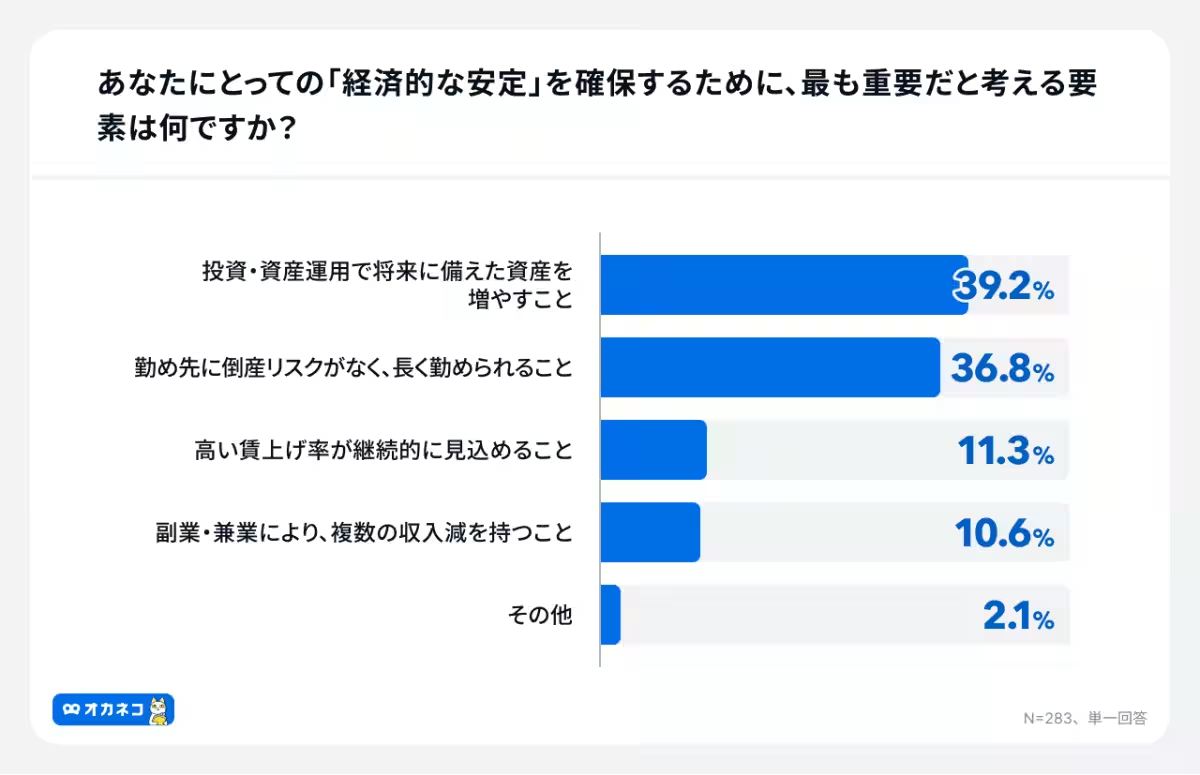
The concept of economic stability is changing among workers. The survey revealed that 39.2% believe it is essential to invest and build assets for future security, while 36.8% consider job security and the ability to stay long-term at a company vital.
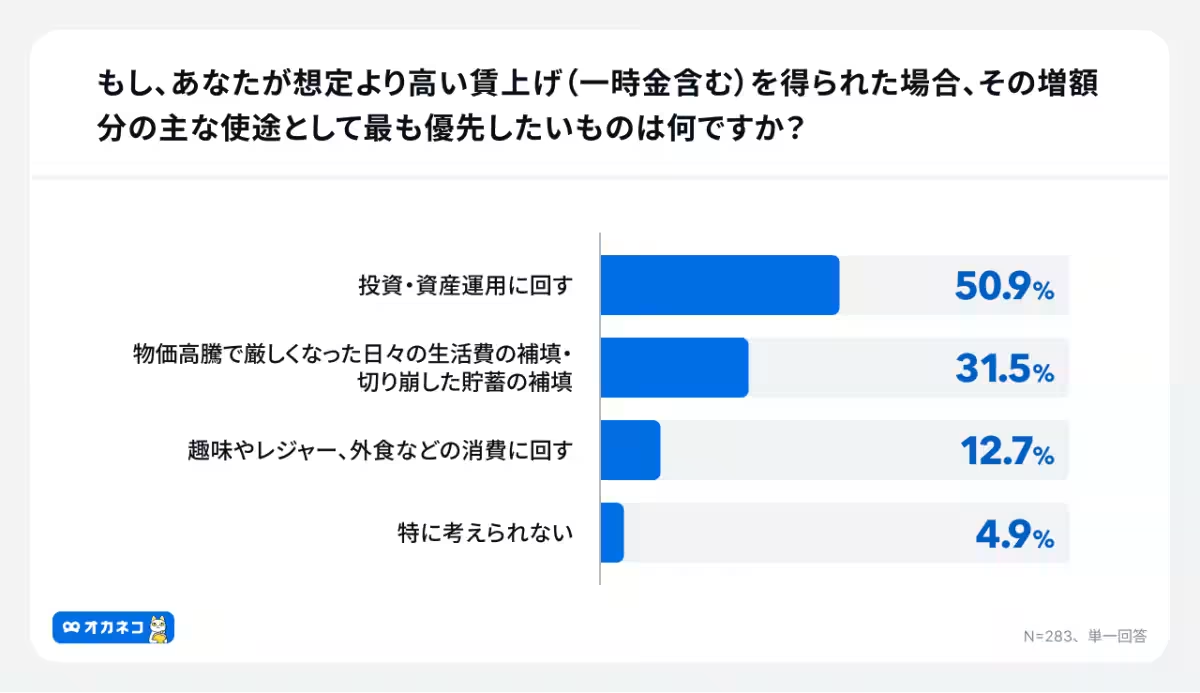
Interestingly, when asked how they would prefer to use any potential salary increase, 50.9% indicated they would invest it, rather than spend it on immediate living needs or consumption—showing a strong inclination towards asset building over current expenditures.
Implications for Businesses
This survey sheds light on the shifting attitudes of workers in today's economy. The findings encourage businesses to rethink their approach to employee satisfaction and compensation. Companies need to offer more than just traditional salary packages; they should consider providing growth opportunities and supporting employees' personal financial goals—including investing and engaging in side ventures.
Conclusion
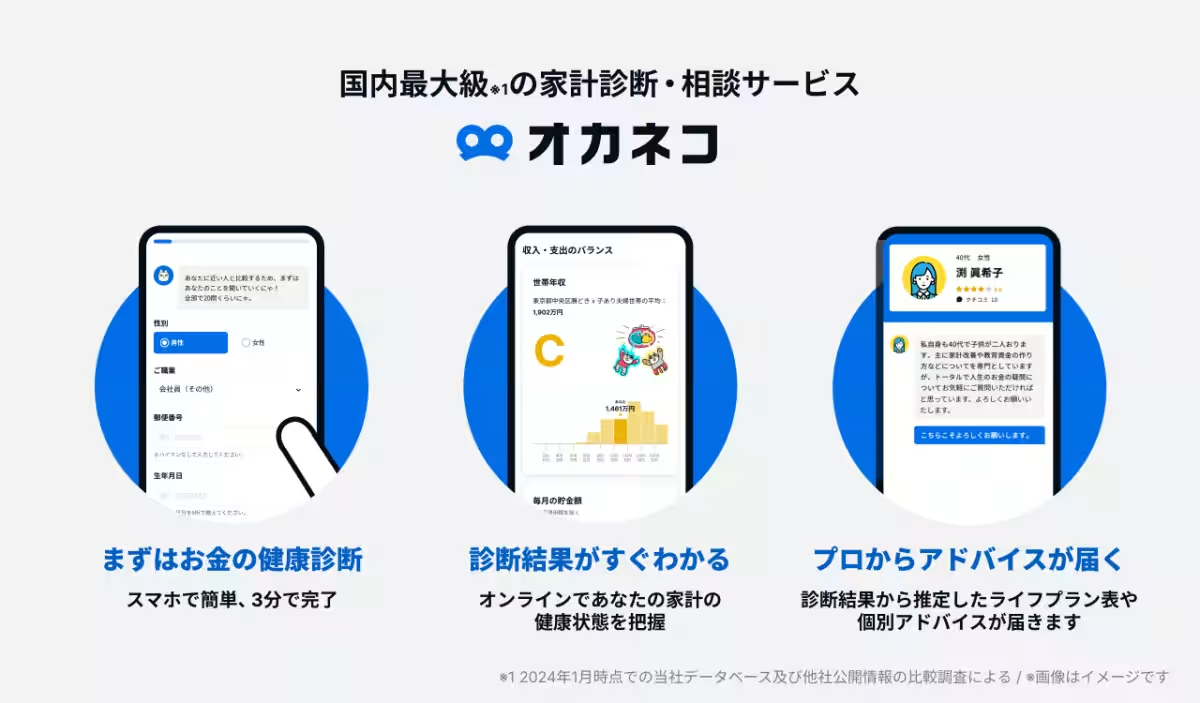
The trend towards valuing immediate compensation over long-term career growth is a telling sign of the current economic climate. The need for companies to adapt their strategies to meet these emerging priorities is more urgent than ever. Okaneko continues to provide tools and support to help individuals navigate these changes and optimize their financial futures effectively.
Survey Overview
- - Name: Okaneko Labor and Money Survey
- - Method: Web-based questionnaire
- - Period: November 15-16, 2025
- - Participants: 283 users with salary income
For more information about this study, please refer to the official Okaneko survey documentation.

Topics Business Technology)
【About Using Articles】
You can freely use the title and article content by linking to the page where the article is posted.
※ Images cannot be used.
【About Links】
Links are free to use.