



Streamlining Your Move: The Emergence of Gradual Moving Methods
Streamlining Your Move: The Emergence of Gradual Moving Methods
As the spring moving season approaches, the home organization service, Samari Pocket, conducted a survey targeting 184 individuals aged between their teens and sixties, all of whom have moved within the last three years. The survey aimed to delve into the realities and challenges surrounding moving, particularly focusing on the complexities associated with items that are not immediately needed.
The Burden of Unused Items
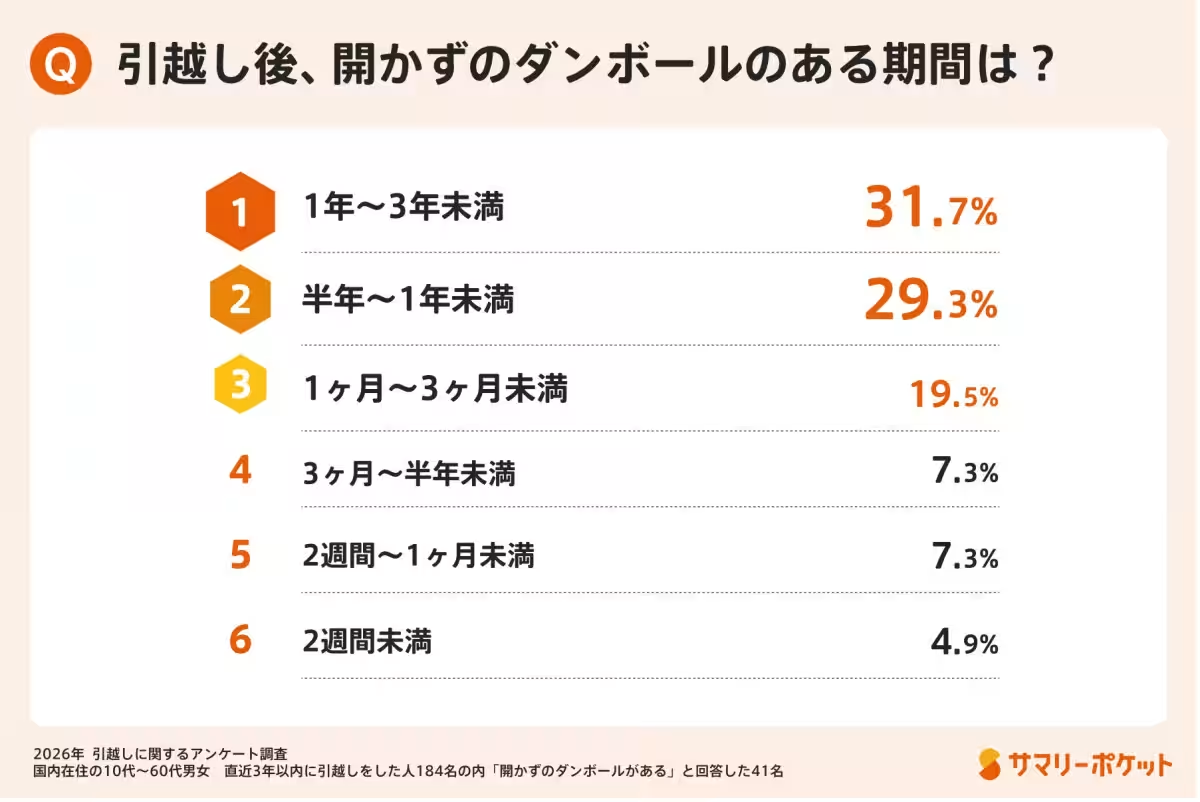
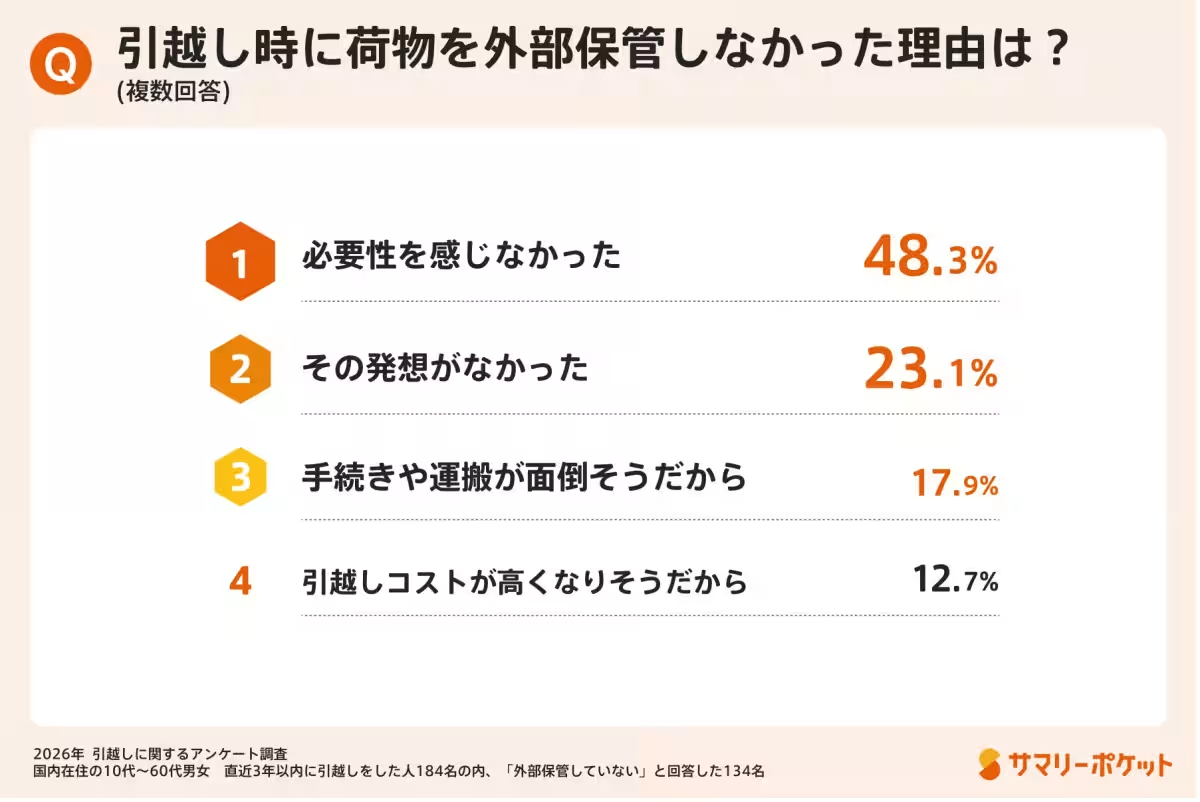
The survey results revealed a troubling statistic: more than 60% of respondents admitted to postponing the unpacking of boxes after their move, often leaving them untouched for over six months. The clutter created by cardboard boxes makes packing and unpacking a cumbersome task. Additionally, a troubling 23.1% of participants had never considered the option of taking unused items out of their homes during the moving process.
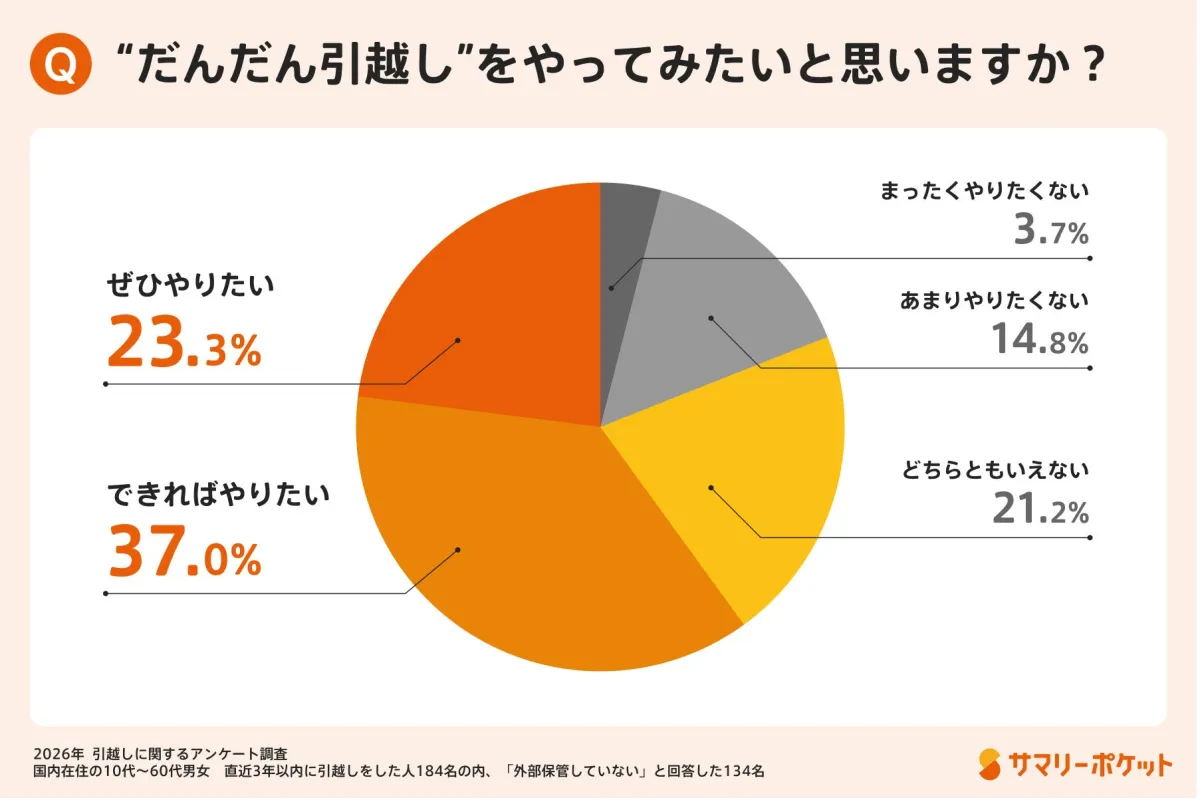
Interestingly, when asked about the willingness to adopt a more streamlined approach known as “gradual moving,” a significant 60.3% expressed positive interest in managing their belongings in this new way. This method encourages individuals to gradually remove items that they do not immediately need, effectively reducing the burden of both packing and unpacking.
Insights from the Survey
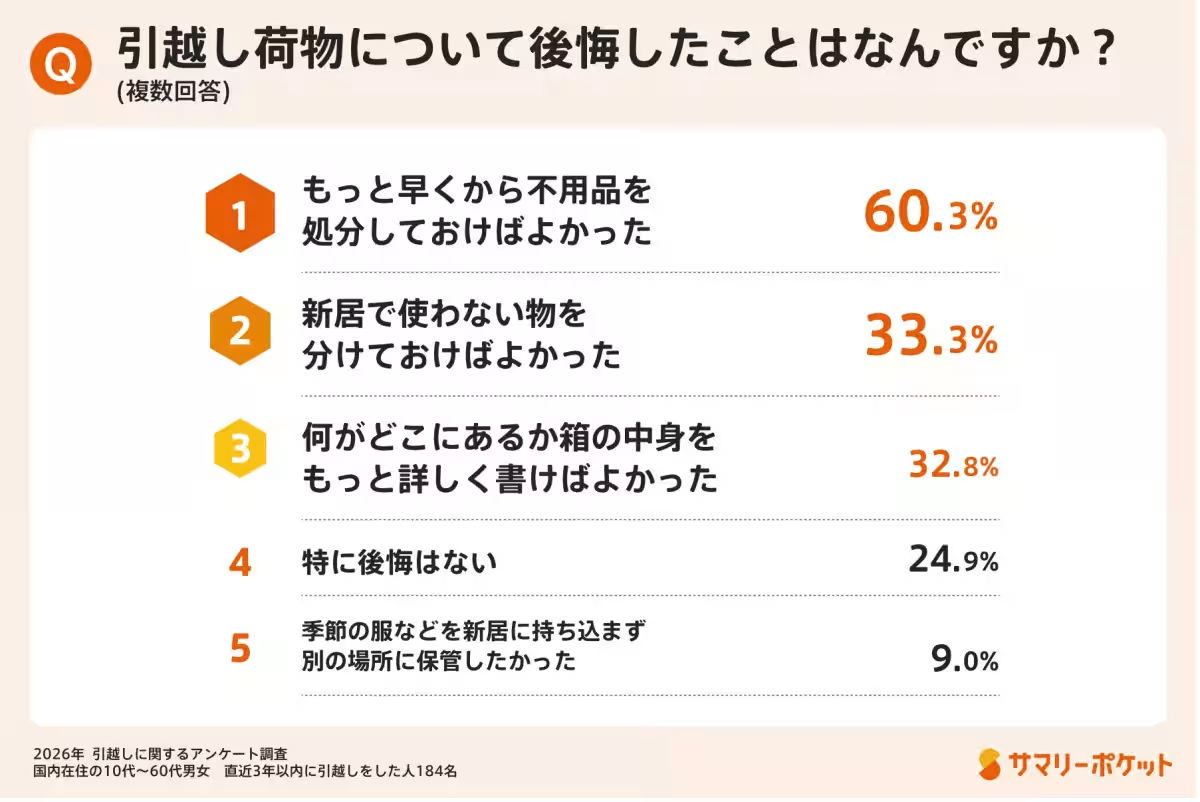
Among the regrets felt post-move, the most common one (60.3%) was the mismanagement of unwanted items before the relocation, emphasizing the importance of early sorting and decision-making on various belongings. Notably, 43.4% spent excess time searching for misplaced items after the move, and about one-fifth even admitted to repurchasing necessary items, indicating that poor planning can lead to both time loss and unwanted expenses.
Unopened Boxes: A Lingering Problem
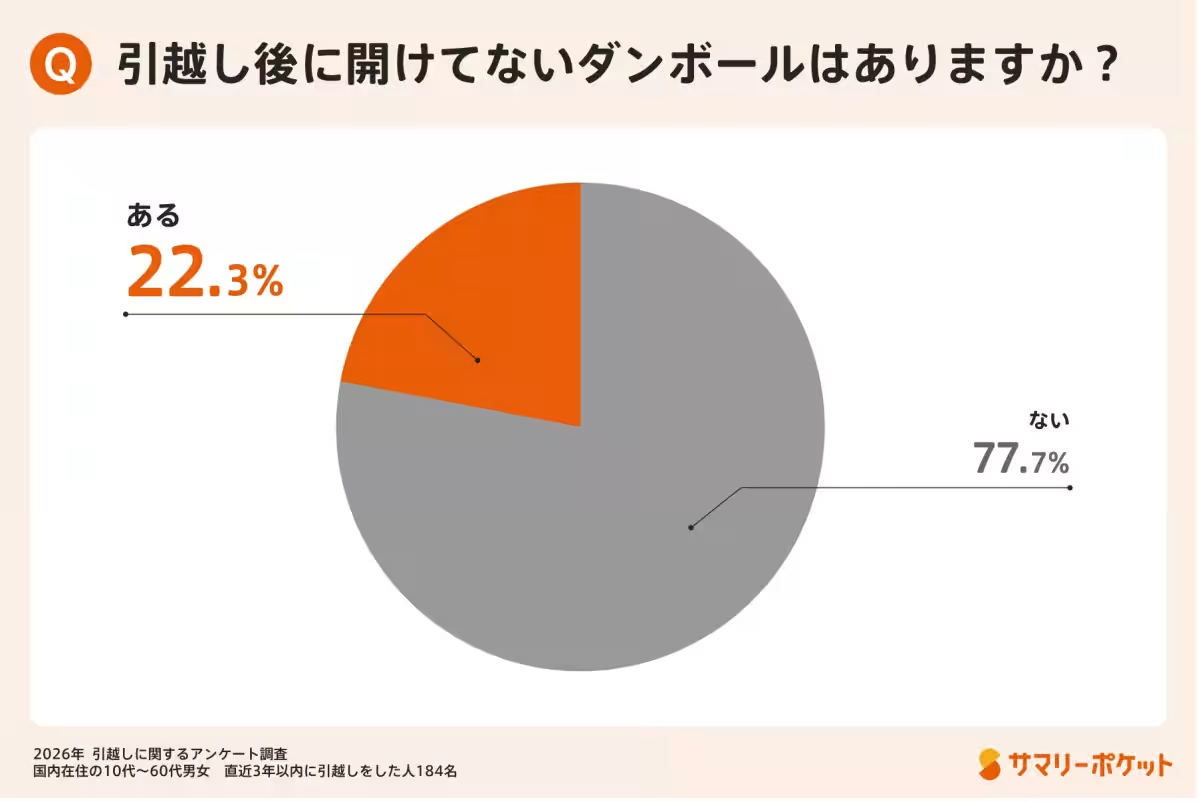
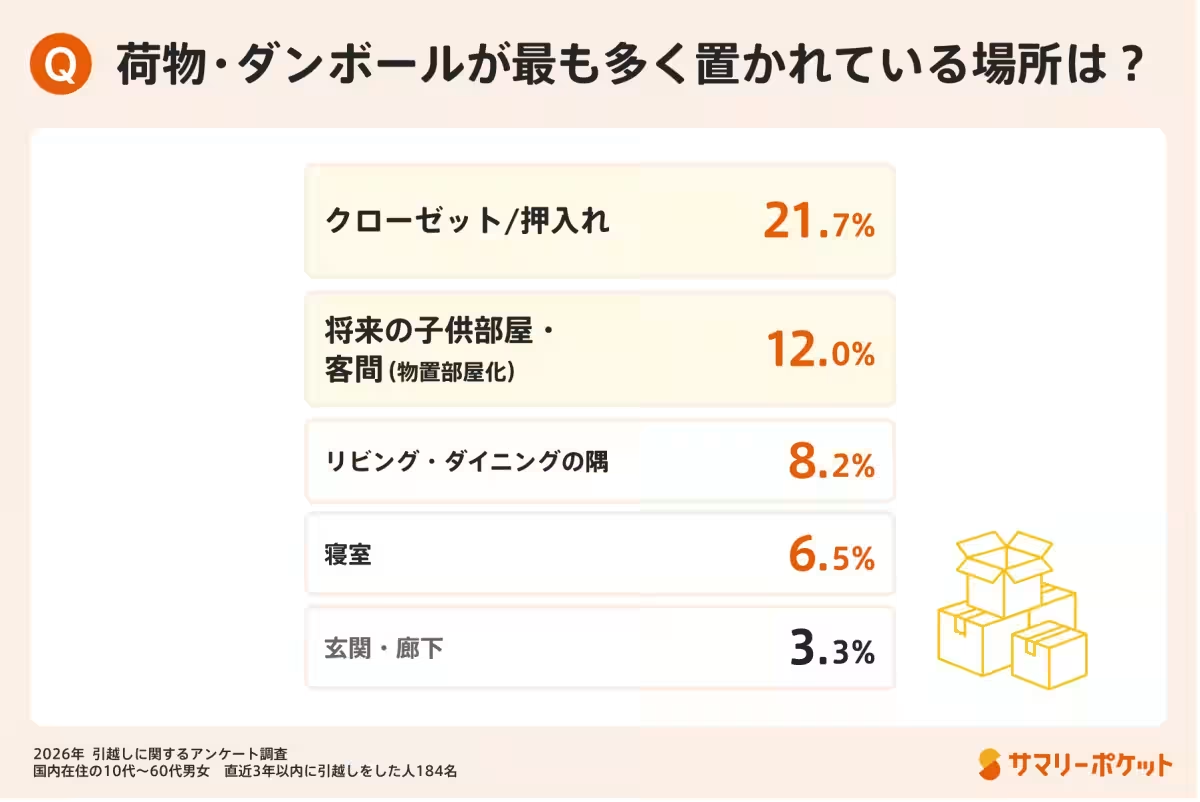
While the data suggests that only about 22.3% reported having unopened boxes post-move, the longer these boxes remain unopened, the greater the chance they will create ongoing clutter in living spaces. Many reported that items ended up in places where they were out of sight, thus complicating future organization.
The Key to Effective Moving
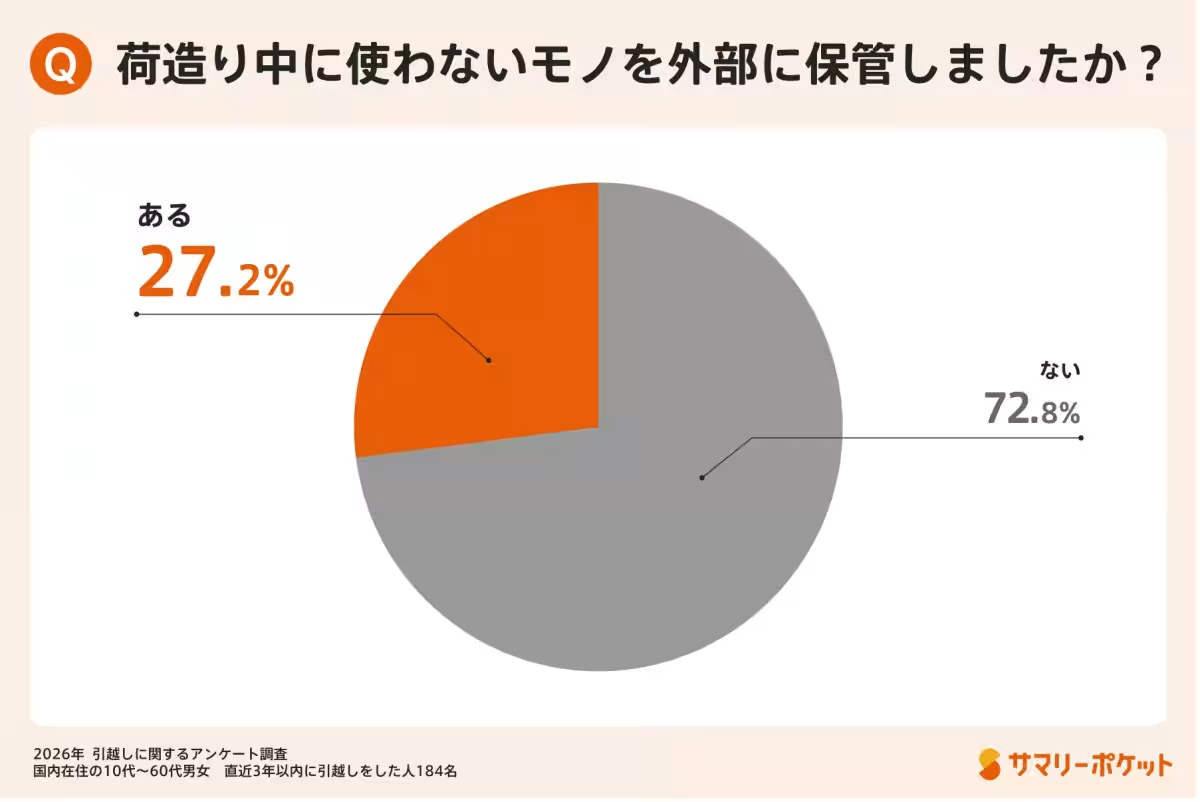
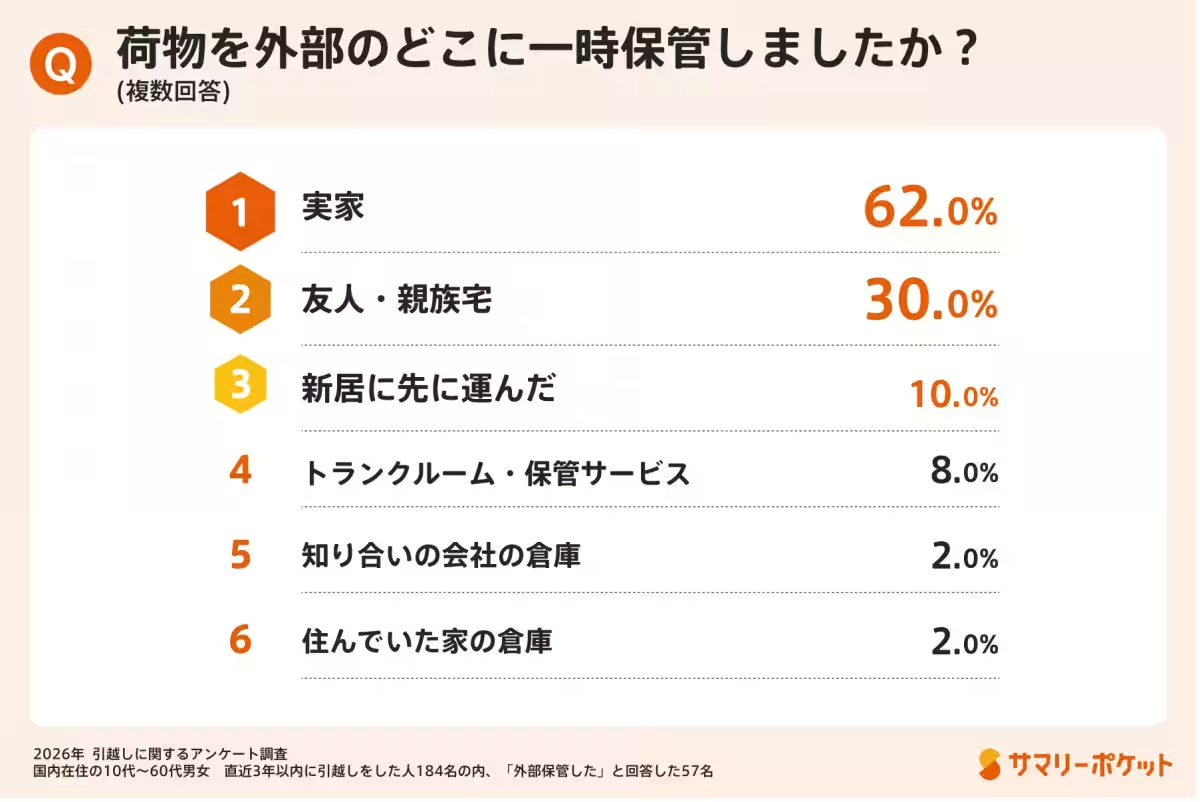
Adopting a mindset that separates items into immediate needs and those that can wait is essential to alleviating some of the pressure during the moving prep phase. Surprisingly, only a third of respondents had moved items outside their home, with the majority opting to keep everything indoors. Those who did manage to relocate items found their parents' homes or friends’ places as their most common interim storage solutions.
Despite the ease of using external storage, such as family and friends’ homes, many respondents voiced concerns over the added logistics that accompany these arrangements, including transportation and scheduling challenges.
Encouraging Gradual Moving Methods
The survey results illustrate a clear interest among participants in adopting a gradual moving strategy. 60.3% indicated a willingness to consider this more manageable approach, particularly among those who experienced the frustration of live clutter after moving. Respondents expressed a desire for more information about this method, noting regrets about not discovering it sooner.
Gradual moving means removing unnecessary items before the big day rather than cramming everything into one chaotic loading session. The idea emphasizes a deliberate and orderly approach to move, which significantly reduces the rush and confusion on the day of moving.
Conclusion: How to Adopt Gradual Moving
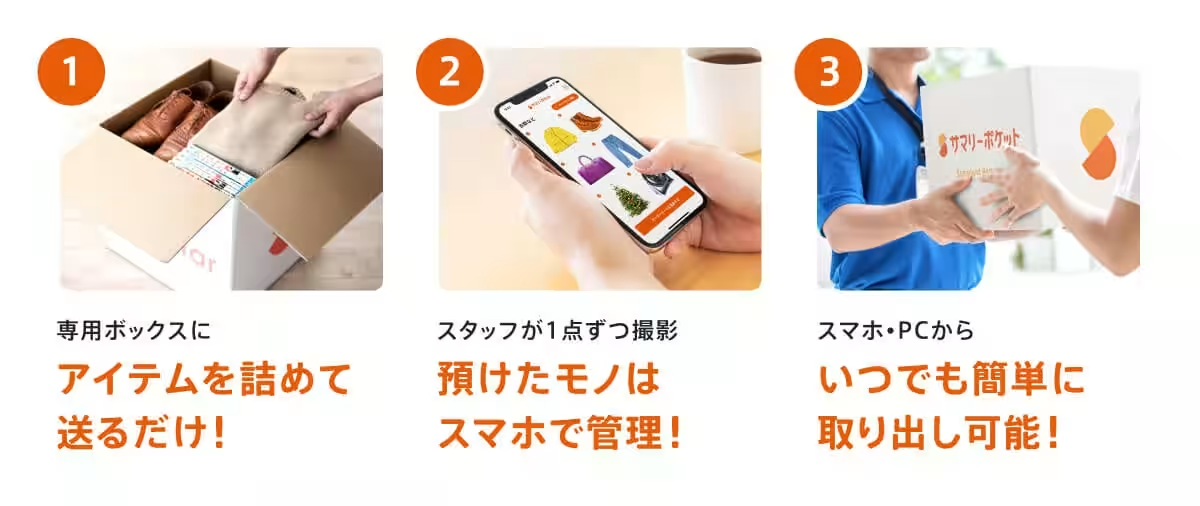
To facilitate a smoother transition and avoid the usual chaos associated with moving, investing some time in a gradual method can create a lot of space and ease stress. Samari Pocket, a leading external storage service, offers solutions to effectively manage the organization of one’s items during this transition period. Its innovative service allows users to send belongings in specially designed boxes, instantly tracking their items via a smartphone app – enabling a worry-free moving process from start to finish.
With the right organization and a slight change in strategy towards how we manage our moving preparations, we can turn what is often considered a dreadfully stressful task into a much more manageable, and even enjoyable experience. Embracing the gradual move can mean the difference between a cluttered space and a fresh start in your new environment.
Topics Consumer Products & Retail)
【About Using Articles】
You can freely use the title and article content by linking to the page where the article is posted.
※ Images cannot be used.
【About Links】
Links are free to use.