



The Value of Speaking Your Own English in the AI Translation Era: Insights from Native Camp's Research
The Evolving Importance of Personal Communication in an AI-Driven World
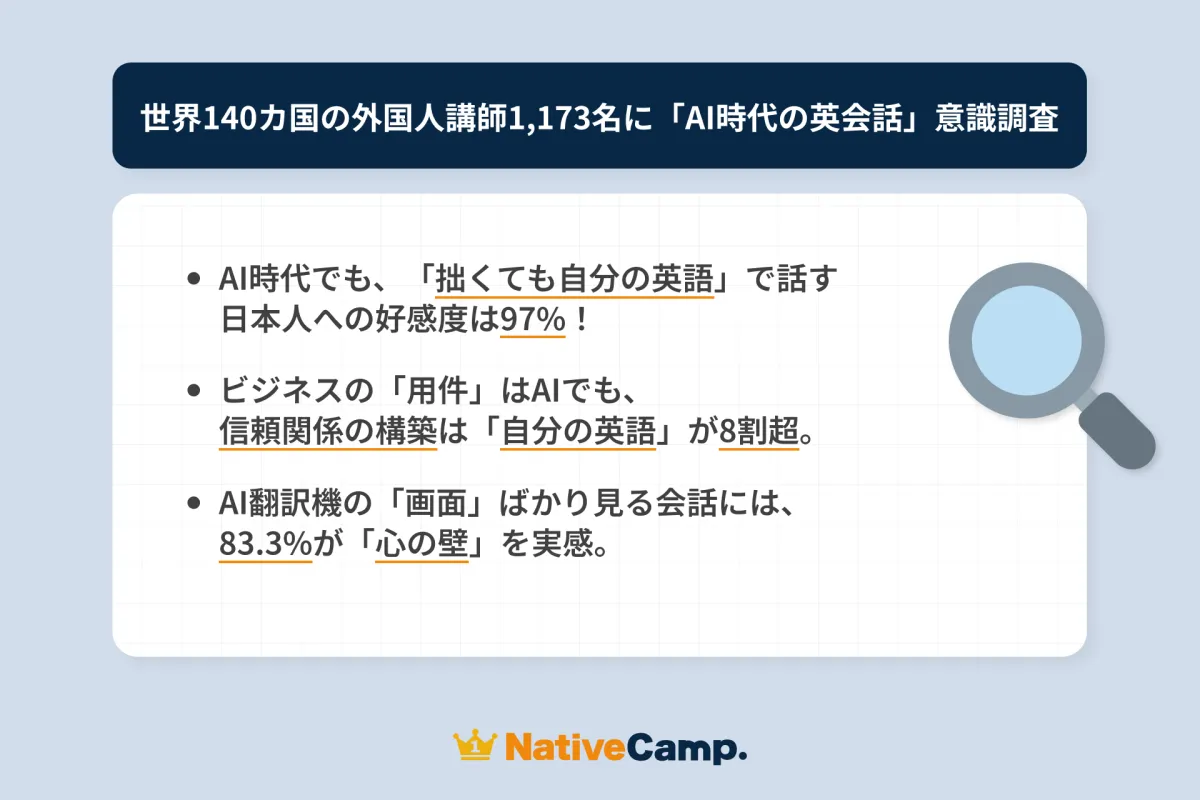
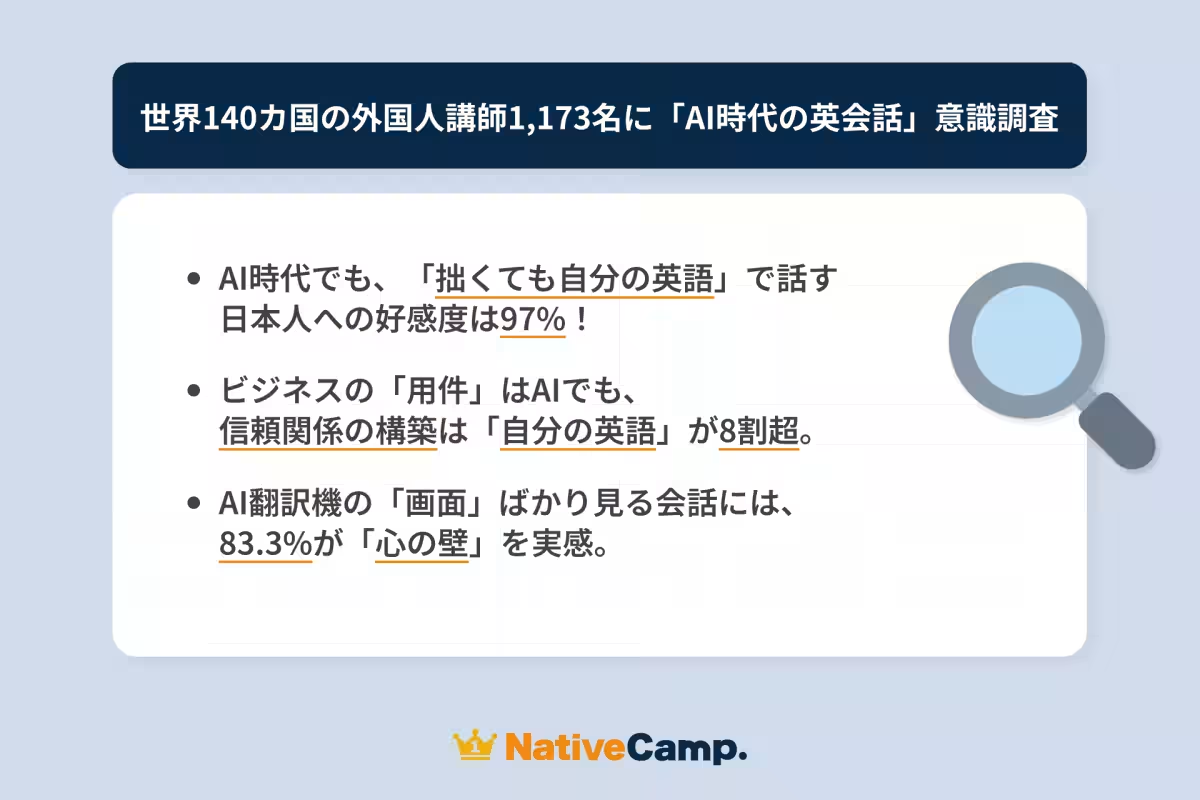
In a recent survey conducted by Native Camp, an online English conversation platform, findings revealed that an overwhelming 97% of foreign instructors from 140 countries appreciate when Japanese speakers try to communicate in their own English, even if their grammar is not perfect. This study, which included responses from 1,173 instructors between May 21 and May 25, sought to explore the significance of learning English in an age characterized by AI translation and conversation tools.
Survey Insights
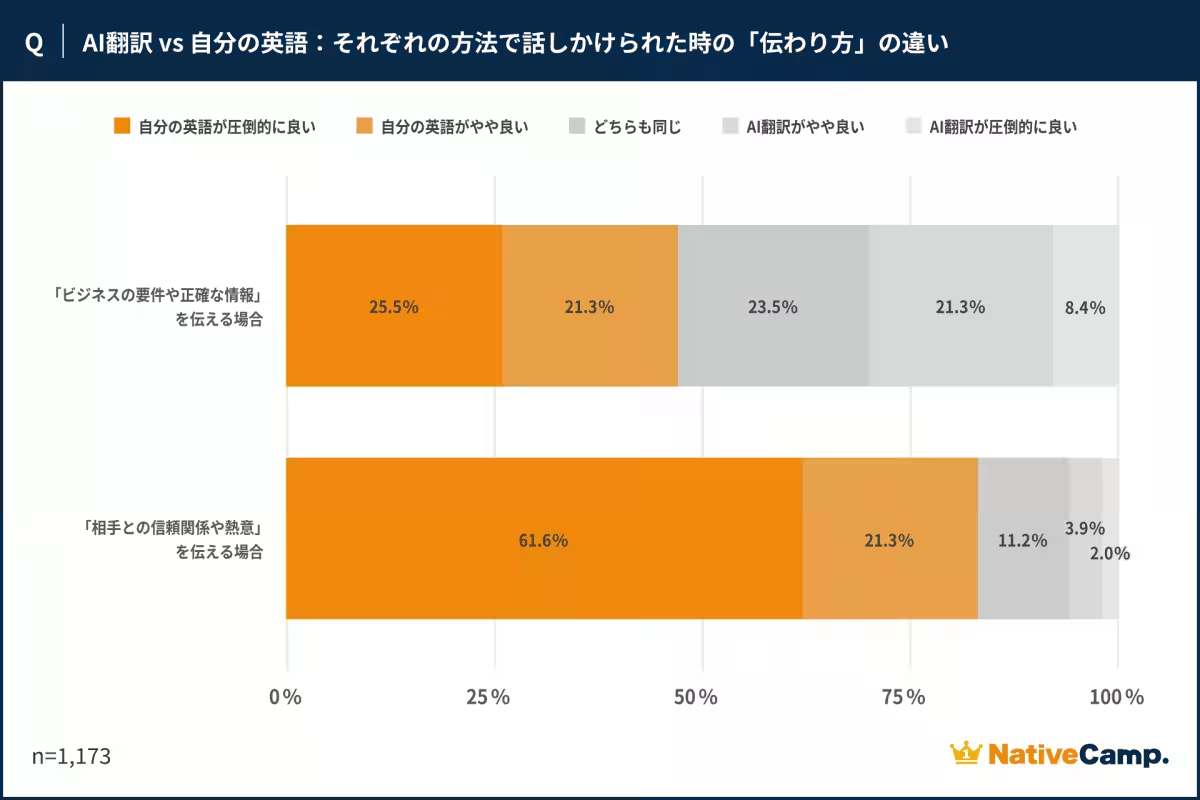
The results of this survey underscored a profound truth: while AI translation applications can communicate messages clearly, they lack the human touch necessary to build strong relationships. A substantial 83% of respondents expressed that they prefer communication through personal words, especially in scenarios aimed at establishing trust or conveying enthusiasm. This indicates that, in the realm of human connection, personal expression holds more value than merely relaying correct information.
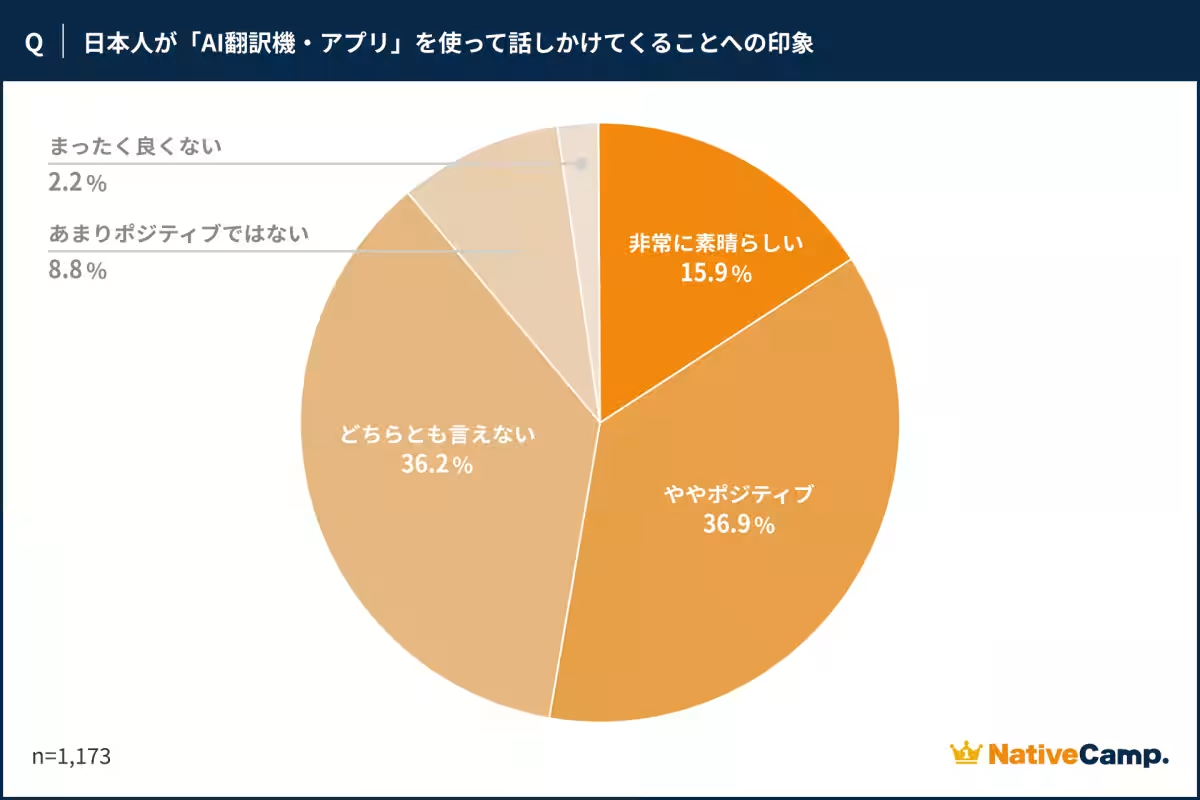
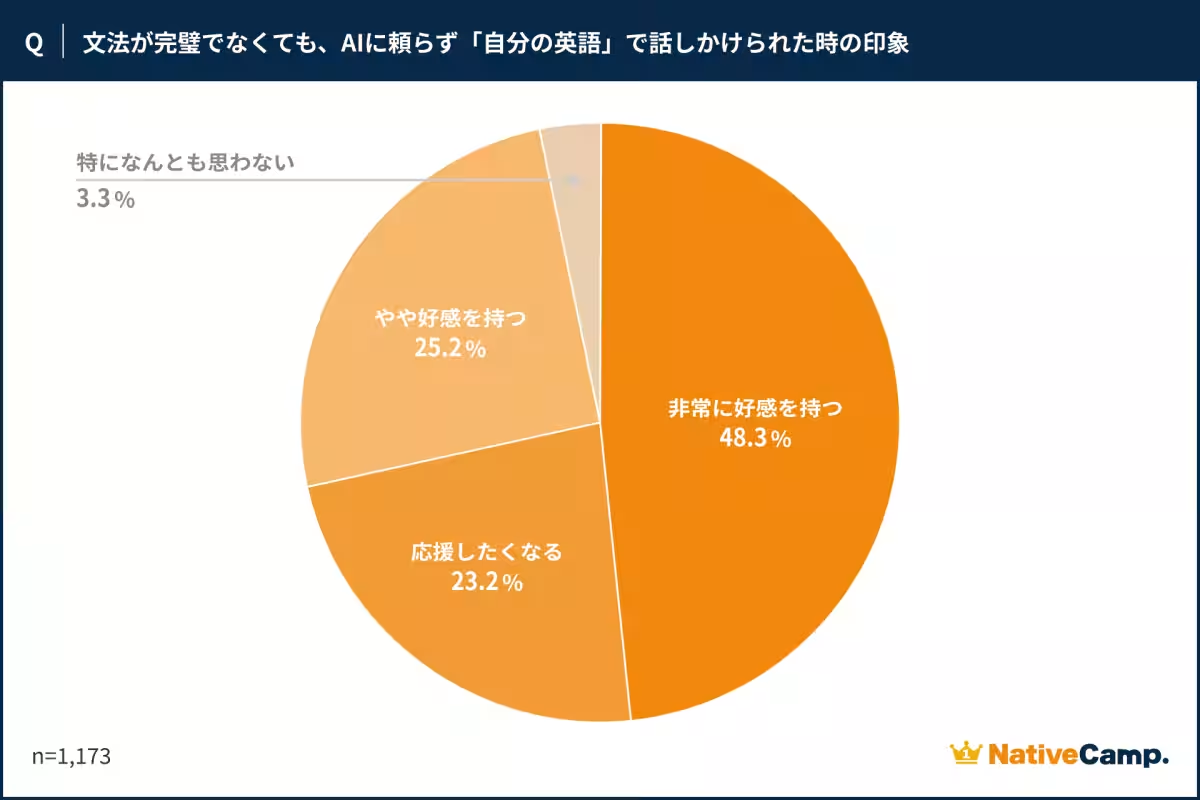
Interestingly, about 53% of respondents found it either 'fantastic' or 'somewhat positive' when approached through AI translation tools. This shows that while AI has made strides in facilitating effective communication, there remains a significant percentage of individuals who appreciate the nuances of human interactions.
The Human Element in Communication
As globalization intensifies, the importance of building relationships transcends mere information exchange. The ability to communicate directly and visibly, to look each other in the eyes, and to express one's thoughts and feelings through personal language enables deeper connections, which is increasingly recognized in professional and social environments. It fosters an understanding that transcends the efficiency of digital tools.
Native Camp serves as a platform for immediate communication with foreign instructors from diverse backgrounds, allowing users to practice their English speaking skills and recognize the value of conversing in their own words. The survey aimed to investigate the merits of English learning vis-à-vis AI applications.
Implications of Findings
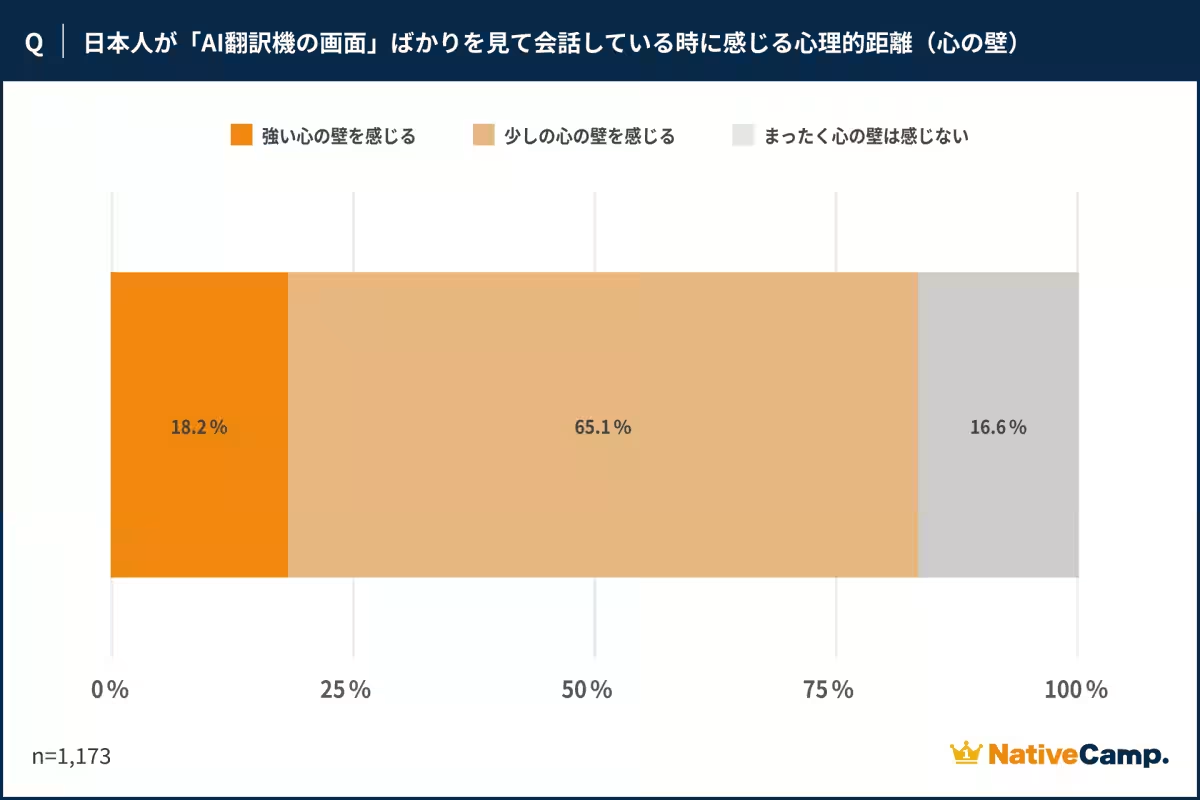
Participants were asked how they felt when approached by Japanese individuals using AI tools for communication. While some expressed convenience, a notable portion indicated feelings of emotional distance. A striking 83% felt that reliance on AI tools during a conversation created a psychological barrier, hindering the potential for genuine connection.
In scenarios requiring precise communication, approximately 30% supported the use of AI translations, but when it comes to building rapport or showcasing passion, a staggering 83% favored engaging through one’s own phrases. This duality suggests that while AI can assist in efficient information transactions, the heart of interaction relies on personal engagement and showing vulnerability through imperfect language.
Looking Forward: Embracing Both AI and Human Interaction
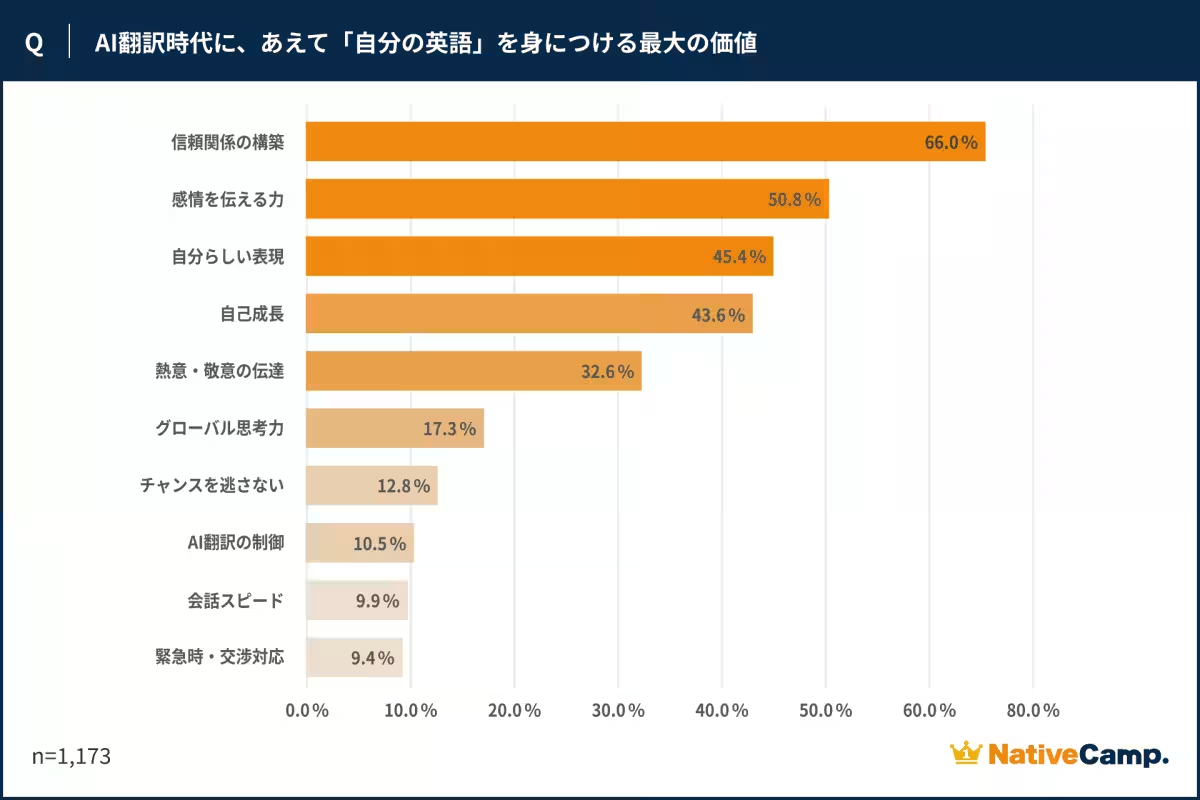
In a world where AI tools can aid in communication efficiency, it is clear that learning to express oneself in English remains crucial. The survey revealed that a major value of acquiring conversational skills lies in its ability to cultivate irreplaceable relationships and friendships, which 66% of respondents identified as paramount. Additionally, 51% recognized the capacity to directly convey emotions and enthusiasm as the second most valuable aspect of language learning.
In conclusion, the study illustrates that while AI tools enhance information dissemination, they cannot substitute the depth of human interaction. The future of communication lies not in a choice between AI or personal exchange but in effectively utilizing both in their respective strengths. Native Camp continues to foster this blend by providing a vibrant learning environment across 140 countries, where learners can acquire English language skills that aid them in forming authentic connections while navigating through the technological landscape of the modern world.
For more information about Native Camp and their services, visit Native Camp Official Website.
Topics Other)
【About Using Articles】
You can freely use the title and article content by linking to the page where the article is posted.
※ Images cannot be used.
【About Links】
Links are free to use.