



Survey Reveals Current Status of Disaster Preparedness in Japan
Overview of Disaster Preparedness in Japan
In light of recent disasters worldwide, the necessity for preparedness at an individual and community level becomes ever more evident. A comprehensive survey by Loyalty Marketing Co., which operates the Ponta points service, captured insights from 1,000 respondents aged between 20 and 60 across Japan. The survey, conducted from July 30 to July 31, 2026, in collaboration with TOKYO FM's program "#BizTopi", sheds light on the current landscape of disaster preparedness among the Japanese population.
Key Findings
1. General Preparedness Actions
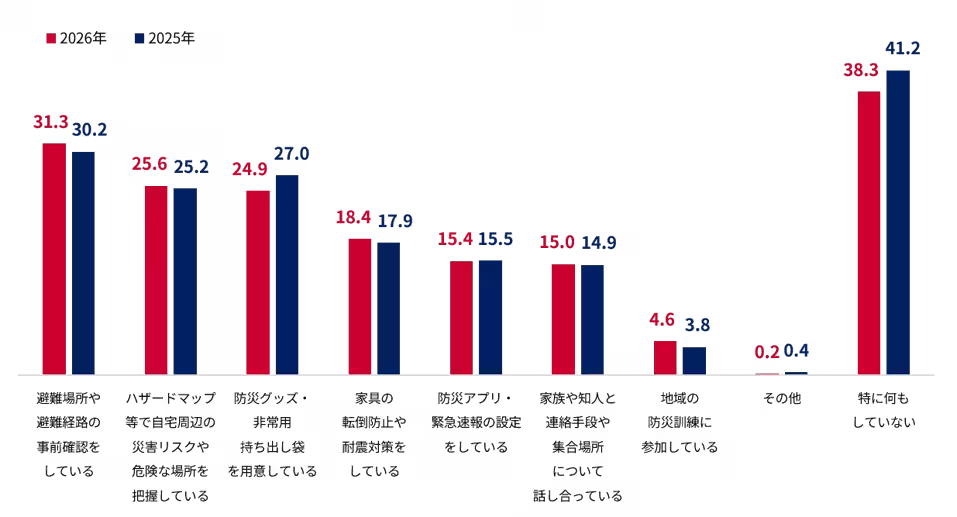
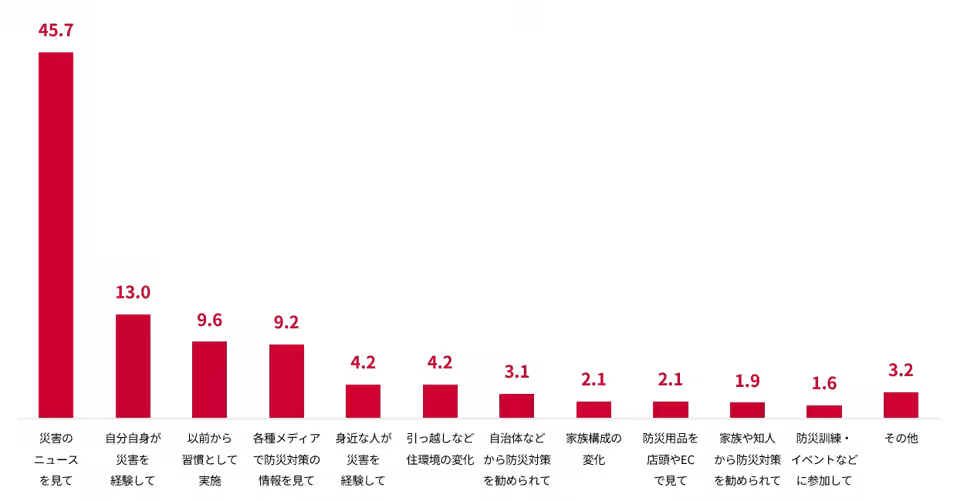
The survey revealed that approximately 60% of participants have engaged in some form of disaster preparedness, a figure that remains consistent with the previous year. The most common motivator for taking these actions was exposure to disaster-related news, reported by 45.7% of respondents. Specifically, 31.3% of people confirmed they have pre-identified evacuation locations and routes, while 25.6% are aware of disaster risks in their vicinity through hazard maps. Furthermore, 24.9% have prepared emergency supplies.
Despite these positive signs, there remains a significant percentage (38.3%) of individuals who do not participate in any preparedness measures, although this is a slight decrease from last year’s figure of 41.2%.
2. Preparedness with Emergency Kits
Around 40% of participants confirmed they have prepared an emergency kit, yet only 18.1% regularly review its contents. Alarmingly, nearly 41% reported not having prepared an emergency go-bag at all, suggesting a gap in habitual readiness practices.
3. Essential Items in Emergency Kits
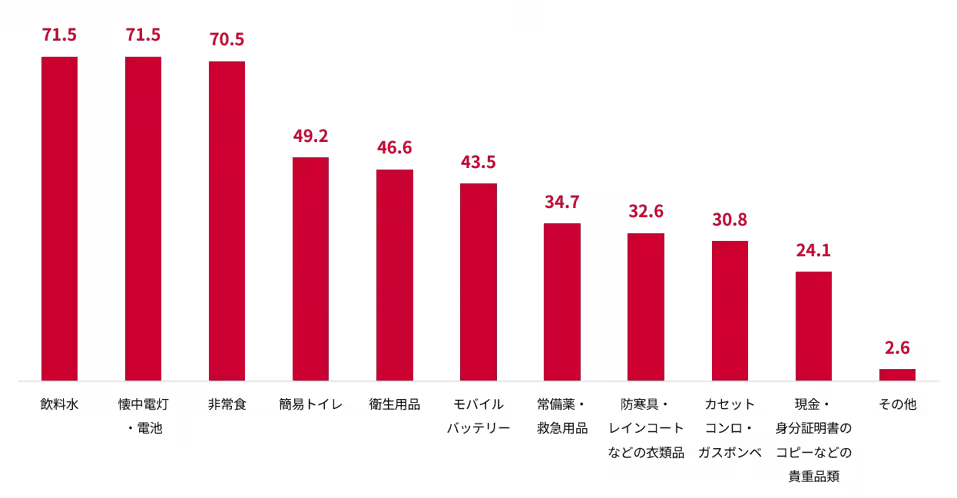
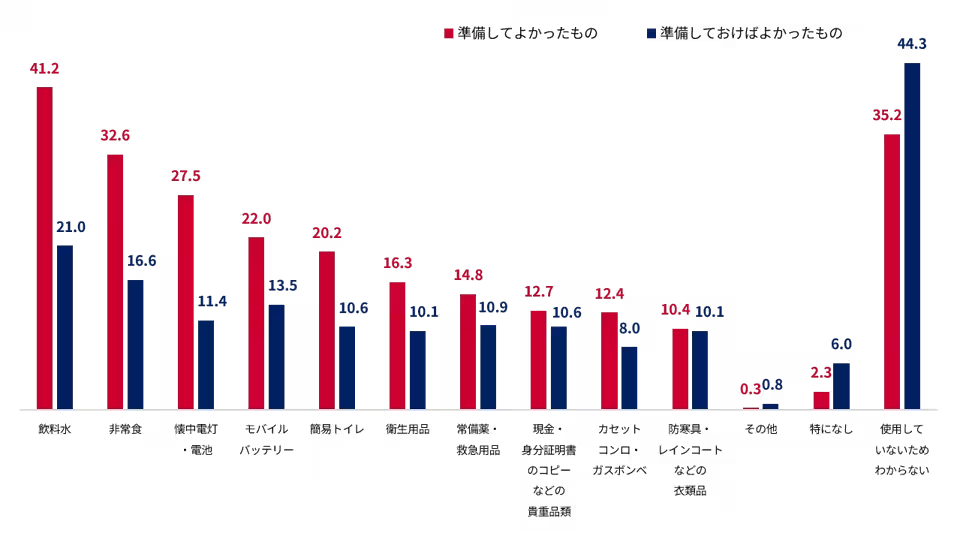
Among the individuals who have compiled emergency kits, the top items included drinking water (71.5%), flashlights and batteries (71.5%), and ready-to-eat food (70.5%). A notable percentage agreed that these items are essential, having judged their own preparedness decisions post-disaster. Interestingly, mobile chargers were also acknowledged highly in both categories of ‘prepared and glad’ as well as ‘should have prepared’.
4. Selection Criteria for Disaster Goods
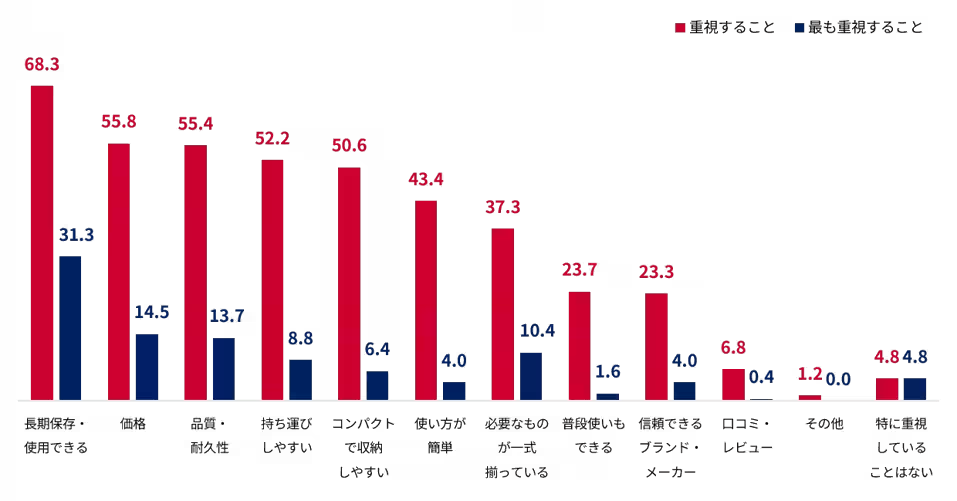
When selecting disaster preparedness items, durability and long-term usability were prioritized by 68.3% of respondents. Other significant factors included cost (55.8%) and quality (55.4%). This highlights a conscious approach towards selecting resources that offer long-term benefits during emergencies.
5. Rolling Stock Method Awareness
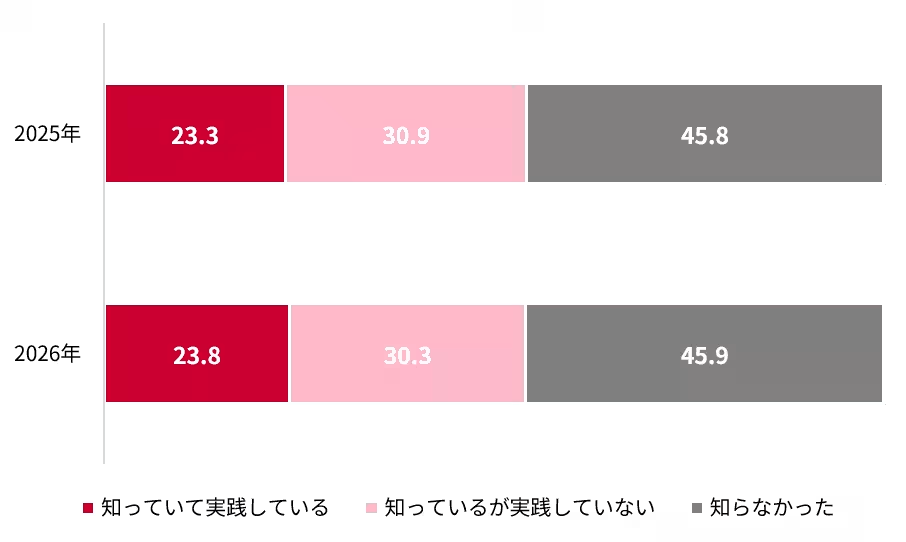
The survey indicated that awareness of the rolling stock method (a technique of rotating emergency supplies by consuming older stock to make way for fresh supplies) stands at 54.1%, with roughly one in four respondents actively practicing it. However, this figure suggests a stagnant level of understanding and adoption compared to previous surveys, warranting further continued emphasis on education and resources.
Expert Insights
Comments from the radio program hosts offer additional perspectives. Economic analyst Mariko Mabu has observed that while 45.7% of respondents derive their preparedness motivation from disaster news, it's concerning that less than 20% of them commit to regularly updating their emergency kits. This echoes the risk perception paradox - recognizing the danger yet failing to take action. She emphasizes the importance of weaving preparedness into daily habits.
Co-host Hiroaki Watanabe recognized the robust statistics concerning engagement in preparedness measures, pointing out the need for sustained educational efforts, particularly at retail points and media outlets, to ensure it becomes an integral part of the populace’s lifestyle. The stark reality of Japan’s high susceptibility to natural hazards translates into a calling for individual responsibility towards personal safety.
Conclusion
Preparation for disasters is an increasing necessity in Japan, yet the survey results reveal gaps that highlight the need for ongoing public education and community engagement initiatives. As Japan continues to confront various natural disasters, ensuring that all citizens are equipped and ready can determine survival outcomes and enhance communal resilience.
- ---
This survey underscores a pivotal moment, not just for evaluating where we currently stand but as an urgent call to action for fostering a culture of preparedness. As individuals, it is crucial to stay proactive, not reactive, by embracing preparedness as a steady part of our routines.

Topics Policy & Public Interest)
【About Using Articles】
You can freely use the title and article content by linking to the page where the article is posted.
※ Images cannot be used.
【About Links】
Links are free to use.