



Exploring the Importance of Rest Rules in the Modern Workforce
Importance of Rest Rules in a Modern Work Environment
In a recent survey conducted by Workport, a talent acquisition firm headquartered in Tokyo, a significant trend has emerged regarding employee satisfaction and working hours. Approximately 549 business professionals from their 20s to 40s participated in this nationwide survey, providing insights into their perspectives on working hours, rest time, and corporate policies.
Current Satisfaction Levels with Working Hours
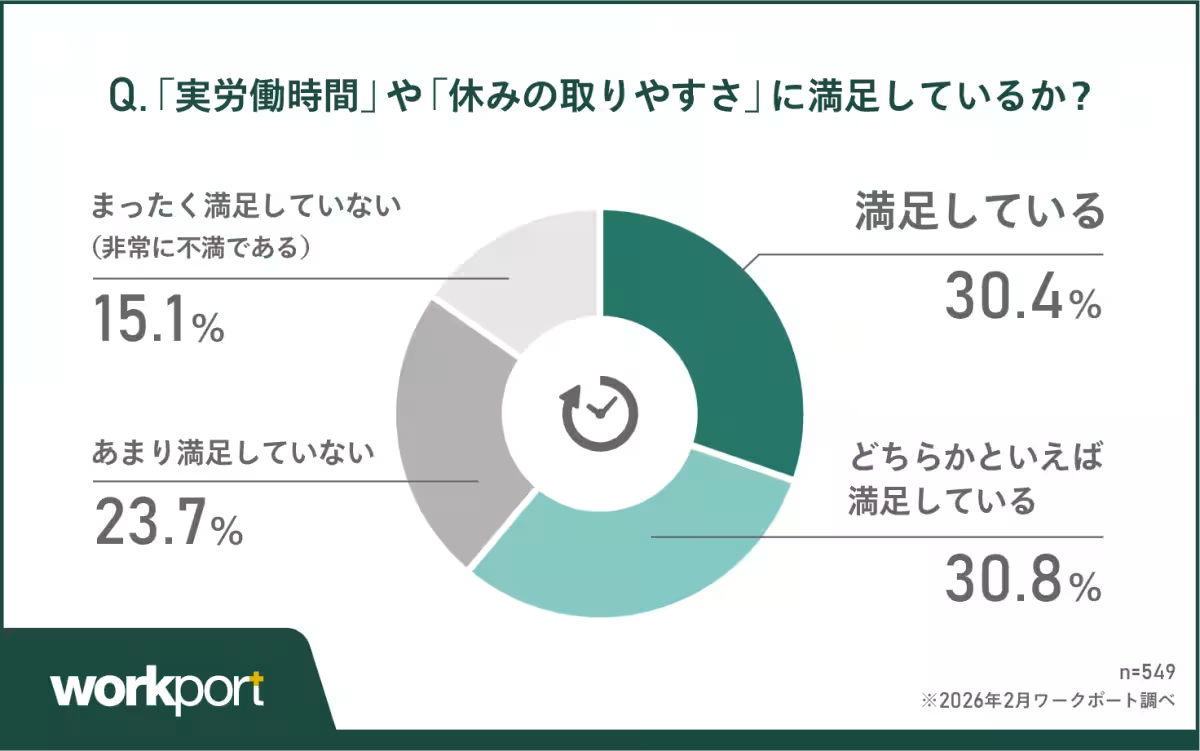
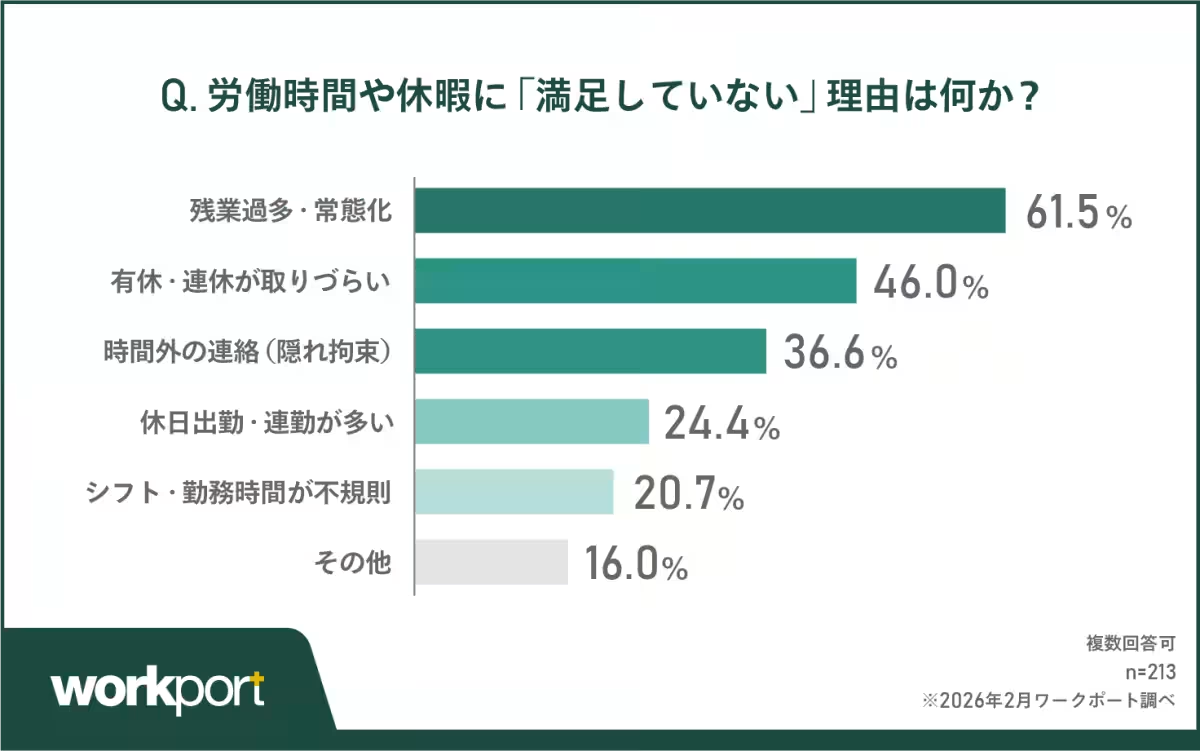
The survey revealed that about 61.2% of respondents expressed satisfaction with their work hours and the ease of taking time off, yet this also highlighted a concerning fact: more than one-third of employees reported dissatisfaction with their work conditions. Prominently, over 60% of those who felt dissatisfied cited excessive overtime as the primary cause. Other issues included difficulties in taking paid leave and the stress of constant communication during non-working hours, often referred to as 'hidden constraints.'
Various respondents shared personal experiences that contributed to their dissatisfaction, such as struggles with maintaining a work-life balance while managing family responsibilities and other personal commitments. Many indicated that although reduction of working hours came with pay cuts, the stress of long hours and on-call demands remained prevalent.
Necessity for Legal Rest Rules
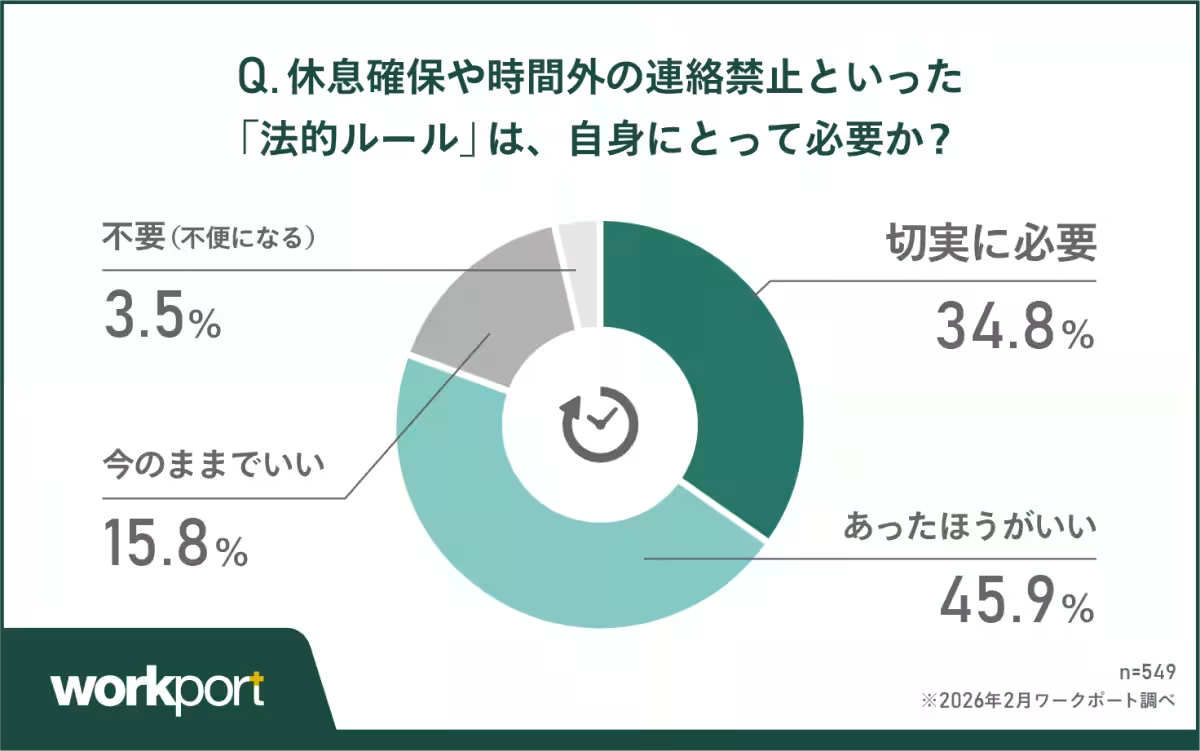
The survey also explored the necessity of legal rest regulations among workers. A remarkable 80.7% of respondents supported some form of legal framework to ensure adequate rest and prohibit non-working hour communications. Among these, 34.8% felt that such rules are 'absolutely necessary,' while 45.9% believed it would be beneficial, underscoring a strong consensus on the importance of ensuring rest time in corporate environments.
Conversely, a smaller portion of 15.8% believed that the current situation is sufficient and 3.5% thought legal rules would only complicate matters. This indicates a clear desire for more structured support in securing rest periods, promoting a healthier work culture.
Reaction to Postponing Mandatory Rules
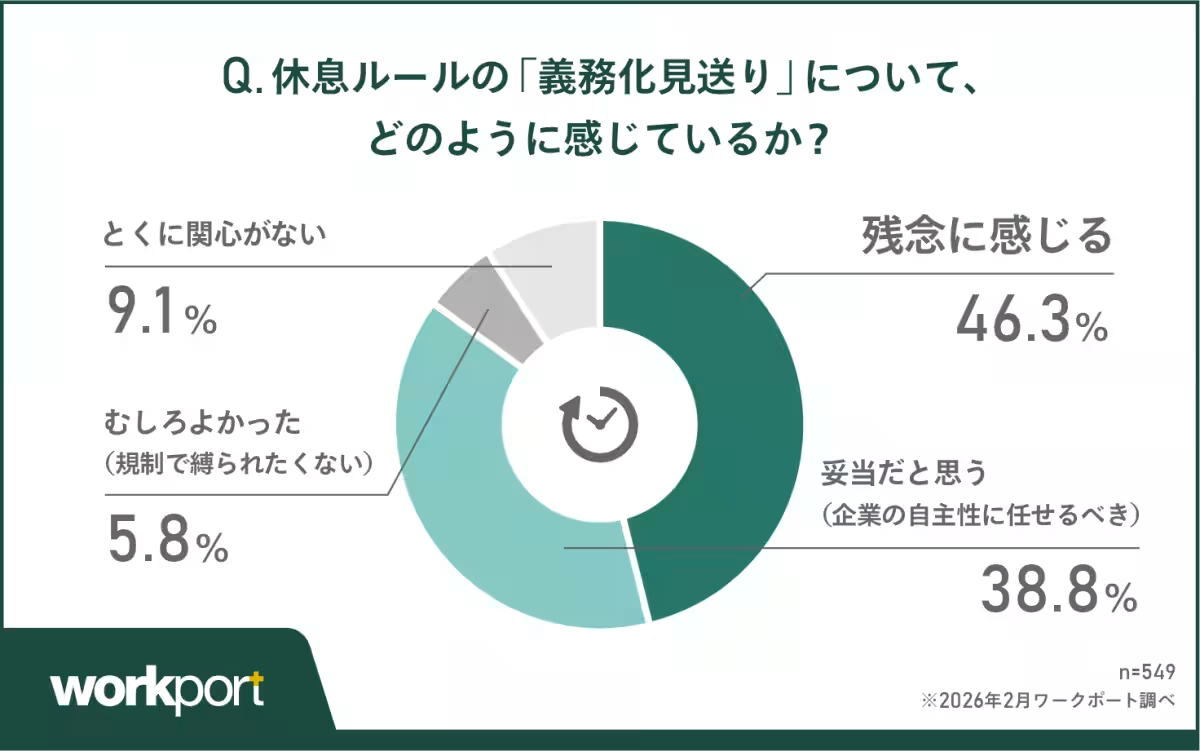
Reflecting on the recent decision to postpone the mandatory enactment of these rest rules until April 2026, opinions were split. Nearly 46.3% expressed disappointment, contrasting with about 38.8% who considered the postponement reasonable, arguing that flexibility should be left to individual companies. This gap illustrates a complex landscape where employees recognize the need for rest but also value the autonomy companies have in implementing policies.
Impact on Employment Preferences
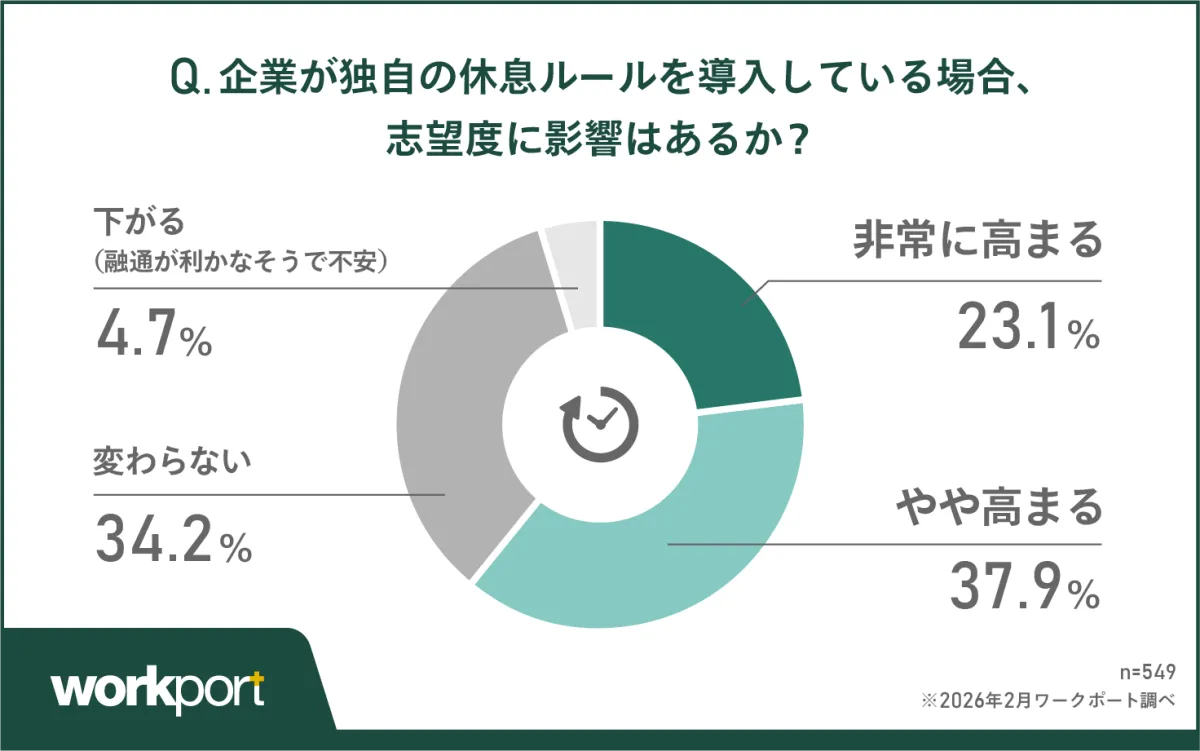
Interestingly, the survey findings highlighted that companies with a self-imposed rest framework see an uplift in their appeal to potential candidates. Approximately 61% of respondents indicated that a company’s policy regarding rest significantly influenced their desire to apply for jobs there. Out of these, 23.1% said their interest would be 'greatly increased,' and 37.9% said it would be 'somewhat increased.' On the other hand, only 4.7% of respondents felt that such rules would deter them, emphasizing that employee well-being is a critical factor in recruitment.
Conclusion
The survey results depict a workforce that is coming to terms with the realities of work-life balance and the necessity for formalized rest rules. While many employees feel a sense of general satisfaction with their current arrangements, underlying issues of stress, excessive hours, and poor work-life integration remain significant and can't be overlooked. Understanding and addressing these challenges is vital for businesses looking to foster a supportive culture in light of ever-evolving work standards.

Topics People & Culture)

【About Using Articles】
You can freely use the title and article content by linking to the page where the article is posted.
※ Images cannot be used.
【About Links】
Links are free to use.