



Expansion of JGAP Certified Farms Contributes to Food Safety and Sustainable Practices
Expansion of JGAP Certified Farms: A Step Towards Sustainability
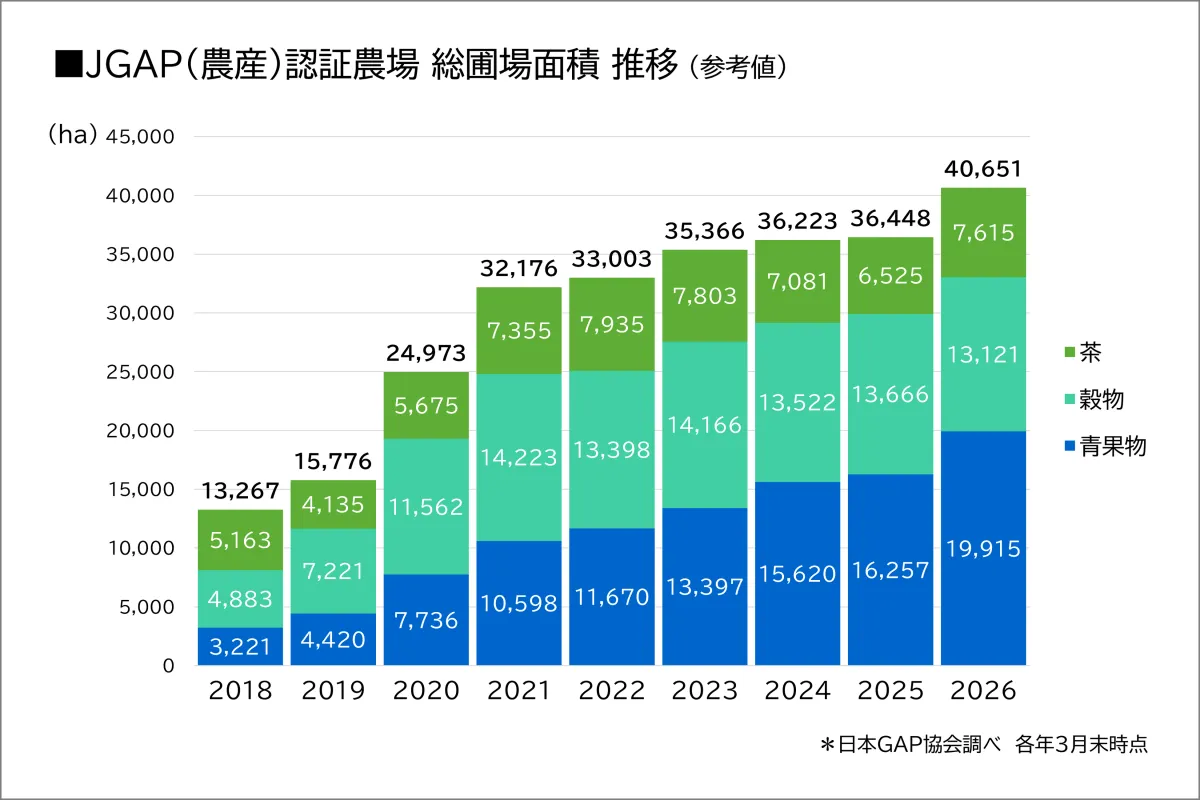
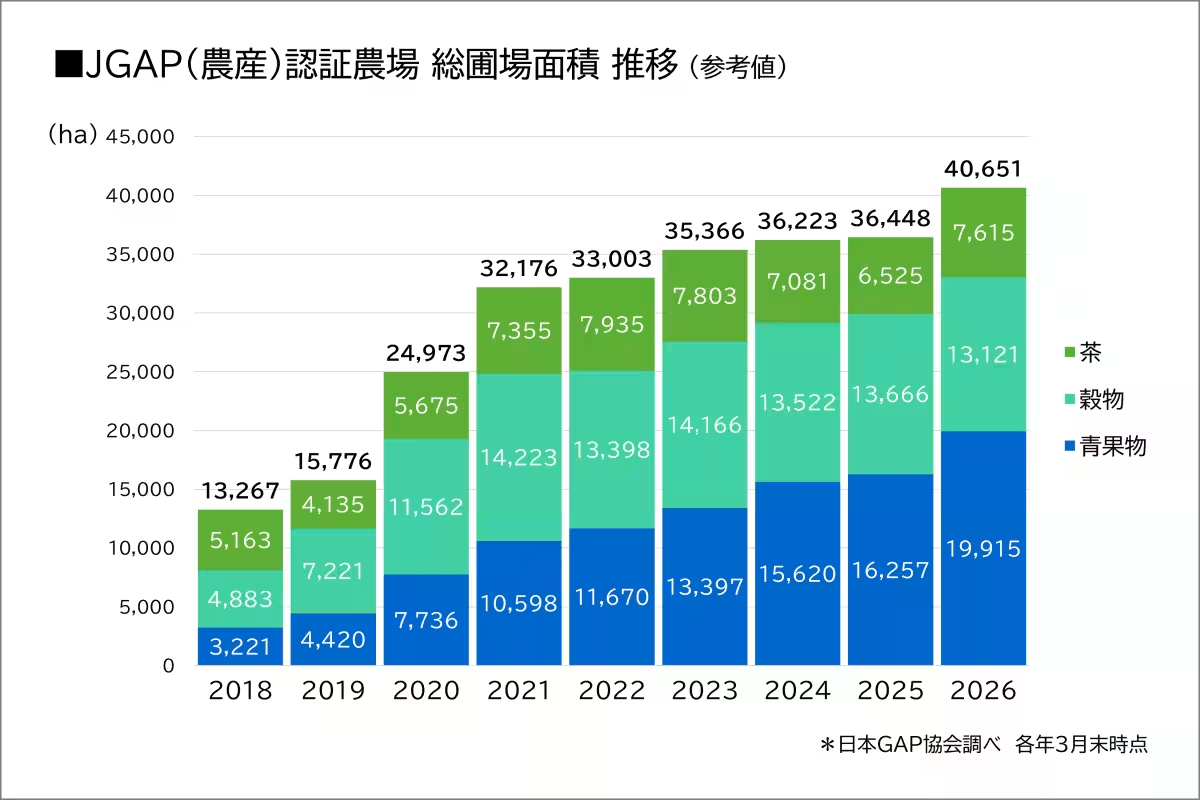
The Japan GAP Association has recently unveiled encouraging statistics showcasing a rise in the total acreage of JGAP (Japan Good Agricultural Practices) certified farms, marking a significant stride in the realm of food safety and sustainable agriculture. As of March 2026, the total cultivated area certified under JGAP has reached a remarkable 40,651 hectares, up from 36,448 hectares the previous year, reflecting a healthy growth trend that bodes well for the future of agricultural practices in Japan.
Overview of JGAP Certification
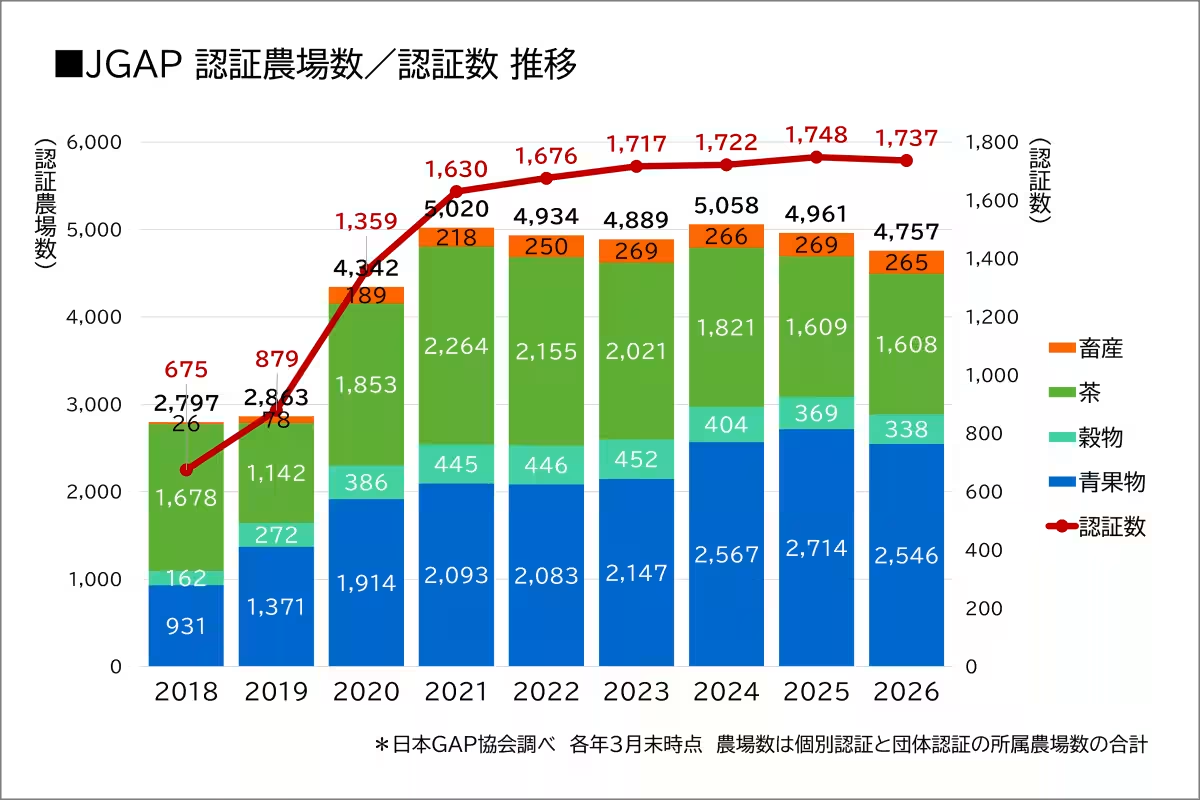
JGAP certification is awarded to farms that meet stringent standards aimed at enhancing food safety and promoting sustainable agricultural practices. The 2026 report shows a total of 4,757 certified farms and 1,737 individual certifications, although these figures represent a slight decline from the previous year. Despite this, the expanding total cultivated area within the JGAP framework signals an increase in the scale of certified farms, indicating that larger operations are increasingly adopting these rigorous standards.
For reference, data from the Ministry of Agriculture, Forestry and Fisheries indicates that the total area dedicated to tea cultivation in Japan is approximately 33,400 hectares. Comparatively, the JGAP certified tea farms cover an area of 7,615 hectares, which constitutes around 20% of the total tea growing region in Japan.
Sustained Growth in Cultivated Area
Since 2018, when the aggregations began, the total area under JGAP certification has surged from 13,267 hectares to the current figure, showcasing a consistent increase in certified land. Notably, the land designated for fresh produce has shown the most significant growth. Expanding from 3,221 hectares in 2018 to 19,915 hectares in 2026, the production capacity for JGAP certified vegetables is steadily rising.
Several factors contribute to this trend, particularly the push from major retailers and food service establishments for GAP-certified produce. The integration of food safety measures provided by GAP certification significantly mitigates risk in the supply of fresh products, enhancing the appeal for procurement. Additionally, the growing recognition of environmental conservation and respect for human rights embedded within GAP practices further motivates food businesses to expand their usage of JGAP certified goods.
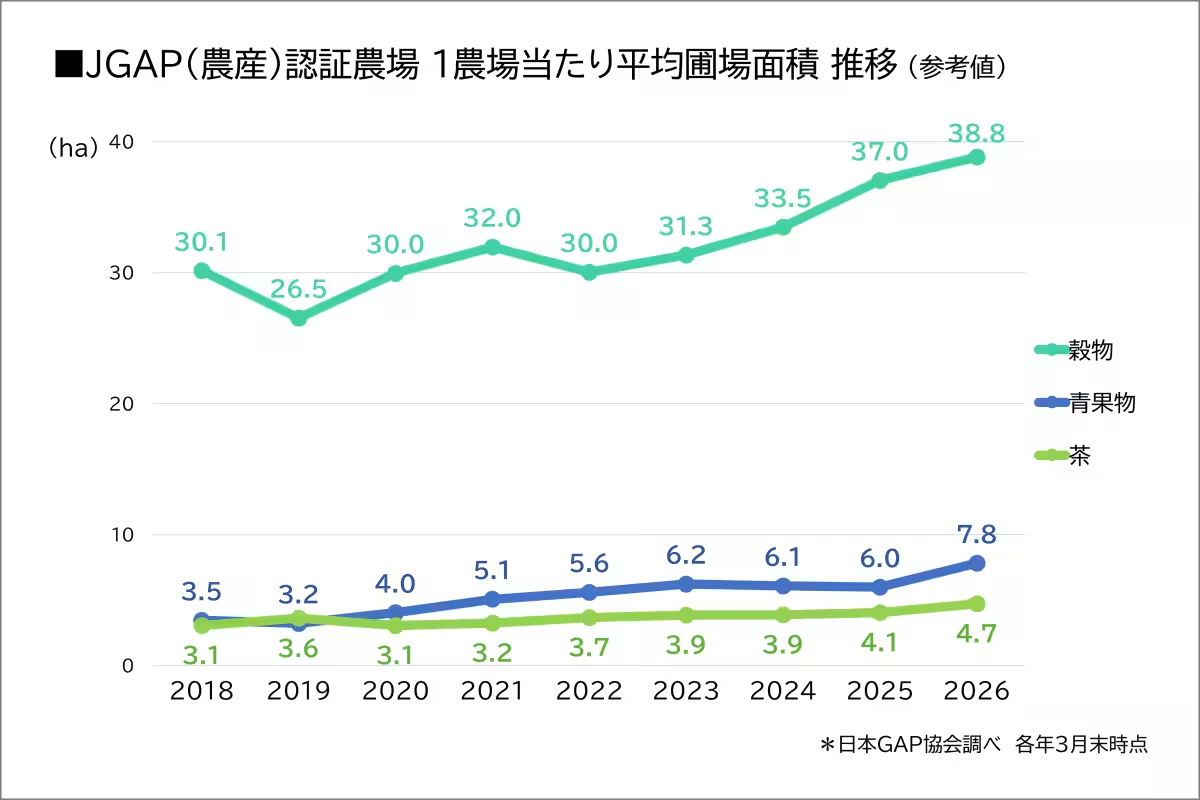
Average farm size per facility has also seen an upward trend. As of March 2026, average farm sizes are reported as 38.8 hectares for grains, 7.8 hectares for vegetables, and 4.7 hectares for tea. These figures highlight a continuing evolution in the scale of operations reaching JGAP certification.
Commitment to Sustainable Practices
JGAP represents a critically important framework for verifying sustainable agricultural practices through third-party assessment, facilitating improvements in farm management and fostering trust among consumers and business partners. The Japan GAP Association continues to advocate for broader adoption of JGAP certifications, striving to ensure the realization of safe, reliable, and sustainable agricultural practices across the country.
The Role of GAP
GAP, an acronym for Good Agricultural Practices, refers to a set of guidelines that producers must adhere to when cultivating crops. This initiative embodies the principles of ‘good farming practices’ aimed at improving the quality and safety of agricultural products. The JGAP and ASIAGAP certifications, managed by the Japan GAP Association, encompass crucial elements such as food safety, environmental protection, labor safety, farm management, human rights, livestock health, and animal welfare.
Recognized as an instrumental policy by the Ministry of Agriculture, Forestry and Fisheries, GAP initiatives enjoy broad support from various food service operators. They will also play an integral role in upcoming international events such as the 2025 Osaka-Kansai Expo and the 2027 International Horticultural Expo, where they will feature prominently in sustainable sourcing codes.
About the Japan GAP Association
Established in January 2015, the Japan GAP Association is dedicated to the development, management, and promotion of the JGAP and ASIAGAP certification programs. Its mission encompasses enhancing food safety, sustainability, and contributing positively to society through reliable agricultural practices. The association operates from its headquarters in Chiyoda, Tokyo, and can be reached for inquiries at 03-5215-1112 during business hours from 9 am to 6 pm on weekdays.
For more information on JGAP, its programs, and to find a list of certified farms, please visit the official website at JGAP.

Topics Consumer Products & Retail)




【About Using Articles】
You can freely use the title and article content by linking to the page where the article is posted.
※ Images cannot be used.
【About Links】
Links are free to use.