



Understanding the Impact of NIPT Results on Expecting Mothers: Importance of Comprehensive Support
Unpacking the Emotional Landscape of NIPT Testing Results
In recent years, non-invasive prenatal testing (NIPT) has gained significant traction among expectant mothers. With increasing awareness and acceptance of the procedure, there are now pressing concerns surrounding the emotional journey women face while awaiting results, particularly when those results identify potential risks. A recent survey conducted by the Minerva Clinic delves into the psychological state of women after undergoing NIPT, shedding light on alarming trends regarding feelings of anxiety and isolation.
The Background of NIPT Reports
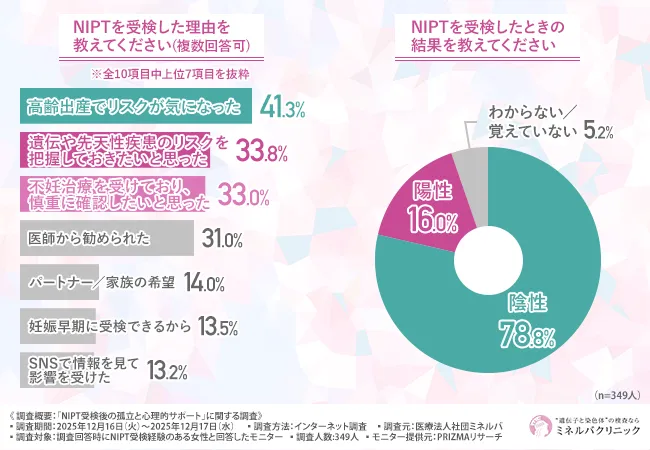
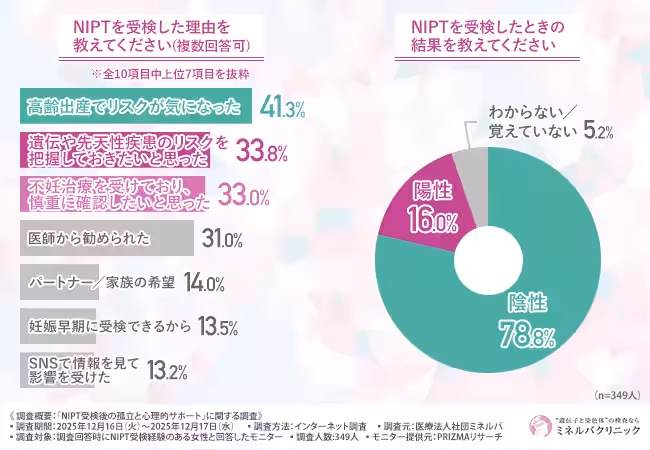
NIPT offers expectant mothers insights into possible genetic disorders, and many women consider testing for various reasons. The survey revealed that 41.3% of participants underwent testing due to concerns associated with advanced maternal age. Meanwhile, 33.8% indicated a desire to understand the risk of genetic and congenital disorders, and 33.0% came from a background of infertility treatments, reflecting a heightened need for reassurance about their pregnancy status.
The Waiting Game for Results
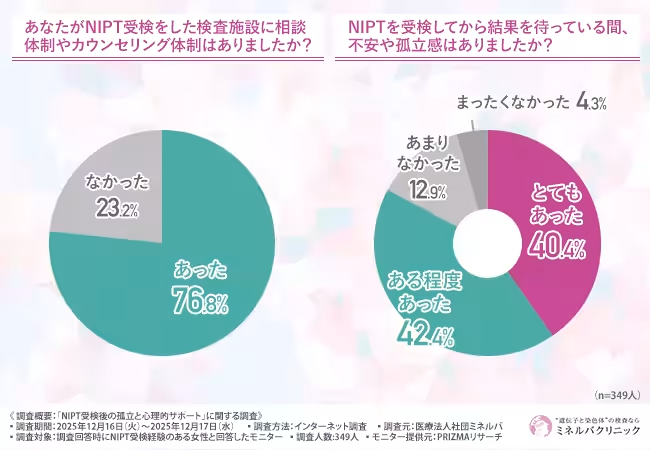
Once mothers receive their test results, their mental and emotional landscape can shift dramatically. The survey found that over 80% of respondents experienced significant anxiety while awaiting results, with 40.4% expressing that the feeling was intense. Such emotional turmoil is expected given the landscape of uncertainty they find themselves in.
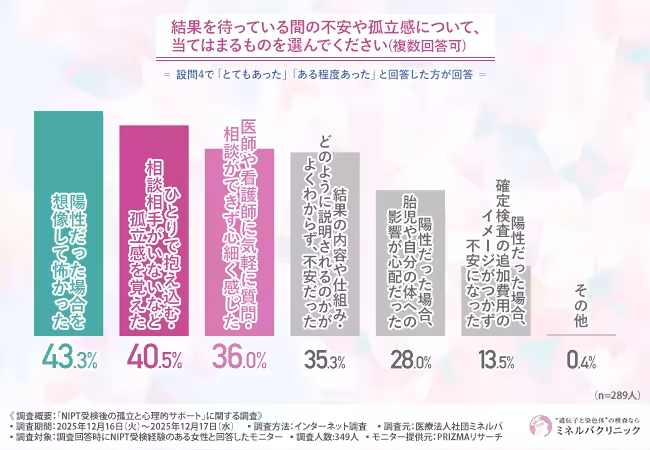
The majority of women echoed sentiments of fear and concern, especially imagining potential outcomes and facing the accompanying repercussions. Of those who reported feelings of anxiety, about 40.5% felt a growing sense of isolation, desiring support from healthcare professionals. This reflects an alarming gap in communication and accessibility to psychological support within the healthcare system.
Limits to Support Structures
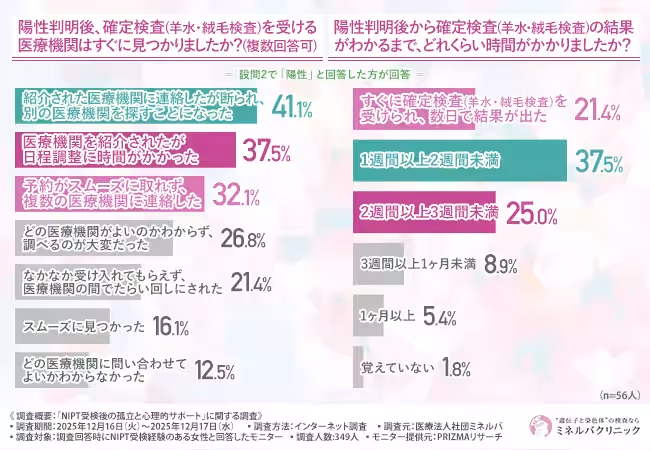
On examining the support structures in place, approximately 76.8% of women reported that their testing facility had a counseling support system. Yet, nearly 23.2% acknowledged the absence of such channels, indicating a crucial vulnerability in care systems. For those receiving positive results, many experienced an additional layer of anxiety as they struggled to identify the next steps in the process, including accessing necessary confirmatory testing.
Over 41% of participants encountered difficulties finding healthcare providers willing to perform confirmatory tests, emphasizing the importance of connectivity within the healthcare framework.
The Critical Waiting Period
The waiting period between receiving a positive NIPT result and the follow-up confirmatory tests remains a notably distressing experience. Data revealed that approximately 37.5% of mothers spent one week to two weeks in anxiety over their conditions before obtaining conclusive results. The looming dread of extended waiting periods adds another layer to an already fraught situation.
Thus, it is evident that there is an immediate need to streamline processes within testing facilities and ensure that expectant mothers receive timely follow-up care and robust emotional support. Participants highlighted a strong desire for clearer communication regarding expected timelines, which could dramatically alleviate feelings of uncertainty.
A Call for Comprehensive Support Systems
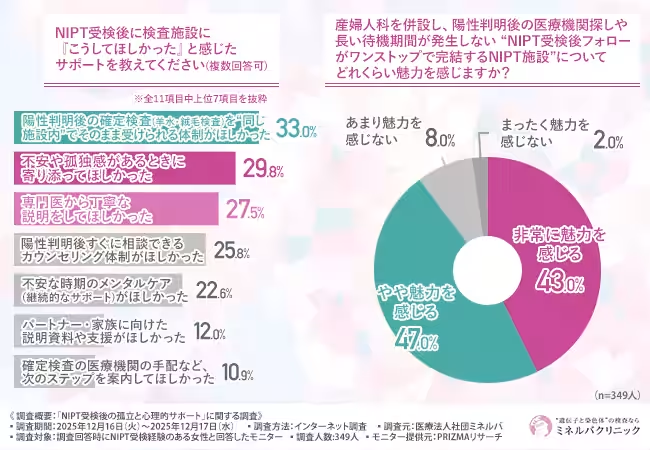
Now, it’s vital to explore what women desire regarding post-NIPT support systems. An overwhelming 90% of surveyed women expressed a preference for a single facility that provides NIPT and follow-up confirmatory testing, showcasing the need for a structured and cohesive plan that maintains continuity in care. They also underscored the need for emotional and psychological support during such critical moments, calling for a system that provides consistent encouragement and information.
Conclusion: Moving Towards a Better Infrastructure
In conclusion, the findings demonstrate a dire need for enhanced support structures within healthcare regarding NIPT outcomes, where psychological distress during waiting periods is prevalent among expectant mothers. Addressing the current gaps, especially the isolation mothers faced, is pivotal.
Minerva Clinic has taken significant steps in this direction by integrating obstetric care into their services, allowing for immediate follow-up post-NIPT without additional stress on the mother. As the healthcare landscape continues to evolve, the urgent call remains: ensure no mother feels isolated or unsupported as they navigate their journeys into motherhood.


Topics Health)
【About Using Articles】
You can freely use the title and article content by linking to the page where the article is posted.
※ Images cannot be used.
【About Links】
Links are free to use.