



Exploring the Challenges and Opportunities of Converting Vacant Houses into Rental Properties
Exploring the Challenges and Opportunities of Converting Vacant Houses into Rental Properties
Are you wondering if your vacant house could generate income as a rental space or a vacation home? This is a question many owners are contemplating, especially following inheritance or similar situations that leave them with unused properties. Recent trends showcased in news outlets and social media emphasize success stories of converting vacant houses into profitable vacation rentals. However, it's not uncommon for potential owners to hesitate after realizing the complexities of legal, neighborhood, and financial challenges involved in such ventures.
Philia Corporation, based in Itabashi, Tokyo, specializes in assisting with unusual real estate types, including properties with complex ownership issues. The company conducted a survey targeting vacant house owners aged 20 to 70+ to gather insights on their intentions regarding transforming their properties for revenue generation. The results were revealing, reflecting various hurdles faced in this process.
Survey Overview
- - Target Group: Men and women aged 20+ who own vacant houses
- - Survey Period: June 20-30, 2026
- - Method: Online questionnaire
- - Valid Responses: 200 participants, with 128 of those expressing reluctance to monetize their vacant homes answering follow-up questions regarding their reservations.
Key Findings
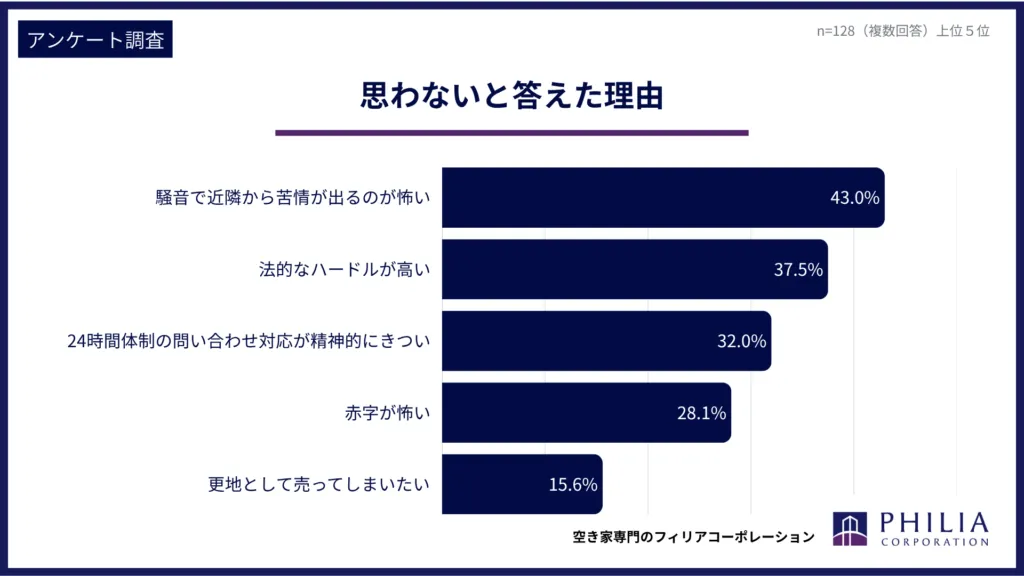
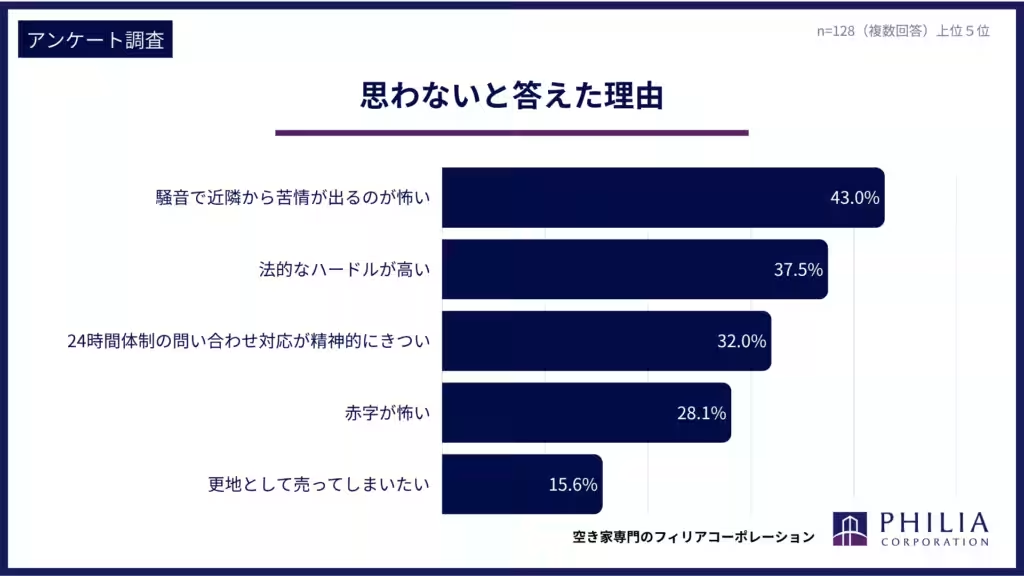
Over 60% of respondents expressed hesitance towards converting their vacant homes into income-generating properties (such as vacation rentals or rental spaces). The leading concern, cited by 43% of participants, was anxiety about potential noise complaints from neighbors. Additionally, survey results revealed that practical barriers, such as legal regulations and neighborhood disputes, contribute significantly to the reluctance of many to pursue this option.
Breakdown of Findings
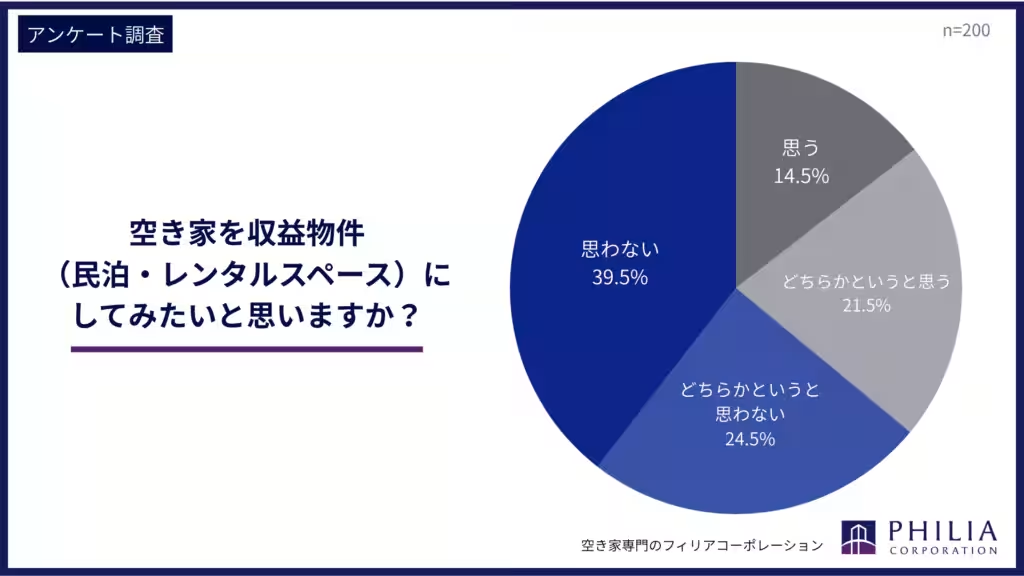
- - 14.5% responded positively, indicating they are interested.
- - 21.5% were somewhat interested, while 64% conveyed disinterest, suggesting a critical look into the reasons for this reluctance.
It was particularly important to note that 39.5% of respondents outright disagreed with the notion of converting their properties into rental spaces. This reveals that while many are curious about the concept itself, they recognize the significant obstacles that deter them from actual implementation.
Reasons for Hesitation
Upon deeper inquiry, we categorized the main concerns raised by the 128 reticent respondents:
1. Fear of Noise Complaints (43%) – Many weighed the risks of neighbor complaints due to differences in the lifestyles of rental guests, such as noise during late hours or improper waste disposal.
- Expert Insight: Noise-related concerns are rooted in factual issues, especially in densely populated areas with houses situated closely together. Mitigating this includes utilizing management services for guest communications and maintaining proper municipal regulations.
2. Legal Barriers (37.5%) – The legal landscape surrounding rental properties can be daunting, comprising various laws and regulations.
- Expert Insight: Understanding the specifics of local laws prior to initiating any operation is crucial. Engaging specialists such as administrative scriveners may be beneficial in navigating complex legalities.
3. 24/7 Management Responsibilities (32%) – The emotional toll of constant management and the potential of late-night issues often weigh heavily on homeowners, particularly those managing properties from afar.
- Expert Insight: Implementing smart technology solutions and contracted property management services can help alleviate burdens, ensuring owner wellbeing.
4. Market Risks (28.1%) – Concerns about incurring financial losses related to property investments and uncertain occupancy rates plague many.
- Expert Insight: Comprehensive research on the rental market and careful financial planning, considering fixed costs, can mitigate risks.
5. Desire to Sell (15.6%) – Some respondents expressed a preference for selling rather than simply maintaining the property, viewing it as a straightforward solution to the burdens of ownership.
- Expert Insight: It's crucial to evaluate taxation implications carefully before choosing this option, especially regarding changes in property tax classification.
Conclusion
The data from this survey indicates that many vacant house owners hold a desire to generate income from their properties yet feel paralyzed by tangible barriers presented by legal, local, and financial hurdles. Leaving such properties untouched comes with risks, including rapid deterioration and complex future ownership challenges. By seeking guidance from property specialists early in the decision-making process, homeowners can clarify their best possible courses of action, ensuring restful nights as they navigate their options.
Philia Corporation proudly serves those in the Tokyo, Saitama, Chiba, and Kanagawa areas facing challenges with unique real estate properties, offering tailored advice grounded in years of experience. With over 1,000 consultations handled, their mission is to uncover potential opportunities in properties considered difficult to transact with elsewhere.
Contact Information
For further inquiries, please refer to the following:
- - Public Relations: Katsuno
- - Email: [email protected]
- - Company URL: Philia Corporation
Topics Consumer Products & Retail)
【About Using Articles】
You can freely use the title and article content by linking to the page where the article is posted.
※ Images cannot be used.
【About Links】
Links are free to use.