



Critical Awareness Needed: Survey Reveals Low Understanding of Tick Bite Risks and Proper Treatment
The Importance of Proper Action Against Tick Bites: Survey Insights from 2026
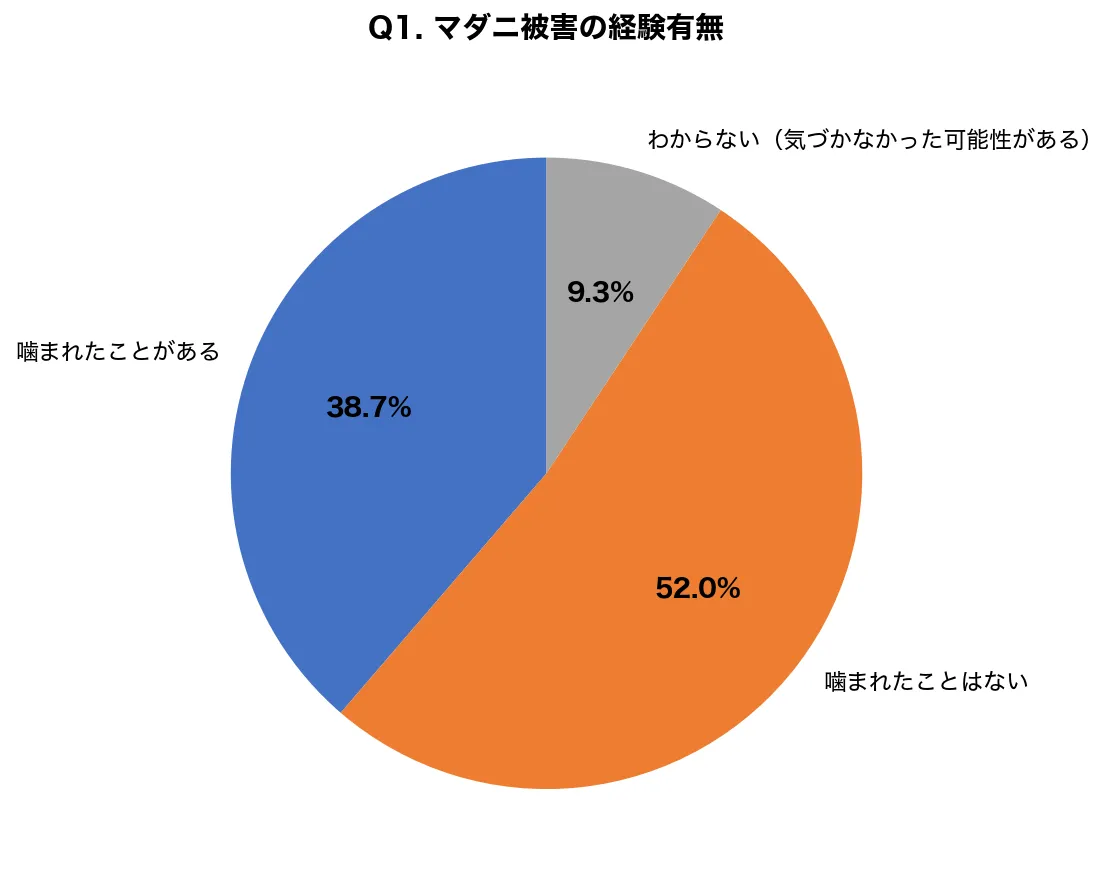
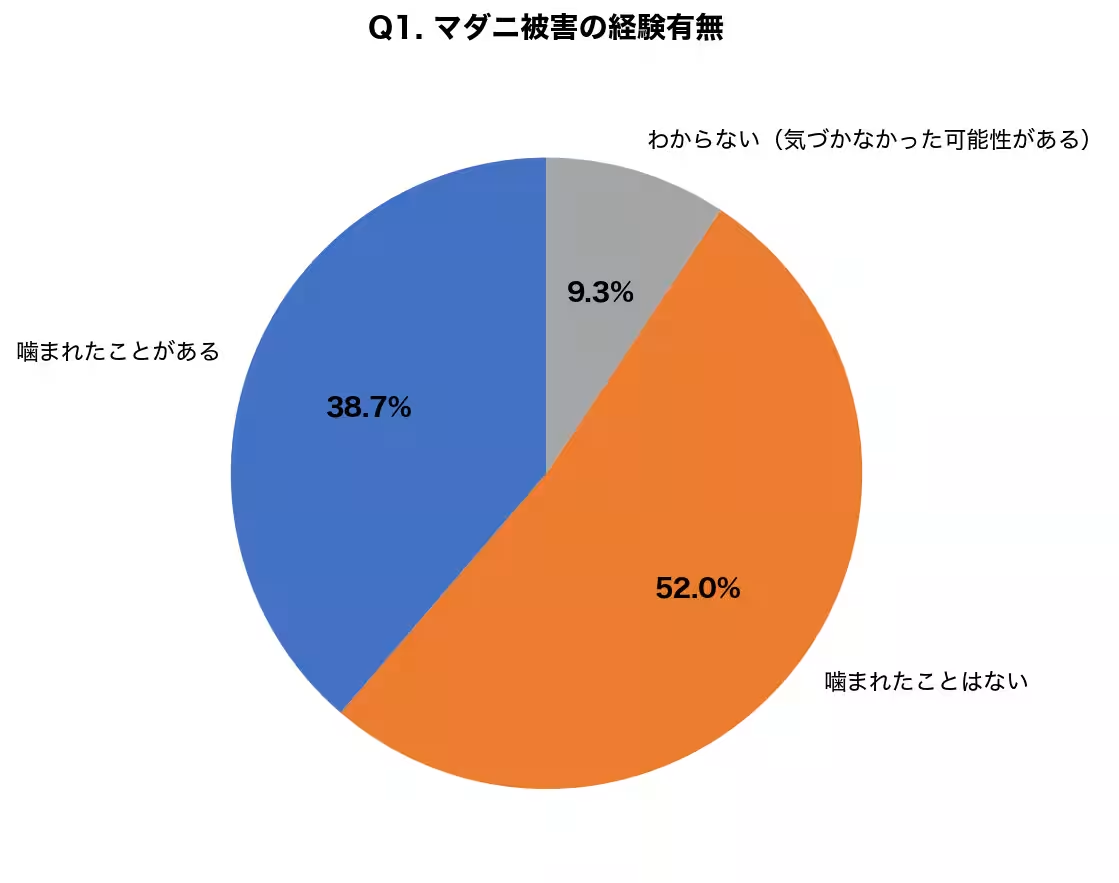
In the summer of 2026, an alarming survey conducted by the Icy Clinic revealed that many individuals remain unprepared and misinformed when it comes to dealing with tick bites. The study, which involved 300 participants aged 20 to 60 from across Japan, highlighted gaps in knowledge and practices regarding tick management and the serious health risks associated with it.
Key Findings of the Survey
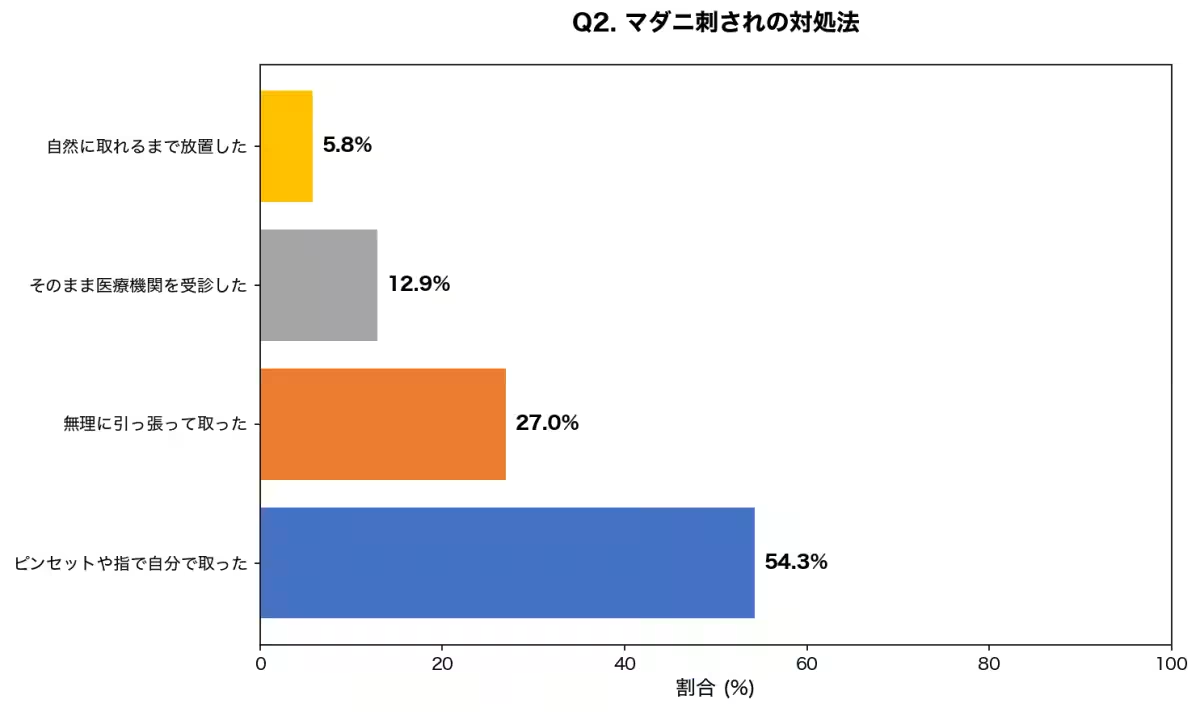
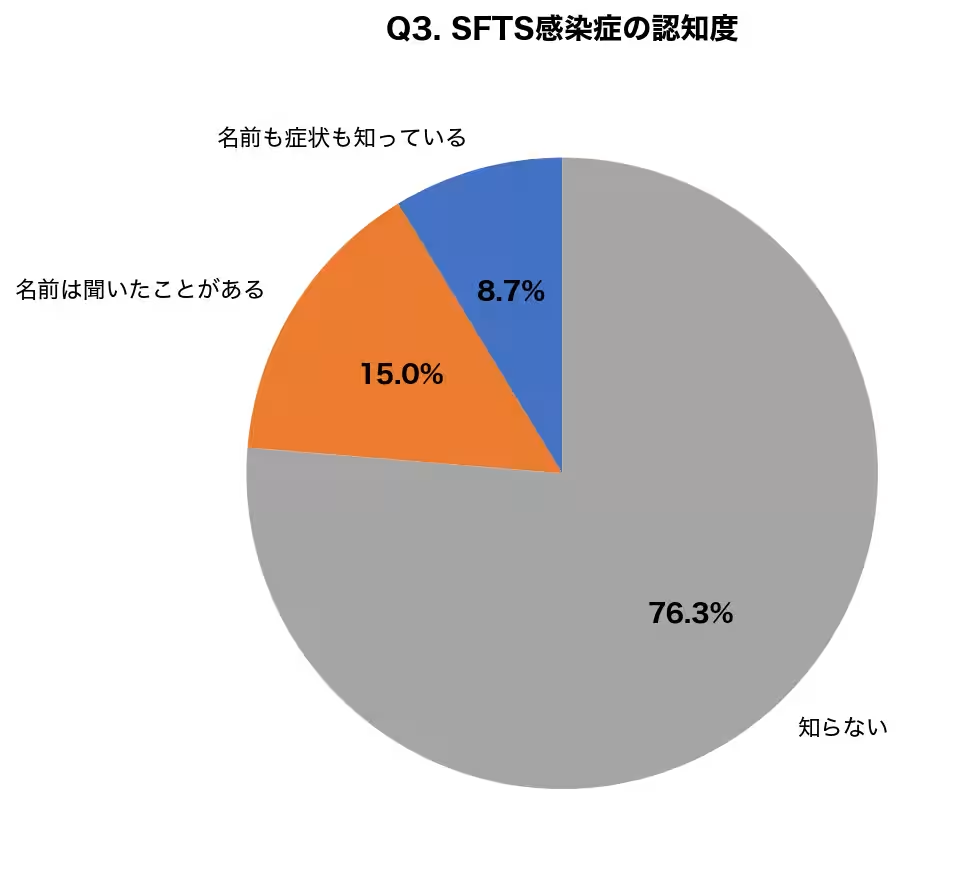
The survey revealed that a staggering 81.3% of participants who had previously suffered from a tick bite had attempted to remove the tick themselves, despite the knowledge that this can lead to severe complications. Specifically, 76.3% of individuals had no awareness of SFTS (Severe Fever with Thrombocytopenia Syndrome), a disease transmitted through tick bites that has a reported fatality rate of 10% to 30%.
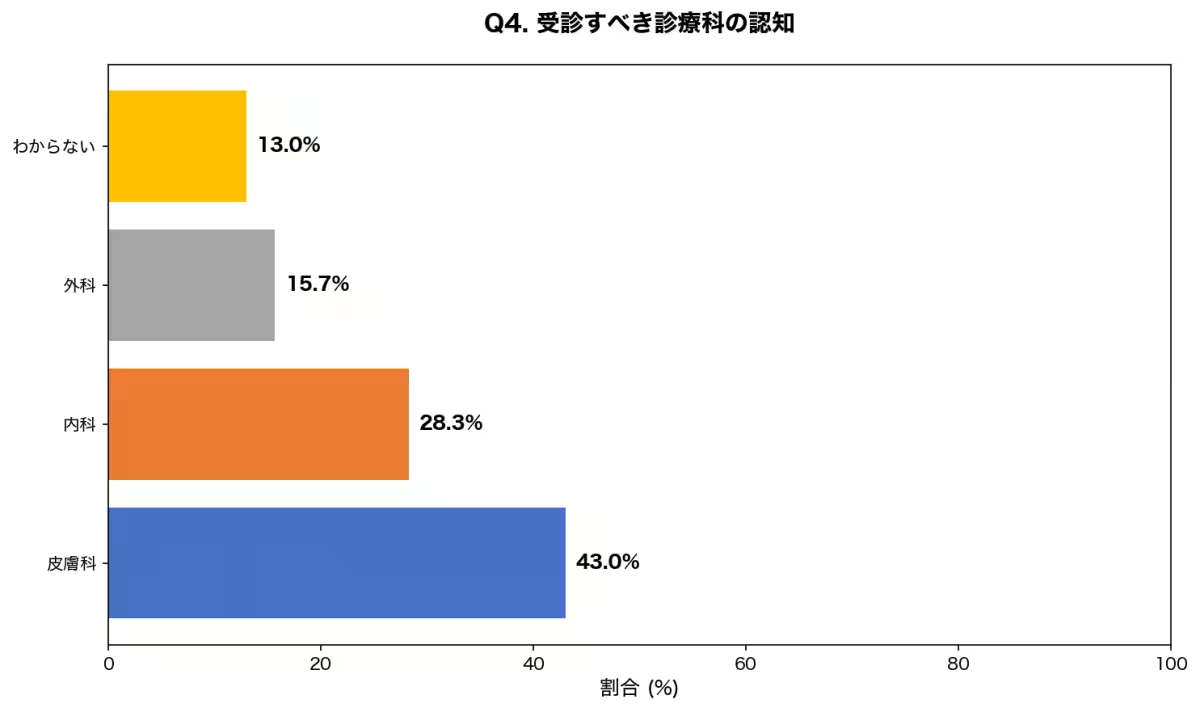
Only 18.3% of respondents could accurately identify the proper response to a tick bite, which is to seek immediate medical attention rather than attempting self-removal. This apathy towards understanding tick-related health risks poses a significant problem, particularly as summer outdoor activities increase.
Understanding Ticks and Their Dangers
Ticks are small blood-sucking arachnids that reside in grassy and wooded areas. They can grow from 3-4 mm to over 1 cm after feeding. Ticks attach deeply to the skin, feeding for several days to two weeks. Their bites can transmit serious diseases, with SFTS being a significant threat. Symptoms of SFTS include fever, gastrointestinal issues, and reduced blood cell counts, leading to serious health complications and potential death.
In addition to SFTS, ticks can also transmit other infections like Japanese spotted fever, characterized by high fever and rash, requiring urgent treatment with antibiotics.
Comparison of Treatment Options
The survey also compared the outcomes of self-removal versus professional medical treatment:
| Aspect | Self-Removal (Not Recommended) | Medical Consultation (Recommended) |
|---|---|---|
| ----- | ------- | ------- |
| Risk of Mouthpiece Left | High (70-80%) | Low (Complete removal possible) |
| Infection Risk | High (Fluid backflow possible) | Low (Proper procedure) |
| Cost Estimate | Free | Approx. $10-$30 (insurance applicable) |
| Follow-Up | Self-judgment | Professional monitoring |
Survey Context and Implications
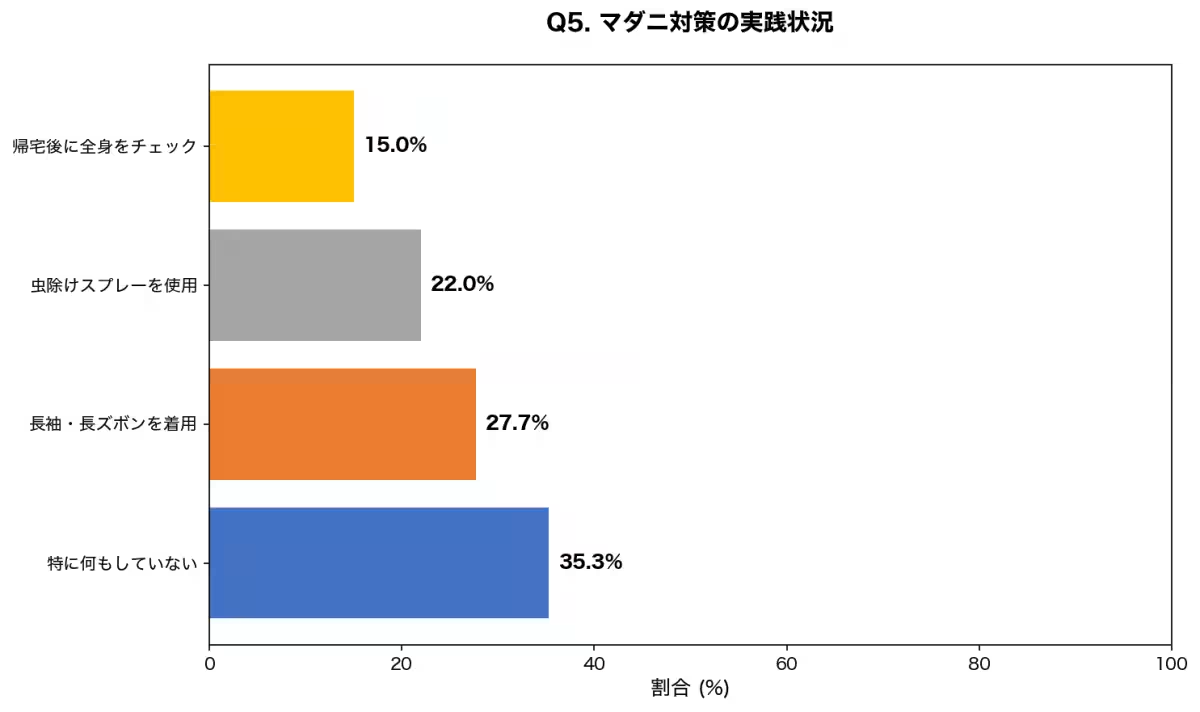
As outdoor activities like camping and hiking rise during the summer, the survey indicates an urgent need for better educational efforts. The National Institute of Infectious Diseases has noted that tick-borne disease cases spike during the summer months. Awareness of proper safety measures is woefully lacking, with nearly 35.3% of respondents stating they take no precautions against ticks.
The Urgent Call for Awareness
The statistics from this survey make it clear: proper action is critical following a tick bite. The best response is not to attempt removal by oneself, but to visit a dermatology clinic without touching the tick. This ensures safety and reduces the risk of infection.
Dr. Kōta Takakuwa, a physician at the Icy Clinic, emphasizes the importance of immediate medical attention and discourages attempting self-removal due to the risks of leaving tick parts in the skin, which could lead to severe infections.
Preventive Measures
The Icy Clinic suggests several preventive strategies for outdoor enthusiasts:
1. Wear long sleeves and pants to minimize skin exposure.
2. Use insect repellent containing DEET or Picaridin.
3. Avoid sitting or lying directly on the ground in grassy areas.
4. Take a shower after outdoor activities to check for ticks.
Final Thoughts
As the summer season approaches, it’s crucial to raise awareness about the dangers of ticks and the correct ways to address bites. Ignoring these guidelines can lead to serious health consequences, making public education on the topic essential for safety and well-being. Dr. Takakuwa encourages everyone who plans outdoor activities to undertake preventative measures and to seek immediate professional help if bitten. The knowledge gathered from this survey should serve as a wake-up call for all.
Topics Health)

【About Using Articles】
You can freely use the title and article content by linking to the page where the article is posted.
※ Images cannot be used.
【About Links】
Links are free to use.