



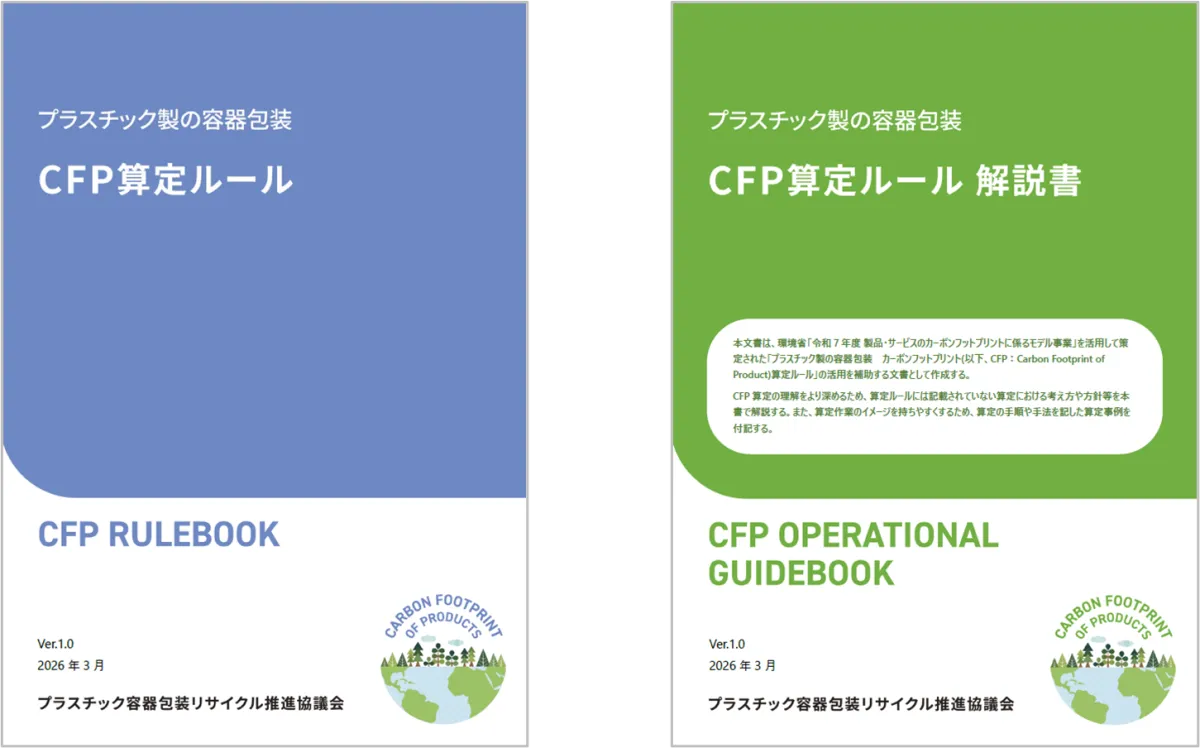
New Carbon Footprint Calculation Rules for Plastic Packaging by ZACROS and Partners
Establishing Carbon Footprint Standards for Plastic Packaging
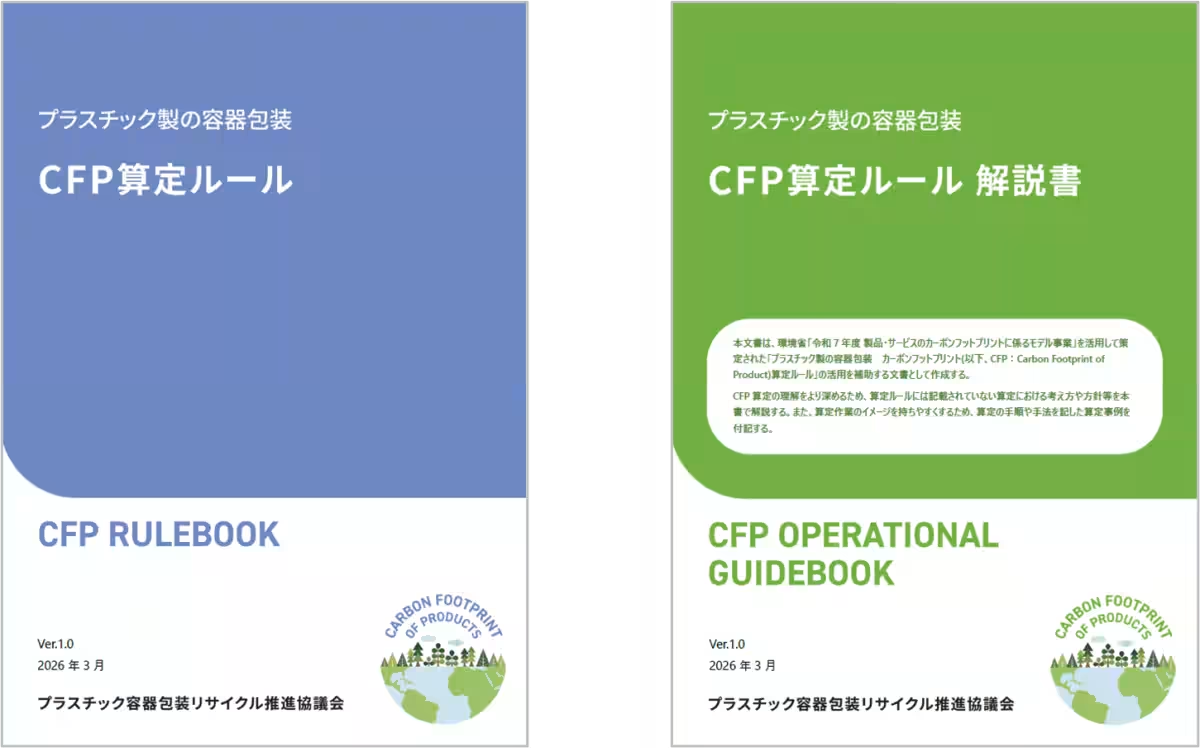
In a significant step towards fostering sustainability, ZACROS Corporation and five partner companies have collaborated with Japan's Ministry of the Environment. Together, they have developed a new set of rules for calculating the Carbon Footprint of Products (CFP) specifically targeting plastic packaging. This initiative aligns with Japan's broader goal of reducing environmental impact through better resource management related to plastic products.
Understanding the New Calculation Rules
Launched in June 2025, the new CFP calculation rules aim to clarify the processes involved in calculating a product's carbon footprint from raw material procurement all the way to disposal and recycling. The rules provide clear guidelines on the lifecycle analysis, ensuring that all relevant energy usage is accounted for. They also address principles for allocating emissions among multiple products produced within the same facility.
With this framework, businesses can collectively strive toward reliable methods of assessing and reporting their environmental impacts. This transparency is essential for encouraging consumers to make more environmentally conscious choices in their purchases.
The Six Key Players in the Initiative
The companies involved in this groundbreaking project include:
- - ZACROS Corporation (Tokyo Bunkyo, President: Taku Shimoda)
- - Dai Nippon Printing (Tokyo Shinjuku, President: Yoshinari Kitajima)
- - Toyo Seikan (Tokyo Shinagawa, President: Masanori Honda)
- - TOPPAN (Tokyo Bunkyo, President: Satoru Oya)
- - Plastic Container and Packaging Recycling Council (Tokyo Minato, Chairman: Hiroyuki Koyama)
- - PET Bottle Council (Tokyo Chuo, Chairman: Kazuyuki Kurosawa)
These companies have played instrumental roles in developing practical guidelines that companies across Japan can use to effectively calculate and report the carbon footprints of their products.
Enhancing Corporate Accountability
As part of a larger strategy, the new calculation rules emphasize the importance of accountability across the supply chain. By utilizing this common framework, businesses can share reliable environmental information, thereby enhancing trust among consumers.
The guidelines also provide helpful explanatory materials, ensuring that even less experienced companies can implement CFP calculations in a practical manner, complete with detailed descriptions and case studies that clarify each step of the process.
The Bigger Picture: A Commitment to Sustainability
With increasing awareness of environmental issues, it is crucial that companies offer transparent and credible information about their sustainability efforts. This initiative brings six key players together in a concerted effort to promote the development and availability of eco-friendly products. The broader objective is to create a society where consumers can easily choose environmentally friendly services and products, facilitating their participation in the global movement toward a sustainable future.
The results of this initiative will be shared widely, including an official presentation at the Ministry of the Environment's Decarbonization Management Forum scheduled for March 5, 2026, affirming the collaborative commitment to sustainability in Japan.
ZACROS has actively engaged in innovative practices since its establishment in 1955, driven by the goal of improving societal comfort through environmentally sound solutions. By focusing on the development of refillable packaging and adopting sustainable practices, ZACROS exemplifies a forward-thinking approach to environmental responsibility.
Future Goals and Vision
Looking ahead, these new guidelines set a common standard for manufacturers involved in the plastic packaging supply chain. As stakeholders further integrate these CFP calculations into their operational practices, the aim is to significantly reduce carbon emissions and enhance resource recycling aligned with the Plastic Resource Circulation Promotion Law.
This ambitious collaboration is not just about compliance, but rather fosters a movement aimed at achieving a dynamic shift in corporate responsibility towards a greener future for all.
For more information about these initiatives and the guidelines, you can visit the official websites of ZACROS and the Ministry of the Environment, where additional resources are continually being made available.
ZACROS Contact Information:
ZACROS Contact Page
Sources:
- - Plastic Resource Circulation Council: PPRC
- - Ministry of the Environment: Env. Japan
Topics Environment)




【About Using Articles】
You can freely use the title and article content by linking to the page where the article is posted.
※ Images cannot be used.
【About Links】
Links are free to use.