



Recent Discoveries on the Health Benefits of Whales: Exploring Frailty Prevention
Recent Discoveries on the Health Benefits of Whales: Exploring Frailty Prevention
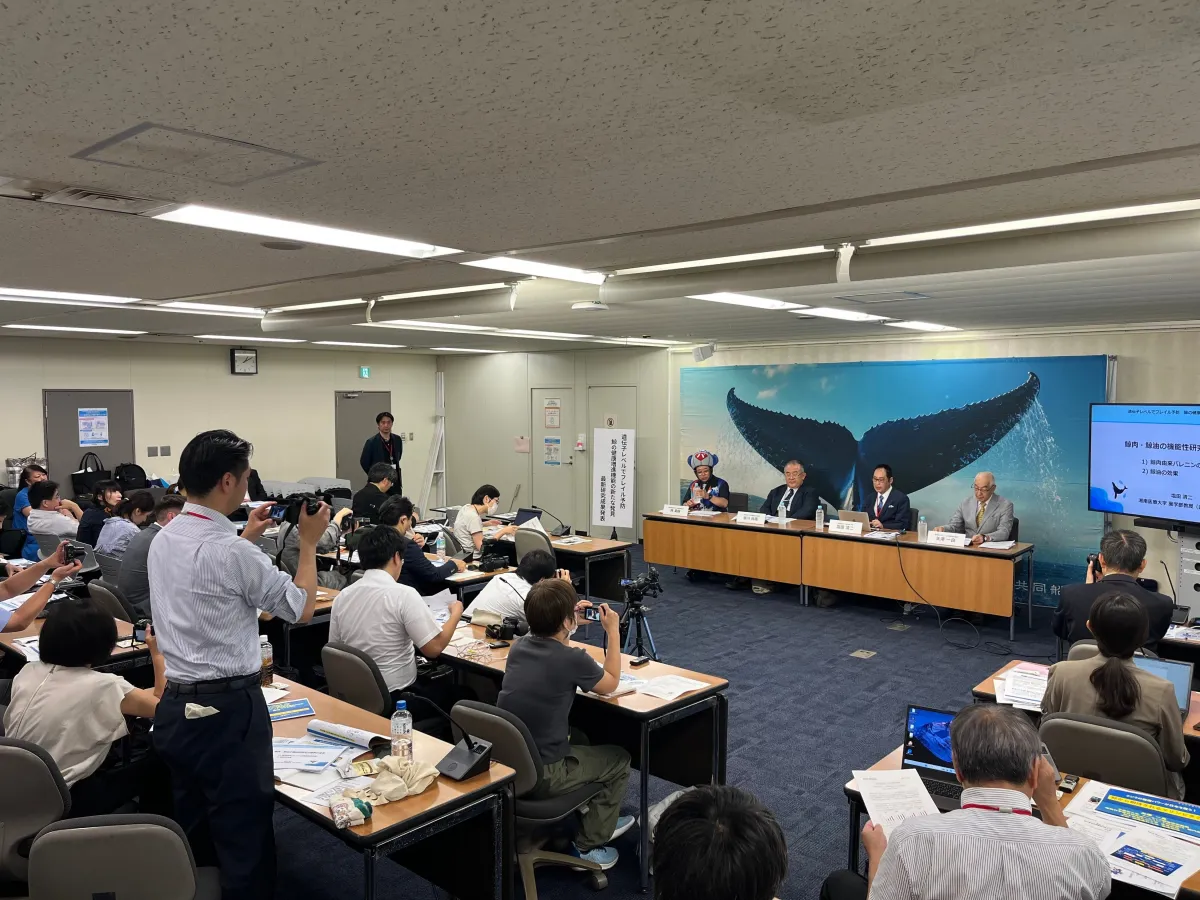
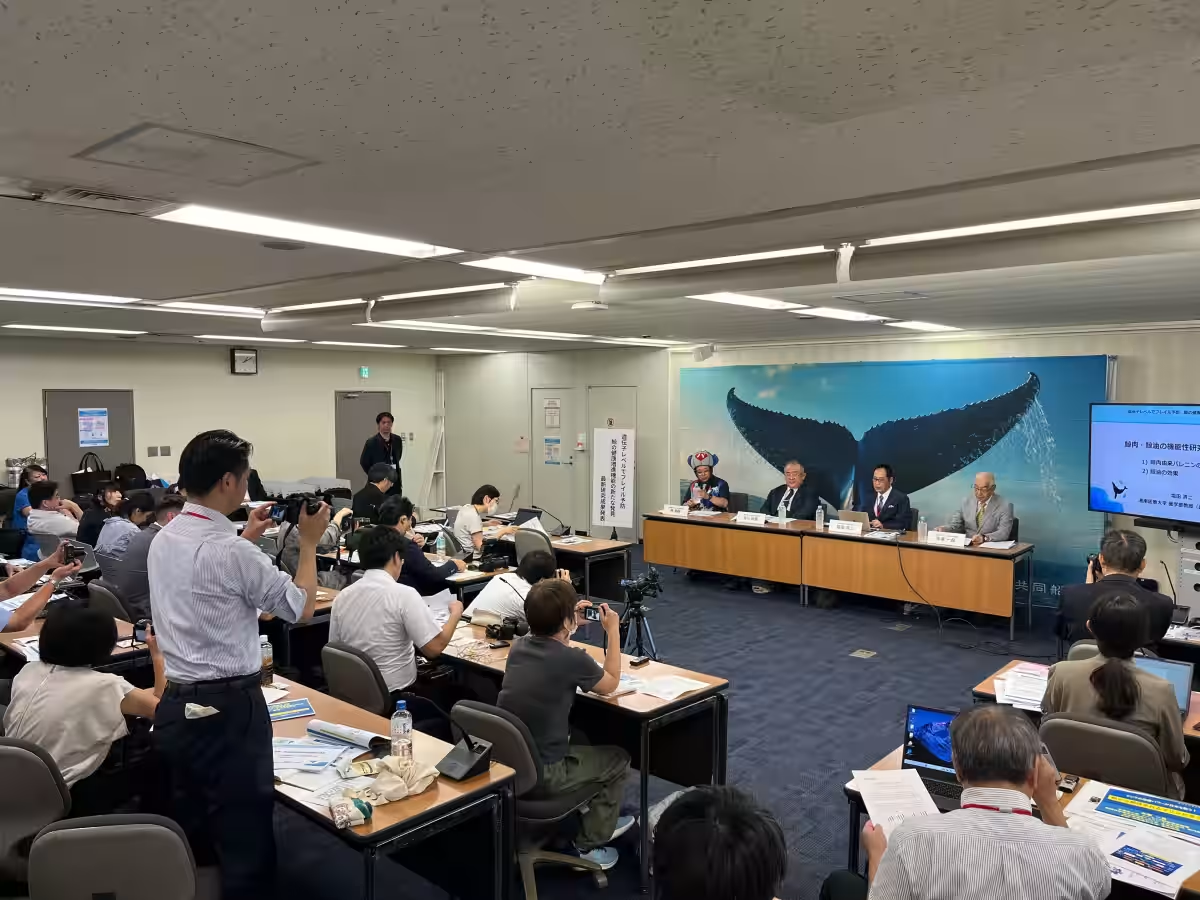
On September 25, 2025, the Japan Whaling Association announced significant research findings regarding the health promotion functions of whale meat and oil at a press conference held at the Ministry of Health, Labour and Welfare. This press event was well-attended by numerous media representatives eager to hear about the latest scientific insights and future prospects.
A panel consisting of prominent figures including Professor Seiji Shiota from Shonan Medical University, Professor Kazuyoshi Yazawa from Waseda University's Nano-Life Innovation Research Organization, and President Hideki Toko of Kyodo Shipping Co., Ltd., along with the chairman of the Japan Whaling Association, Naoya Tangawa, shared their knowledge and expertise during the session.
President Toko emphasized the critical role sustainable whaling plays in preserving Japanese food culture and advancing the future of the fisheries industry. He stated, “By scientifically validating the functional properties of whale meat and oil, we aim to communicate new value to younger generations and realize a resource-circulating society unique to Japan.”
Professor Shiota discussed the discovery of valine, an imidazole peptide, which has shown high antioxidant capabilities in clinical trials with athletes, contributing to improved endurance, autonomic nervous regulation, and sleep quality. He noted that for the elderly, valine potentially enhances cognitive function and concentration, and helps alleviate stress and depression. Additionally, he reported that the polyunsaturated fatty acids (DPA, EPA, DHA) found in whale oil are effective in reducing fat levels in the bloodstream and liver.
Professor Yazawa spoke about preventive medicine, particularly the efficacy of what he terms “marine vitamins” in addressing frailty across all age groups. He highlighted the potential application of valine in health foods and cosmetics due to its anti-fatigue properties.
Key Points from the Presentation
1. New Findings on Valine in Whale Meat
- - High antioxidant effects contribute to fatigue reduction, increased endurance, stable autonomic nervous system function, and improved sleep.
- - Confirmed improvements in concentration, stress reduction, and relief from depressive symptoms among the elderly.
- - Reports of fatigue improvement and enhanced sleep quality among high school athlete trials.
2. Functional Properties of Whale Oil and Potential in Preventing Lifestyle Diseases
- - Confirmed improvements in triglycerides and fatty liver in both animal and human studies due to omega-3 fatty acids including DPA, EPA, DHA.
- - Suggested new applications leveraging antioxidant properties for hair growth and skin health.
3. Sustainable Use of Whale Resources and Marine Ecosystem Conservation
- - Identified risks of overprotecting whales, potentially leading to a decrease in fishery resources and an increase in anisakis parasites.
- - Scientific management ensures resource maintenance for up to a century.
4. Implications of ‘Marine Vitamins’ for Preventing Frailty and Preventive Medicine
- - Introduction of a new health concept utilizing vitamin-like substances found in marine organisms.
- - Emphasis on whale meat and oil’s dual role in nutrition and functionality to tackle frailty.
Messages from the Speakers
Naoya Tangawa, Chairman of the Japan Whaling Association
“Whale-eating culture is not merely a tradition; it's a sustainable resource utilization that contributes to the environment, health, and economy. The time has come to overturn misconceptions that 'whales should not be eaten' using scientific evidence. I am grateful for the opportunity to announce these latest findings at the Ministry of Health.”
Tangawa highlighted the diminishing whale-eating culture among younger generations, stressing the need to convey whale meat's high protein and low-calorie benefits, which have historically been viewed as healthy.
Hideki Toko, President of Kyodo Shipping Co., Ltd.
On Protecting Whales and Ocean Abundance
“Whales consume approximately 4% of their body weight daily. The Japan Cetacean Research Institute estimates that the world's whales consume 3 to 6 times the annual human fishing catch. Overprotecting these apex predators may disrupt the marine ecosystem and deplete fishery resources.”
Importantly, Toko noted that harvesting one whale can yield up to 15 times its weight in fish resources available for human consumption, indicating that responsible whaling supports sustainable practices.
The approach to whaling is scientifically regulated, following internationally recognized management guidelines that ensure a healthy resource status for the next century. Additionally, meat traceability ensures that consumers receive safe and secure food resources.
In terms of health benefits, Toko noted significant findings from a school athlete trial with valine supplements, which showed improvements in fatigue (58.1% positive change), sleep quality (55.9%), and concentration (54.2%), supporting the continued use of whale-derived nutrients for enhanced physical performance and recovery.
These research outcomes highlight the health benefits of whale meat and oil, contributing to disease prevention, muscle improvement, brain function activation, and overall wellness. The ongoing scientific efforts focus on clarifying the unexplored effects of whale-derived components, aiming to contribute to an extended healthy lifespan for individuals through informed dietary practices centered on these marine resources.




Topics Health)
【About Using Articles】
You can freely use the title and article content by linking to the page where the article is posted.
※ Images cannot be used.
【About Links】
Links are free to use.