


ART FAIR TOKYO 20: Official Talk Program Highlights and Insights
Overview of the Event
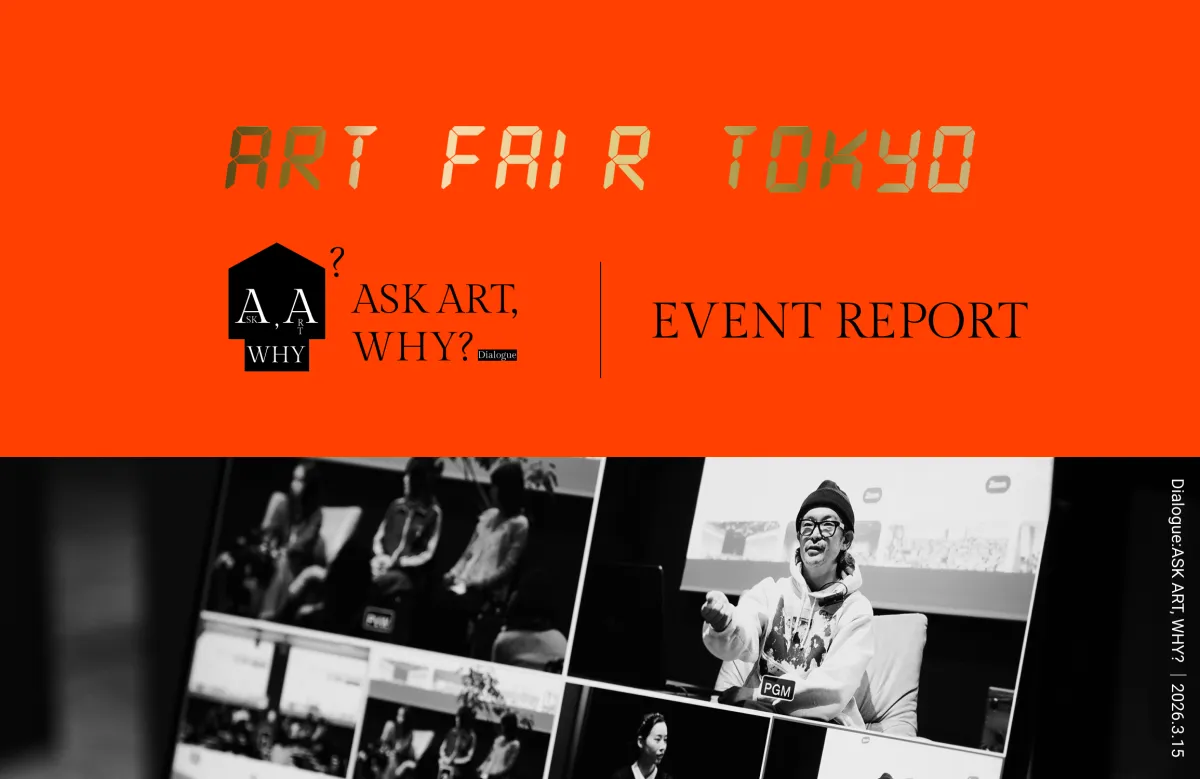
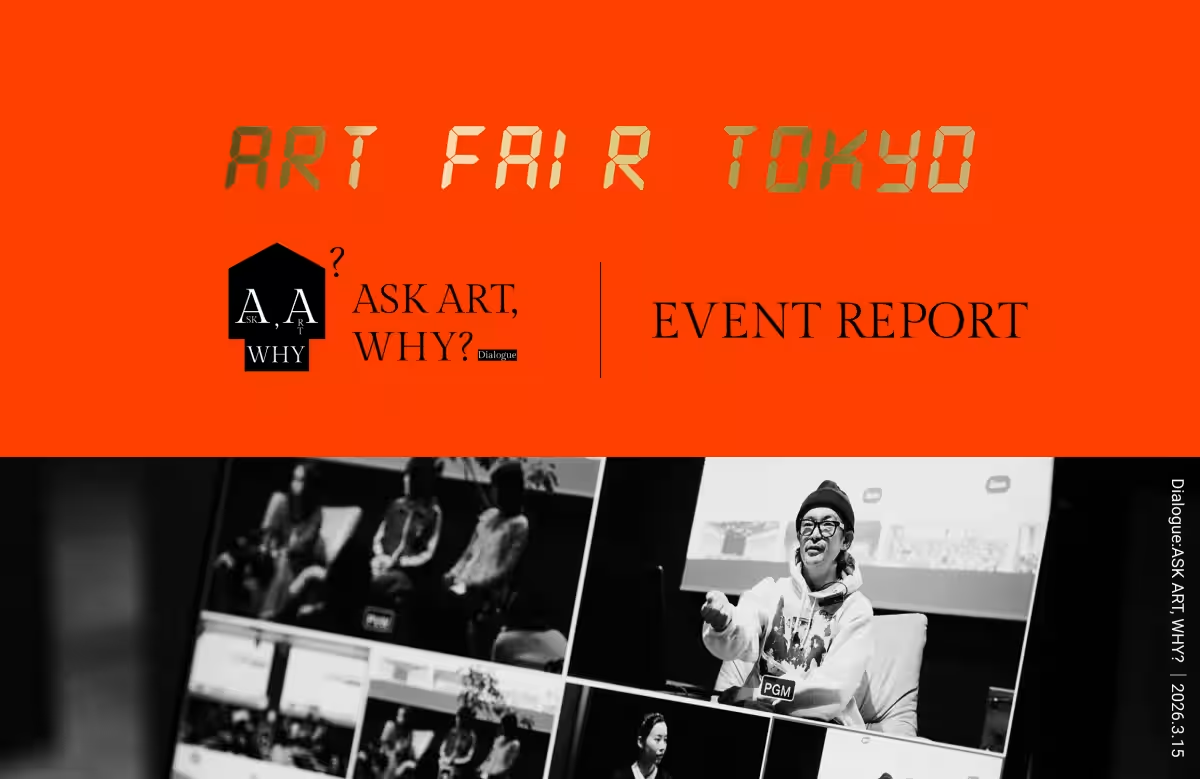
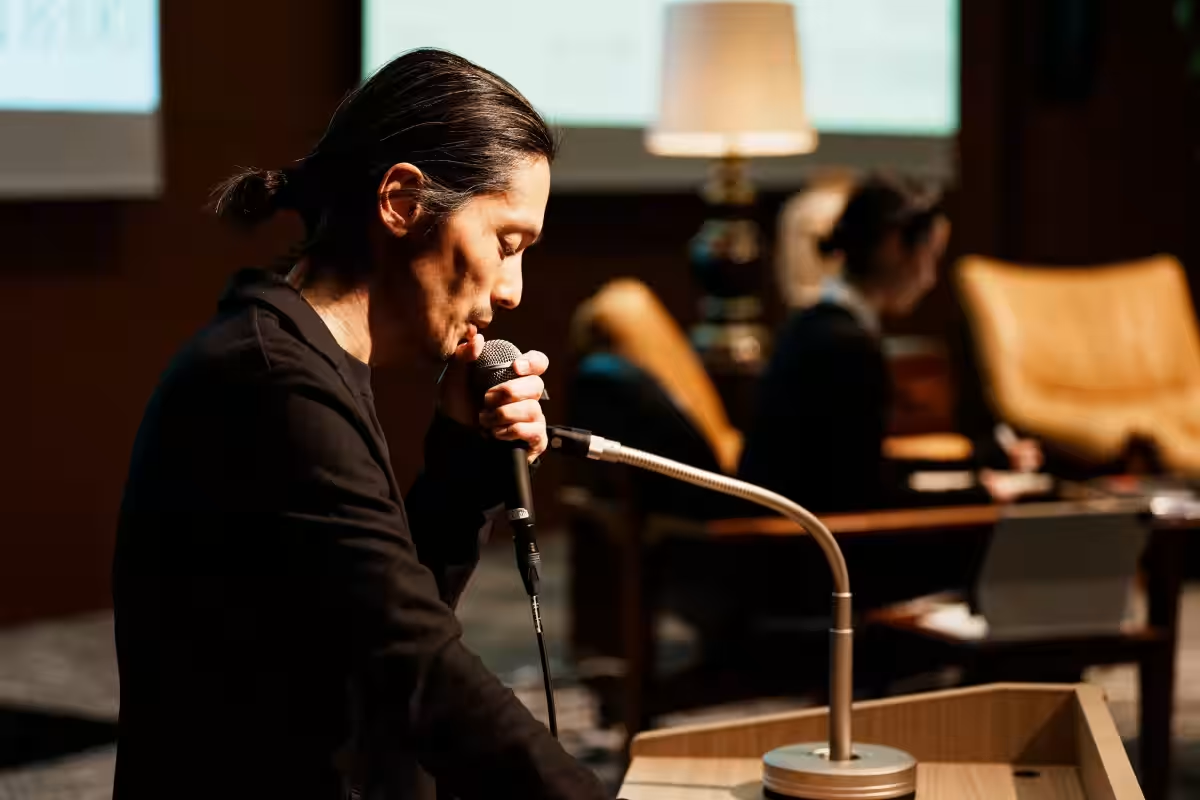
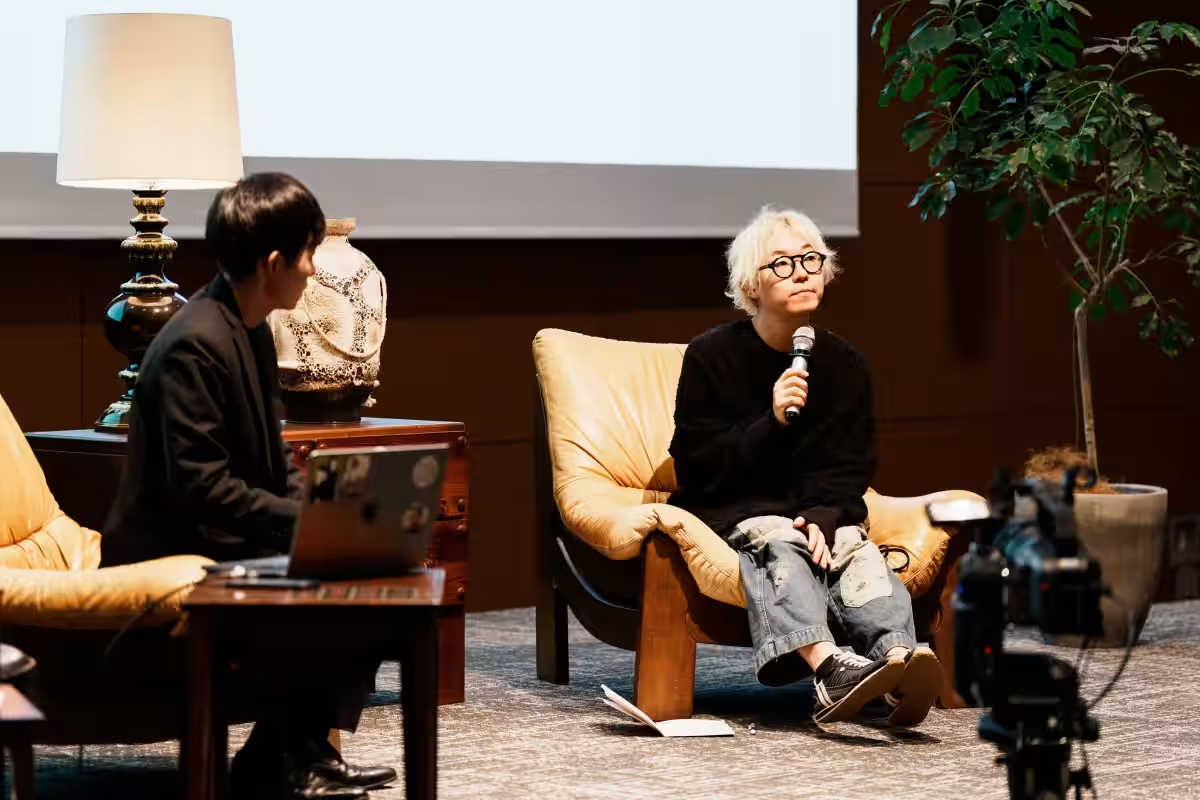
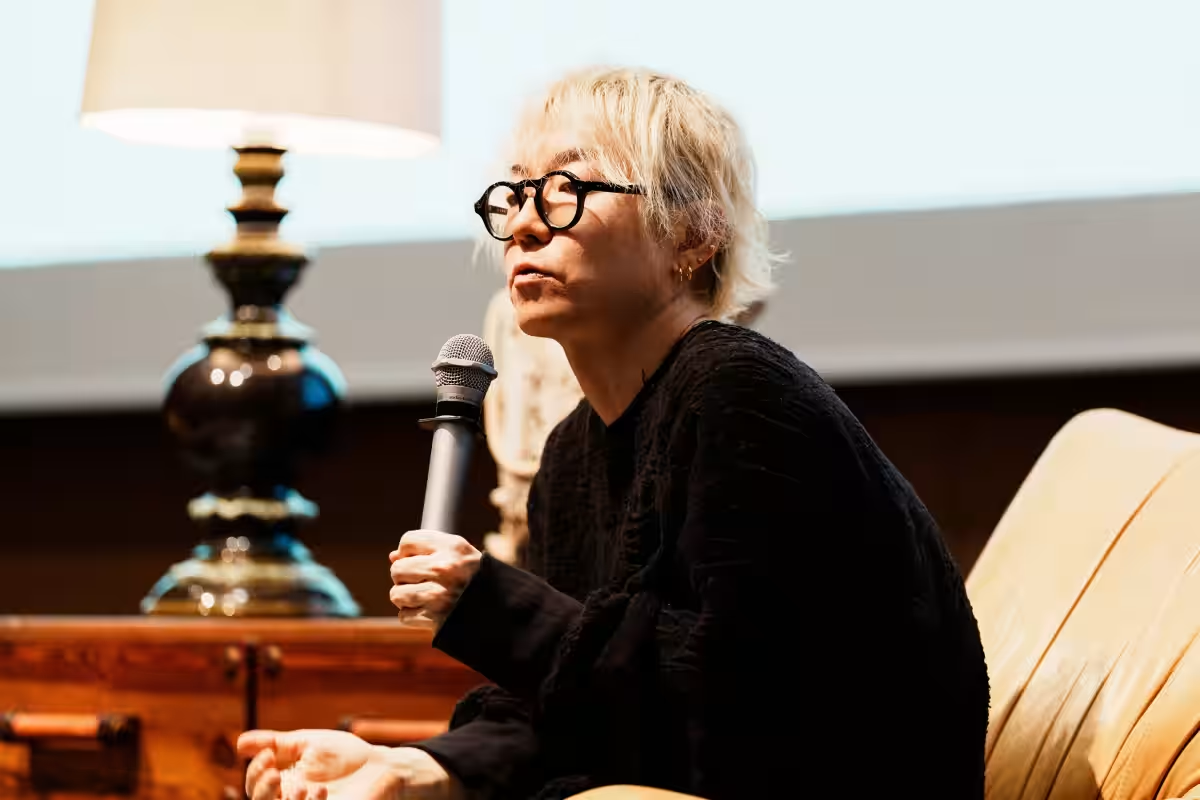
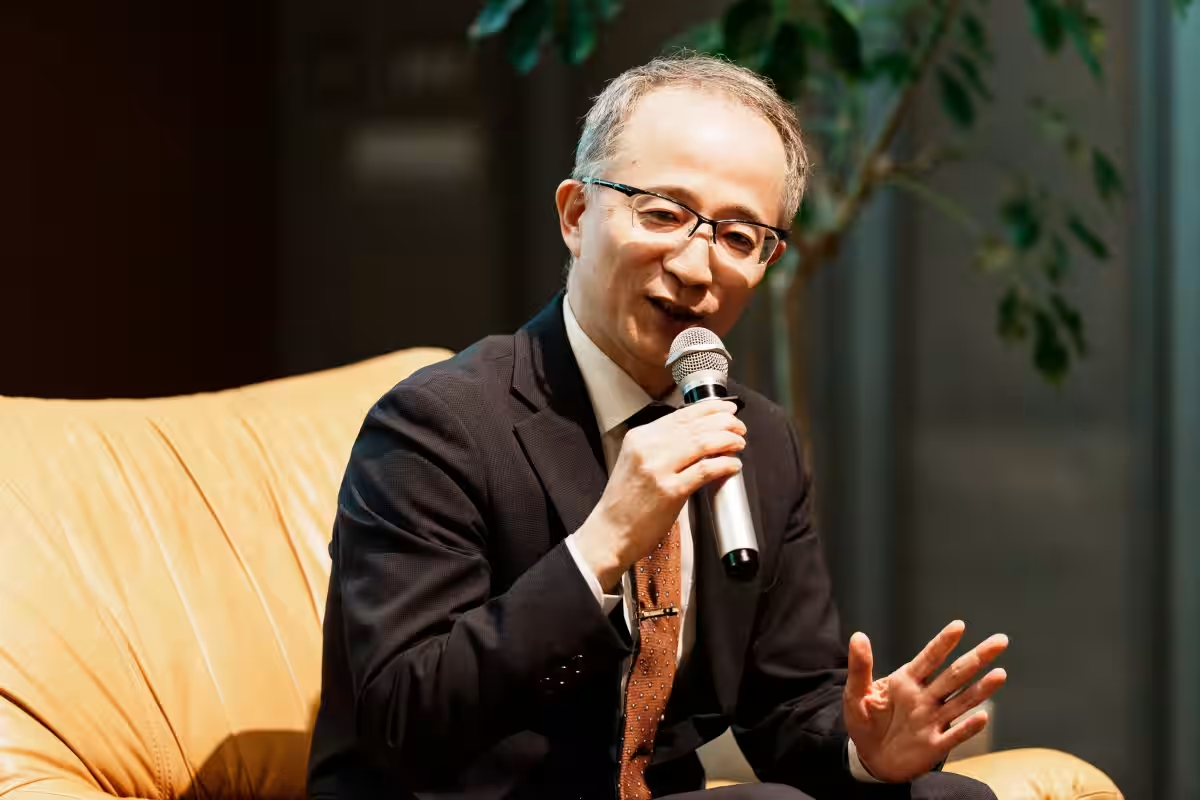
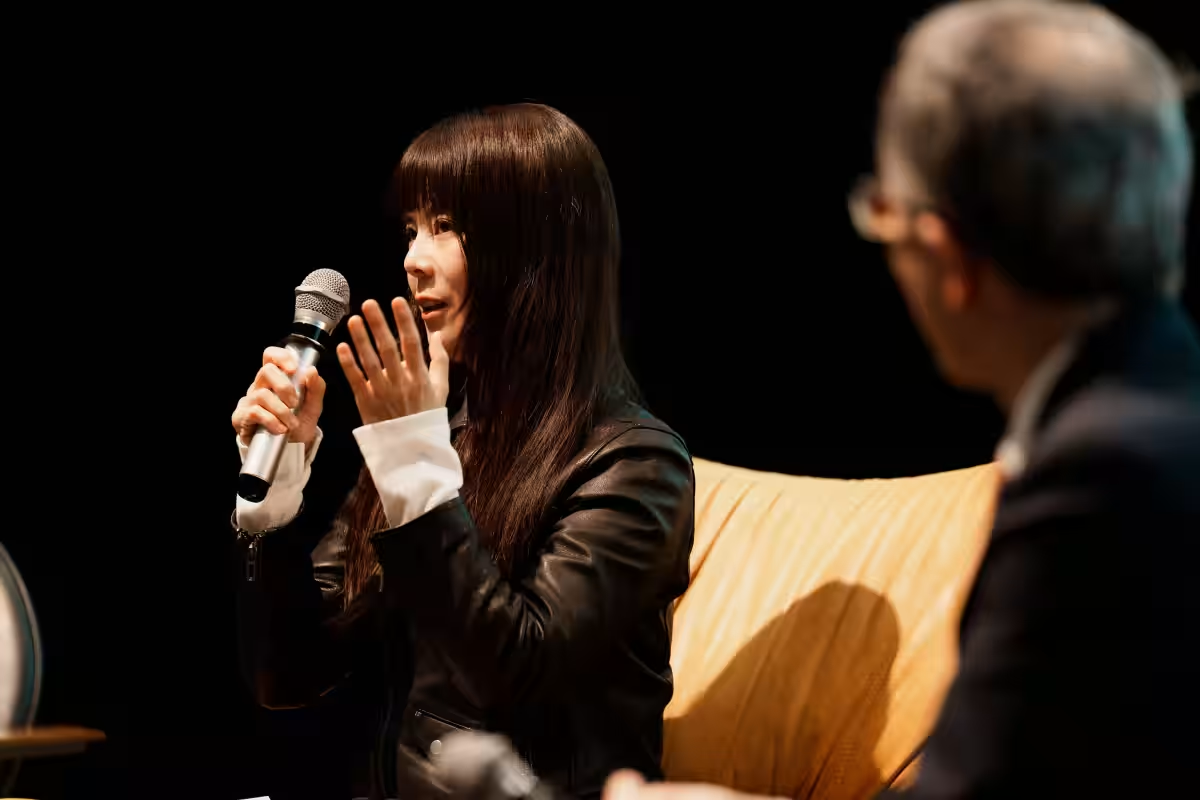
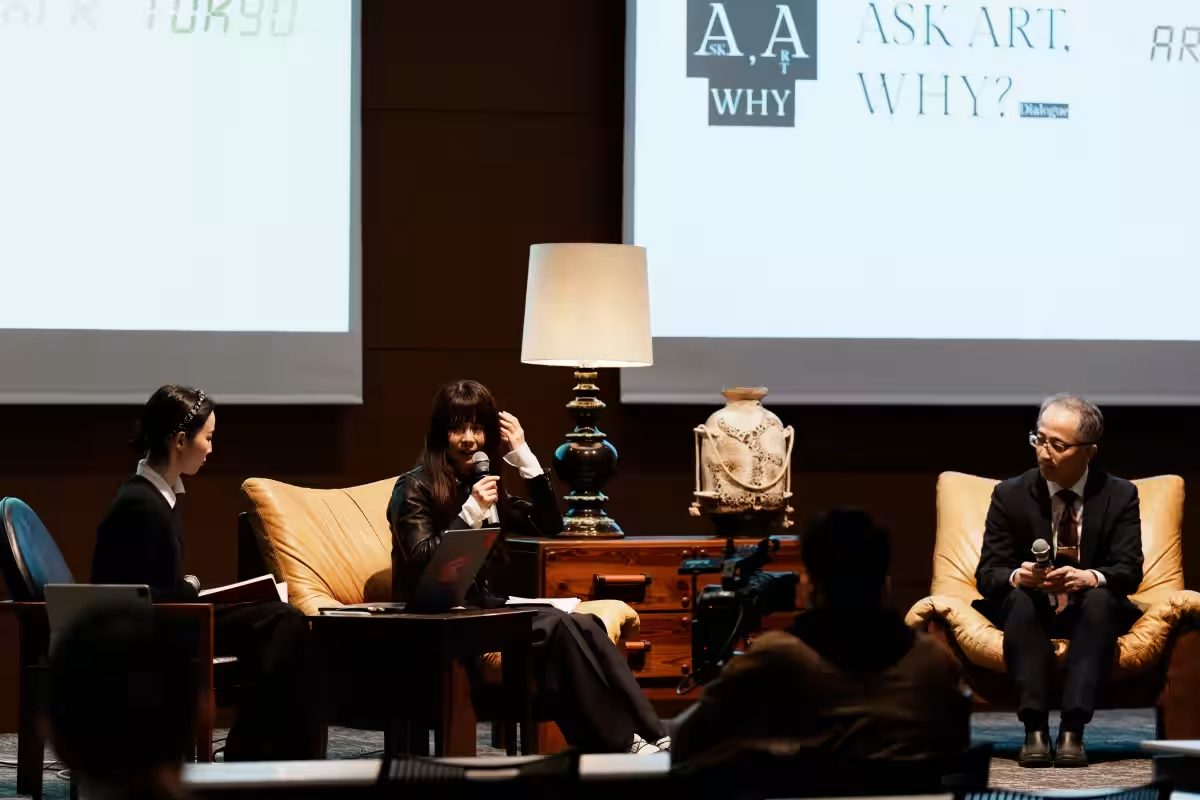
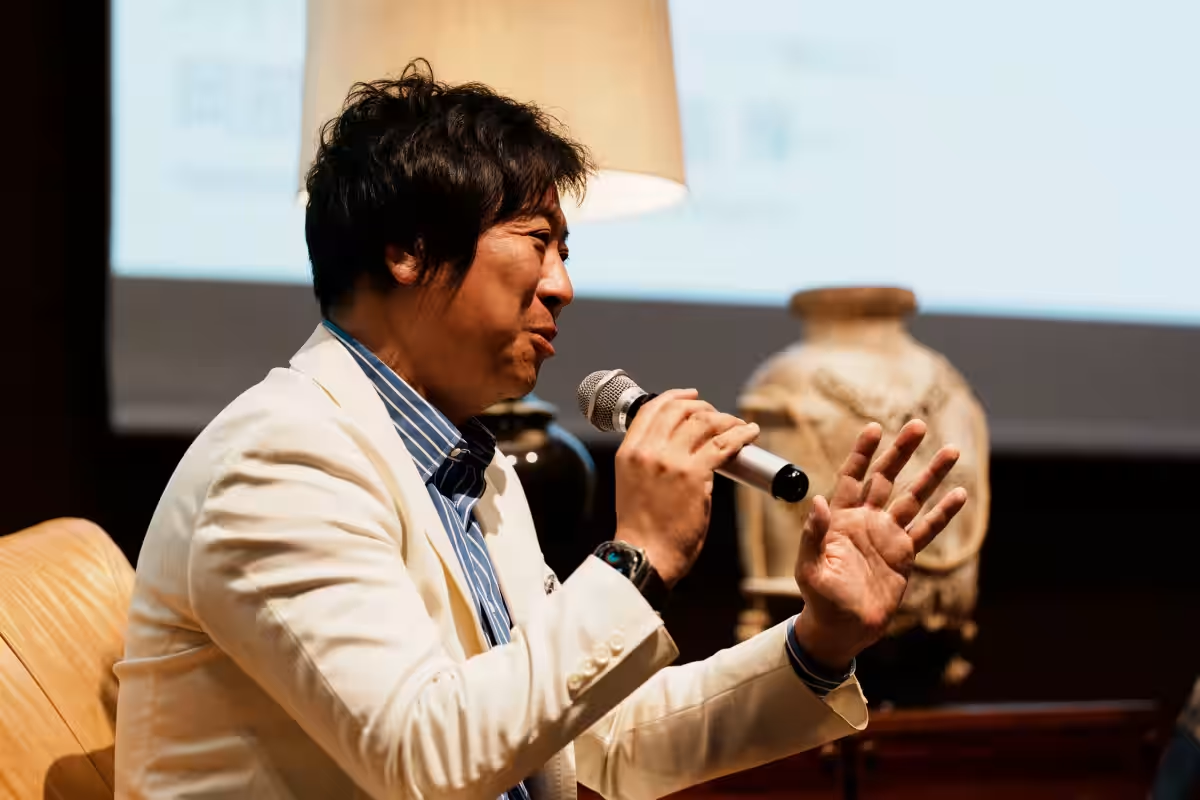
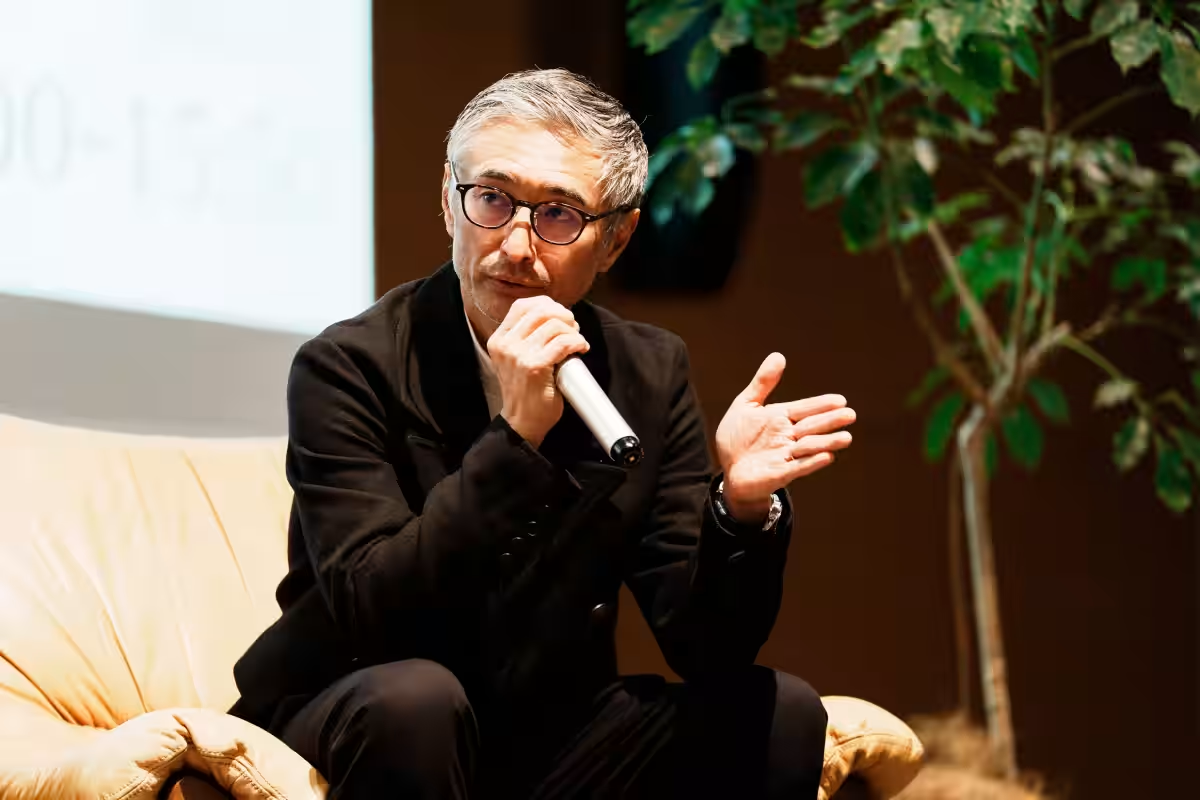
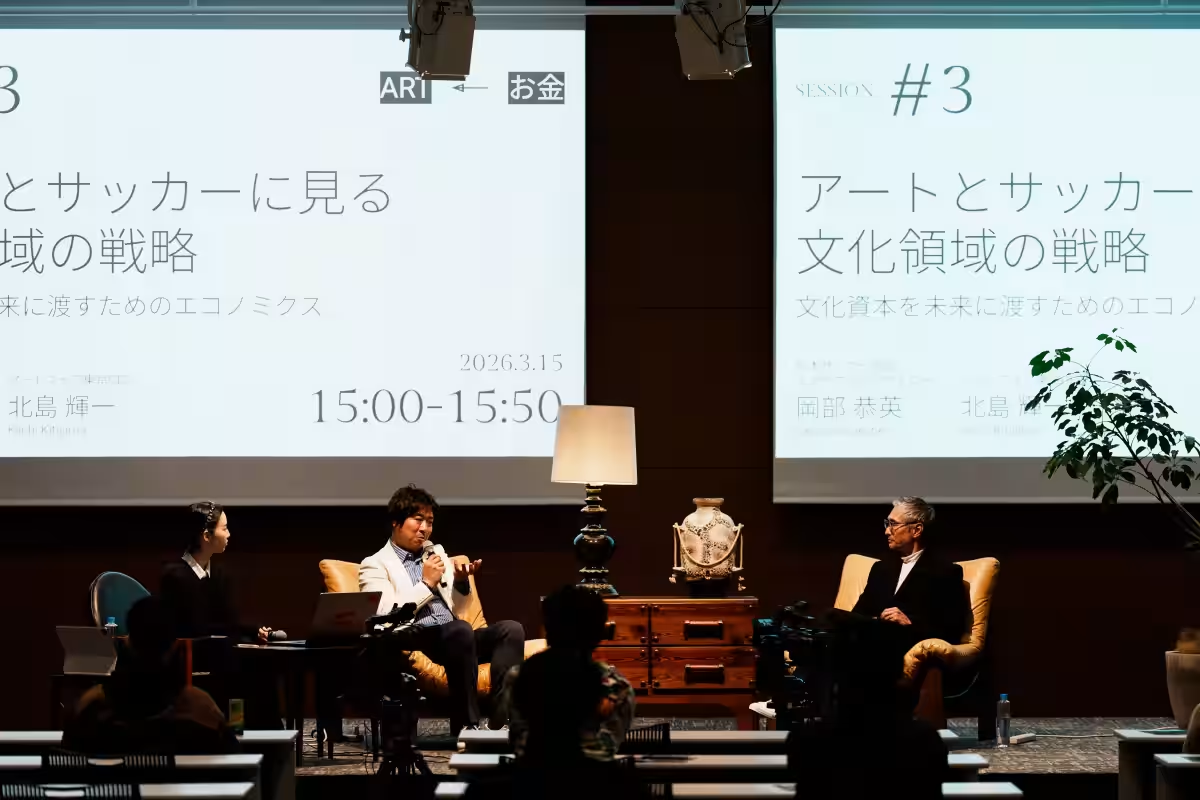
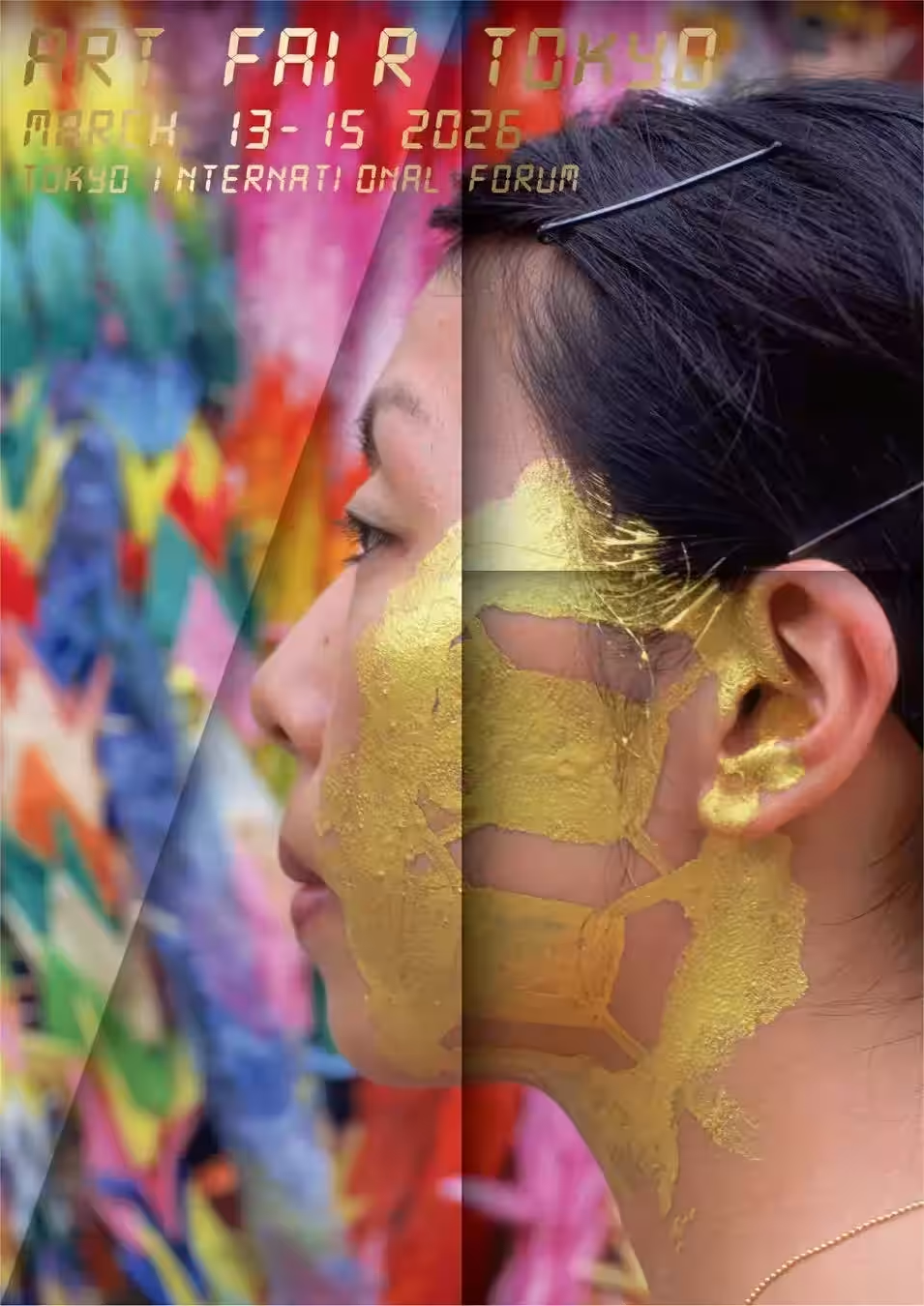
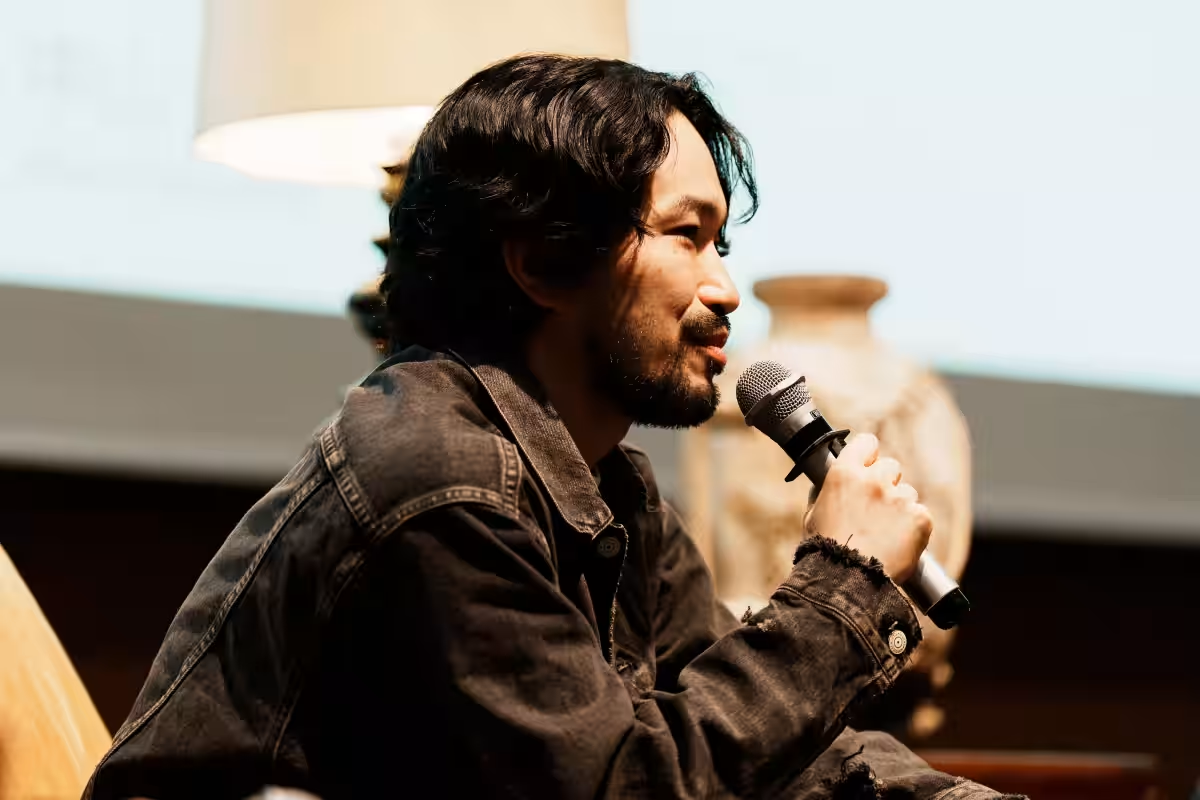
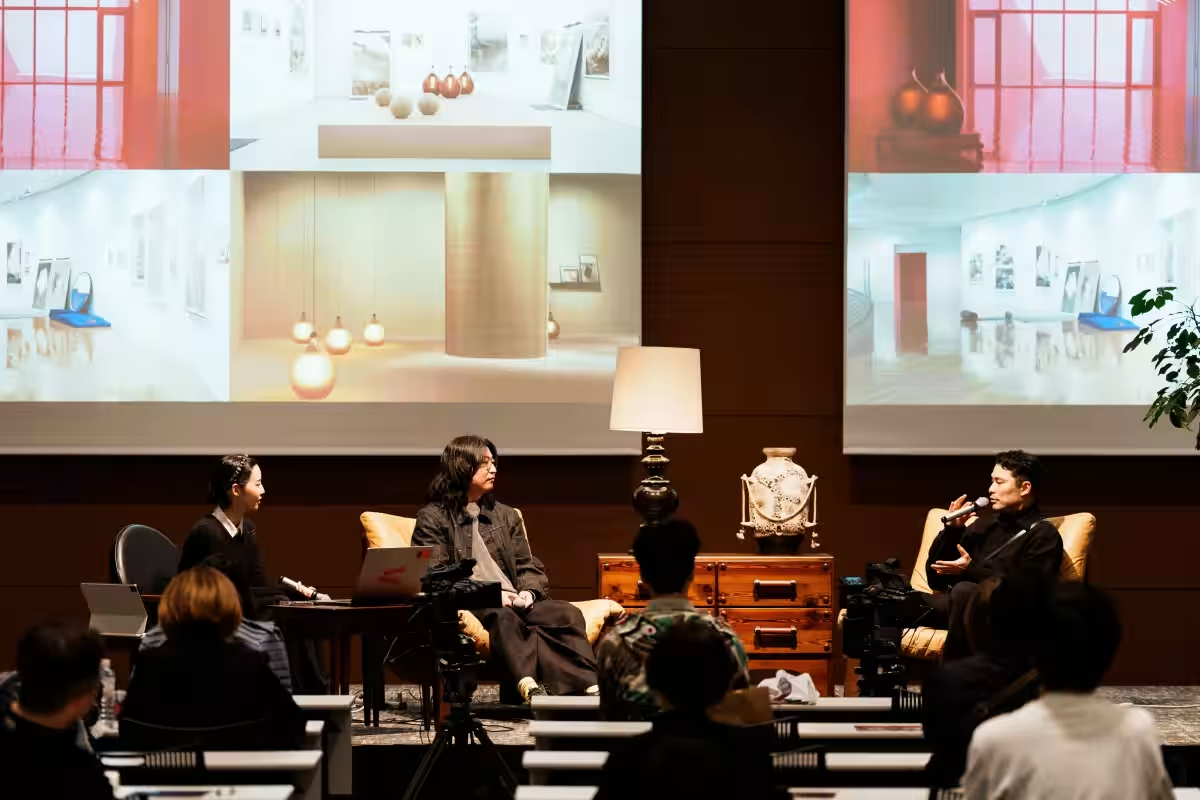
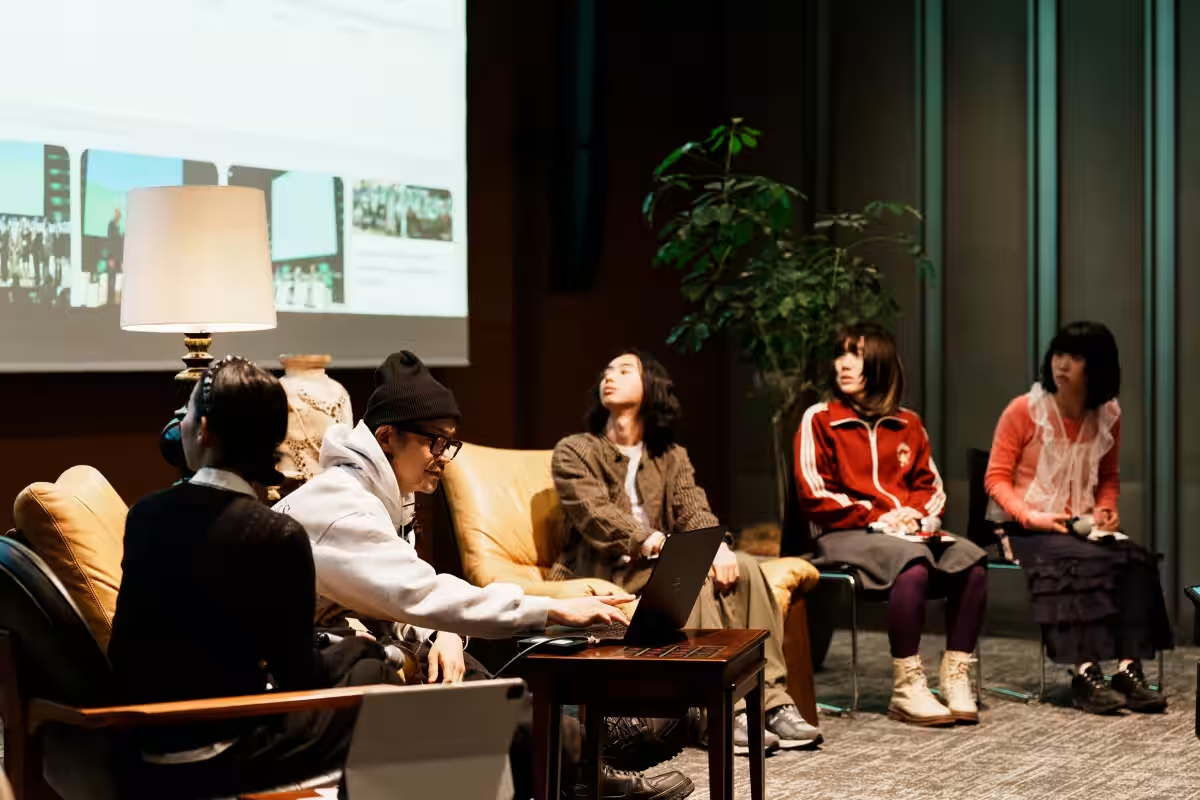
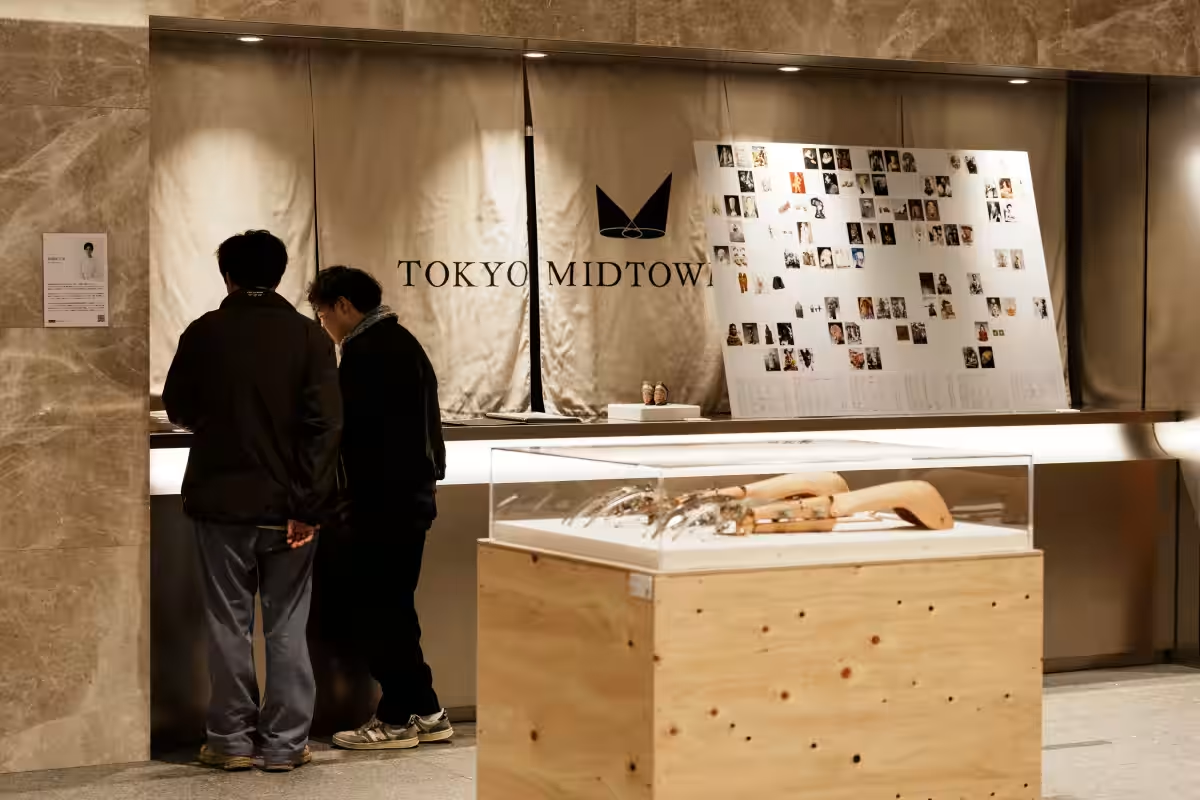
On March 15, 2026, the official talk program of ART FAIR TOKYO 20, titled "Dialogue: ASK ART, WHY?" was held at the Innovation Field in Tokyo Midtown Yaesu. Organized by artTunes, the event featured seven engaging sessions that explored various contemporary issues surrounding art and its role in society. After a two-year hiatus, this program brought diverse speakers together to engage in meaningful dialogues about art and its significance in today's world.
The event was hosted by art fair organizer A-Tokyo and brought in renowned support from Mitsui Fudosan. The idea was simple but profound: to question the value and role of art in modern society, particularly through the lens of inclusivity and cultural dialogue.
Themes Explored
Throughout the seven sessions, attendees delved into the complexities of art from various angles, considering issues such as the social exclusion present in historical art narratives, the relationship between AI's aesthetic perspectives and human judgment, and the intersections of culture, strategy, and ecological systems within the art sector. Each session was moderated by experts in their respective fields, creating a rich tapestry of discussions.
Session Summaries
1. What Does Open Art Mean?
The first session featured contemporary art historian Hiroki Yamamoto as he questioned who or what art has historically excluded. This inquiry sparked dialogues about the necessity of redefining 'open art' in the modern context, particularly in terms of values and accessibility.
2. AI's Eye vs Human Aesthetic Judgment
In the second session, artist Kumi Kaguraoka and mathematical scientist Hiroyoshi Toyoshiba conversed about who decides aesthetic value in the age of AI. This discussion opened up debates about whether AI could surpass human curators and how much decision-making power we should entrust to machines.
3. Cultural Strategies in Art and Sports
The third session saw Kiyotaka Okabe and Keiichi Kitajima compare cultural fields of art and soccer, reflecting on how cultural capital can be sustained over generations. Their dialogue highlighted the structures behind the public perception of both art and sports.
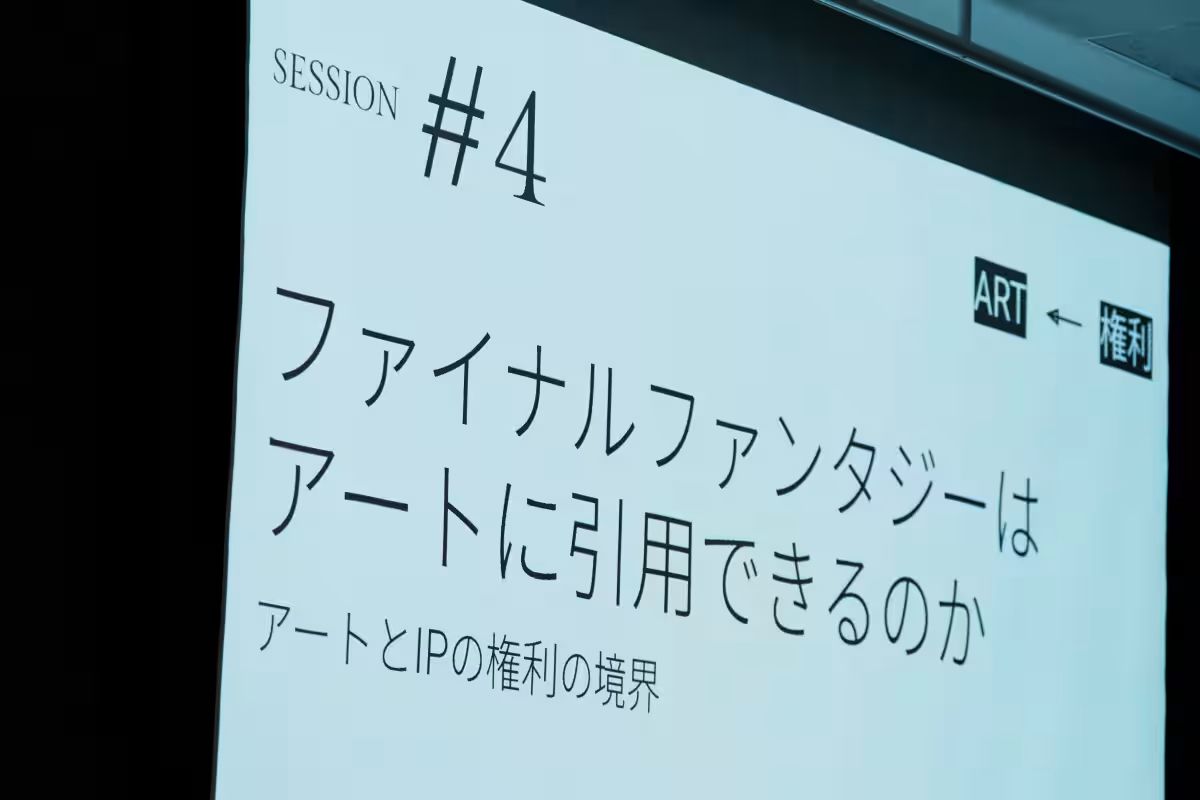
4. Art and IP Rights: Can Final Fantasy Be Cited?
In the fourth session, researchers Junya Nakayama and Hayato Komatsu explored the boundaries of citation and creation rights in contemporary art and intellectual property, questioning the interplay between art and entertainment mediums.
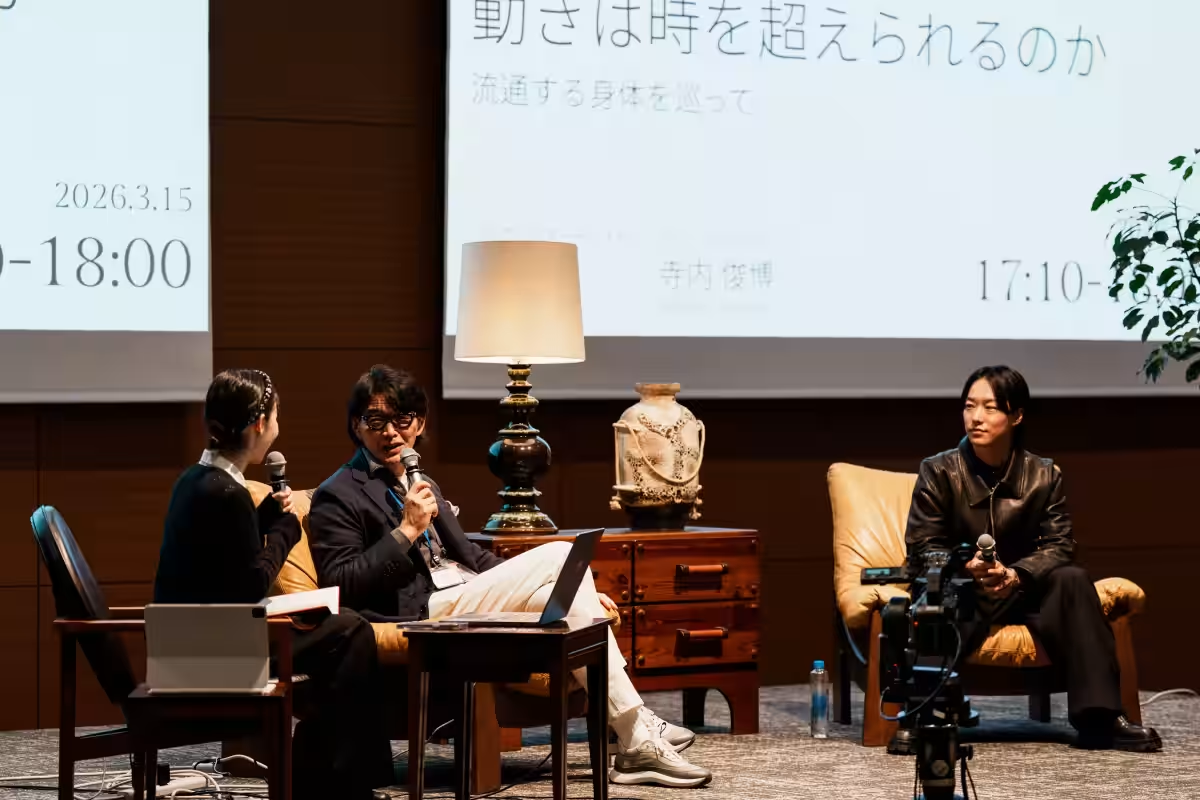
5. Can Movement Transcend Time?
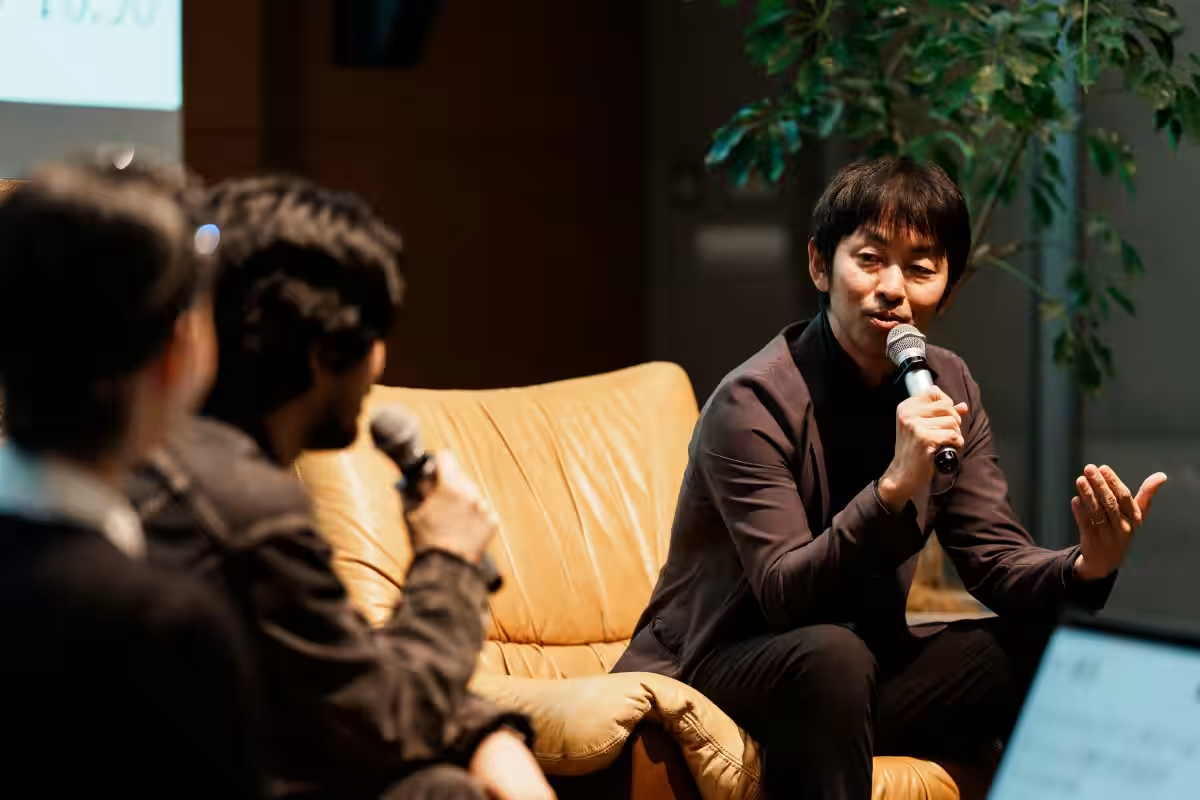
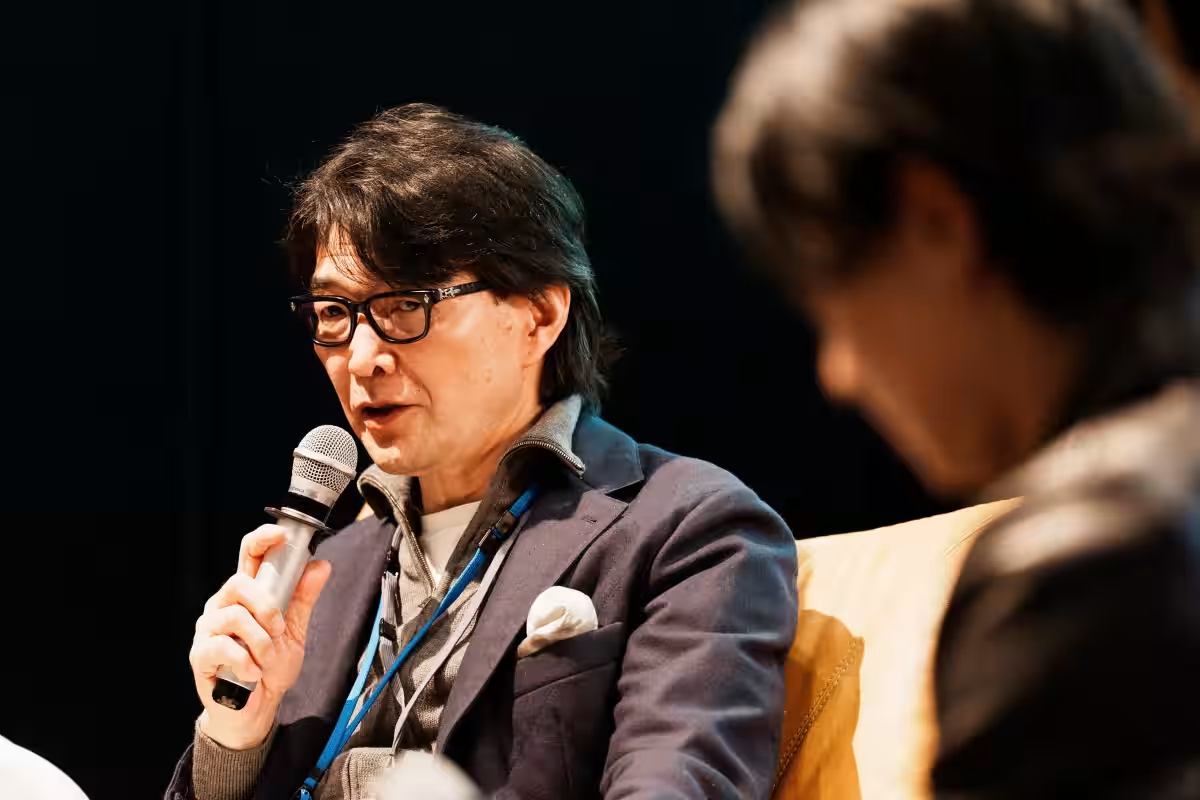
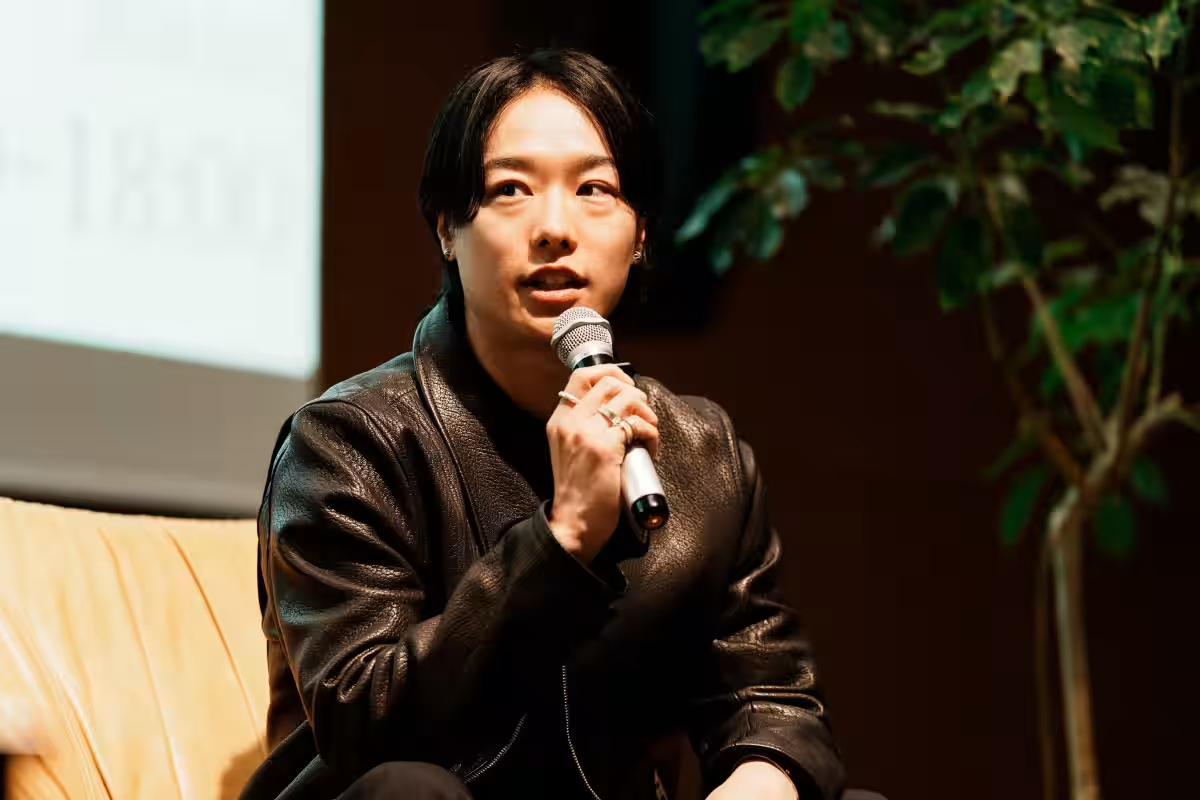
Parkour artist Zen and art advisor Toshihiro Terauchi explored the historical significance of movement and its commercialization in art, considering how physical artistic expressions can carry historical weight.
6. Is There a Hierarchy between Art and Design?
Artists Yusuke Aonuma and Hiroshi Isogai debated the perceived hierarchies between art and design, discussing how crucial this understanding is for modern societal connections.
7. The Role of Artists in an AI World
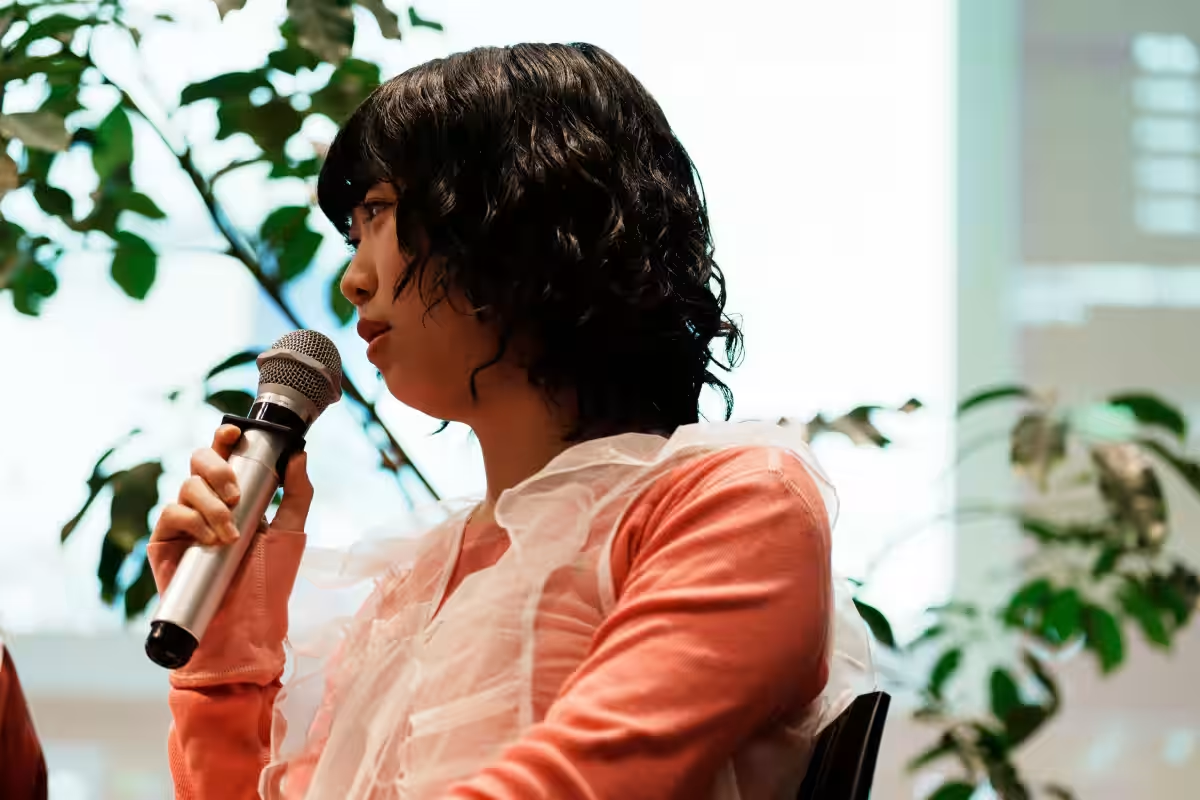
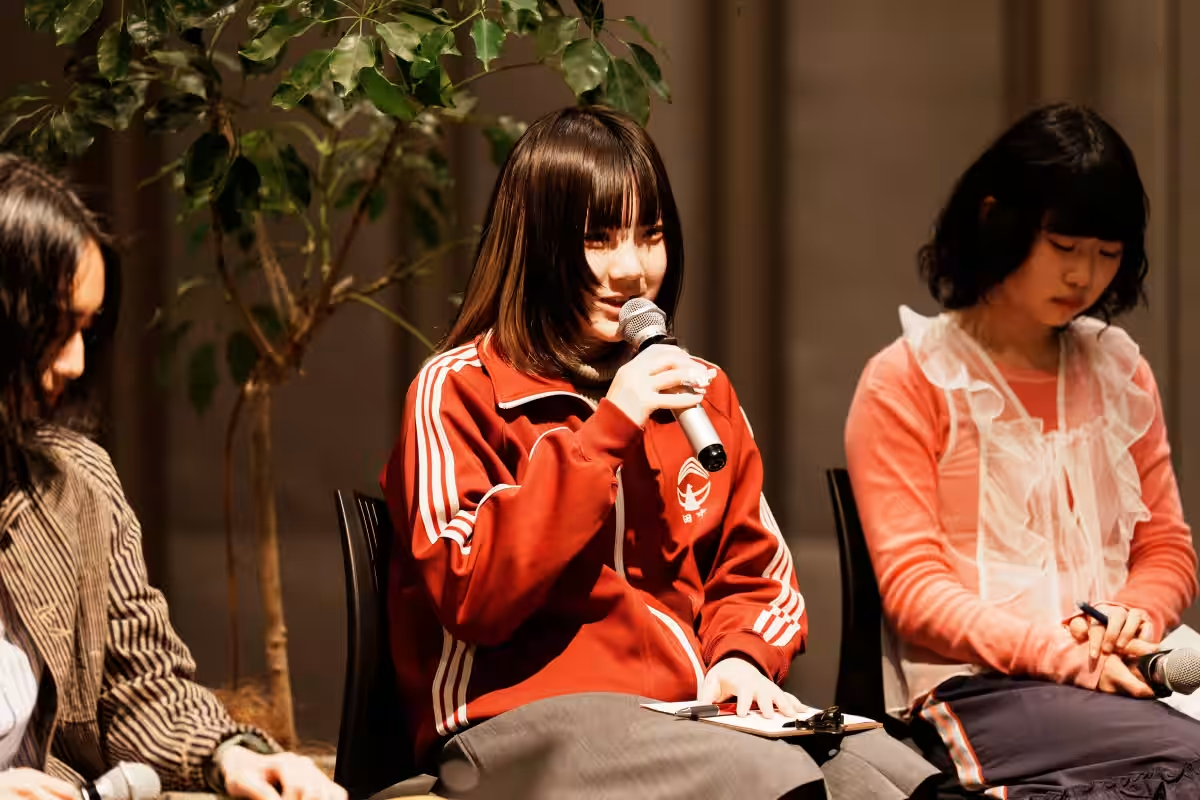
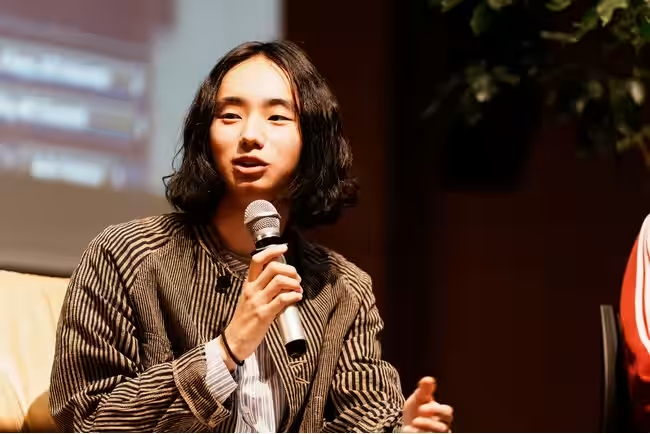
The final session featured a dialogue between artist/programmer Daito Manabe and a group of high school students engaged in participatory art. They discussed the threats AI presents to human creativity and the evolving role of the artist in this transformative landscape.
Conclusion
The "Dialogue: ASK ART, WHY?" program fostered an invaluable exchange of ideas, urging participants to rethink preconceived notions around art. With the vision that everyone can be an artist, artTunes aims to continue opening dialogues and creating intersections of diverse talent and expertise.
This year's event not only highlighted current trends and concerns within the art world but also provided a platform for emerging voices, bridging generational and disciplinary gaps within the field.
For more details about ART FAIR TOKYO, including future events and programs, please visit their official website at ART FAIR TOKYO.
Topics Entertainment & Media)

【About Using Articles】
You can freely use the title and article content by linking to the page where the article is posted.
※ Images cannot be used.
【About Links】
Links are free to use.