



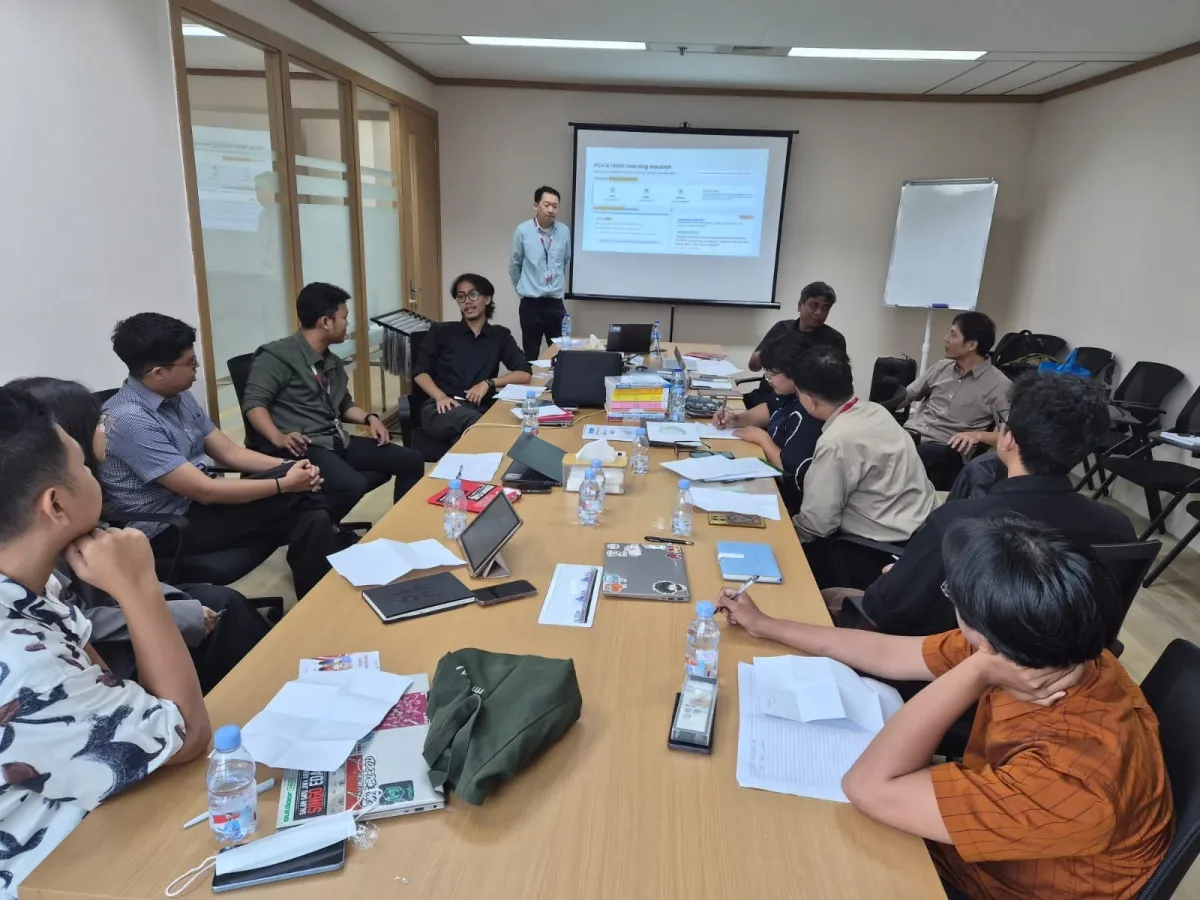
Enhancing Retention of Indonesian Workforce through Edo Period Moral Workshop for Soken-School Teachers
Enhancing Retention of Indonesian Workforce in Japanese Companies
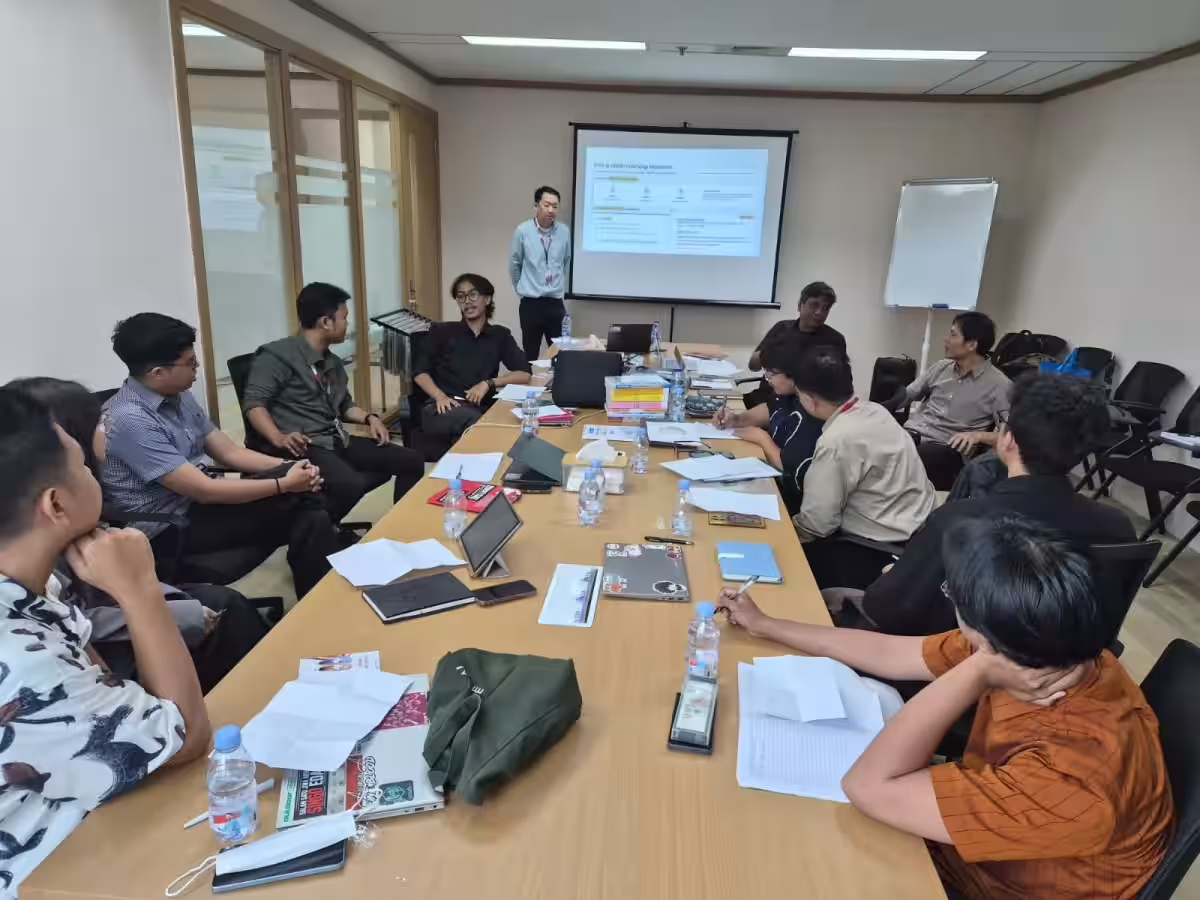
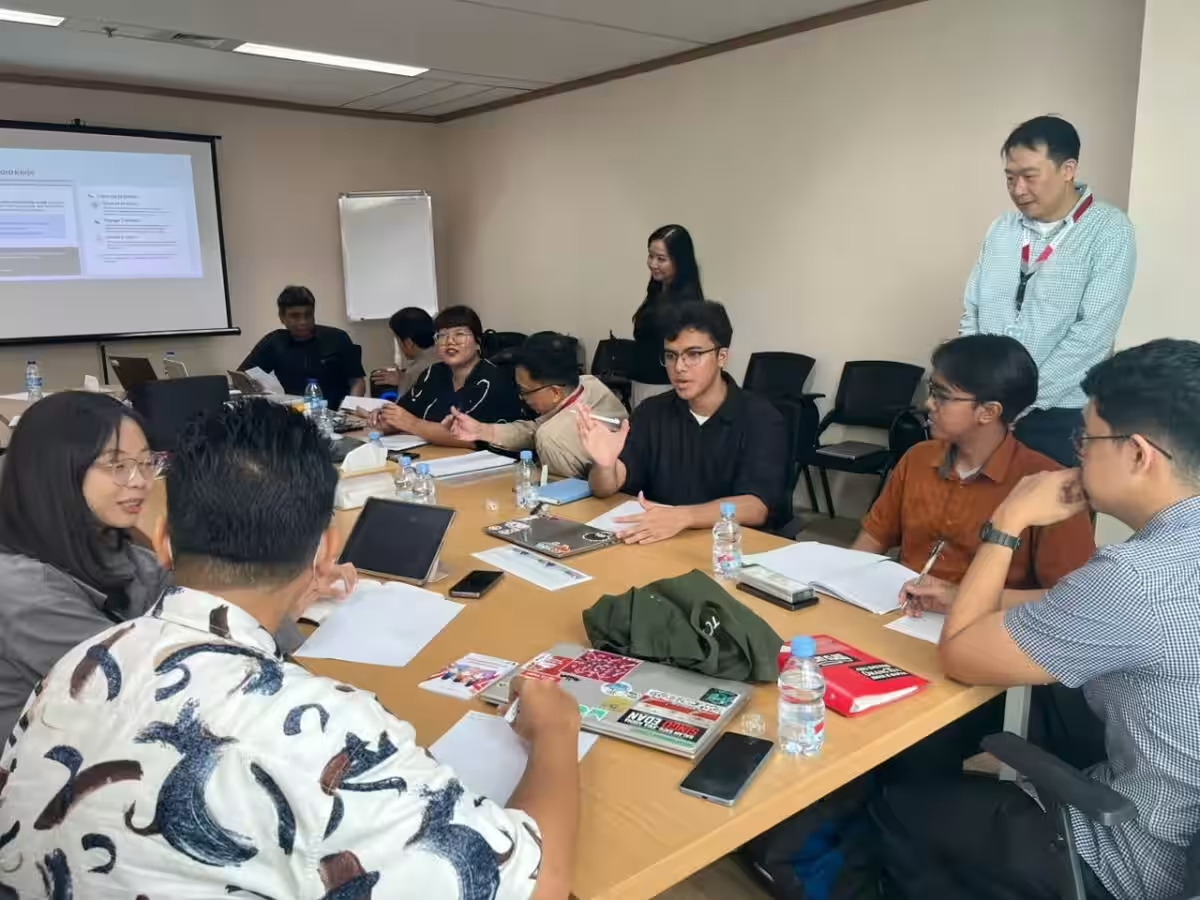
In an innovative effort to improve the retention rates of Indonesian talent in Japan, the Indonesia Comprehensive Research Institute recently conducted a workshop aimed at educators at Soken-School. The workshop focused on imparting the Edo period's moral framework, specifically the Eight Virtues (八徳), to help Indonesian teachers integrate these values into their curriculum. This approach aims to nurture individuals who can thrive and remain within Japanese corporate environments for the long term.
Background: The Employment Dilemma
As the number of specific skilled workers from Indonesia continues to rise, Japanese companies face a pressing challenge: many employees, once trained and hired, leave within a few years. Businesses have reported frustrations regarding skilled workers transitioning to different companies seeking better opportunities shortly after being onboarded. Such early departures hinder growth and profitability, leading to increased costs and time in recruitment and training.
The Indonesia Research Institute recognizes the need for a more profound educational approach beyond just language skills and technical training. It emphasizes instilling a mindset and values that align with the cultural and ethical standards of Japanese workplaces.
Workshop Goals and Structure
The core objective of the workshop was to equip Soken-School's Indonesian teachers with a deep understanding of the Eight Virtues. Teachers are encouraged to weave these values into their everyday communications with students rather than merely teaching them as a separate ethics course.
The Eight Virtues taught during the workshop include:
- - 仁 (Jin): Compassion and empathy for others
- - 義 (Gi): Adhering to a morally correct path
- - 礼 (Rei): Demonstrating respect for others through manners and protocols
- - 智 (Chi): Possessing wisdom to discern right from wrong
- - 忠 (Chuu): Loyalty and commitment to one’s duties and organization
- - 信 (Shin): Being honest, keeping promises, and avoiding deceit
- - 孝 (Kou): Valuing and respecting one’s parents
- - 悌 (Tei): Showing respect and care for elders and siblings
These virtues play an essential role in understanding the relational dynamics and work ethics in modern Japanese society, serving as guiding principles in the workplace.
Addressing Job-Hopping Through Cultural Understanding
The issue of job-hopping among Indonesian workers within Japanese companies often stems from a clash of values. For instance, the virtue of 忠 (Chuu) promotes sincerity and dedication to one's organization, while 義 (Gi) stresses the importance of loyalty to those who have supported or taught them. Furthermore, 信 (Shin) incentivizes maintaining integrity in employment contracts.
By grasping these values, Indonesian employees can shift their focus from immediate benefits to building a stable career within a Japanese company, fostering a deeper commitment and enhancing retention rates. Teaching these values through the lens of the Edo virtues provides students with a cultural and ethical framework that explains company norms rather than simply dictating rules.
Reception and Future Directions
Feedback from the workshop highlighted its effectiveness; many teachers expressed a newfound clarity in explaining why Japanese culture emphasizes etiquette and loyalty. The workshop provided both Japanese and Indonesian instructors with a systematic understanding of the cultural nuances necessary for communicating these values to students.
The Indonesia Comprehensive Research Institute plans to continue these educational initiatives through the Soken Teacher Academy, which will focus on integrating Japanese corporate culture, entrepreneurship, and values education derived from the Edo period. This approach is anticipated to significantly boost the retention rates of Indonesian personnel in Japanese companies, addressing ongoing job-hopping issues.
Support for Companies Hiring Indonesian Talent
Educating Indonesian talent extends beyond language skills and technical proficiency; it requires instilling an awareness of the cultural values inherent in Japanese society. The Indonesia Research Institute advocates for a comprehensive educational model that fosters long-term employment satisfaction for both employees and employers. Companies struggling with the recruitment and retention of Indonesian workers are encouraged to consult with the Indonesia Research Institute for support and guidance.
For more information, you can visit the Indonesia Comprehensive Research Institute's website at www.indonesiasoken.com and their foreign talent matching service, BANK ORANG, at indonesia-hr.jp.
Topics General Business)
【About Using Articles】
You can freely use the title and article content by linking to the page where the article is posted.
※ Images cannot be used.
【About Links】
Links are free to use.