




Exploring the Link Between Happiness and Consumer Behavior in Japan
The Connection Between Happiness and Spending Patterns in Japan
In a recent survey conducted by Asmarq, a prominent marketing research firm, insights into the relationship between happiness and consumer behavior in Japan have been unveiled. The study involved 1,000 individuals aged 20 and above and sought to determine how different levels of happiness influence spending patterns and consumer preferences.
Key Findings
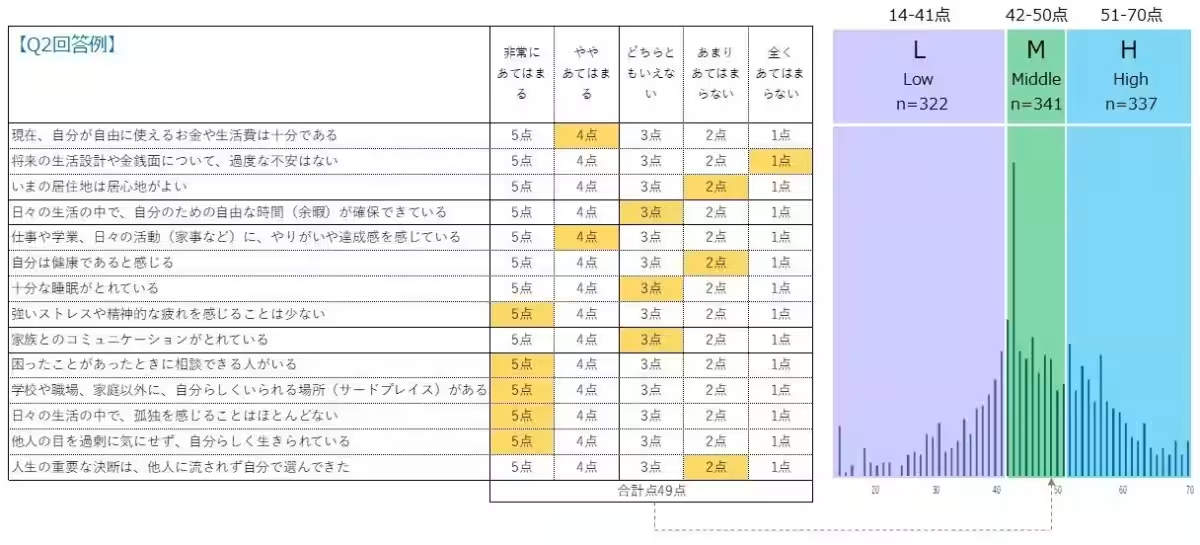
The results of the survey highlighted clear distinctions in consumer behavior associated with varying levels of happiness. Respondents were classified into three categories based on their happiness scores: High (H), Middle (M), and Low (L).
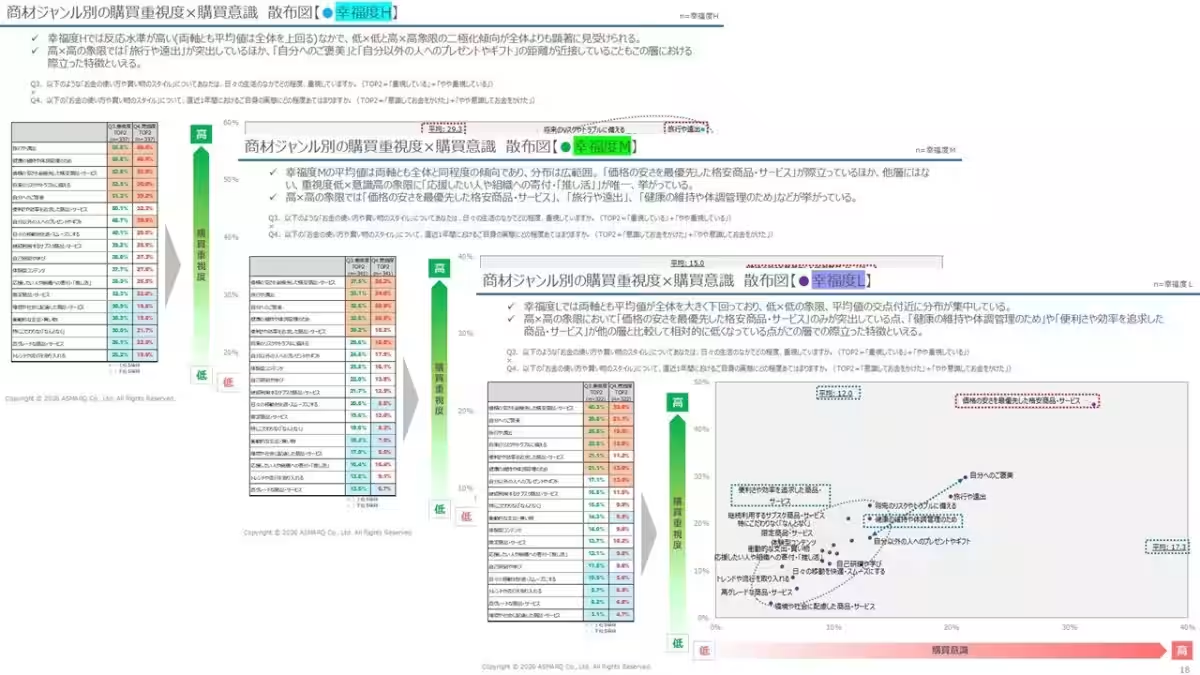
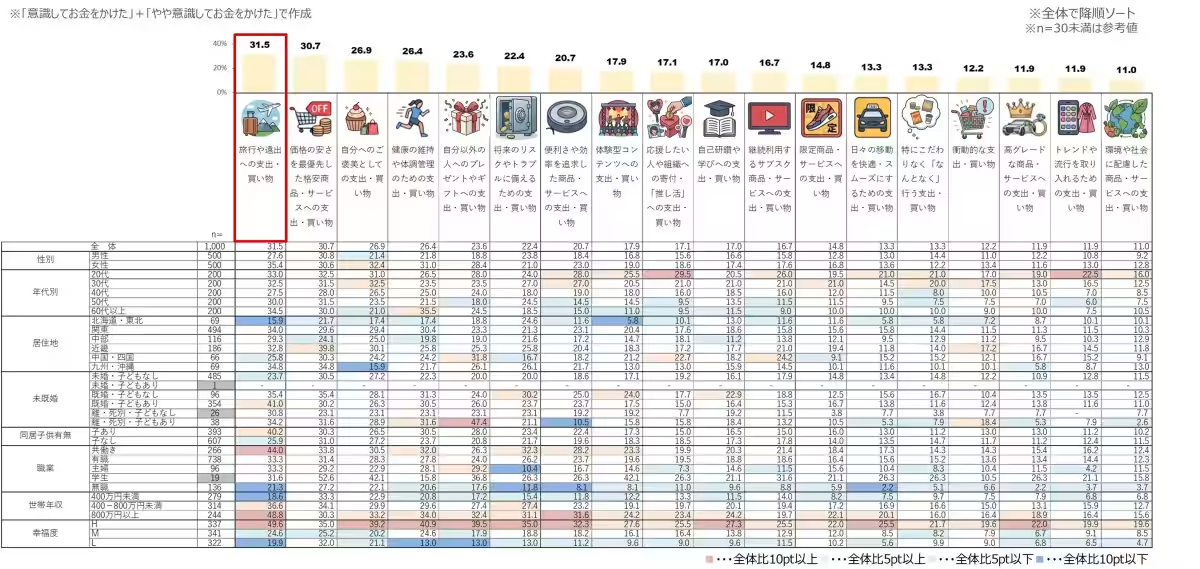
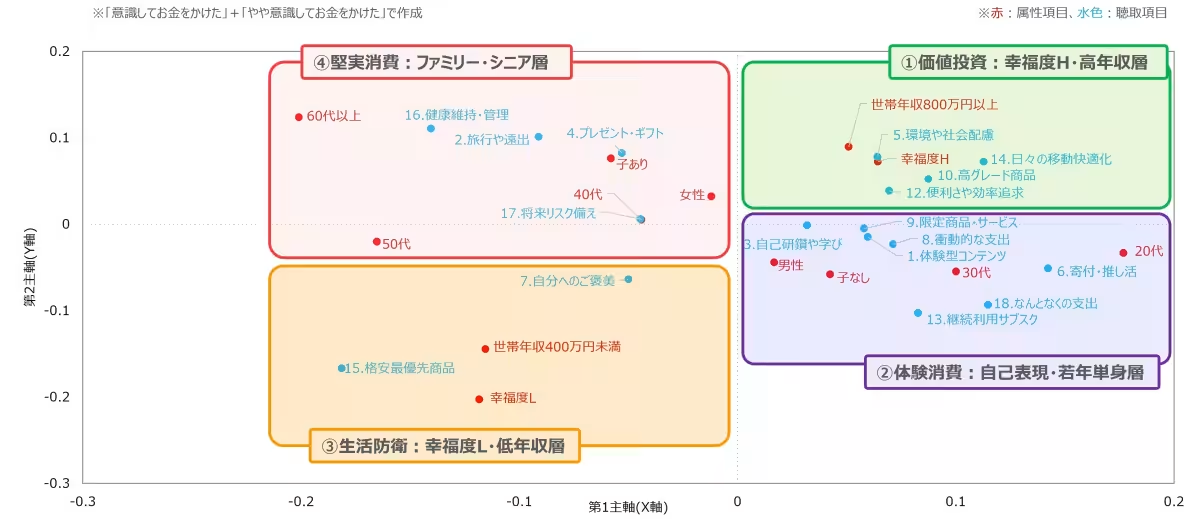
1. High Happiness (H): This group tends to prioritize spending on travel and experiences. The allure of unique experiences is a significant draw for those feeling fulfilled and content.
2. Middle Happiness (M): Individuals in this range focus on a blend of experience-driven and trend-oriented purchases, indicating an inclination towards exploring novelty while maintaining a sense of practicality in their spending.
3. Low Happiness (L): Those in this category primarily emphasize saving, often opting for cheaper goods and services, reflecting a more cautious approach to spending.
The Drivers of Happiness
Three main drivers were identified that contribute to higher happiness levels:
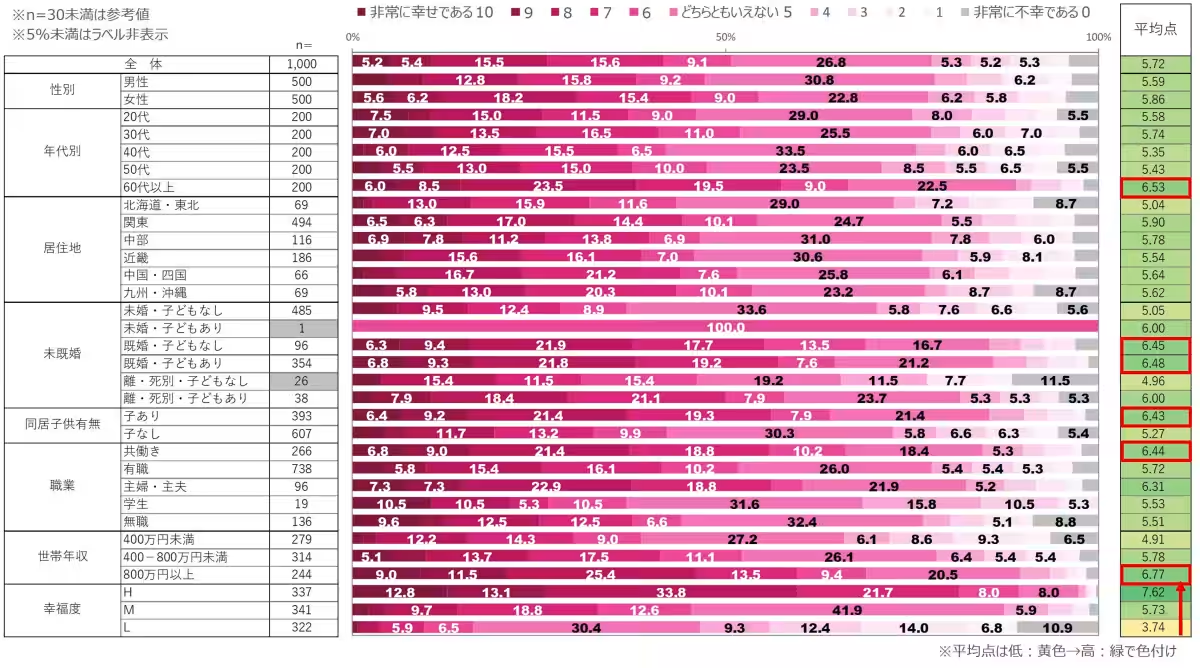
- - Financial Stability: Individuals earning over 8 million yen annually tend to have higher happiness scores.
- - Family Connections: Married individuals with children report stronger feelings of fulfillment compared to their single counterparts.
- - Leisure Time: Those aged 60 and above benefit from more leisure time, allowing for enhanced personal satisfaction.
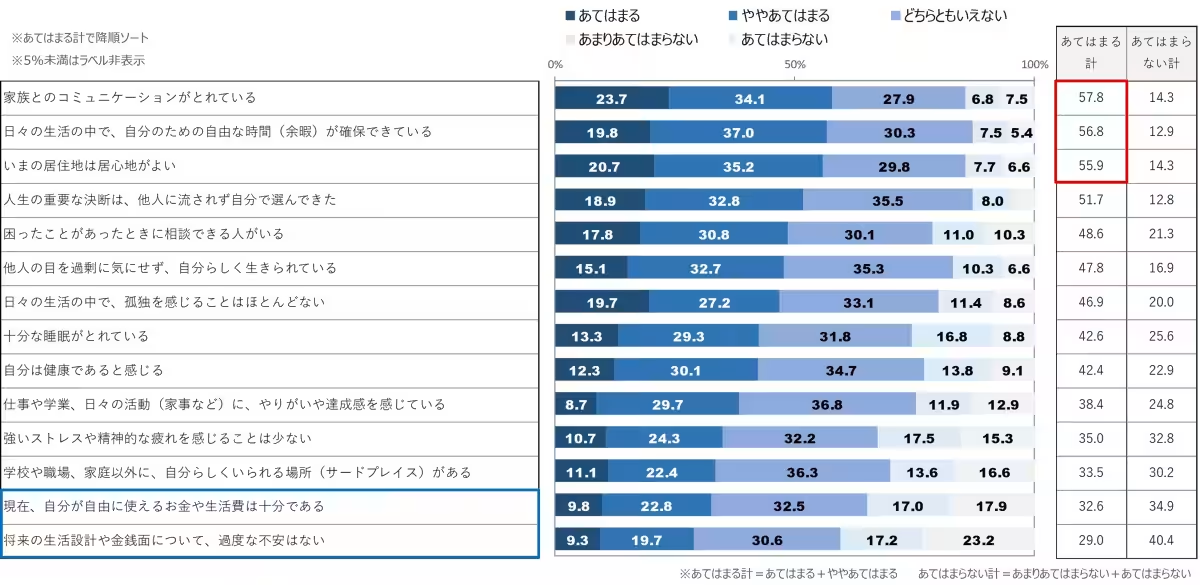
Moreover, factors such as social relationships, emotional well-being, and meaningful connections also play vital roles in overall happiness. Many participants reported feeling fulfilled when they communicate with family or have quality time for themselves.
Spending Habits and Priorities
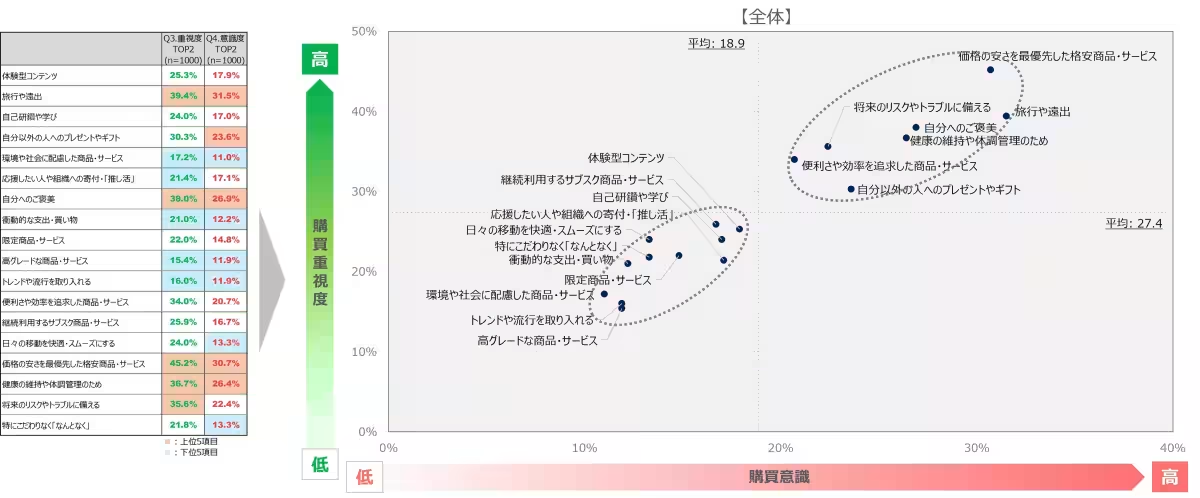
The survey revealed contrasting priorities in spending habits. Those with higher happiness levels (H) invested significantly in travel (31.5%), while those with lower happiness levels (L) focused on purchasing cheaper products (45.2%). This underlines a significant tendency among happier consumers to engage in experiences rather than material goods.
Interestingly, even the middle happiness group (M) reflects a balanced approach, showing an equal inclination towards experiential spending and cost-effective shopping. The nuanced insights suggest a polarization in attitudes where higher happiness correlates with valuing high-quality experiences, while lower happiness leads to a focus on affordability.
Youth Trends in Spending
The survey highlighted a distinct trend among younger consumers, particularly those in their late teens and 20s, who display a shift from product-centric consumption to experience-oriented spending, often termed as 'event consumption.' Approximately 35% of individuals in their 20s expressed a strong inclination towards spending on unique experiences that couldn't be replicated later.
As consumer attitudes evolve with changing economic landscapes, the study showcases the growing preference for shaping one's identity through experiences rather than mere product ownership.
Conclusion
In essence, the survey by Asmarq not only sheds light on the relationship between happiness and consumer behavior but also indicates a wider cultural shift in spending habits among Japanese consumers. As financial stability, family ties, and adequate leisure time emerge as significant themes, it's clear that the pursuit of happiness is becoming increasingly intertwined with our choices as consumers. This research serves as a crucial guide for marketers and businesses aiming to align their offerings with evolving consumer motivations fueled by happiness.

Topics Consumer Products & Retail)
【About Using Articles】
You can freely use the title and article content by linking to the page where the article is posted.
※ Images cannot be used.
【About Links】
Links are free to use.