




Redefining Japan's Industrial Structure: Lessons from Regional Innovators
Redefining Japan's Industrial Structure: Lessons from Regional Innovators
In recent years, Japan has been making a significant shift towards the Green Transformation (GX) and a circular economy. Surprisingly, the driving force behind this change is not just the large corporations in Tokyo, but rather small businesses in regional areas. These areas, often burdened by economic contradictions, are emerging as hotspots for structural change. A perfect example of this is Tsuginohi, a company based in Okayama.
The Birth of Innovative Enterprises
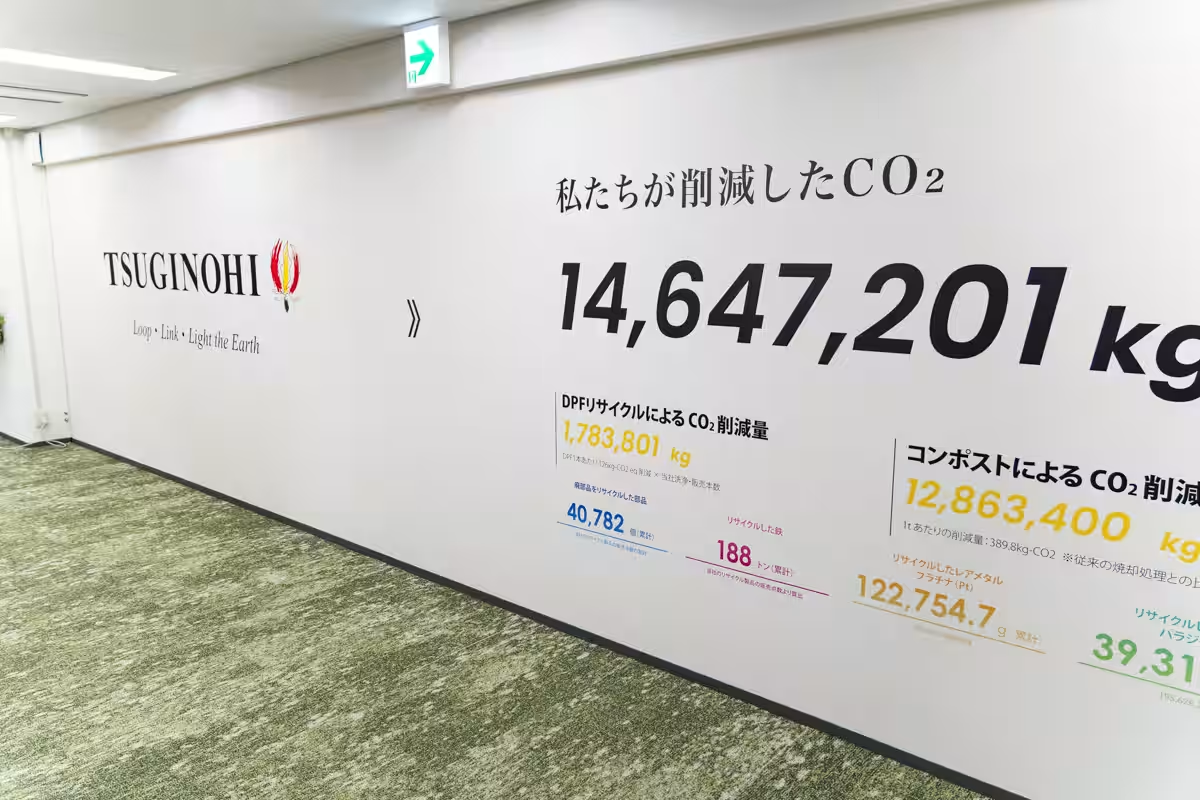
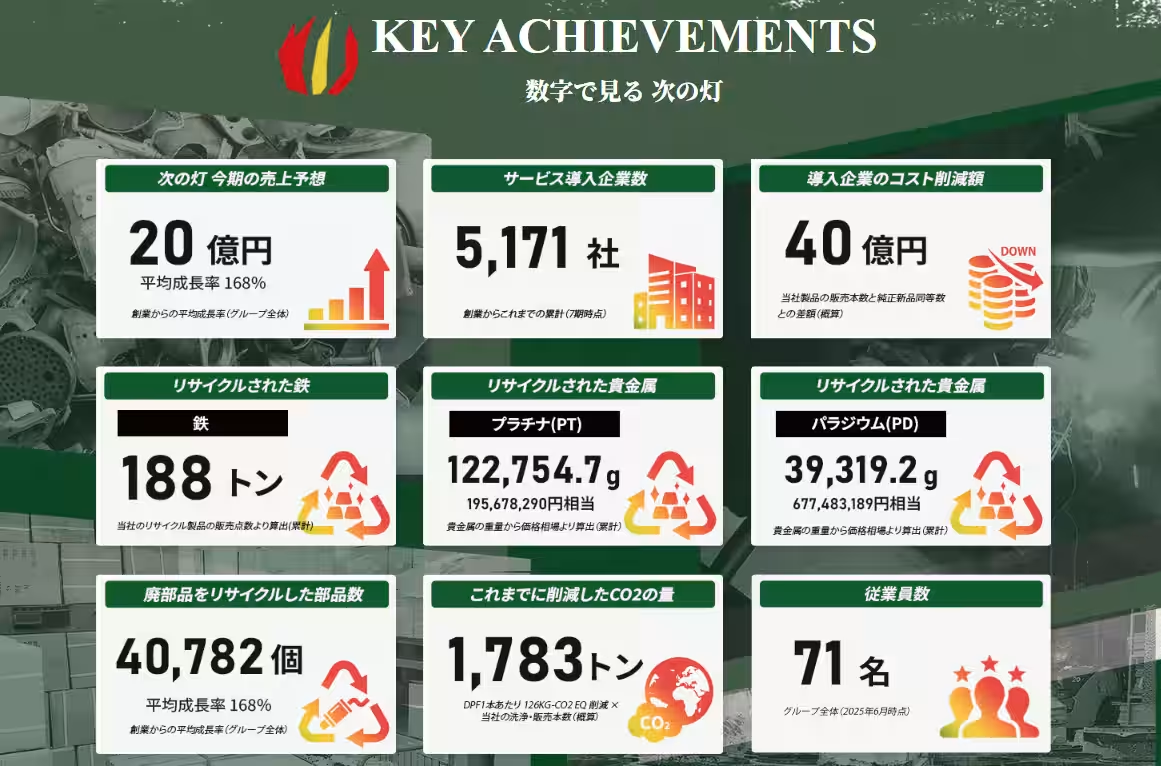
Tsuginohi exemplifies how local enterprises can redefine industrial models by integrating various sectors including automotive re-manufacturing, resource recycling, GX support, and international circulation. By reimagining previously distinct industrial lines into one cohesive cycle, Tsuginohi aims to transform the production landscape from local areas.
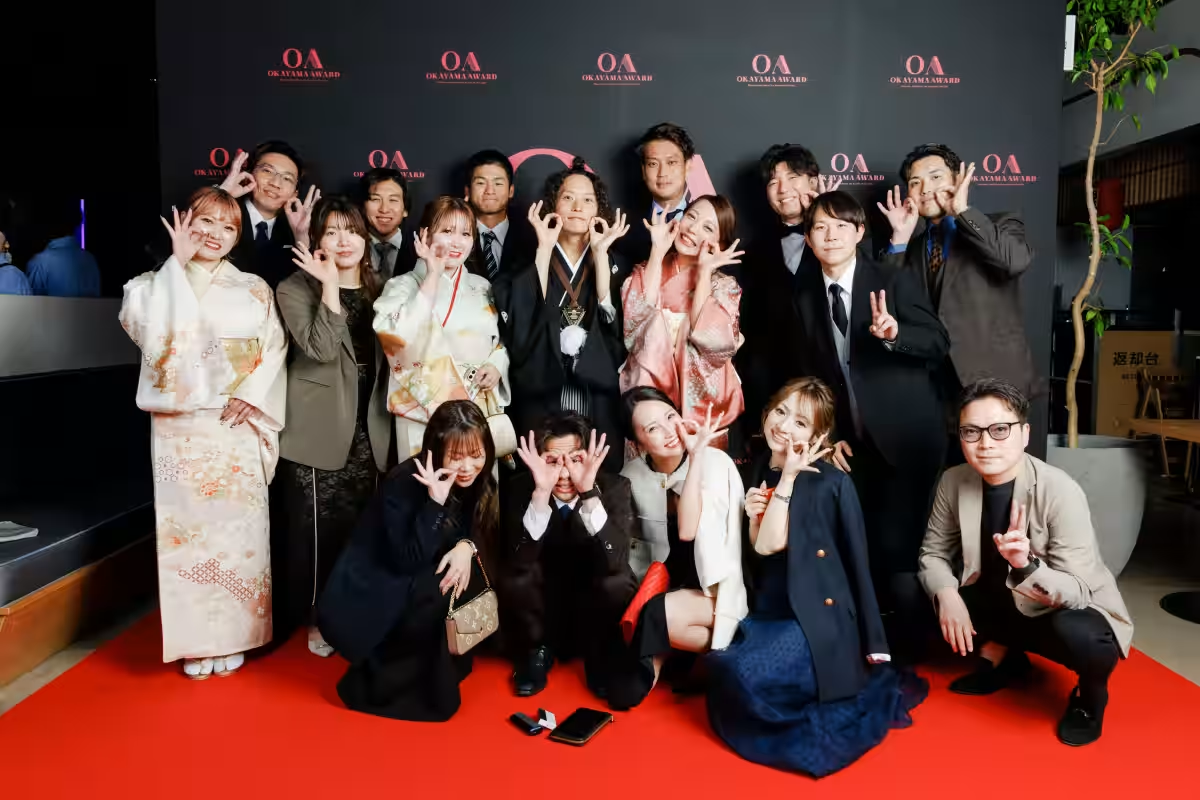
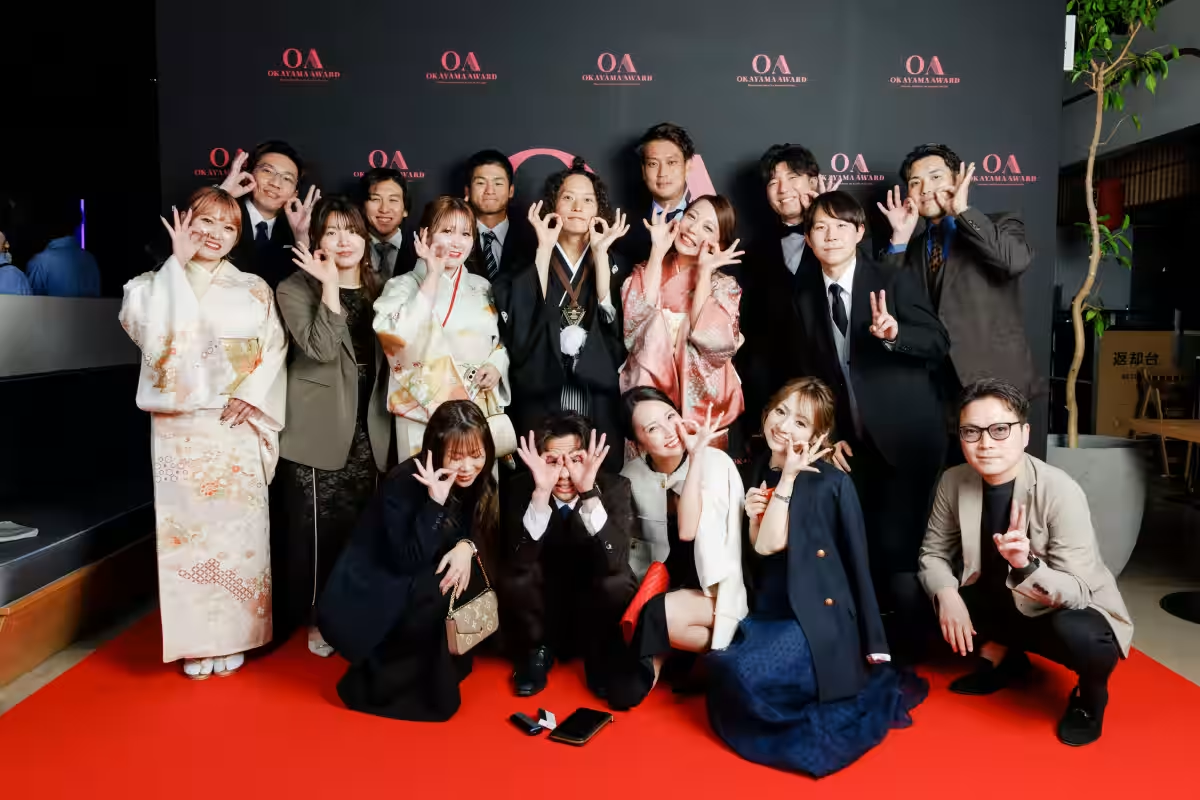
Their recent recognition at the Okayama Award 2025 highlights a critical societal signal: the structural changes being implemented by such enterprises have the potential to shape the future of local economies, not as mere awards but as pivotal milestones in a broader narrative.
The Crisis of Traditional Industries
Japan's traditional industries, such as automotive maintenance, logistics, agriculture, and construction machinery, have operated under a



Topics Consumer Products & Retail)
【About Using Articles】
You can freely use the title and article content by linking to the page where the article is posted.
※ Images cannot be used.
【About Links】
Links are free to use.