



The Rise of AI-Induced Shopping Fatigue: A New Consumer Stress Era
The Rise of AI-Induced Shopping Fatigue: A New Consumer Stress Era
Introduction
A recent study conducted by Frontier Inc., based in Shibuya, Tokyo, surveyed 1,007 individuals aged 20 to 50 about what has been termed the “AI Shopping Stress Syndrome.” In a world where artificial intelligence aids daily shopping decisions, the advantage of increased convenience comes with the downside of psychological stress, specifically a phenomenon where consumers feel overwhelmed by the sheer volume of AI-generated information. This article explores the findings of the survey and its implications on consumer shopping behavior.
AI Shopping Stress Syndrome Explained
The term “AI Shopping Stress Syndrome” characterizes the mental strain shoppers experience when faced with an abundance of options and information provided by AI. Consumers struggle to maintain confidence in their decisions and feel dissatisfied post-purchase due to overwhelming data. This study reveals that over 60% of participants experience stress tied to AI assistance during shopping.
Key Findings
1. Reality of AI Stress Syndrome
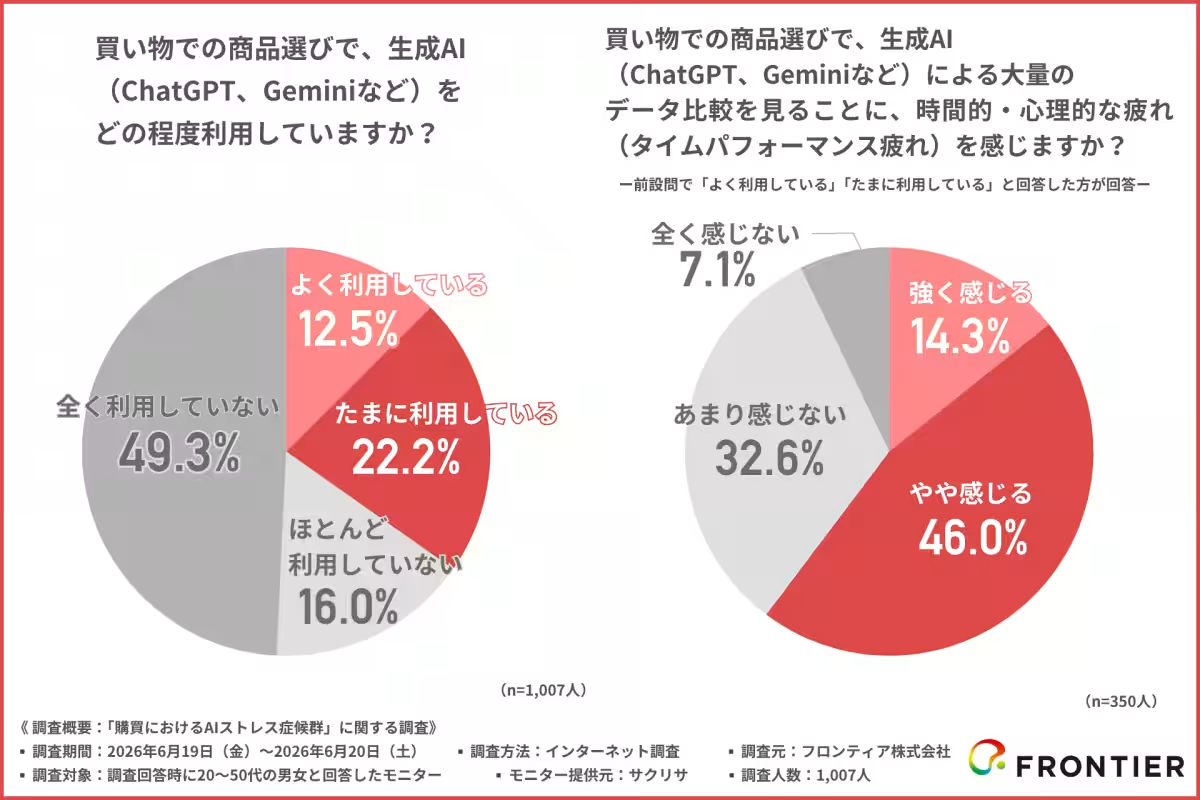
Approximately 30% of consumers reported utilizing AI for shopping decisions, yet nearly 60% admitted to feeling 'time-performance fatigue' due to extensive data comparisons. Participants indicated that while generative AI tools like ChatGPT or Gemini are helpful in the decision-making process, they also contribute to mental exhaustion.
2. Nature of Stress
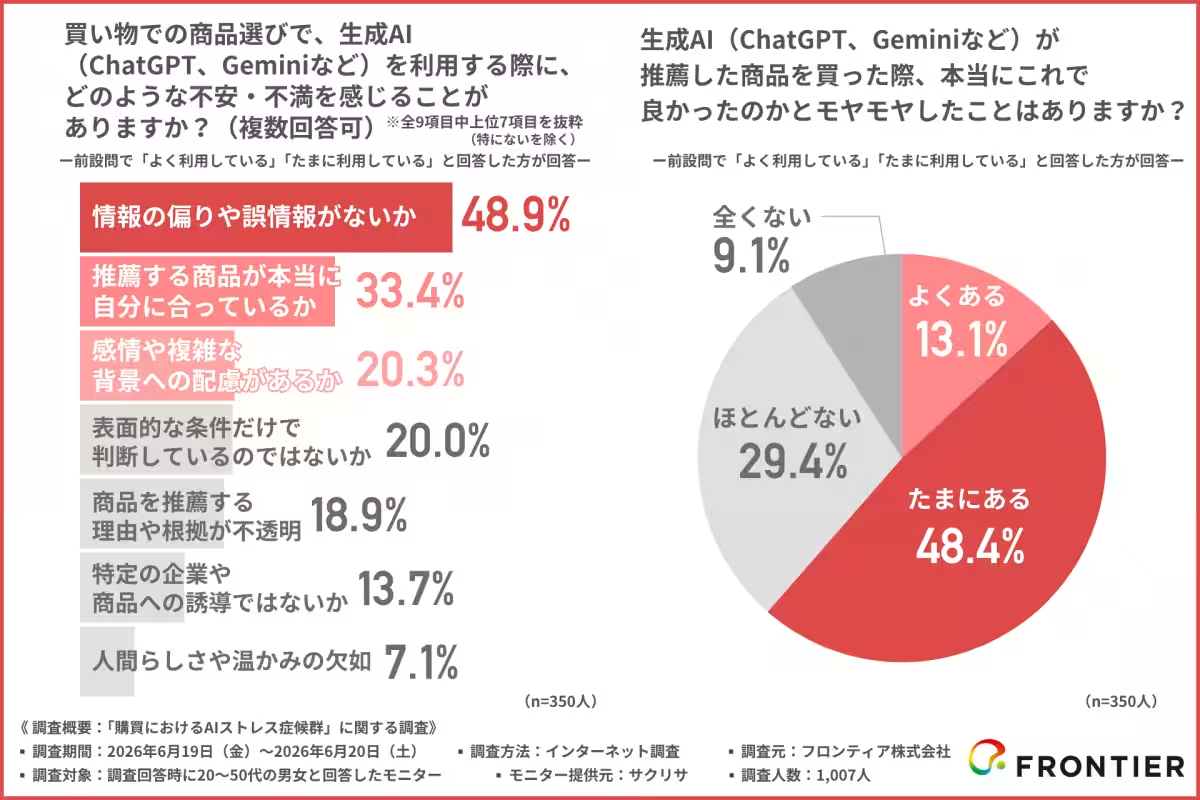
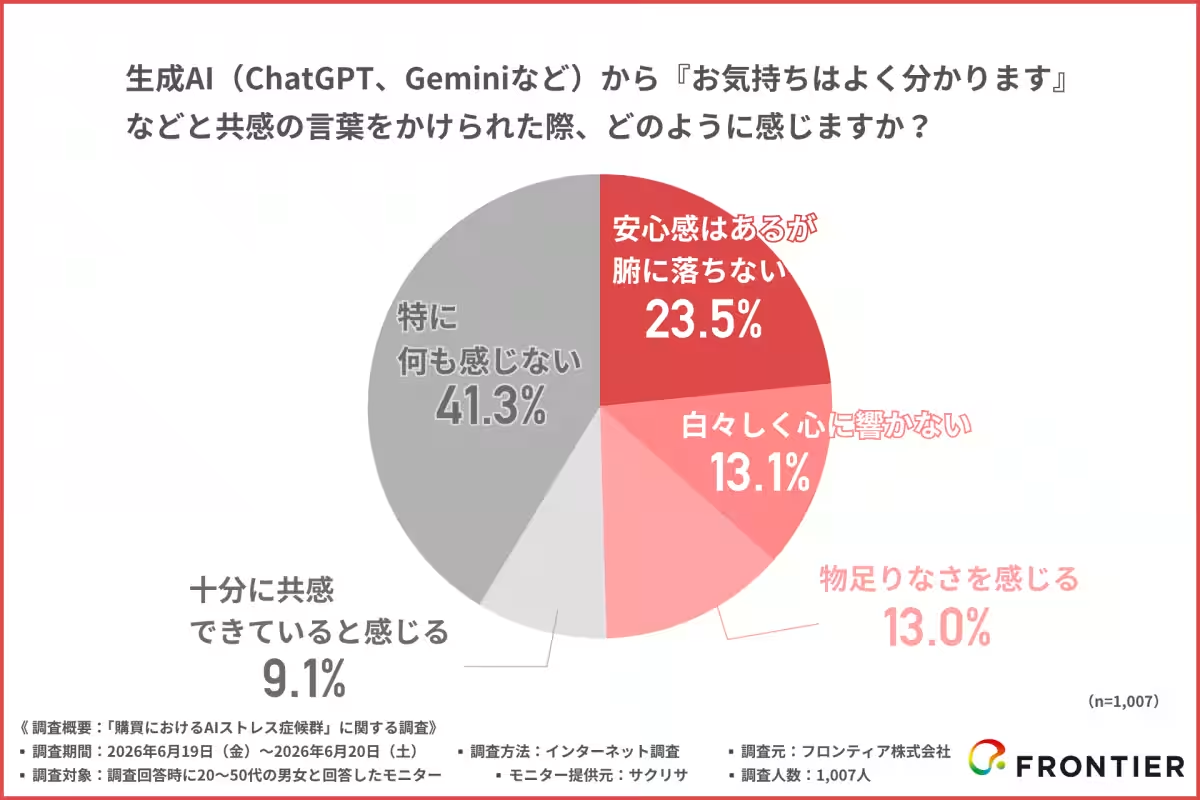
When asked about experiences with AI suggesting products, nearly 50% felt that the guidance was not entirely convincing or resonant. Many stated that human recommendations are more compelling and provide a sense of trust that AI lacks. This suggests that despite advancements in AI, consumer confidence often hinges on human interaction.
3. Demand for Human Connection
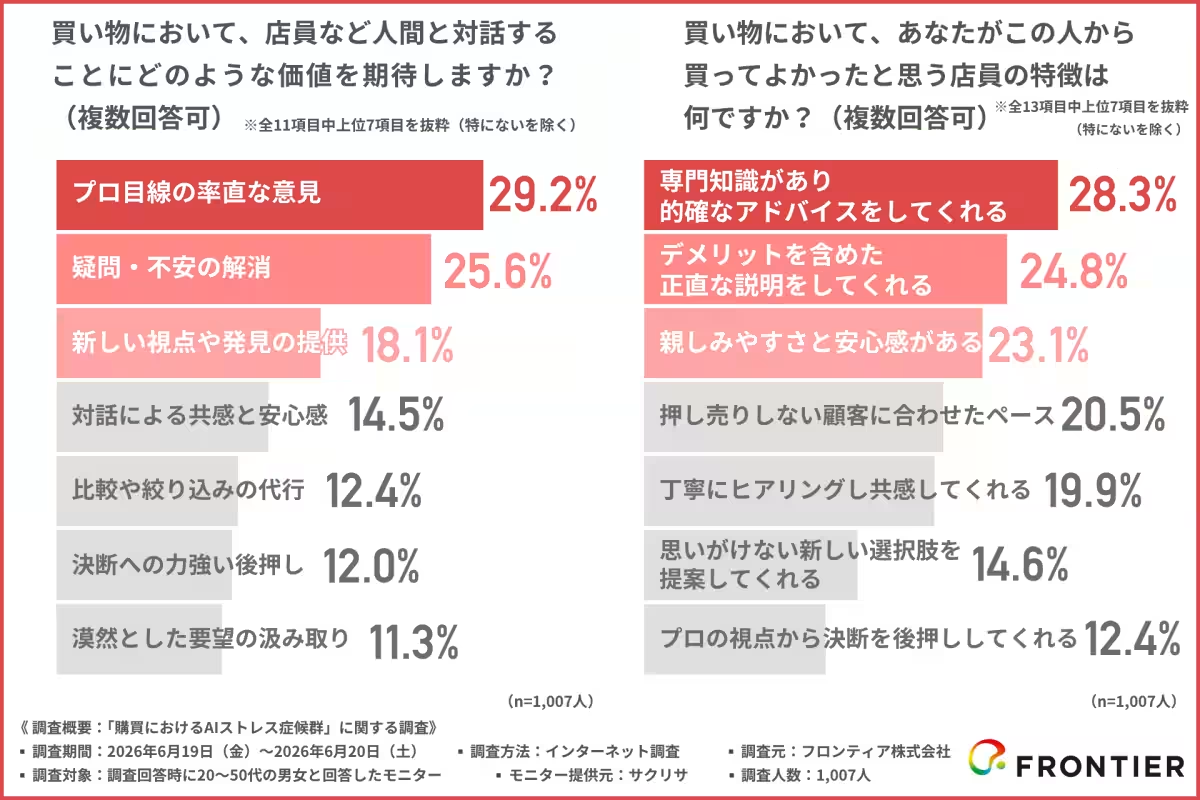
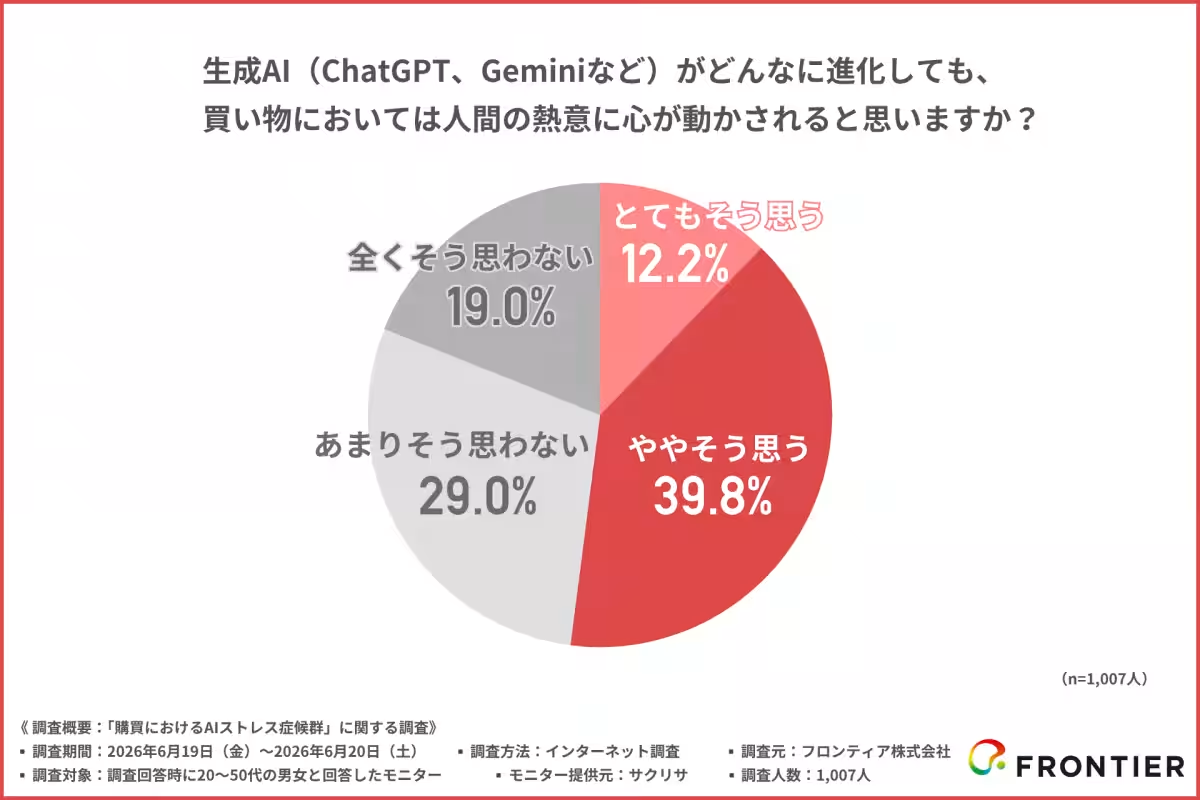
Over half of respondents expressed a desire for genuine human enthusiasm in the shopping experience. Key attributes consumers hoped for from store employees included honest assessments and sharing potential purchasing risks. The findings indicate consumers prioritize personal interactions that offer emotional resonance over AI-generated data alone.
4. Trust in Human Insights
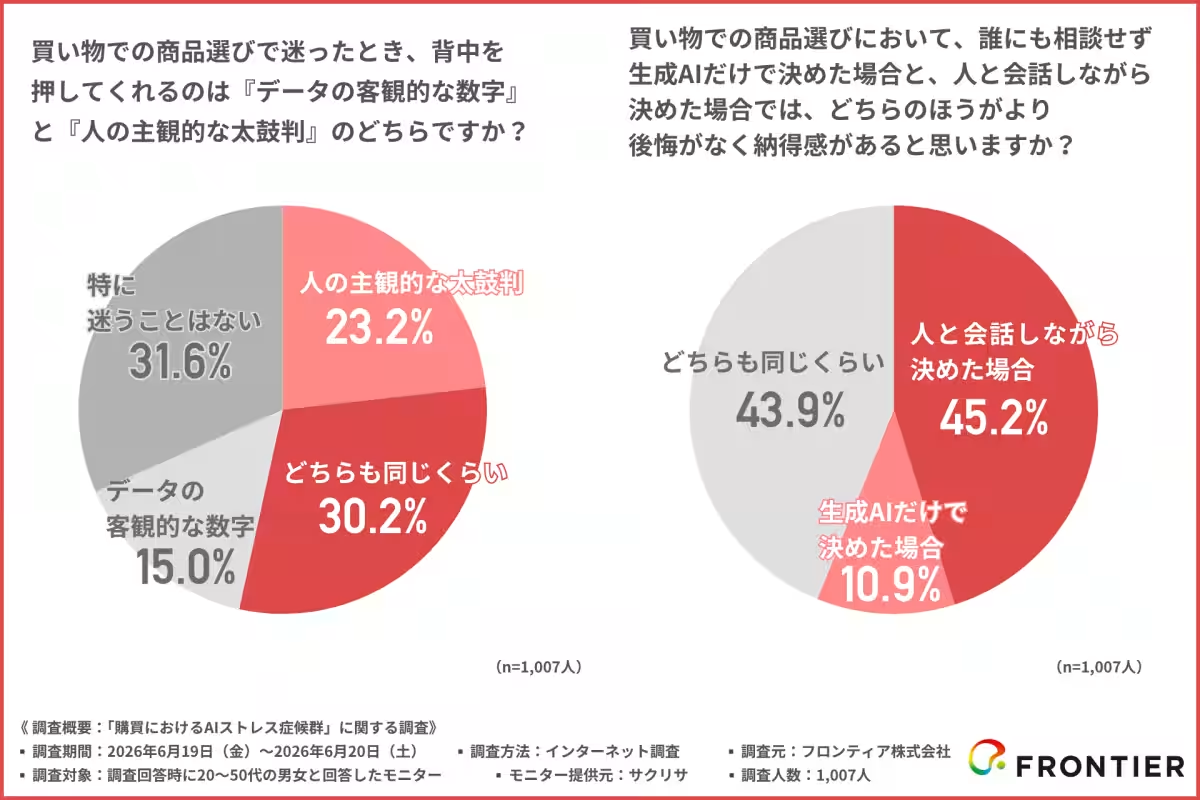
Consumers were more likely to feel satisfied and less regretful about their purchases when advice was received from humans rather than solely AI. Notably, 45% believed discussing choices with a person led to greater satisfaction compared to decisions made independently using AI. This emphasizes the importance of interpersonal communication to reduce decision-related anxieties.
5. The Role of Human Experience
When delving deeper into factors influencing purchase decisions, many consumers felt that subjective human recommendations significantly outweighed cold, hard data from AI. This emphasizes a shift towards valuing personal experiences and qualitative insights over quantitative data analytics.
The Future of Shopping: AI and Human Synergy
The survey suggests a crucial balance between leveraging the efficiency of AI and incorporating human touchpoints in the shopping process. As consumers yearn for more meaningful interactions, retail strategies should evolve. Companies must blend AI capabilities with an understanding of individual consumer contexts to alleviate shopping-related stress.
Conclusion
The concept of “AI Shopping Stress Syndrome” highlights a growing issue in the evolving shopping landscape. While AI tools enhance decision-making, their overwhelming nature can lead to stress and uncertainty for users. As AI continues to influence consumer behavior, brands must prioritize emotional engagement and the value of human interactions to foster a fulfilling shopping experience. By doing so, companies will not only address AI-induced stress but will also enhance customer satisfaction.
About the Survey
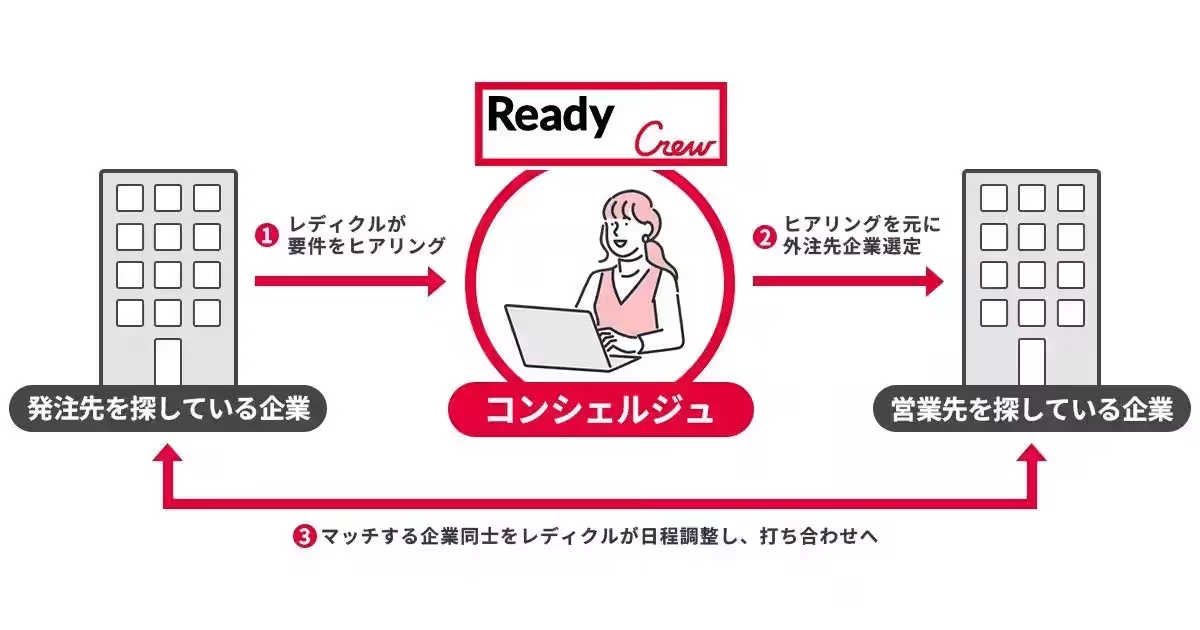
The survey was conducted between June 19 and June 20, 2026, by PRIZMA, with participants being 20 to 50 years old. It highlighted significant insights regarding the effects of AI on purchasing behavior. The study underscores the necessity for businesses, such as Frontier Inc., which operates the business matching service Ready Crew, to adapt to these emerging consumer needs.

Topics Consumer Products & Retail)









【About Using Articles】
You can freely use the title and article content by linking to the page where the article is posted.
※ Images cannot be used.
【About Links】
Links are free to use.