



Tokyo's Wood Initiative: Bridging Generations Through Sustainable Design Collaboration
Tokyo's Wood Initiative: Engaging Youth in Sustainable Design
In a significant move to promote local timber, Tokyo's brand, Tokyo no Ki®, has launched a collaborative project aimed at engaging the younger generation—especially Gen Z—through workshops and design discussions focusing on sustainable products made from Tama lumber.
The Birth of Collaborative Projects
The Tama Timber Certification Council, under the leadership of Associate Professor Takuya Yoshioka from the University of Tokyo's Faculty of Agriculture, is actively pushing forward the initiatives of Tokyo no Ki®. One of the key projects is titled “Creating the Tokyo no Ki® Brand!” which recently held a workshop on August 27, 2023, in Tokyo. This workshop was designed as an educational collaboration with high schools, vocational schools, and universities across Tokyo.
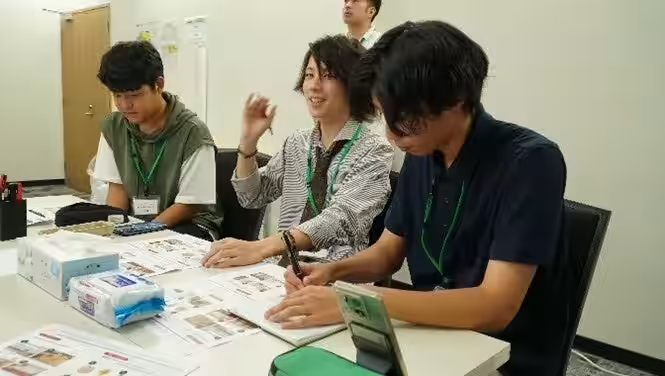
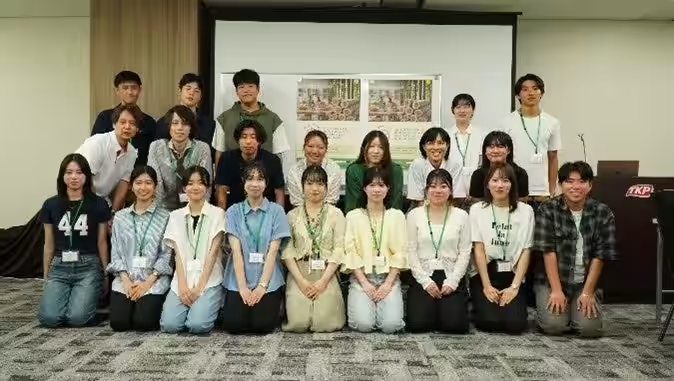
The workshop welcomed 19 students from five educational institutions, where they explored concepts of forest sustainability and timber utilization, aiming to contribute to the Tokyo no Ki® brand with their own designs for accessories. The participating institutions included Tokyo University of Agriculture, Bunka Gakuen University, and various high schools such as Nerima Technical High School and Tokyo Institute of Technology.
Insightful Seminars on Sustainability
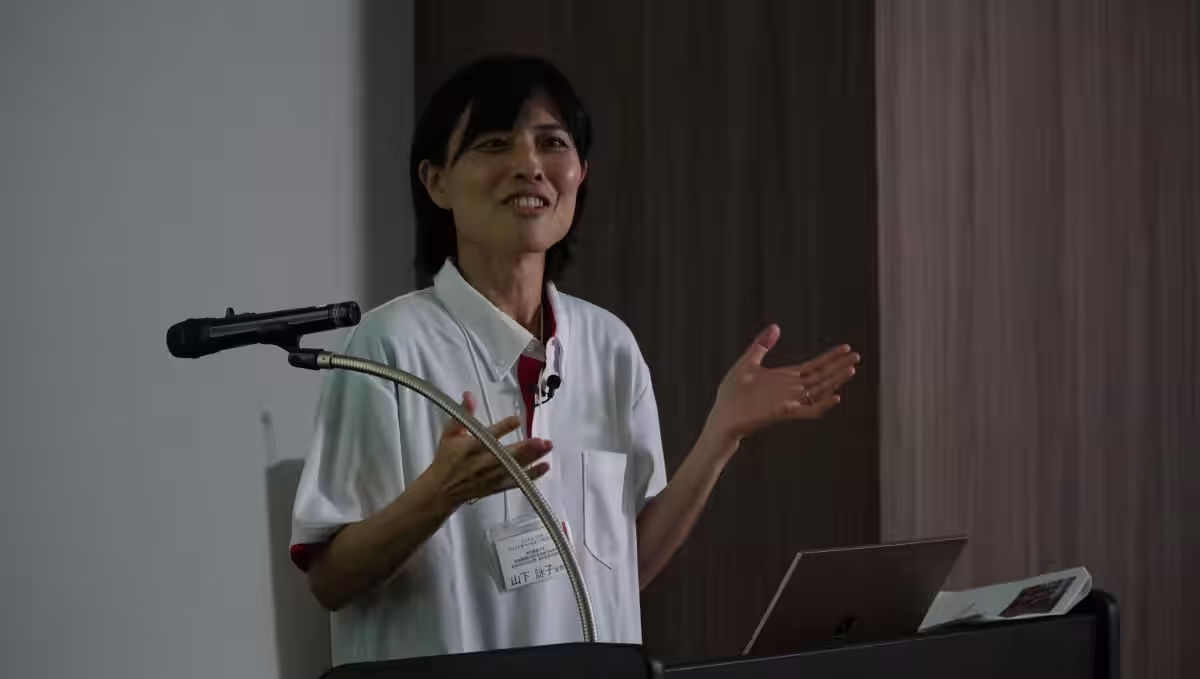
The workshop began with insightful seminars featuring expert speakers who educated students on critical topics related to forestry and product design. Associate Professor Yoko Yamashita from the University of Tokyo’s Regional Environmental Science Department presented on the importance of maintaining forest sustainability. She emphasized that sustainable forest management benefits society and mentioned, “What we can do as consumers is to use wood sustainably. Our choices can have a significant impact on Japan’s forests.”
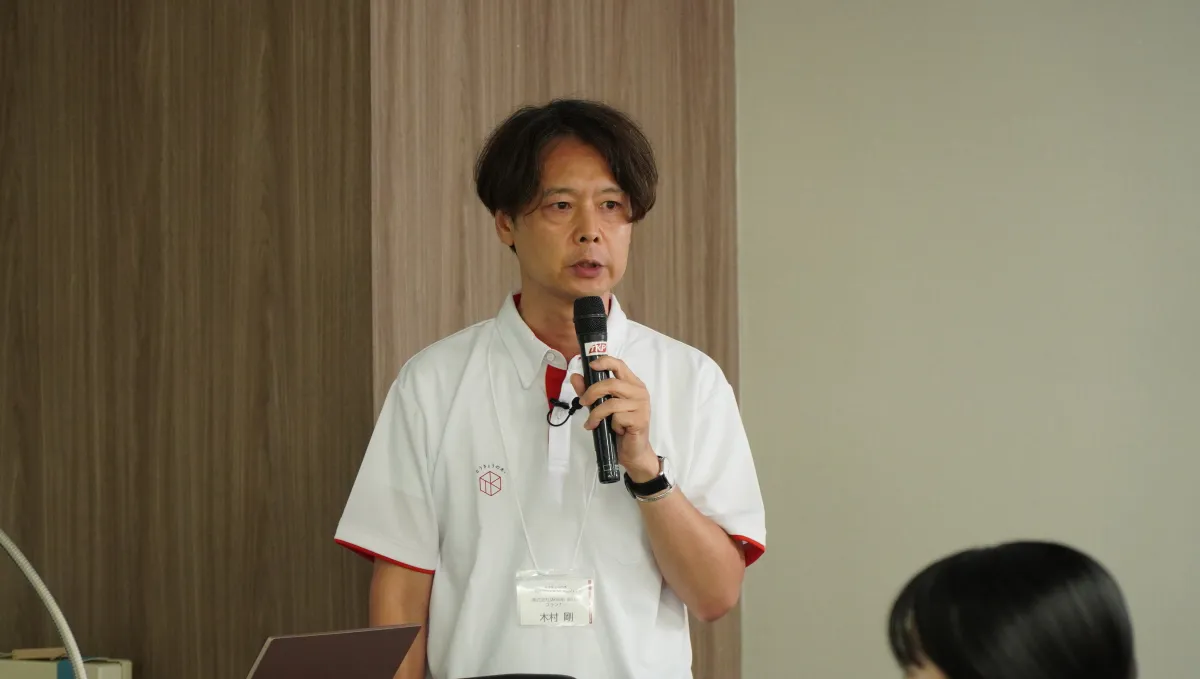
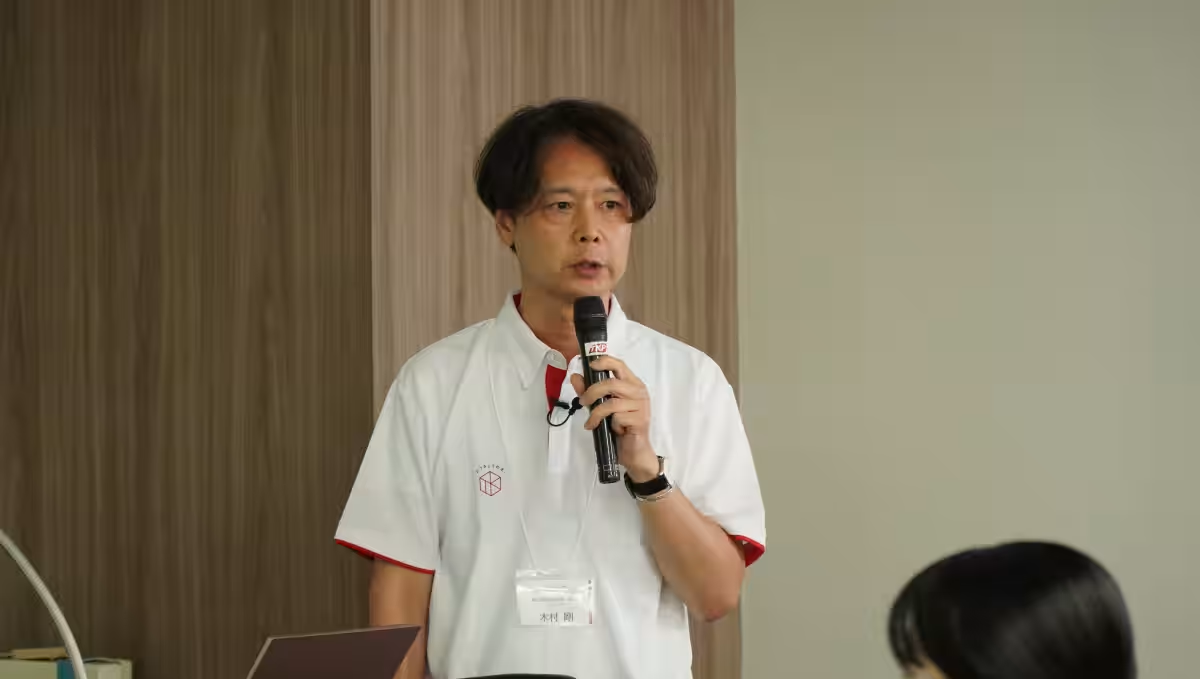
Further, the Tokyo no Ki® public relations team elaborated on their vision for the brand, encouraging students to think about how they can contribute to making it a desirable and ethical brand. Designer Takeshi Kimura from SARAVAH Design spoke about the significance of innovation and empathy in product design, pointing out that successful products often arise from collective insight and engagement. His engaging presentation inspired students to think deeply about their designs.
Dynamic Discussions and Creative Outputs
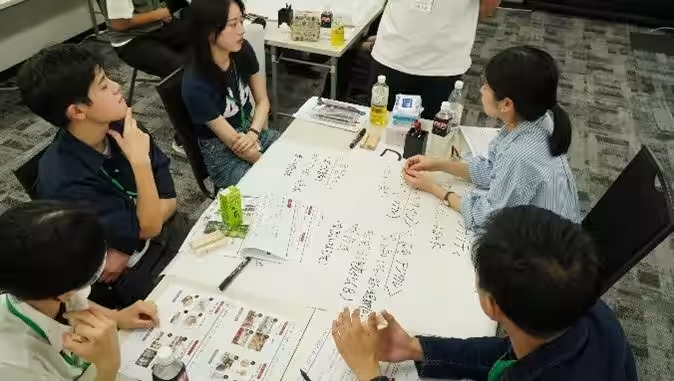
The afternoon session was dedicated to vibrant discussions where students shared their ideas on what they found desirable in products made from Tama wood. Group activities fostered creative brainstorming, resulting in various unique proposals.
One of the discussion topics explored what products attendees felt should exist, eliciting lively debates over potential designs, focusing on practicality and social relevance while resonating with Gen Z sensibilities.
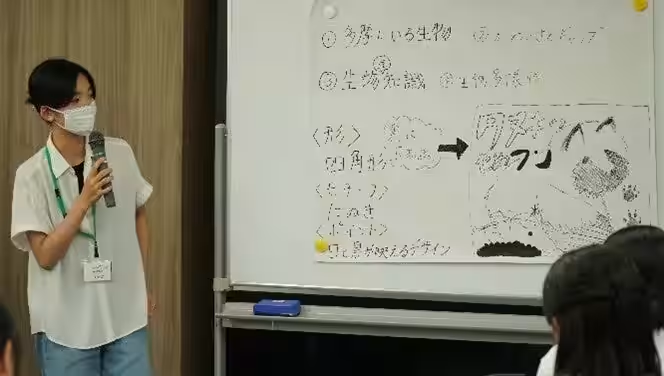
Another engaging theme was the creation of a charm—a product that could become a representative item for Tokyo no Ki®. The workshop culminated in a collaborative showcase where students presented their distinctive proposals, representing the innovative spirit of their generation. The discourse, notably active and insightful, highlighted the fresh perspectives from students of different backgrounds.
Voices of Participation
Feedback from participants was overwhelmingly positive. Many students expressed initial nervousness at meeting new peers but praised the supportive atmosphere cultivated by their instructors, which allowed for an enjoyable and collaborative environment. Comments included a renewed interest in forest issues and a greater understanding of sustainable practices.
Professor Yamashita remarked on the enthusiasm and dedication displayed by the students throughout the workshop, noting that their passion for the Tokyo no Ki® initiative invigorates the movement.
Future Directions for Tokyo no Ki®
Looking ahead, designs developed during the workshop will lead to the production of 3,000 charms through a partnership with Frontier Japan, a company that utilizes Tama timber. The funding generated from these initiatives will contribute to the pollination-friendly forestry projects, showcasing a commitment not only to sustainability but also to enhancing the ecological landscape of Tokyo.
The Tokyo no Ki® public relations office aims to continue broadening its outreach, collaborating with businesses and organizations aligned with their mission to increase awareness and energize local timber usage.
For more information, visit the official website: Tokyo no Ki.
About Tama Timber Certification Council
The Tama Timber Certification Council was established on January 13, 2006, and focuses on managing the Tama lumber certification system, ensuring that sourced materials meet sustainability criteria.
With innovative projects like Tokyo no Ki®, the future of sustainable design in Tokyo seems promising, especially with the active involvement of the youth leading the way.
Topics Consumer Products & Retail)
【About Using Articles】
You can freely use the title and article content by linking to the page where the article is posted.
※ Images cannot be used.
【About Links】
Links are free to use.