



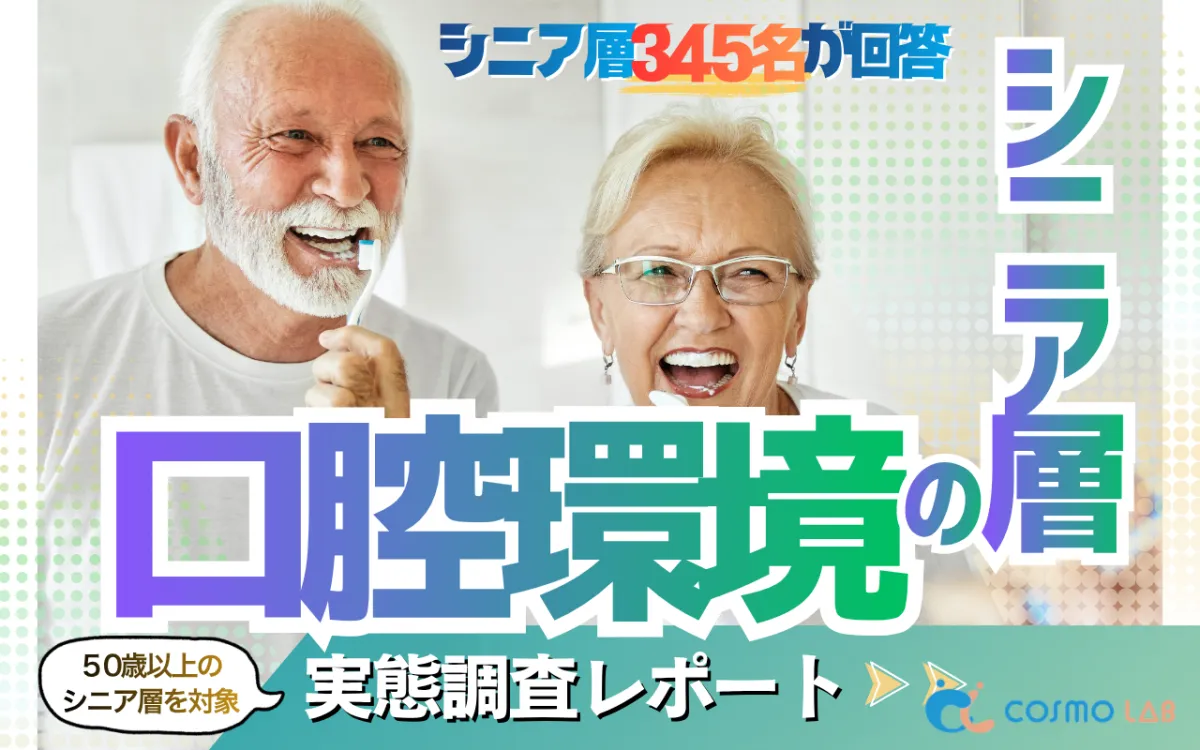
Survey Reveals Senior's Attitudes Towards Dental Care: A Shift Towards Maintenance
Understanding Dental Care Habits Among Seniors
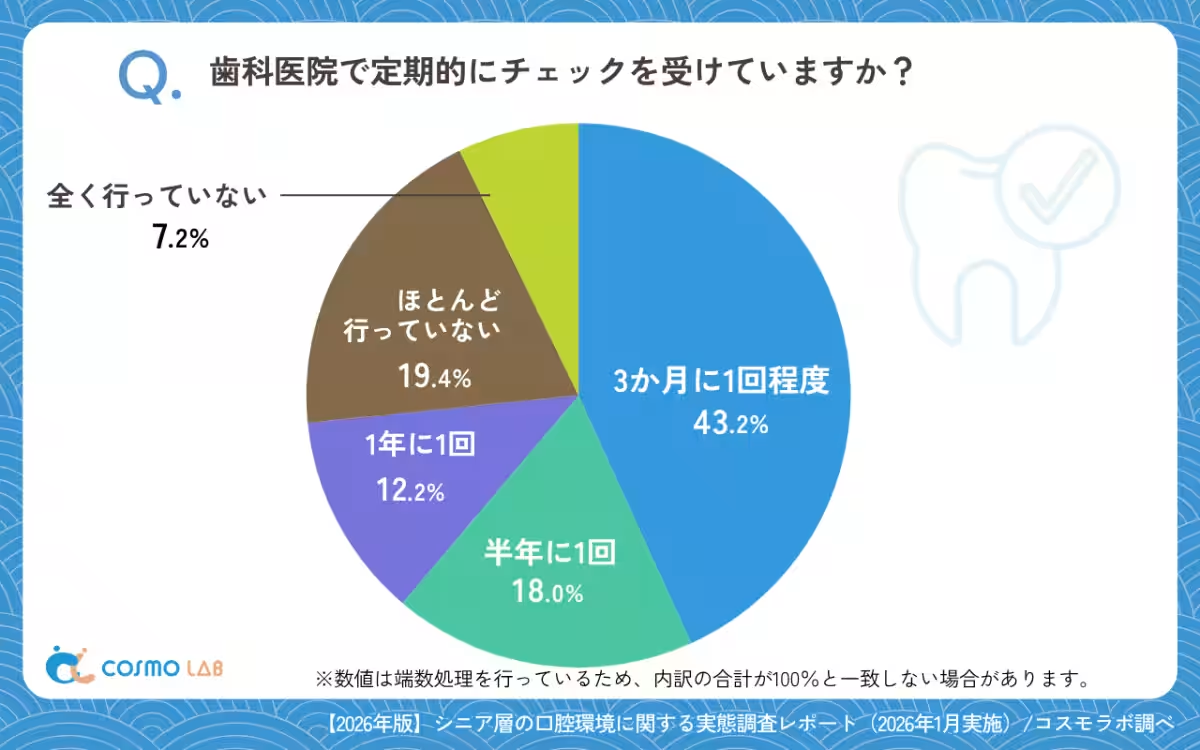
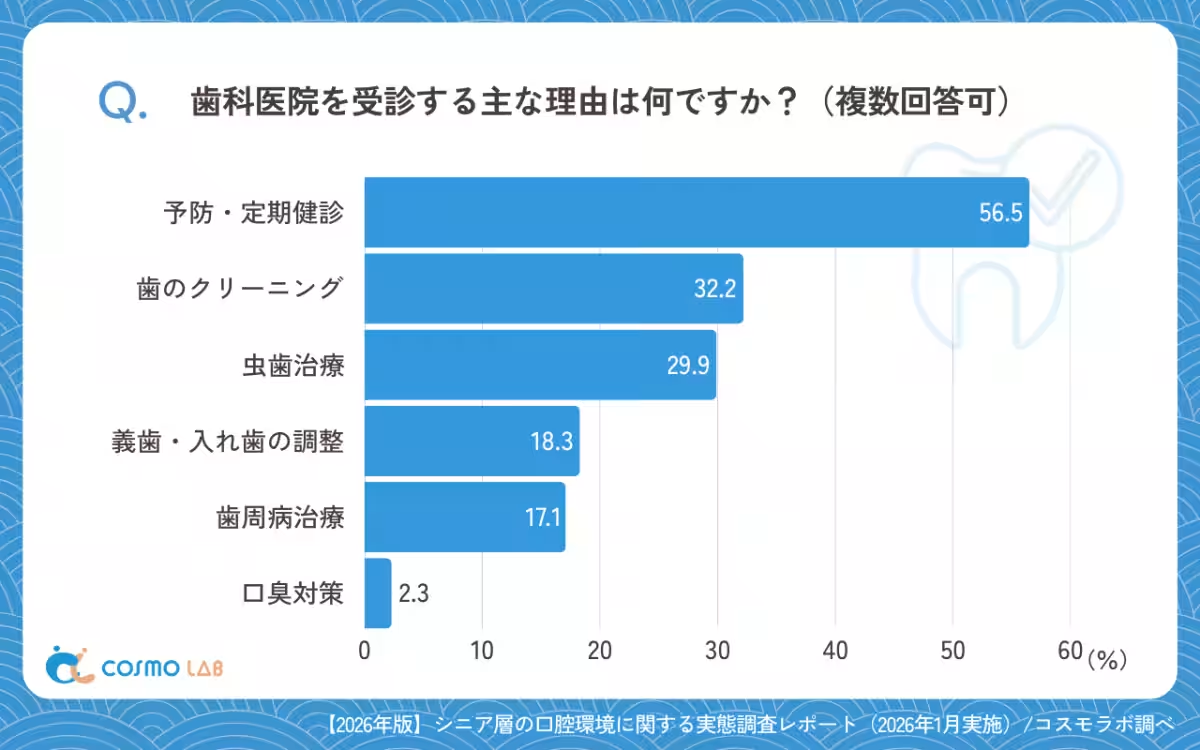
Recent research has unveiled interesting insights into the dental care habits of seniors aged 50 and above. More than 40% of respondents indicated that they visit the dentist every three months, showcasing a strong inclination towards regular check-ups. The leading motivation behind these visits is preventive care, with over half (56.5%) citing it as their primary reason for dental appointments. This shift from reactive treatment to ongoing maintenance signifies a critical change in attitudes towards oral health among the elderly.
Key Findings from the Survey
Frequency of Dental Check-ups
The survey found that 43.2% of seniors engage in dental check-ups every three months, followed by 18% every six months, and 12.2% annually. This highlights a robust commitment to monitoring oral health regularly. The findings indicate a growing trend prioritizing prevention over treatment, necessitating a further understanding of how to support these habits.
Spending on Oral Health
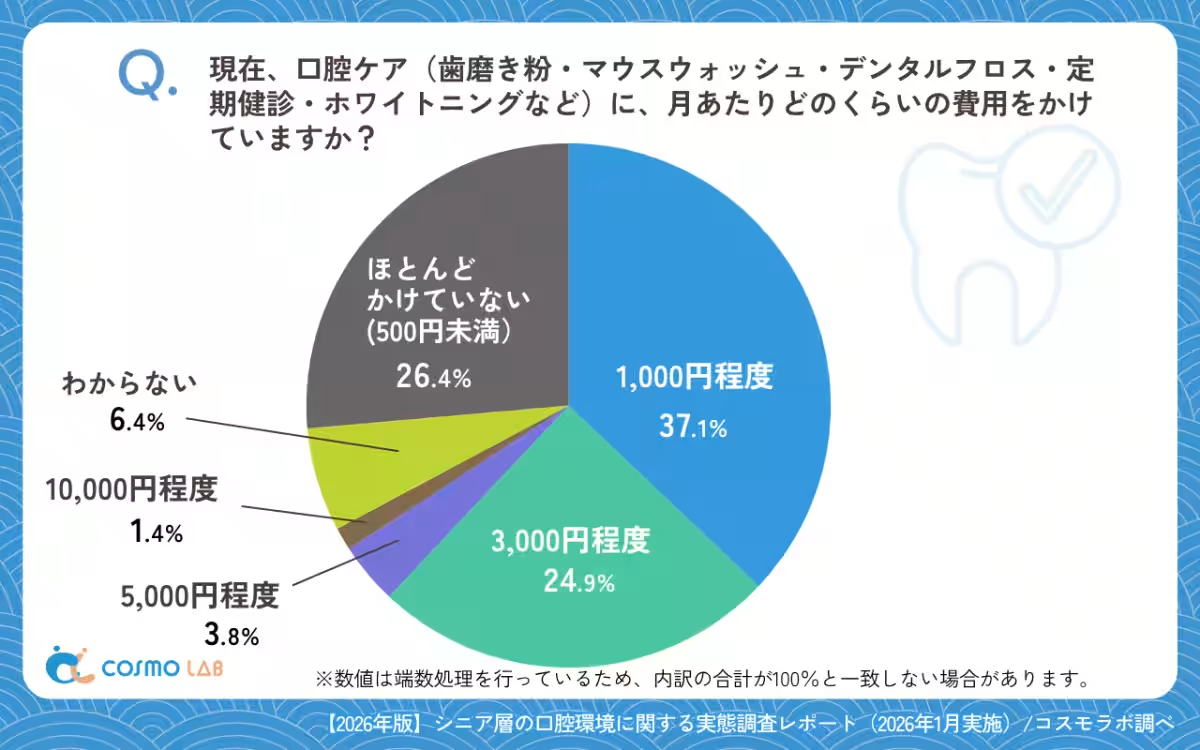
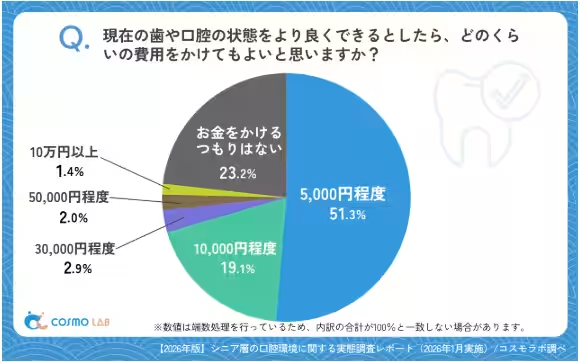
Interestingly, the current expenditure on oral health habits stands predominantly at around 1,000 yen per month for 37.1% of respondents. While many seniors are open to spending more for improved care options, with 51.3% willing to invest around 5,000 yen for enhancements, there lies a significant opportunity for services that can effectively communicate value.
Awareness of Dementia Connection
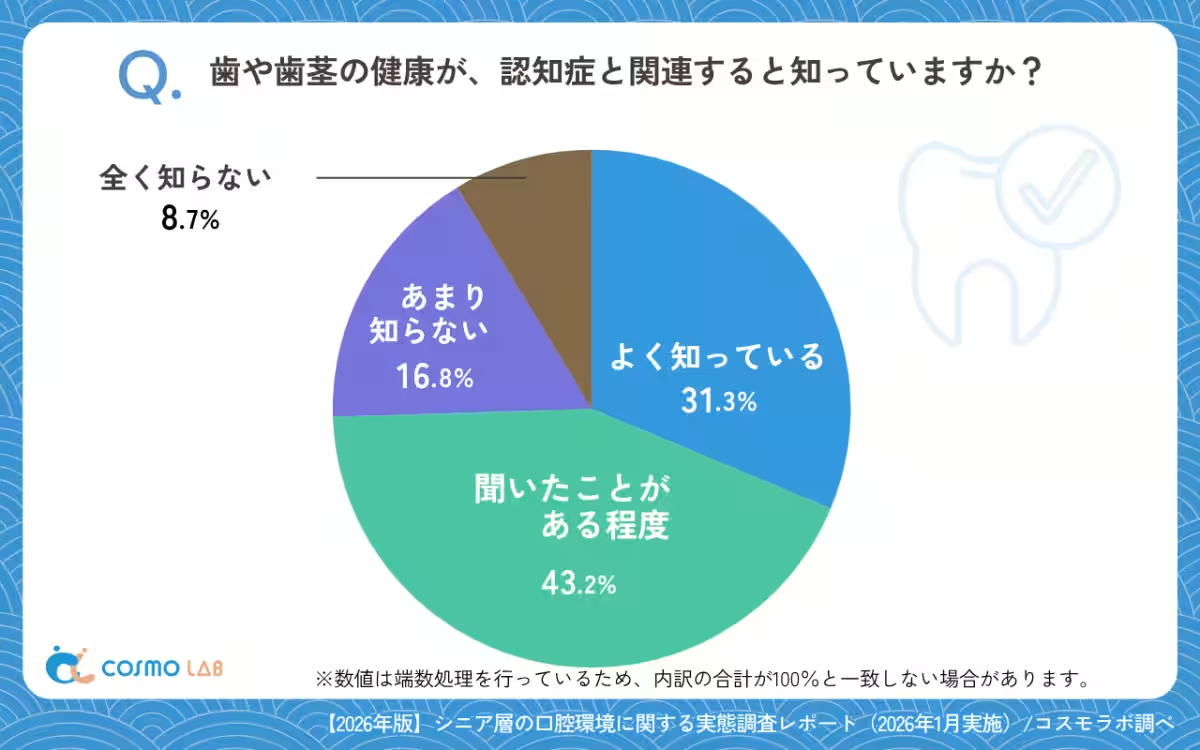
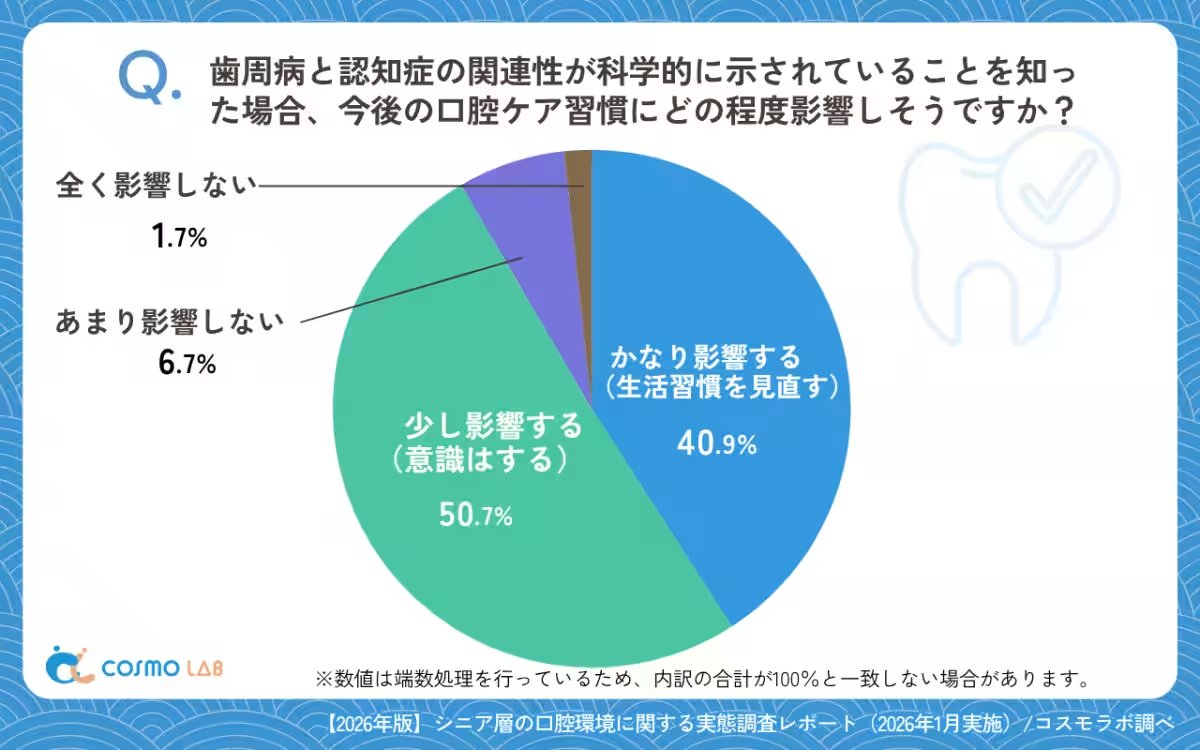
When it comes to the relationship between dental health and dementia, 43.2% of participants reported they had merely heard about the connection, while 31.3% claimed to understand it well. Notably, 50.7% stated that if scientific evidence were presented linking oral health to dementia, it might influence their care routines positively. This finding underscores the importance of disseminating information in ways that encourage behavioral changes towards better oral hygiene.
Use of Dentures
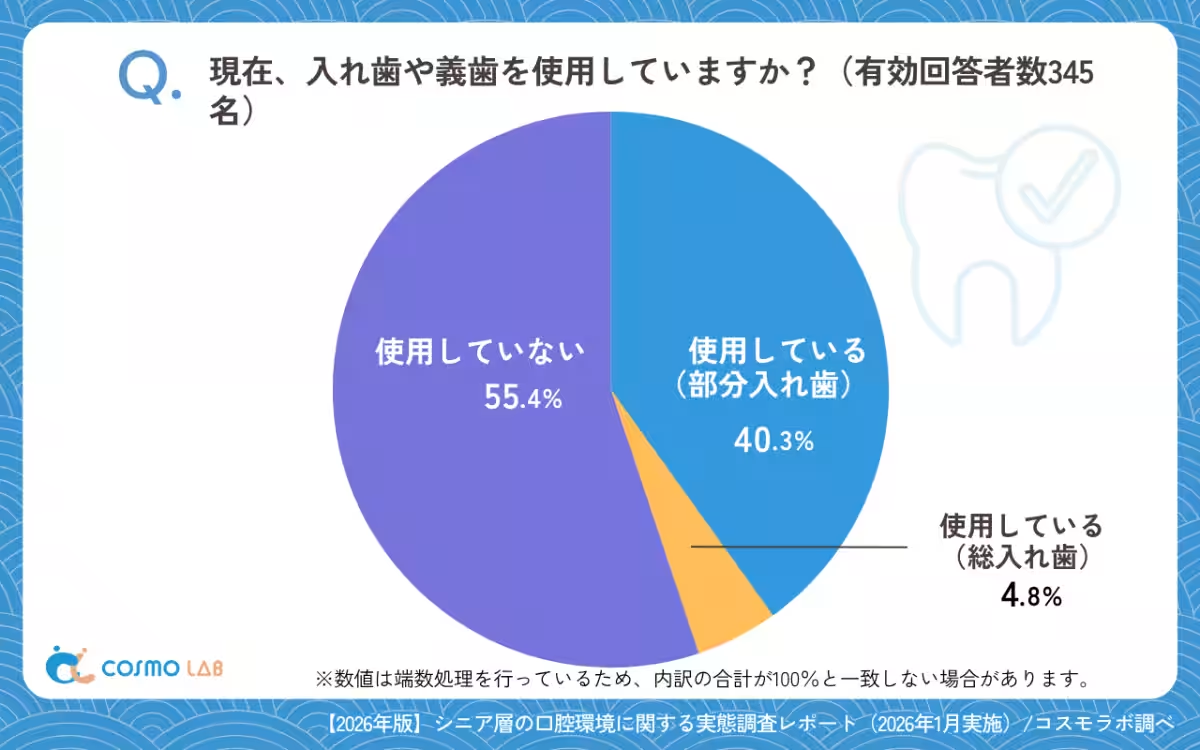
Usage statistics for dentures revealed that 55.4% do not use any form of dentures, whereas 40.3% use partial dentures. The demand for ongoing maintenance is evident, particularly among those using dentures, who indicated adjustments primarily for comfort and ease of cleaning. This continuity in care suggests a broader need for preventive information among those not currently using dental appliances.
Daily Oral Care Practices
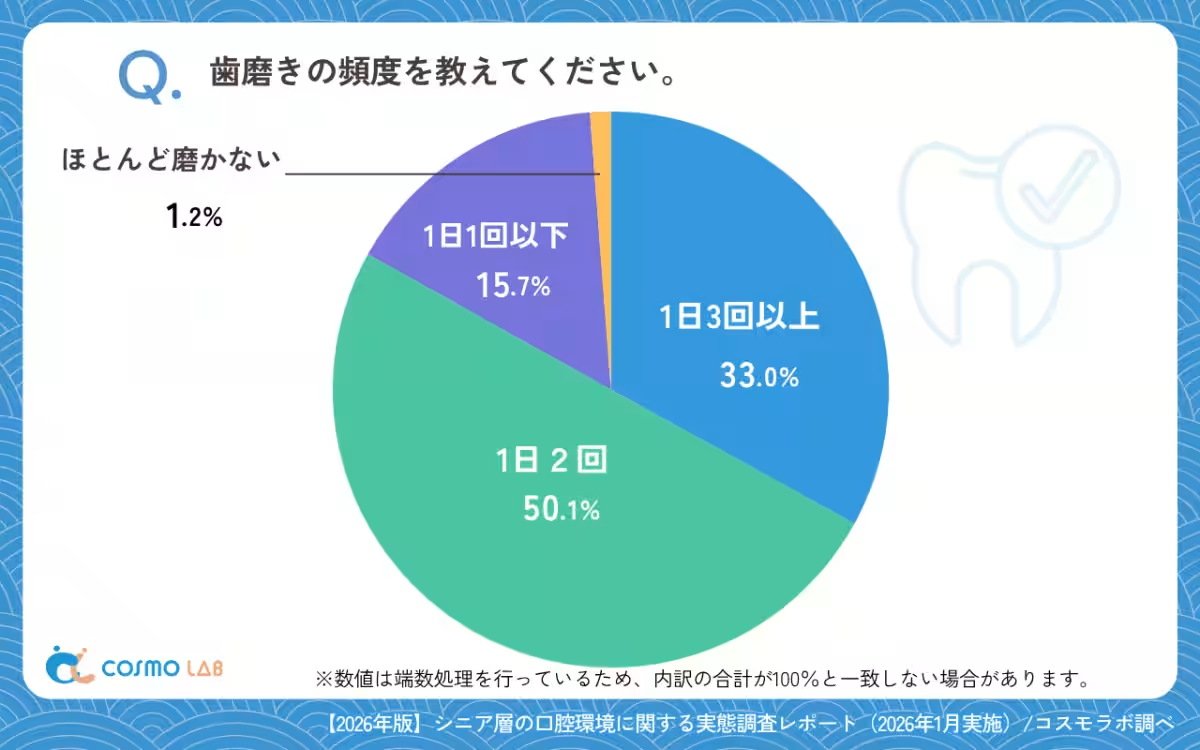
Upon examining the frequency of tooth brushing, 50.1% of respondents brush twice a day, with a further 33% brushing three times or more. However, a concerning 15.7% brush once a day or not at all. Understanding the barriers such as perceived inconvenience can assist in developing tailored educational efforts to enhance these habits.
Supplementary Oral Care
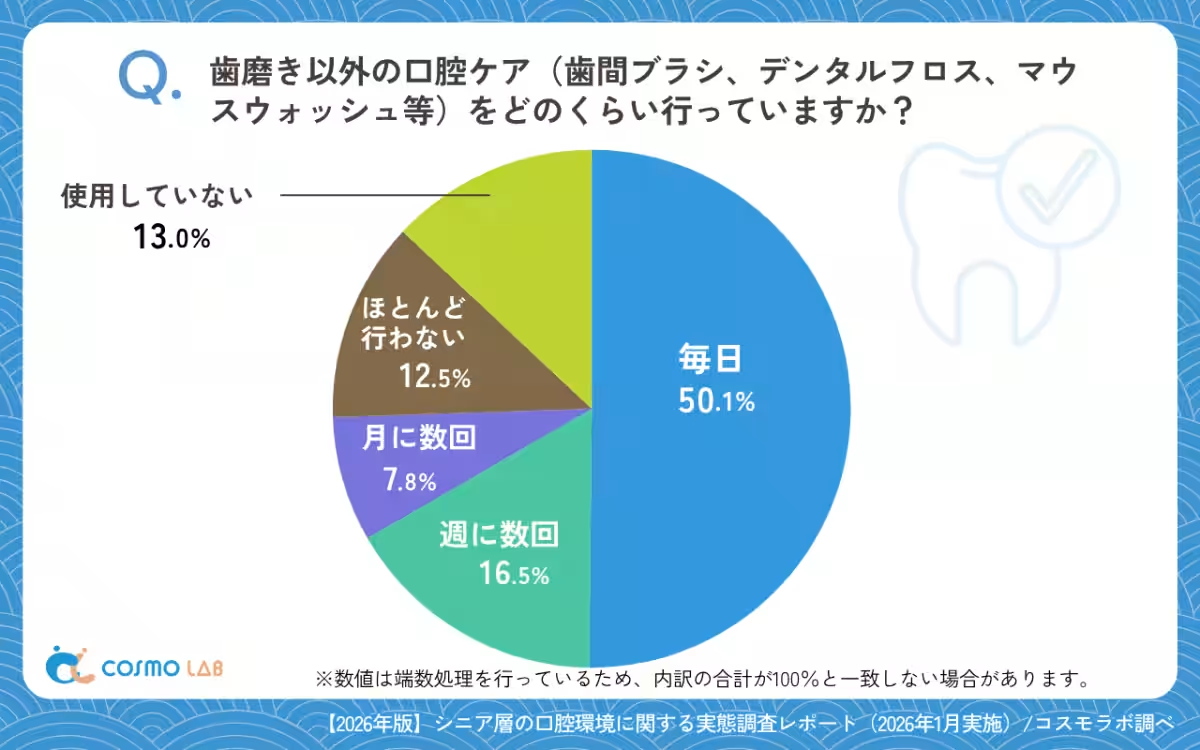
The application of additional oral care practices, such as flossing and mouthwash use, was reported to be a daily habit for 50.1% of those surveyed. However, a portion still neglects this aspect of care, emphasizing an opportunity for engagement regarding the significance of comprehensive oral hygiene.
Conclusion and Future Directions
The analysis indicates a clear divide between habitual self-care and access to professional dental support. While many seniors adhere to recommended practices, there remains a percentage that engages infrequently due to perceived barriers related to cost and awareness.
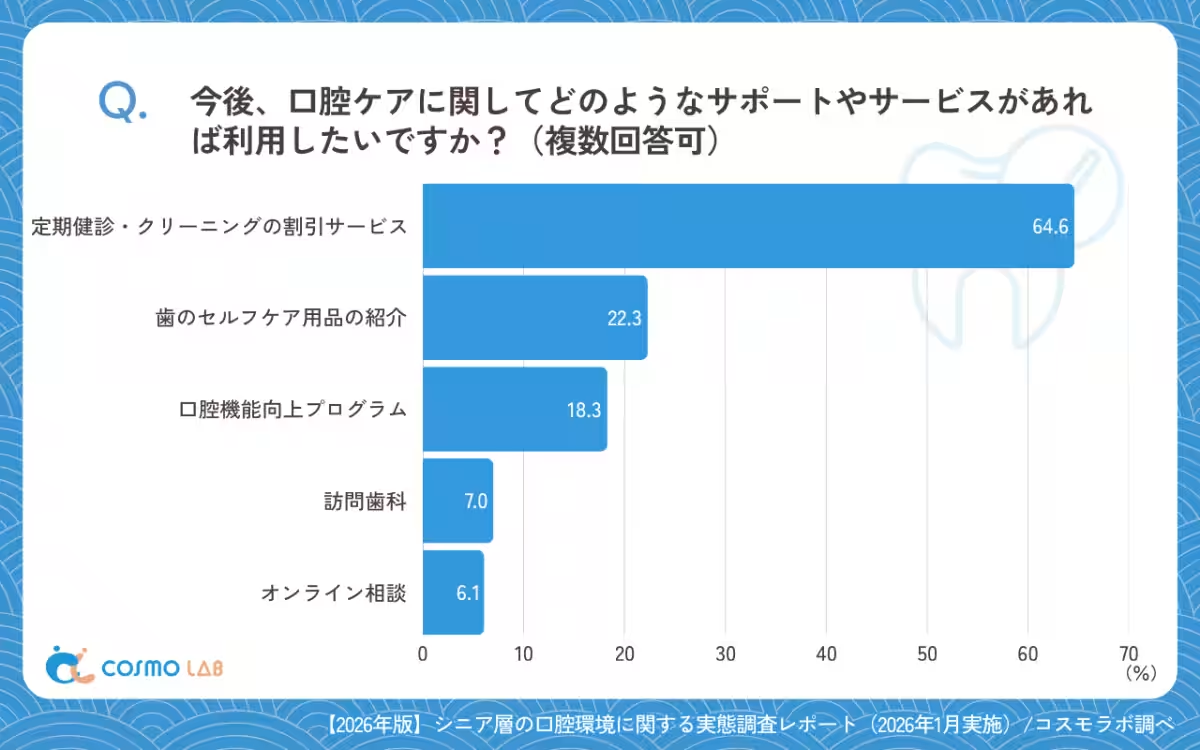
As we look ahead, tailored support services, such as discounted routine check-ups, can facilitate better engagement with oral health initiatives. Moreover, the increasing acknowledgment of mental health implications associated with dental hygiene creates an avenue for public health campaigns targeted at educating senior populations about maintaining their oral health.
Overall, the actionable insights from this survey can provide frameworks for designing future services and health programs that are user-friendly and supportive of seniors' dental health needs.
Topics Health)
【About Using Articles】
You can freely use the title and article content by linking to the page where the article is posted.
※ Images cannot be used.
【About Links】
Links are free to use.