



The Rising Concerns of Sexual Deepfakes Among Young Adults in Japan
Understanding the Dark Side of AI: Sexual Deepfakes and Youth
In a recent study conducted by Child Fund Japan and Professor Sakurai from Otemon Gakuin University, alarming statistics surrounding the prevalence of sexual deepfakes among Japanese youth were revealed. Nearly 3.7% of respondents reported having personal experiences of being victimized by such technology, raising critical concerns about the dangers posed by AI in the realm of sexual exploitation.
Study Background
With the rapid advancement of generative AI technologies, the risk of unauthorized creation and dissemination of sexual images or videos has intensified. As these deepfakes spread online, they can cause significant harm to the victims, impacting their reputation and privacy, along with inducing long-term psychological distress.
The survey involved 2,060 young individuals aged between 16 to 24, conducted online over a three-day period in May 2026. It aimed to assess young people's awareness of sexual deepfakes, their experiences, and the existing educational measures in place regarding personal safety and consent.
Key Findings
The research uncovered several key insights:
1. Awareness of Sexual Deepfakes: Approximately 45.4% of respondents recognized the term 'sexual deepfake,' with a notable tendency for higher awareness among males.
2. Personal Encounters: Around 10% reported knowing someone who had created or shared sexual deepfakes, while 3.7% had personally experienced such violations. Again, higher incidences were noted among males.
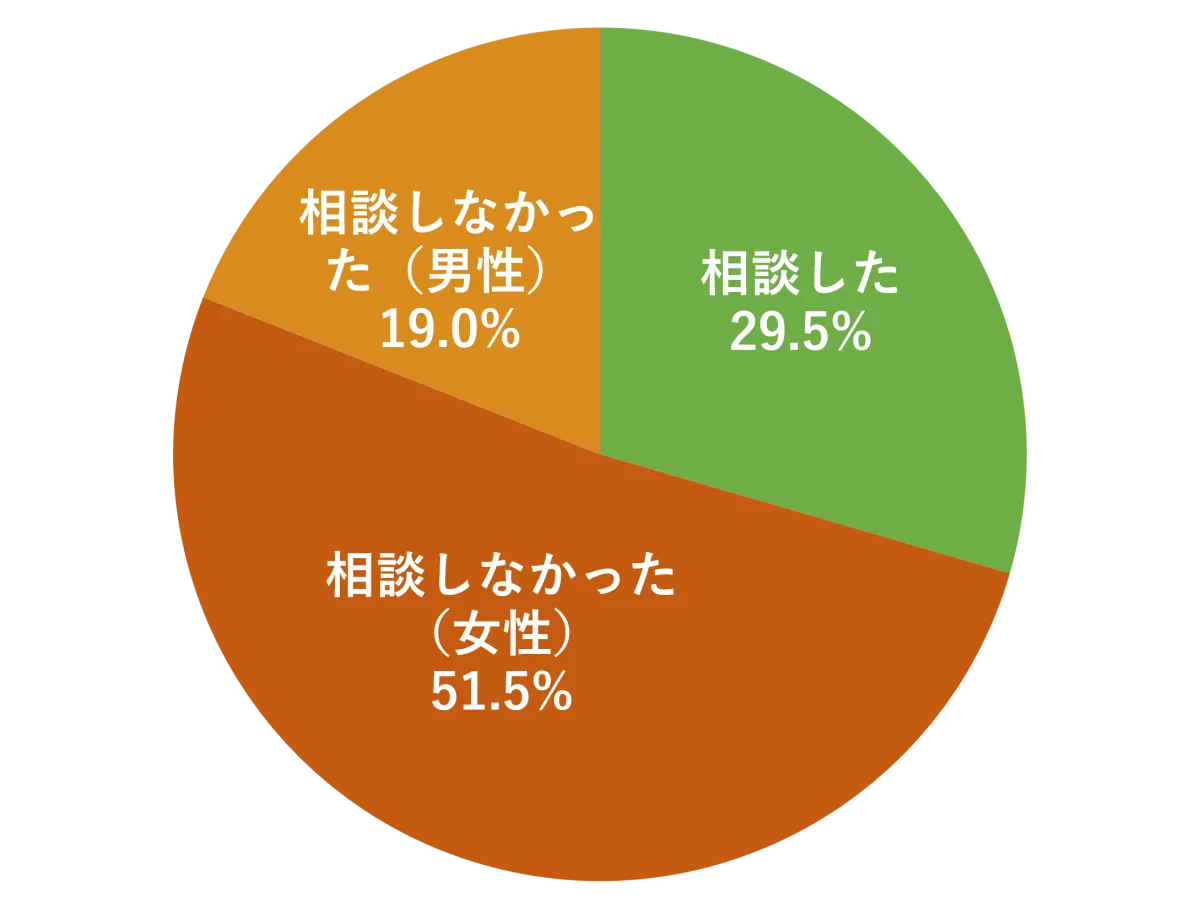
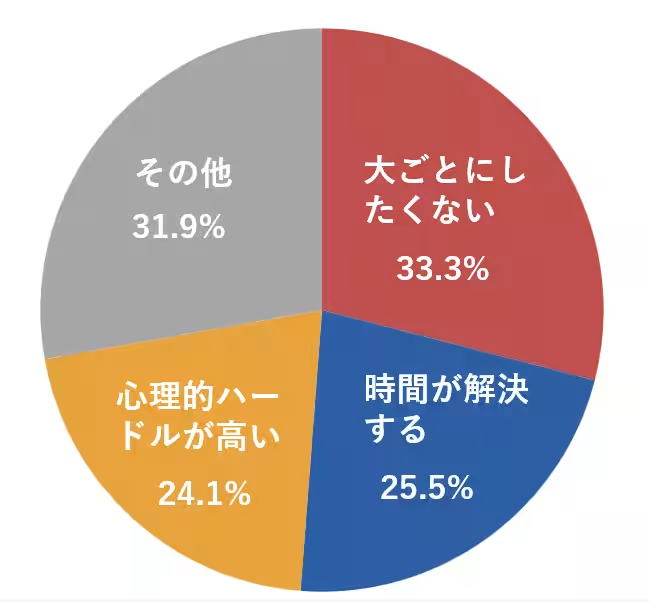
3. Sharing Requests: A striking 12.6% of respondents had been asked for sexual images by someone they met online, yet a staggering 70.5% did not discuss these incidents with anyone. Common reasons cited included not wanting to escalate the situation and believing that time would resolve the issue.
4. Safety Education Awareness: 43.0% indicated awareness of 'safety education' programs designed to teach young people about their rights, boundaries, and consent. The data showed a high level of comprehension, particularly around personal privacy (95.3%) and sexual consent (94.2%).
Despite these findings, the survey also highlighted a glaring gap in preventive education. Although 45.3% of schools engaged in sexual violence prevention education, it paled in comparison to programs focusing on traffic (96.2%) and disaster safety (95.6%). This indicates a significant deficiency in equipping youths with the tools to combat the unique threats posed by online sexual exploitation.
The Need for Dialogue and Support
The results indicate a troubling reality: young individuals often feel isolated and uncertain about whom to turn to when faced with sexual harassment or exploitation online. The anonymity provided by digital communications can exacerbate feelings of vulnerability and silence victims.
Recommendations from the research team underline the importance of creating a supportive environment for reporting these incidents. Establishing anonymous reporting systems and enhancing privacy during consultations are critical to ensure young people feel safe to speak out.
Additionally, there is a pressing need to enrich safety education programs. Moving from passive lectures to engaging, interactive workshops could significantly enhance understanding and promote behavioral change among students. Policymakers are urged to incorporate comprehensive educational standards addressing the nuances of digital sexual consent and the ramifications of sexual deepfakes in school curricula.
Final Thoughts
As generative AI continues to evolve, it poses both opportunities and risks. Groups like Child Fund Japan are dedicated to advocating for children and youth's rights, pushing for systemic changes that foster safer online environments and better educational programs. By acknowledging the landscape of risk and implementing proactive measures, we can support young people and empower them to navigate the digital era responsibly and safely.
For more details on this significant survey and its findings, please refer to Child Fund Japan's publication.

Topics People & Culture)
【About Using Articles】
You can freely use the title and article content by linking to the page where the article is posted.
※ Images cannot be used.
【About Links】
Links are free to use.