



The Evolution of Osechi: Traditional and Western Influences on New Year’s Dining
The Evolution of Osechi: Traditional and Western Influences on New Year’s Dining
As we approach the end of 2025, many are looking forward to gathering with family and friends to enjoy delicious food during this festive season. Central to many New Year’s celebrations in Japan is the beloved Osechi cuisine, symbolizing good fortune and happiness for the year ahead. In this article, we will explore the current state of Osechi in Japanese households, its evolution over the years, and the influence of Western-style Osechi.
The Current Landscape of Osechi in Households
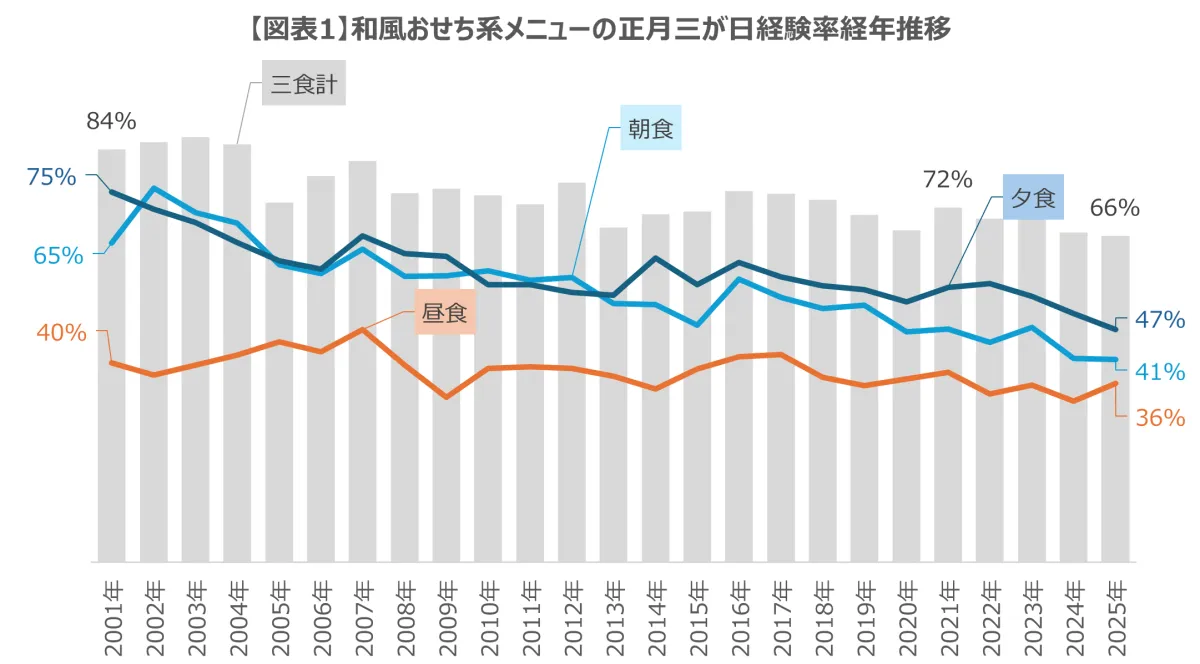
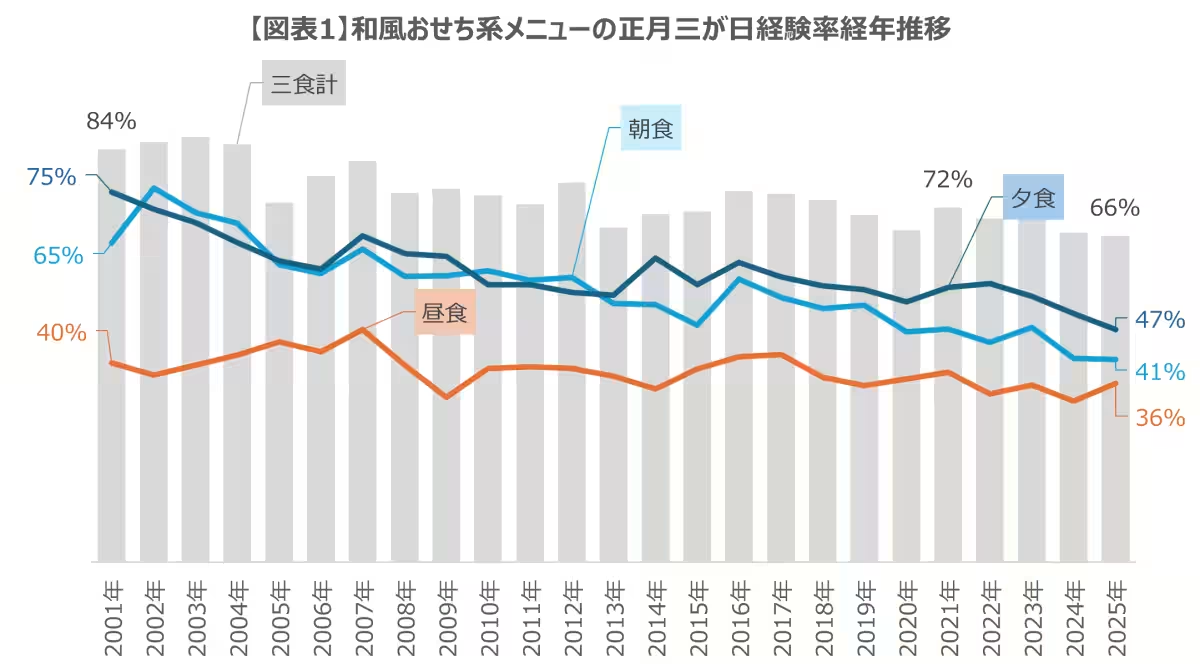
First, let’s examine how prevalent traditional Japanese Osechi is among families today. According to recent data, the percentage of households that serve traditional Osechi dishes has shown a gradual decline over the past 25 years. Initially, in the year 2001, over 80% of Japanese households enjoyed traditional Osechi at their New Year celebration. By 2025, this figure has reduced to 66%. Surprisingly, even with this decline, it's still noteworthy that nearly two-thirds of households maintain this cherished tradition.
Interestingly, the data also highlights that the experience rate of traditional Osechi is strongest during lunch, where it has remained stable over the last 15 years. This resilience during lunchtime may be contributing to the ongoing legacy of this traditional fare.
The Rise of Western-Style Osechi
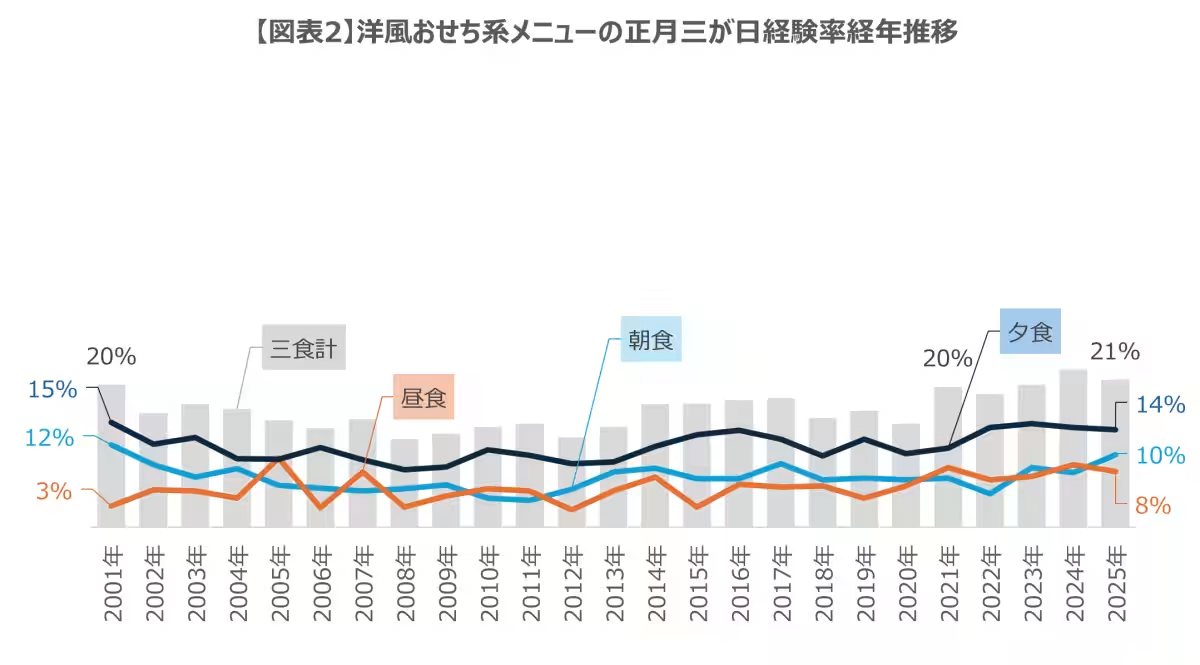
In recent years, a delightful twist has emerged in the world of Osechi: the introduction of Western-style Osechi. This new genre has become quite familiar to the modern palate. By 2025, while the number of households enjoying Western Osechi is still about one-third that of traditional Osechi, since 2021, we have seen a steady increase in its popularity. Similar to traditional Osechi, the experience rate of Western-style Osechi is notably robust during lunchtime.
The appeal of Osechi today can be largely attributed to evolving consumer needs, particularly the demand for convenience. Traditional Osechi typically features dishes that have a long shelf-life, allowing families to prepare meals in advance without extensive cooking during the holiday rush. Furthermore, frozen options that can be delivered to homes ease the burden of shopping, providing a stress-free experience during the hectic New Year season. Varieties now include not only Western-style dishes but also Chinese and dessert-themed Osechi, catering to diverse family preferences.
Opportunities Beyond Traditional Osechi
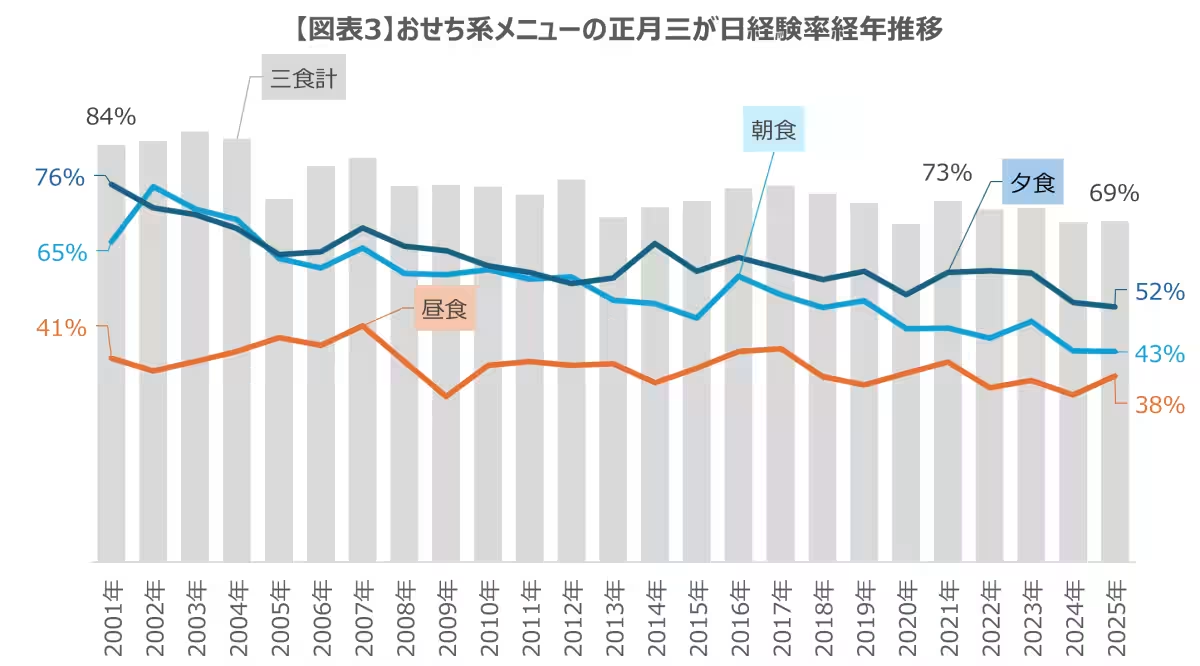
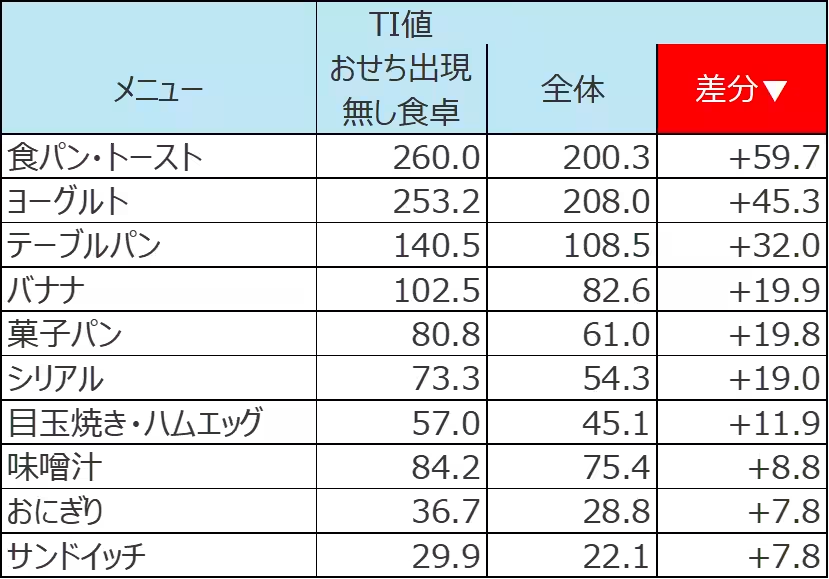
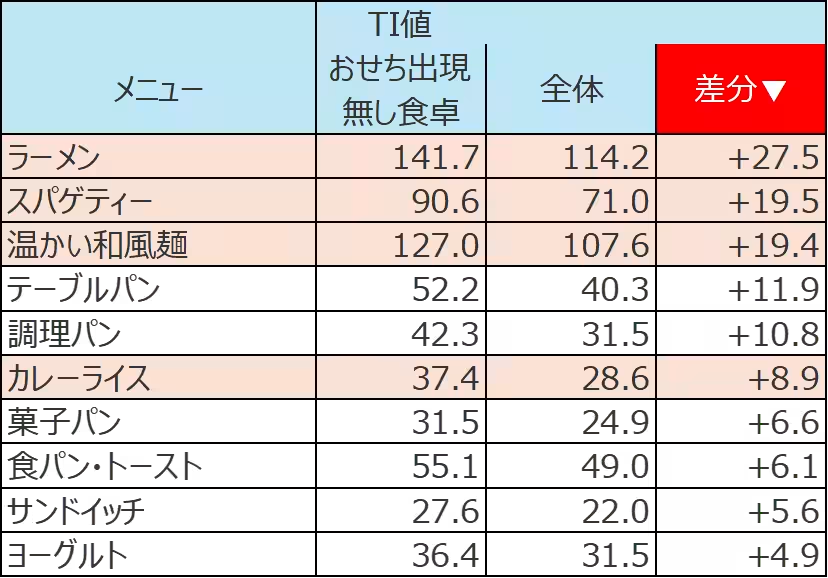
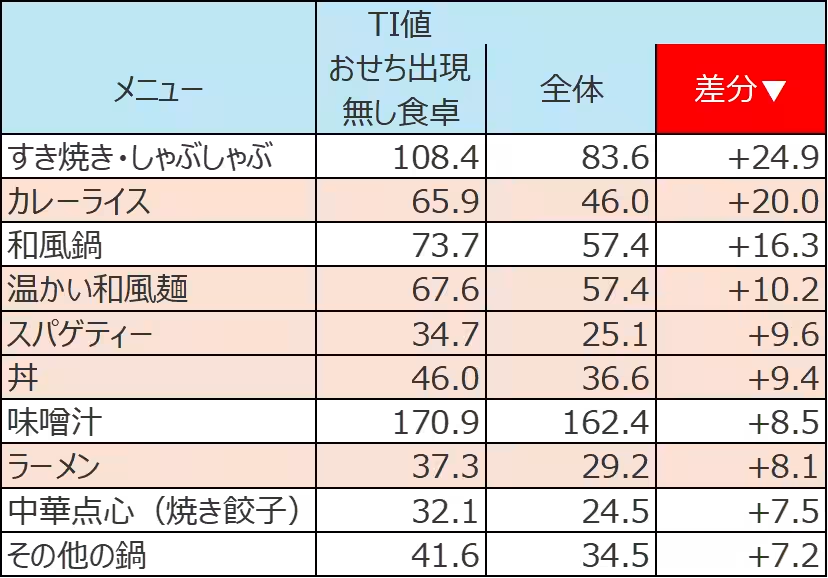
While roughly 70% of households enjoy some form of Osechi during New Year’s, it also raises the question of what the remaining 30% are consuming during this time. Looking closely at the data, it’s clear that those who opt-out of Osechi typically embrace everyday meals during breakfast, lunch, and dinner.
For breakfast, findings show a preference for lighter fare, including bread, cereals, yogurt, and fruits. Interestingly, families without Osechi still seem to enjoy rice cakes or traditional breakfast items. Moving to lunch, dishes like ramen, spaghetti, and curry rice dominate the table, reflecting a trend towards simpler, quick-to-prepare meals. Dinner options also highlight communal dishes like sukiyaki and shabu-shabu, further establishing the dominance of everyday meals over traditional holiday fare.
The Future of Osechi: A Blend of Tradition and Innovation
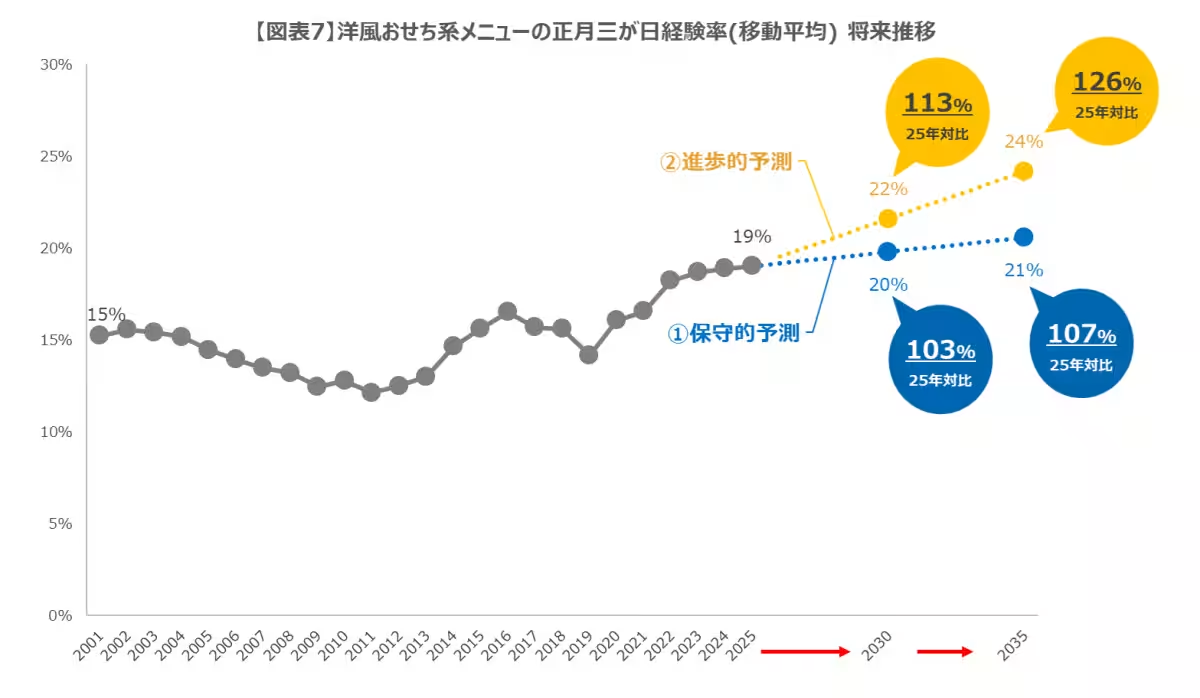
Returning our focus to the tables featuring Osechi, we can predict the future role of Western Osechi in New Year celebrations. Based on past trends, it is anticipated that the percentage of households enjoying Western Osechi could increase significantly by 2030 and beyond. Traditional Osechi, while still beloved, may find a new counterpart in the growing popularity of Western-style dishes, reflecting a shift towards more universally appealing meals.
As we have seen through data from over two decades, the evolution of Osechi is not merely about maintaining tradition; it’s also about adapting to contemporary preferences and busy lifestyles. This acknowledgment of diversity and ease is likely paving the way for a new standard in New Year’s dining experiences.
For those interested in exploring the intricacies of dining trends and consumer preferences further, please feel free to reach out through the contact form provided. Our analysis extends beyond trends in menus to encompass ingredients and consumer attitudes, making it a valuable resource for understanding the future of dining in Japan and beyond.
Topics Consumer Products & Retail)
【About Using Articles】
You can freely use the title and article content by linking to the page where the article is posted.
※ Images cannot be used.
【About Links】
Links are free to use.