



Exploring the Rising Trends in Young Employee Turnover: Insights from the 2026 Survey
Insights from the 2026 Young Employee Turnover Survey
In recent years, the landscape of young talent retention has evolved significantly due to various socio-economic factors. As companies strive to address employee engagement and satisfaction, the results of the '2026 Young Employee Turnover Survey,' conducted by Recruit Management Solutions, reveal compelling insights into the mindsets of employees in their early career stages.
Overview of the Survey
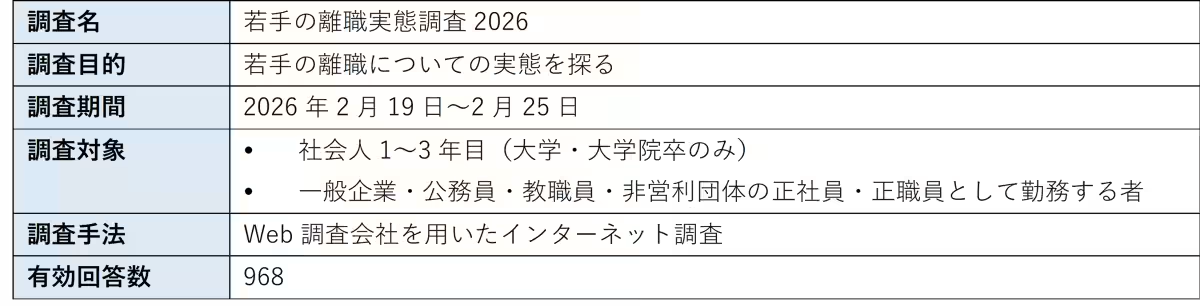
This comprehensive survey targets young professionals within their first three years of employment. It aims to uncover the underlying reasons for turnover and what aspects of their roles influence their decisions to stay or leave. Based in Tokyo, Recruit Management Solutions has taken a proactive role in understanding workplace dynamics, especially concerning younger employees.
Key Findings: Retention and Departure Trends
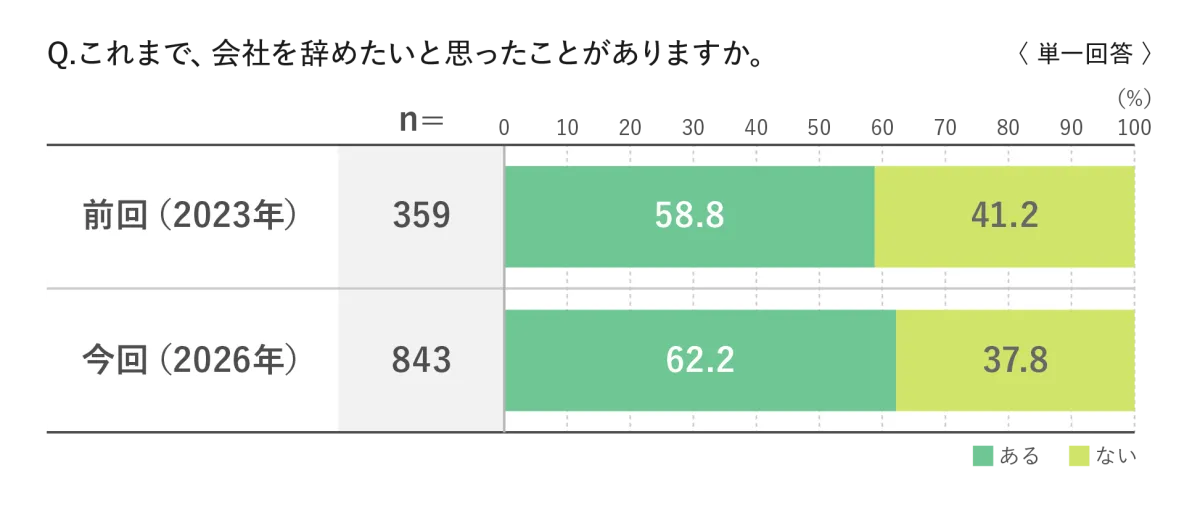
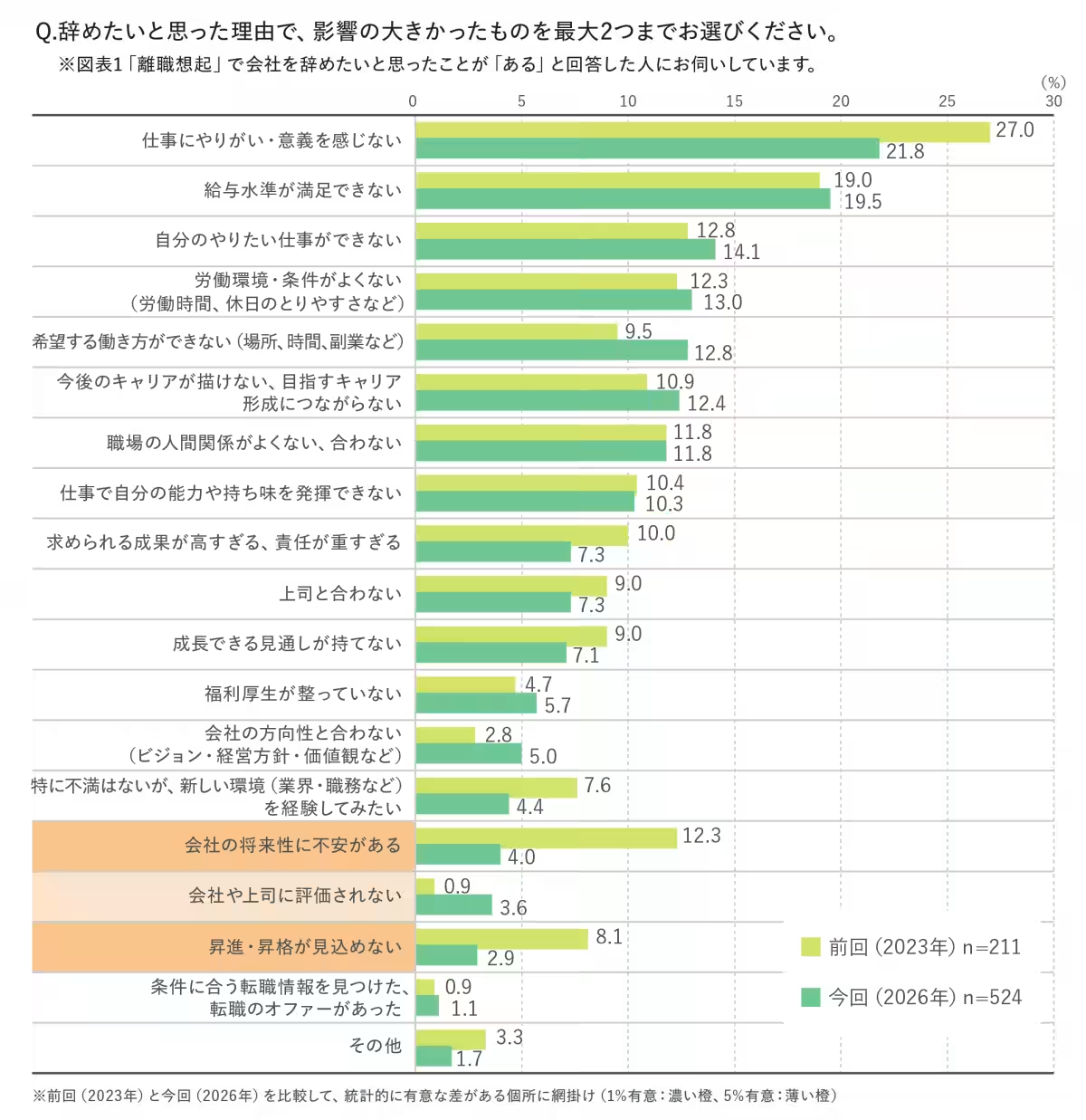
Approximately 62.2% of respondents admitted to having thought about quitting their jobs, a figure that aligns closely with the previous survey conducted in 2023, which recorded 58.8%. The predominant reasons for considering resignation included a perceived lack of job satisfaction and dissatisfaction with salary levels. Specifically, the top cited reasons were: 1) feeling that the work lacks significance, 2) dissatisfaction with salary, and 3) not being able to engage in desired tasks.
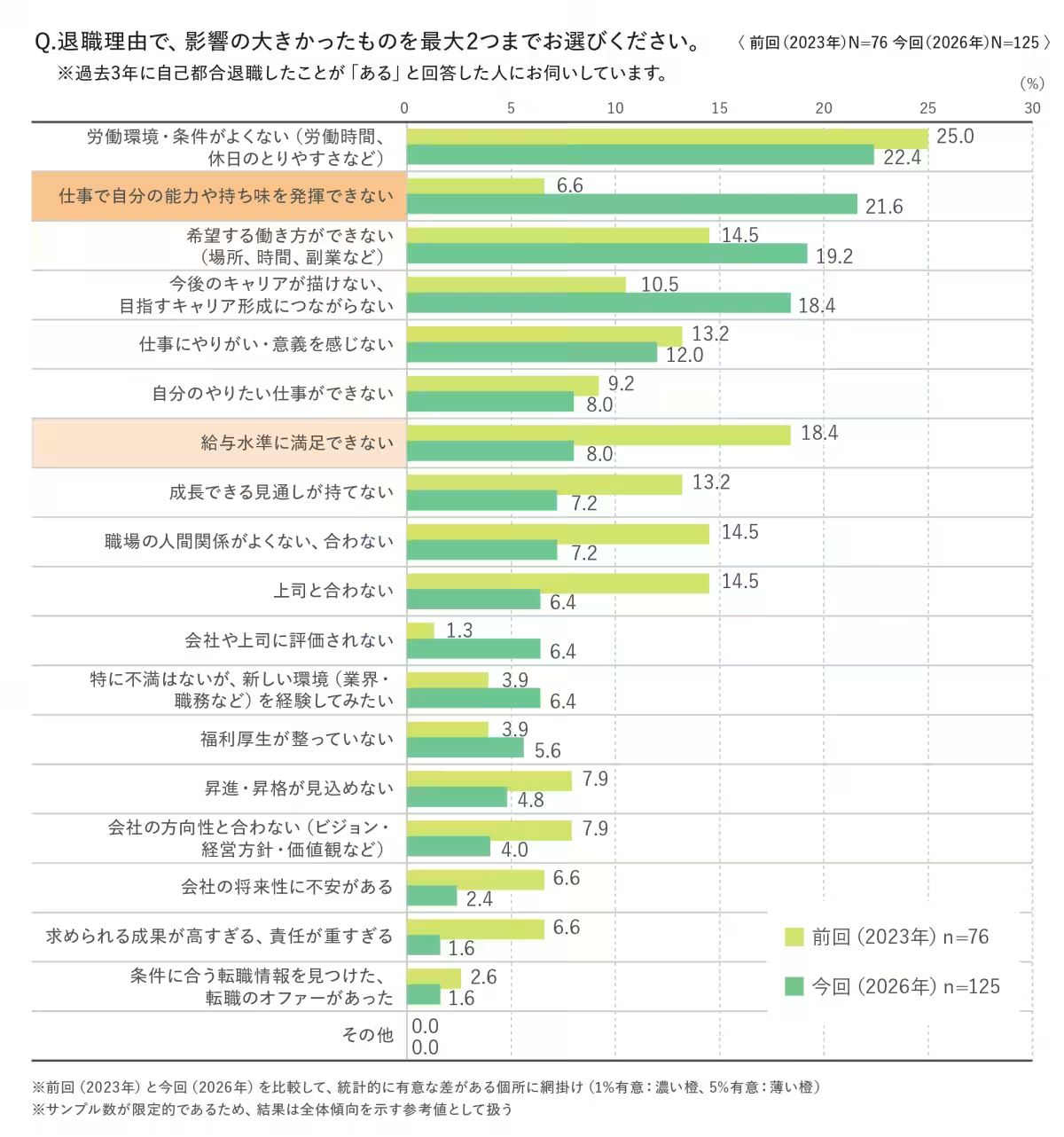
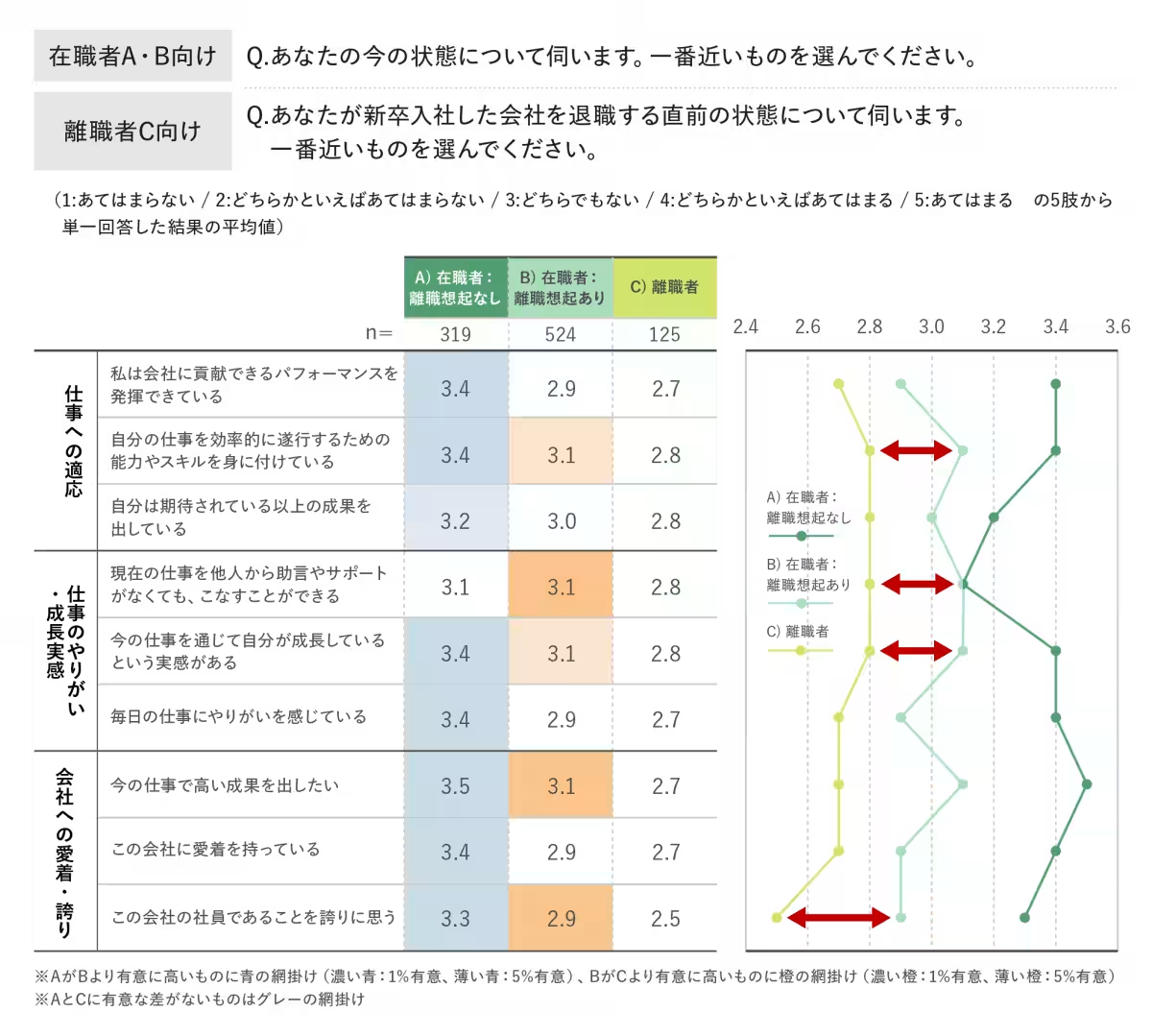
Interestingly, as time has progressed, the influence of salary as a reason for turnover has diminished, giving way to more nuanced factors such as the ability to showcase one’s skills and capabilities in the job. This dramatic shift indicates a deeper need for young employees to find meaning and to achieve their full potential at work.
Positive Factors Contributing to Retention
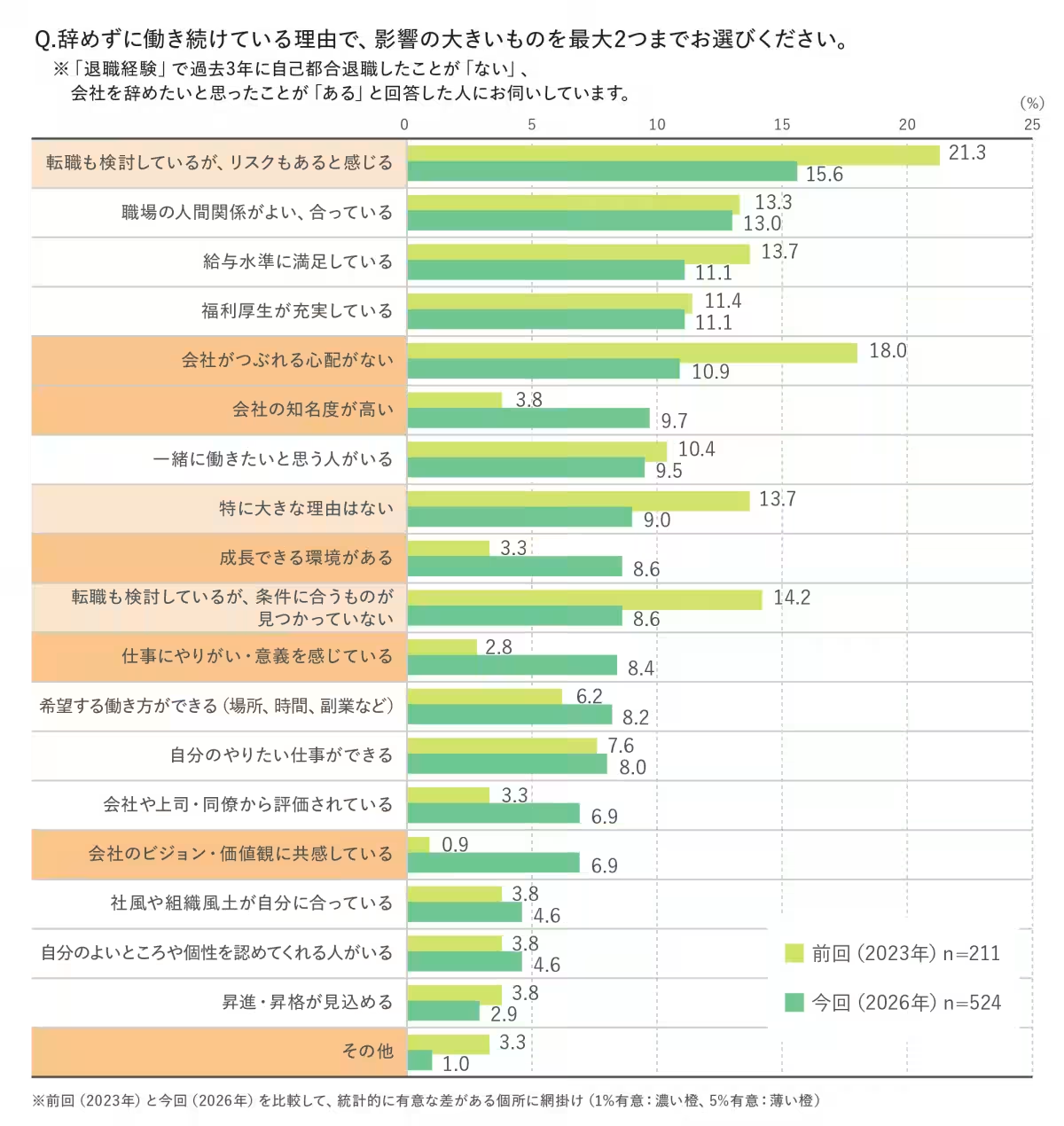
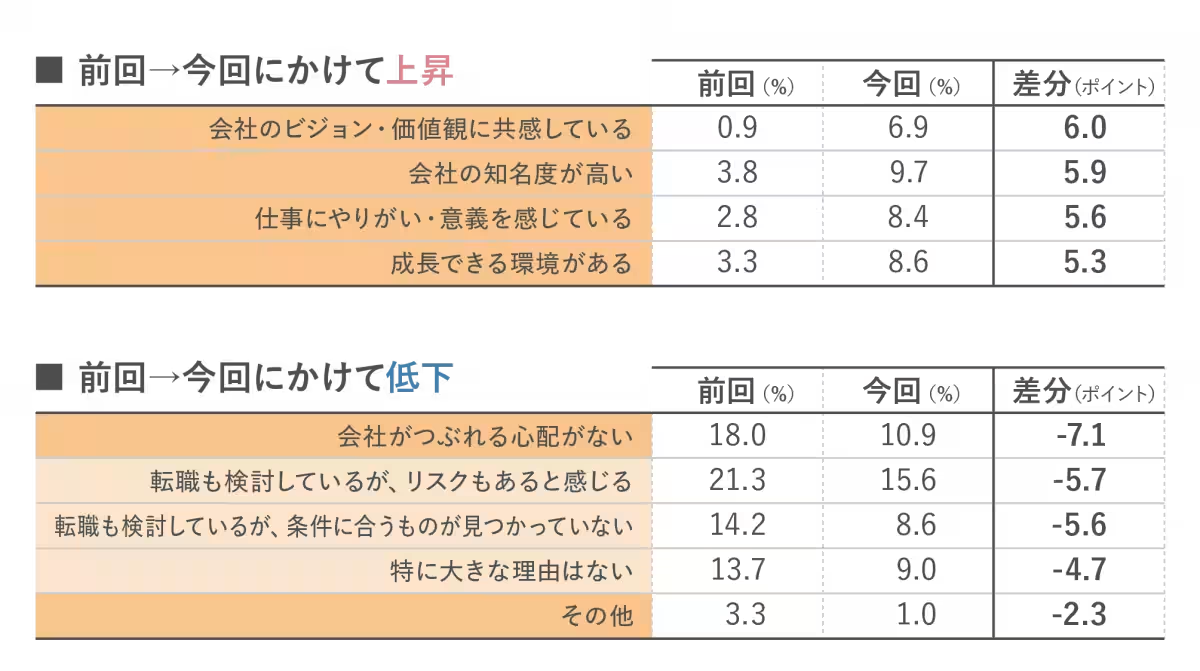
On a more optimistic note, the reasons for remaining at their jobs have also evolved. While previous concerns about the risks of switching jobs were prevalent, there has been a marked increase in positive motivators for staying, such as alignment with the company’s vision and values, opportunities for professional growth, and a sense of job significance. The data suggest that young employees are actively seeking environments in which they can thrive and feel appreciated.
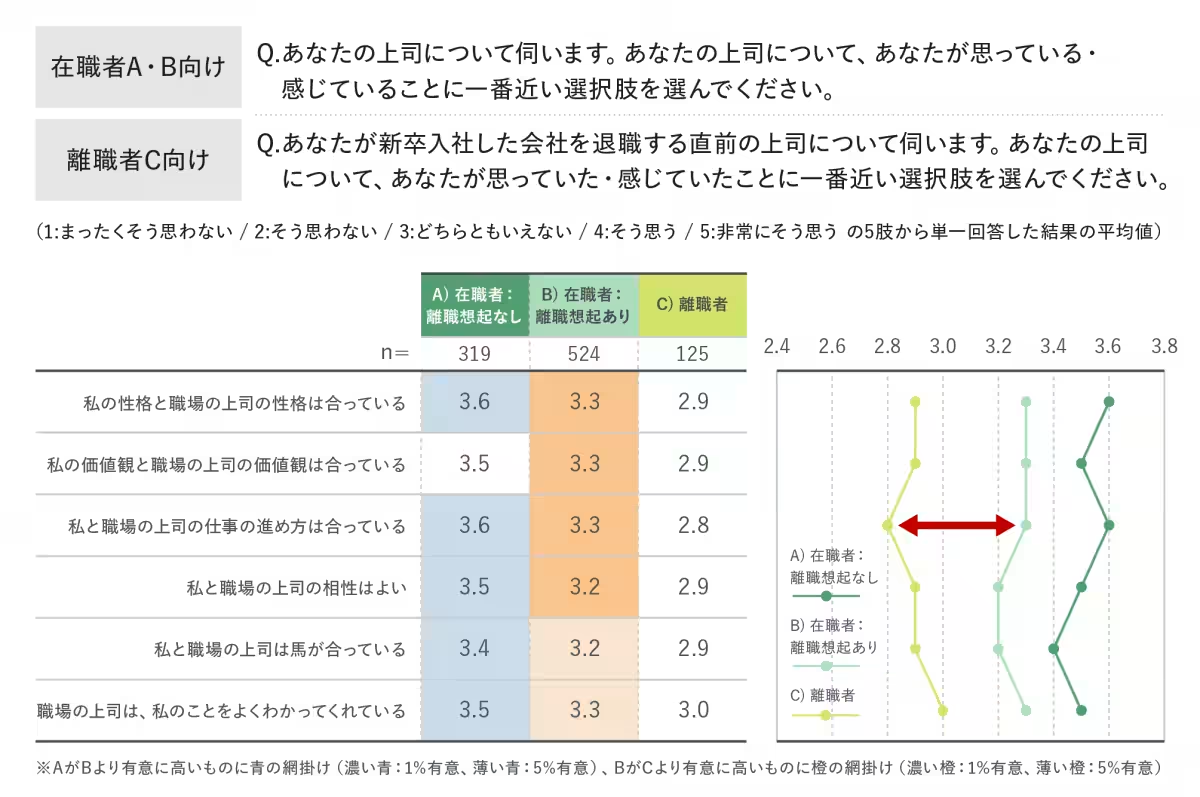
1. Supervisory Relationships: The data indicates that the relationship with supervisors plays a critical role in retention. When employees perceive a synergy in work styles between them and their supervisors, the likelihood of them remaining with the company increases.
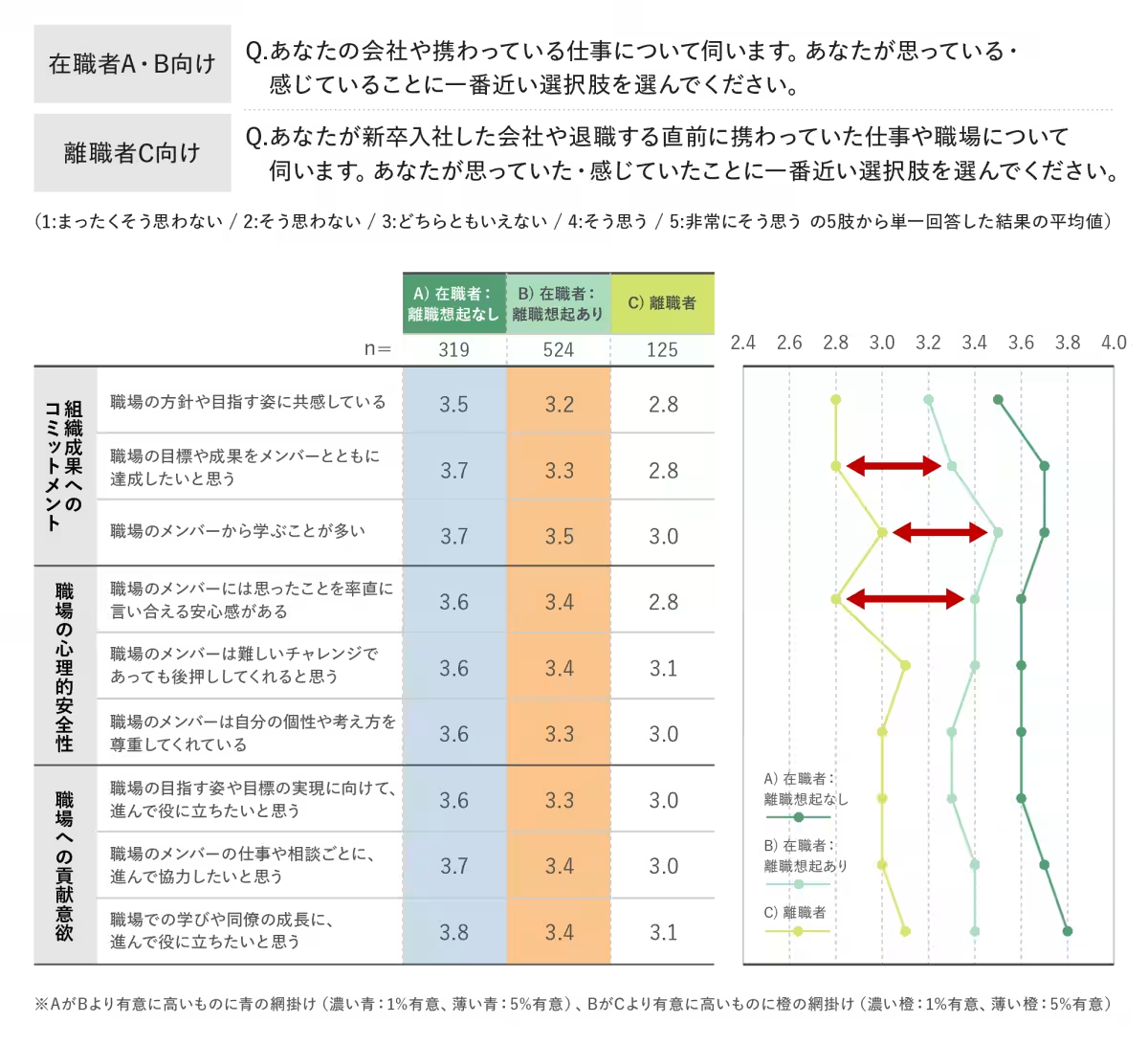
2. Workplace Dynamics: Employees emphasized the importance of a psychologically safe environment where they can voice opinions freely and feel a sense of camaraderie in achieving shared goals, suggesting that workplace culture has a significant impact on turnover.
3. Individual Development: A self-directed work environment that fosters the opportunity for growth and acknowledges individual contributions also emerged as a key factor in retention.
Implications for Organizations
The implications of these findings suggest that organizations must adapt their strategies beyond mere financial benefits to effectively address turnover. It’s essential to cultivate a workplace culture that prioritizes personal growth, encourages open communication, and aligns job roles with employees' strengths and aspirations. Employers must strive to create a nurturing environment that supports autonomy while recognizing individual contributions.
In conclusion, the insights from the '2026 Young Employee Turnover Survey' reflect a changing paradigm in which young professionals are becoming increasingly selective about their work environments. Employers willing to embrace these changes and implement supportive measures will be better positioned to attract and retain talent in an ever-competitive labor market. By focusing on engagement drivers such as career development opportunities, workplace culture, and meaningful work, organizations can foster a more resilient workforce.
Note from the Research Director
Yohei Matsumoto, Senior Researcher at the Measurement Technology Research Institute of Recruit Management Solutions, expressed that the findings reveal a significant transformation in what motivates young employees. Not only are they seeking better salaries, but they also emphasize the importance of personal development and workplace relationships. The need for organizations to adapt to these values is more crucial than ever, highlighting the importance of supportive leadership and dynamic work environments. Employers are encouraged to rethink their approaches to employee engagement, especially in the face of young professionals increasingly valuing opportunities for personal and career growth.

Topics People & Culture)
【About Using Articles】
You can freely use the title and article content by linking to the page where the article is posted.
※ Images cannot be used.
【About Links】
Links are free to use.