



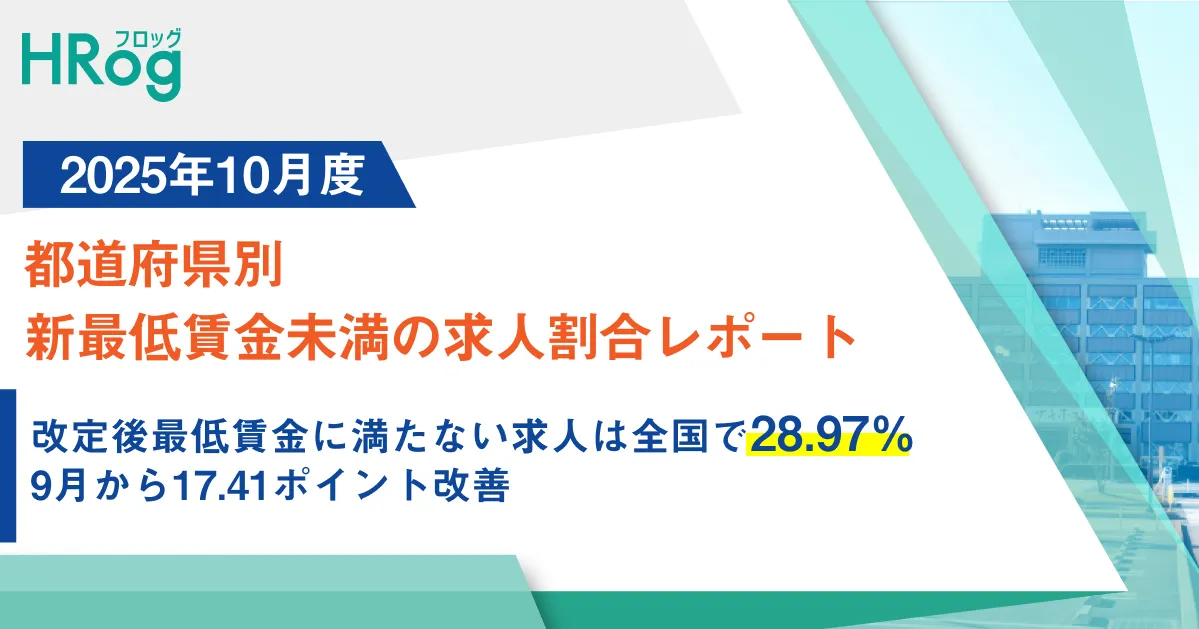
Recent Minimum Wage Reports Show Improvement in Job Listings Across Japan
Overview of Recent Minimum Wage Adjustments
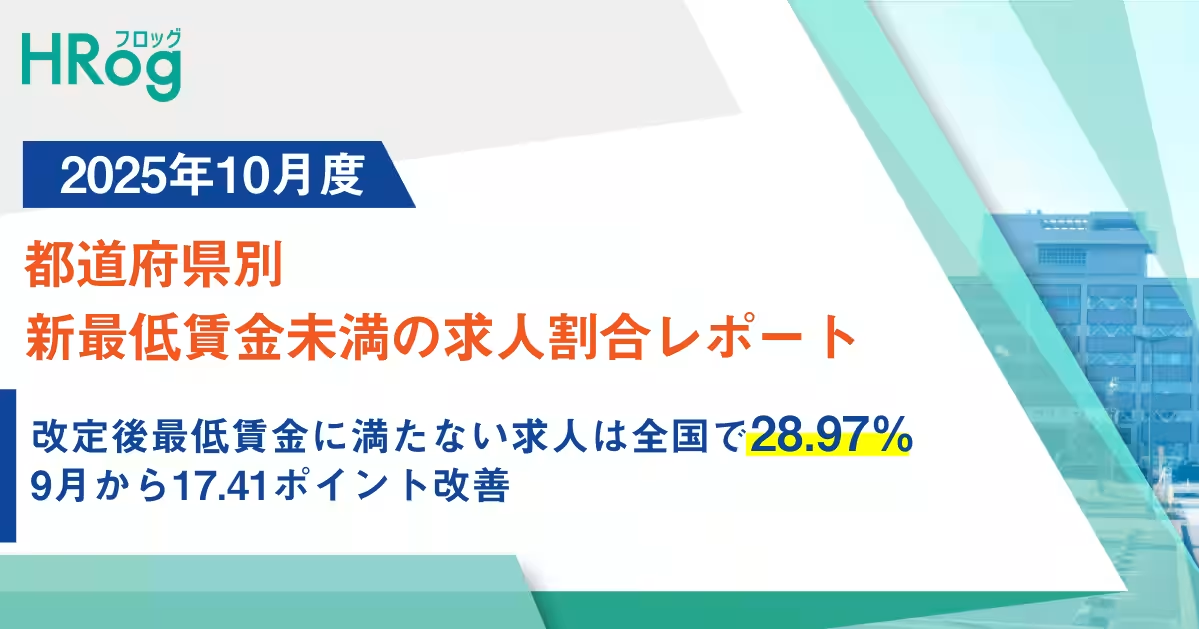
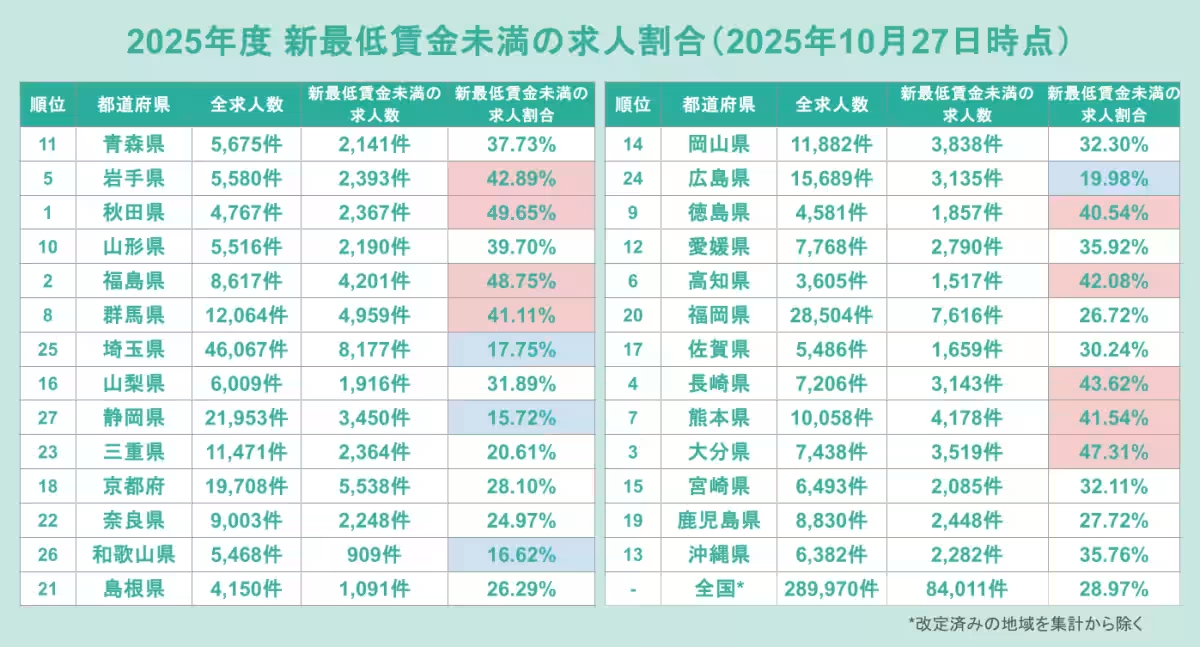
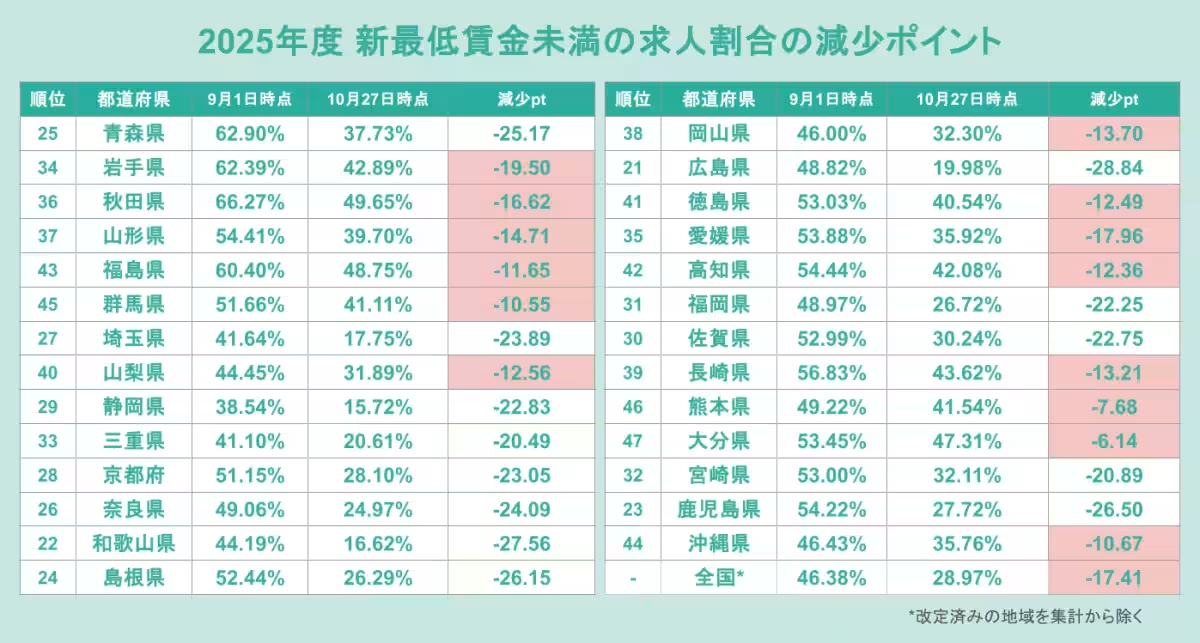
A recent report by Frog Inc., based in Chiyoda, Tokyo, reveals critical statistics concerning the job market in relation to the newly updated minimum wage across Japan. The report shows a notable improvement, with only 28.97% of job listings falling below the revised minimum wage, a significant drop from 46.38% in September. This shift indicates a nationwide movement towards compliance with wage regulations following the increases set to take effect from October.
Highlights of the Findings
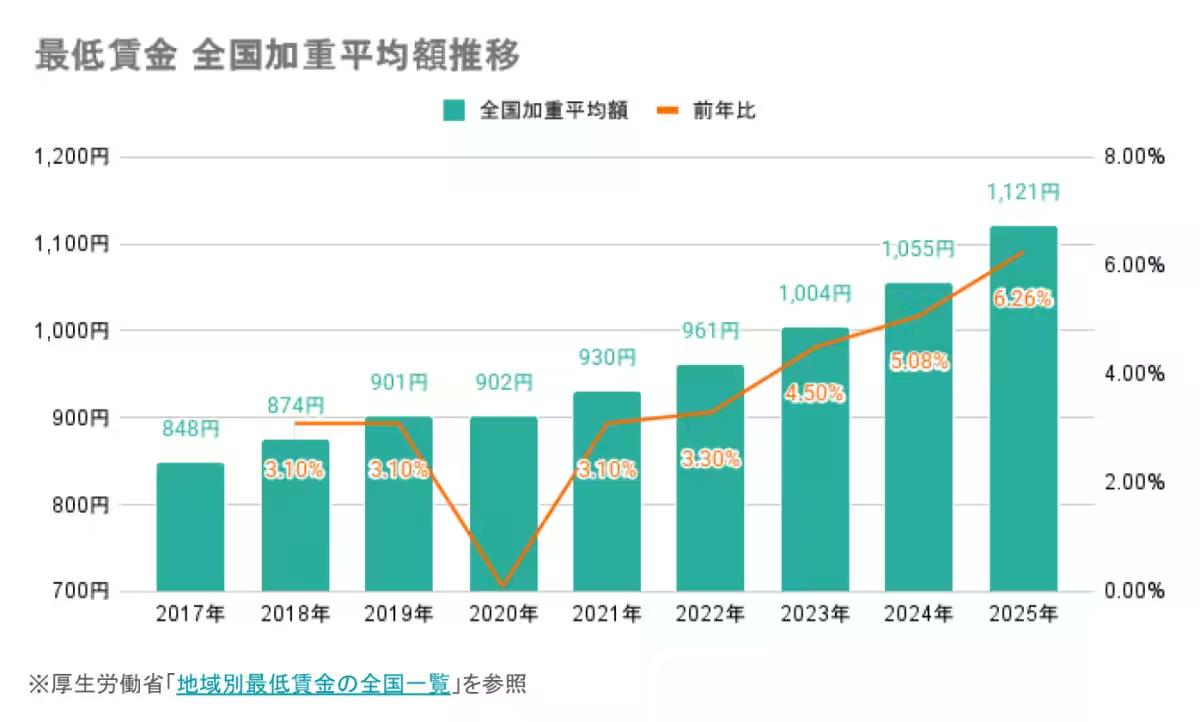
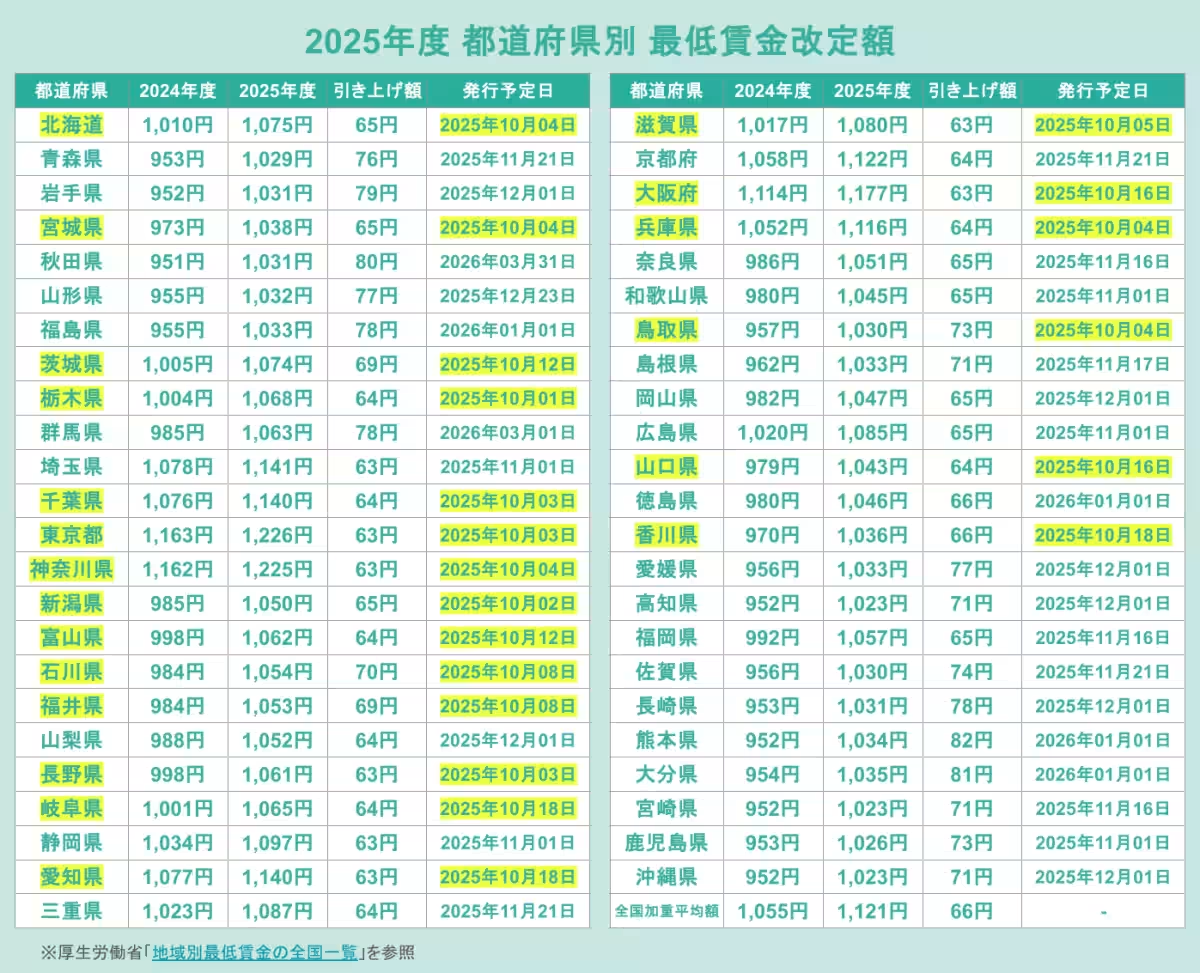
- - The Ministry of Health, Labour and Welfare announced an increase in regional minimum wages, ranging from 63 yen to 82 yen, raising the national average to 1,121 yen, marking a 66 yen increase from the previous year's rate.
- - Prior to these adjustments, specific prefectures such as Akita, Fukushima, and Oita saw significant percentages of listings beneath the new minimum wage, with Akita holding the highest rate at 66.27% in the earlier September report.
The October data, however, shows improvement across various regions, with the worst-hit prefectures displaying reduced percentages of underpaid positions. This transition highlights a positive trend toward rectifying wage disparities and improving employment conditions nationwide.
Regional Analysis
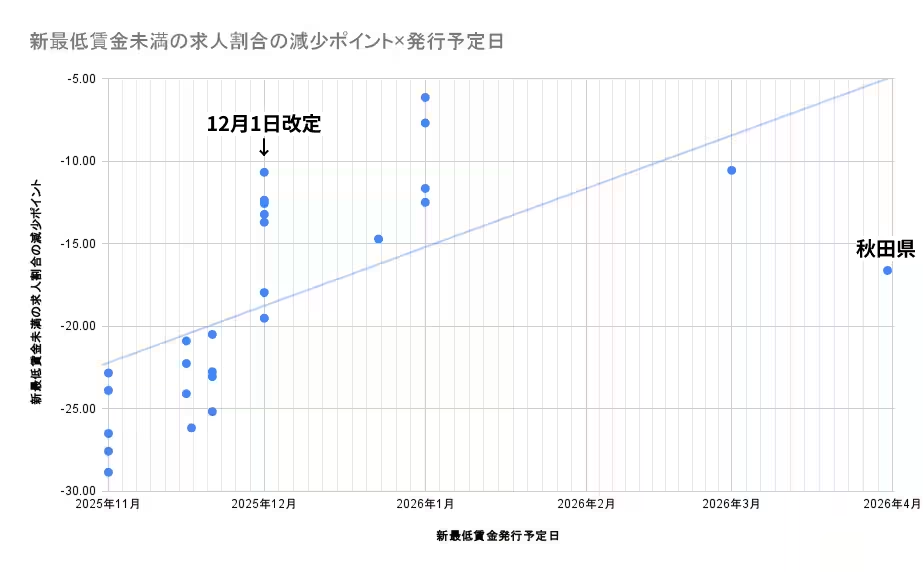
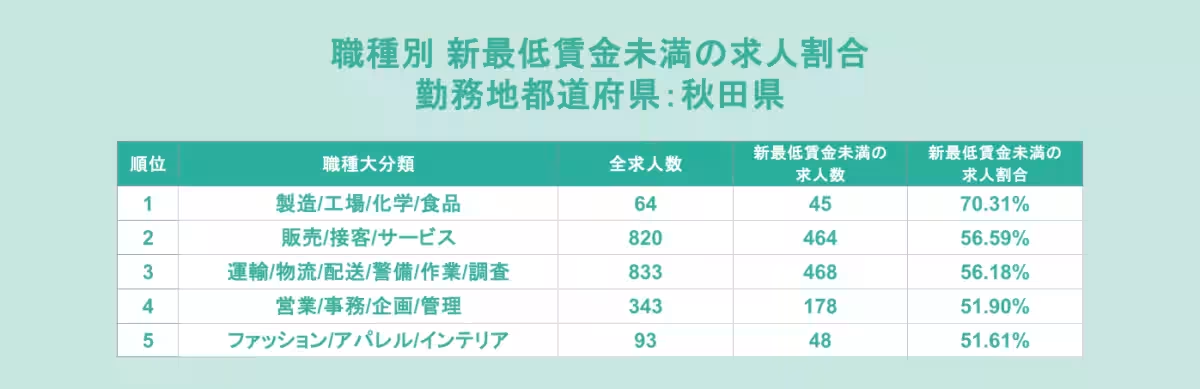
The comparative analysis reveals noteworthy patterns. In Akita, the percentage of job listings under the new wage decreased to 49.64%. Meanwhile, Fukushima (48.75%) and Oita (47.31%) follow closely. Despite the overall trend toward compliance, these zones, particularly in northeastern and southwestern Japan, continue to struggle with higher ratios of low-paying job listings. Notably, Akita's listings indicate a strong response to the increased minimum wage, despite being among the last prefectures to implement the changes.
Trends in Minimum Wage Increases
Historically, Japan has marked substantial annual increases in its minimum wage. The current year reflects a booming 6.26% rise—a movement urged by inflation and rising costs of living. The effects of these changes are evident as numerous job listings that previously paid below the minimum wage have begun to align.
- - Conducted research through collected listings from major job platforms such as Indeed, Baitoru, and MyNavi, illustrates this trend clearly. The data collected from September 1, 2025, to October 27, 2025, substantiates the improvements noted.
Upcoming Changes and Effects
With planned adjustments scheduled across various regions, significant changes will continue into 2026. Regions yet to implement the minimum wage changes are expected to witness declines in the listings that don't meet wage requirements as compliance spreads from the cities to the more rural areas.
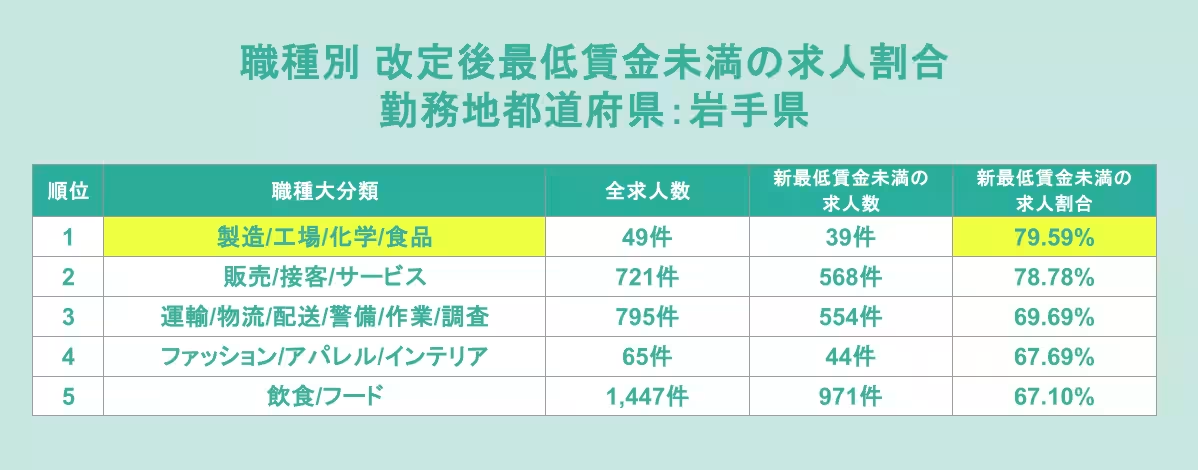
- - Notably, the job sectors most affected by lower minimum wage compliance include manufacturing, food service, retail, and logistics. Each of these industries showcases significantly high numbers of non-compliant job listings, revealing the necessity for urgent wage adjustments in these fields.
Job Posting Analysis by Sector
When breaking down the sectors associated with low-paying job listings, they have been grouped as follows:
1. Akita Prefecture: Manufacturing (70.31%), Sales (56.59%), Logistics (56.18%)
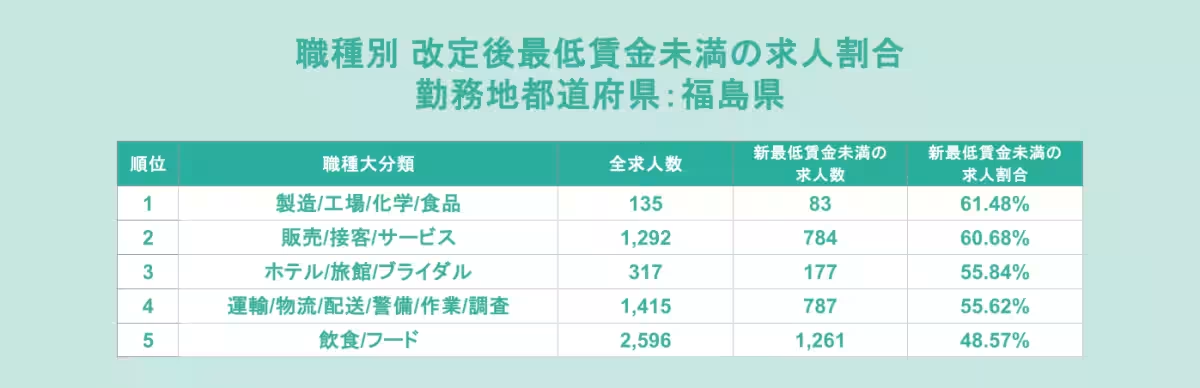
2. Fukushima Prefecture: Manufacturing (61.48%), Retail (60.68%), Hospitality (55.84%)
3. Oita Prefecture: Sales (60.23%), Manufacturing (59.49%), Logistics (57.11%)
These statistics reveal the critical areas that require focus and strategic planning as employers in these sectors are compelled to adjust wages to meet new standards and attract talent.
Conclusion
In conclusion, the latest report from Frog Inc. highlights essential adjustments in the Japanese job market concerning the new minimum wage regulations. With the nationwide average minimum wage surpassing 1,000 yen for the first time, a collaborative effort is necessitated across businesses to ensure adherence to compliance. While the report suggests promising trends in wage alignment, many sectors continue to lag, and strategies need to be revised to secure competitive pay and alleviate labor shortages. Leveraging big data to analyze and adapt recruitment strategies will be crucial in shaping future employment landscapes in Japan.
Research Methodology
The findings presented are drawn from an extensive collection of job advertisements spanning multiple platforms, carefully selected to ensure compliance with regulated wage standards. Job categories were processed through proprietary mapping to ensure accurate sector classification, enabling a comprehensive overview of trends.
Company Overview
Frog Inc. is dedicated to providing innovative recruitment data solutions and insights to optimize job market dynamics across Japan. Operating in an evolving economic landscape, our services offer a window into opportunity and strategy in recruitment, ensuring stakeholders remain informed through actionable analytics.
For further information on our findings or data services, please contact our sales team or visit our website.
Topics Business Technology)

【About Using Articles】
You can freely use the title and article content by linking to the page where the article is posted.
※ Images cannot be used.
【About Links】
Links are free to use.