



Exploring the Discrepancies in Job Seeker Aspirations Among 2026 Graduates
Understanding the Discrepancies in Job Seeker Aspirations
As the summer internship season approaches for the graduating class of 2028, the landscape is set for a new wave of recruitment activities. But before stepping into this busy period, it's crucial to reflect on the recruitment journey of the previous graduating class—2026. A recent survey conducted by Seeds and Growth Co., Ltd., a Tokyo-based consulting firm focused on new graduate hiring, reveals interesting insights that both job seekers and employers should consider moving forward.
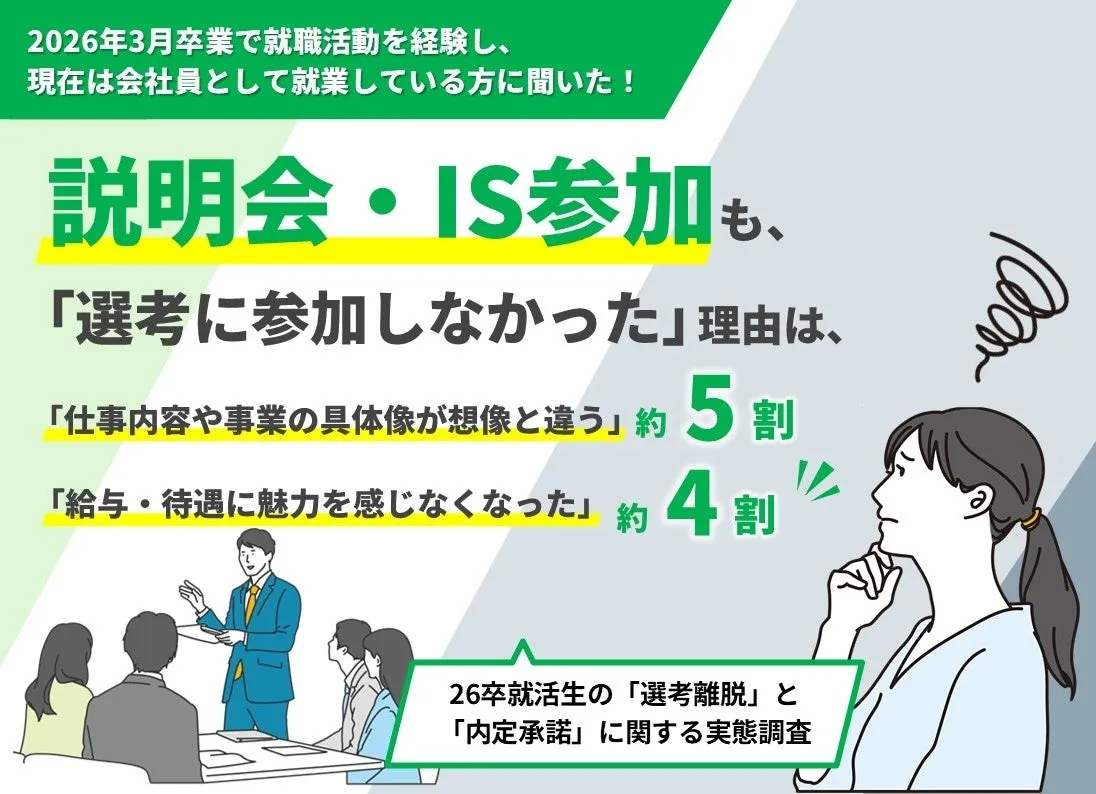
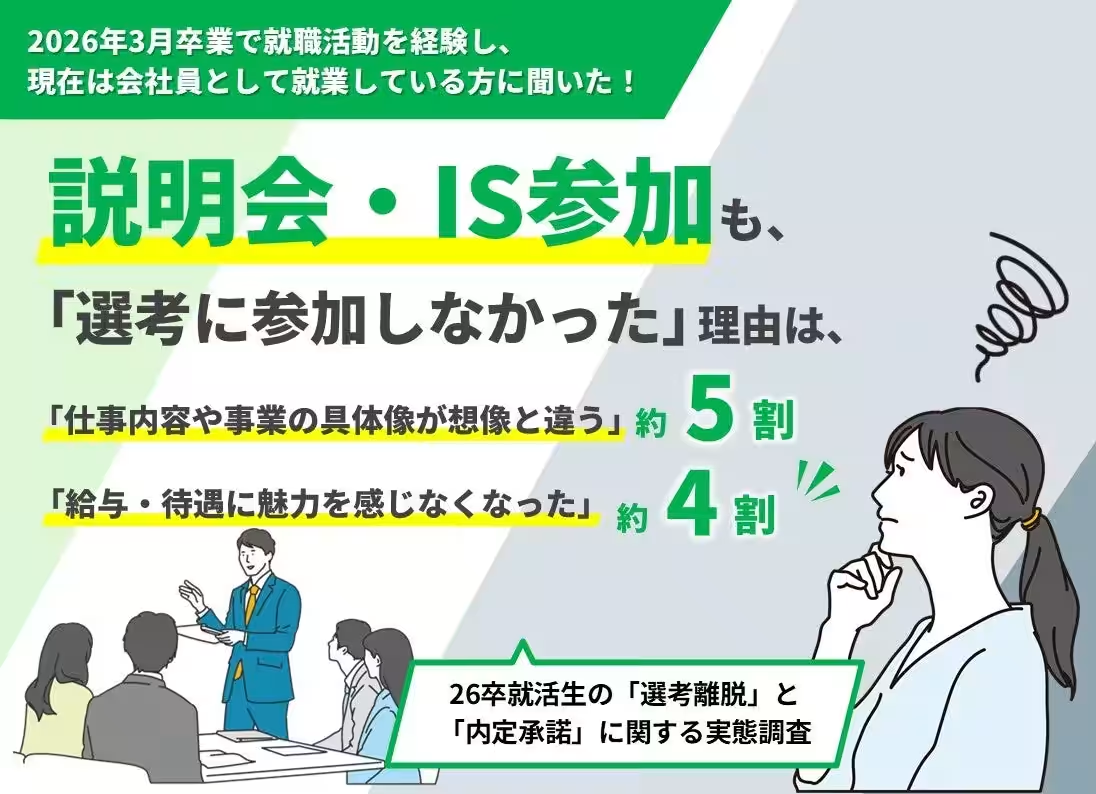
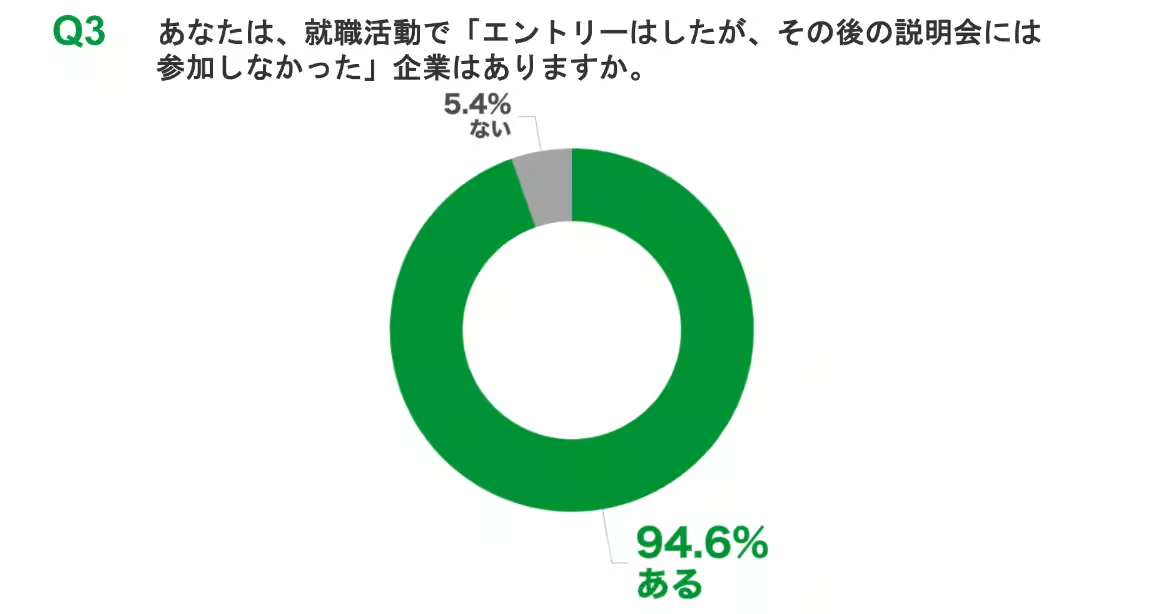
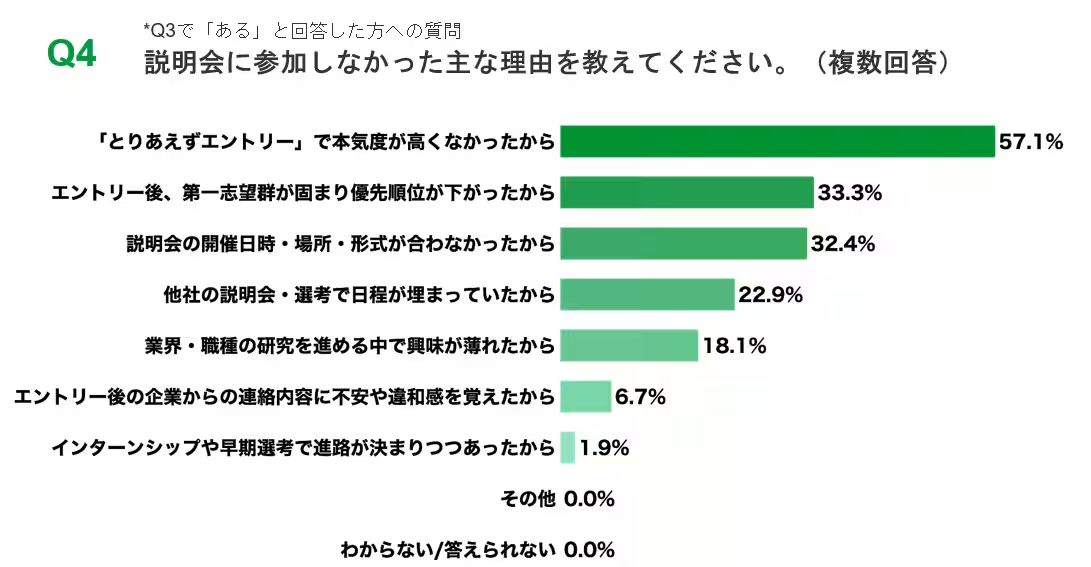
The survey targeted 111 individuals who graduated in 2026 and have since entered the workforce. Surprisingly, a staggering 94.6% of respondents reported that they had applied to companies but did not attend subsequent information sessions. The primary reason for this disengagement was that many applicants initially applied with a lack of genuine interest, as highlighted by 57.1% of participants.
This phenomenon indicates a troubling trend where students, particularly in the early stages of their job search, tend to apply to numerous companies without fully understanding the details of each. As they navigate their recruitment journeys, the gap between their expectations and reality becomes increasingly evident.
Key Findings from the Survey
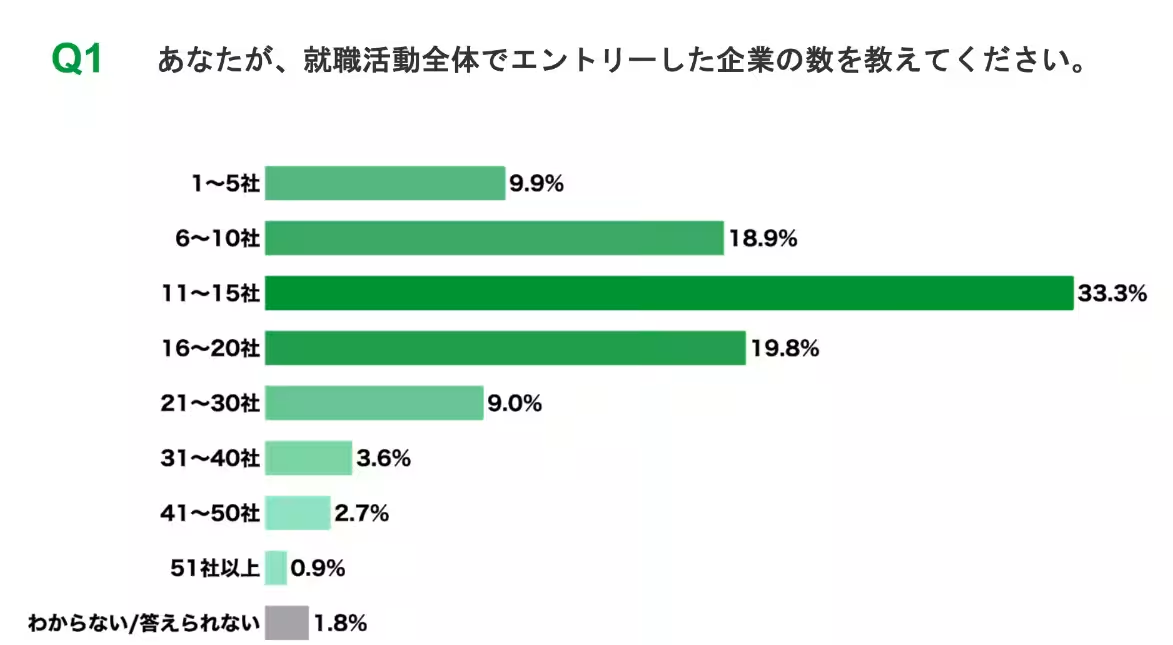
1. Entry Level Applications: It was found that 33.3% of the participants applied to between 11 to 15 companies, suggesting that most candidates concentrated their efforts within 6 to 20 companies. This trend speaks to a broader strategy among students to engage in more selective applications amid a competitive job market.
2. The Participation Dilemma: Among the students who applied but refrained from attending information sessions, the majority cited their initial willingness being more of a checkbox exercise rather than a signal of real interest. This indicates a significant yet often overlooked disconnect in genuine enthusiasm during initial job applications.
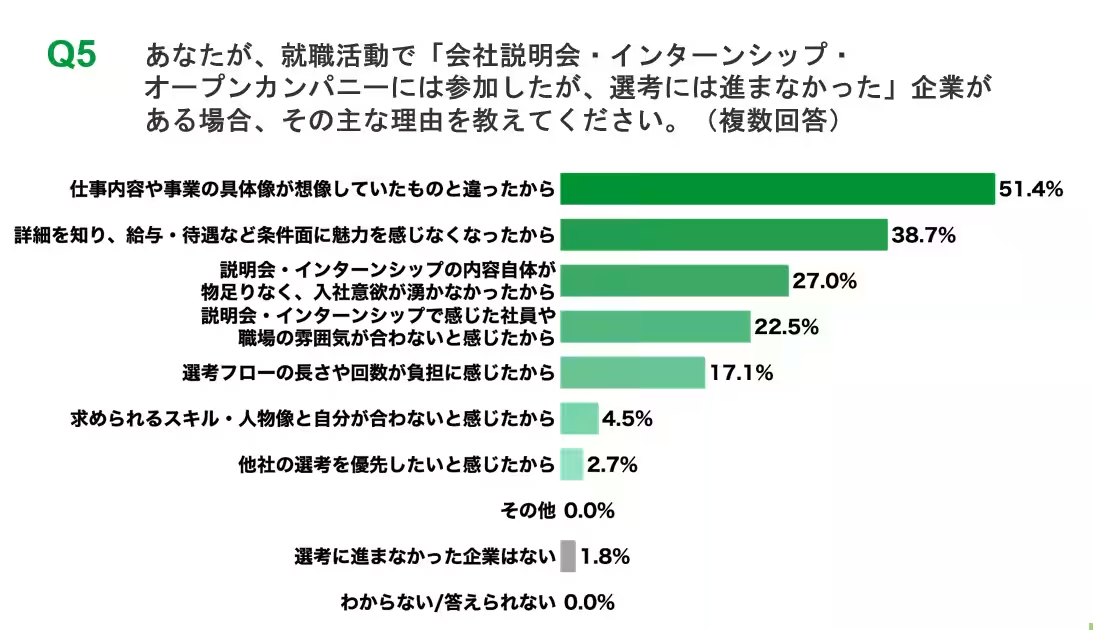
3. Expectations vs. Reality: When participants did attend information sessions, an alarming 51.4% found that the job roles and company profiles differed significantly from their expectations. Furthermore, 38.7% felt that after gaining more insights into the company, the compensation and benefits were unappealing, leading them to withdraw from the selection process altogether. Clearly, candidates have specific criteria and it's imperative for employers to ensure that they meet or exceed those expectations to retain interest.
4. Actual Selection Factors: Those who successfully accepted job offers cited a match between the company’s vision and their personal career aspirations as a decisive factor, with 31.5% highlighting this alignment. Additionally, 20.7% indicated salary and benefits were crucial in their decision-making process, further emphasizing that recruitment success hinges on meeting candidate expectations on multiple fronts.
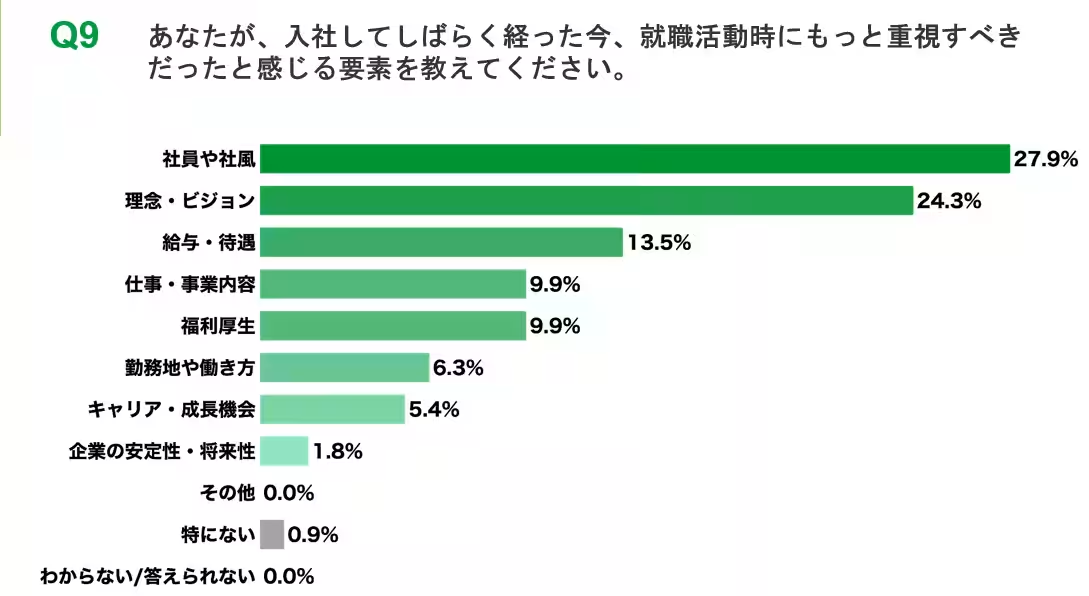
5. Post-Job Acceptance Realizations: Interestingly, after securing positions, nearly 27.9% of respondents wished they had prioritized company culture and employee dynamics earlier in their decision-making process. This suggests that while job seekers concentrate on tangible aspects like salary initially, the importance of workplace culture becomes clearer once they are employed.
Recommendations for Future Recruitment Strategies
The insights gleaned from the 2026 cohort should be invaluable for employers preparing to recruit the next classes. Companies need to delve deeper into presenting not just job titles and salaries but the core mission, values, and culture that define their workplaces. By fostering a compelling employer brand that resonates with candidates, businesses stand to attract and retain top talent.
Additionally, as job seekers clarify their expectations, employers can refine their strategies to engage effectively and authentically with potential recruits. Integrating feedback mechanisms post-internship or initial applications can provide companies with beneficial insights to adapt their recruitment processes.
In conclusion, for organizations aiming to secure strong hires, understanding the nuances of candidate expectations can bridge the gap between applicants' aspirations and the realities of the job market. As we advance into the future hiring trends, empathy, clarity, and engagement will become paramount in attracting the next generation of talent.
Topics Business Technology)

【About Using Articles】
You can freely use the title and article content by linking to the page where the article is posted.
※ Images cannot be used.
【About Links】
Links are free to use.