



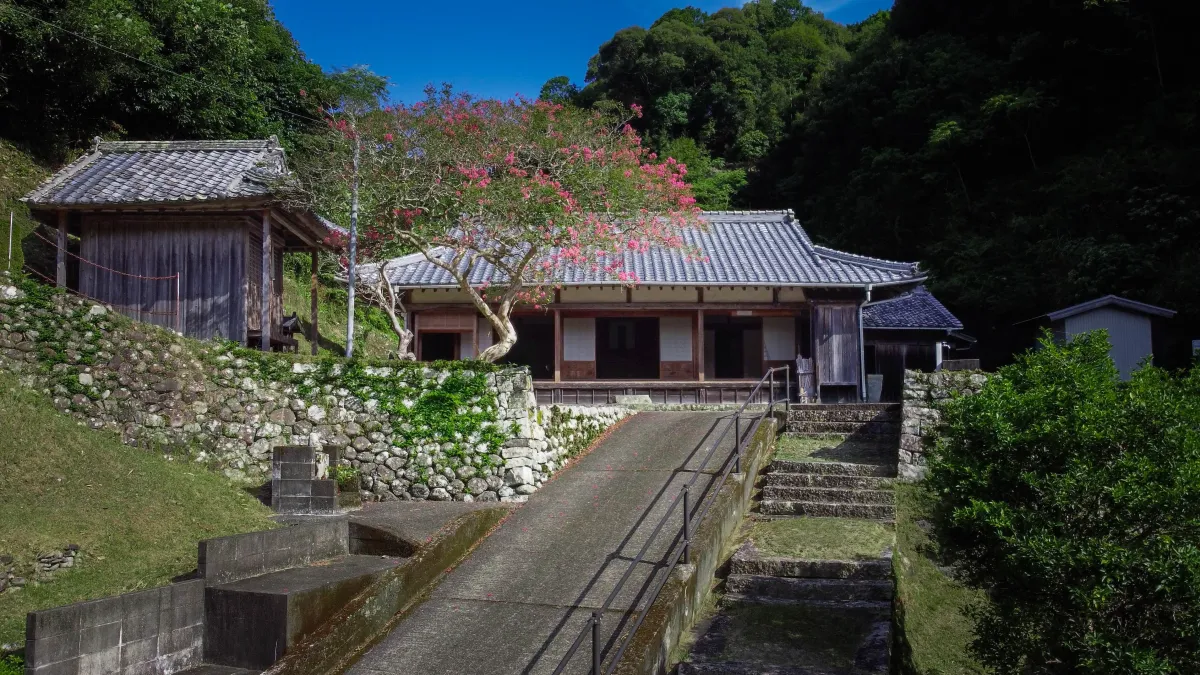
PlanetDAO Launches Revitalization Project for Abandoned Temples in Nachikatsuura
Revitalization of Abandoned Temples in Japan: The PlanetDAO Project
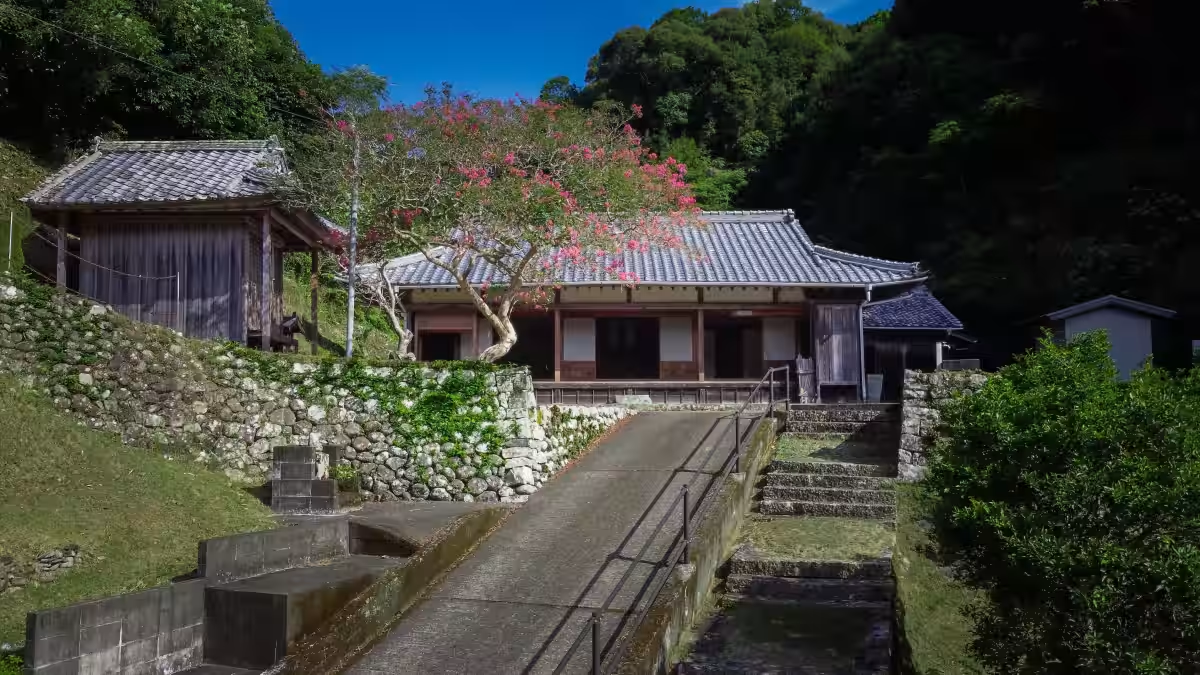
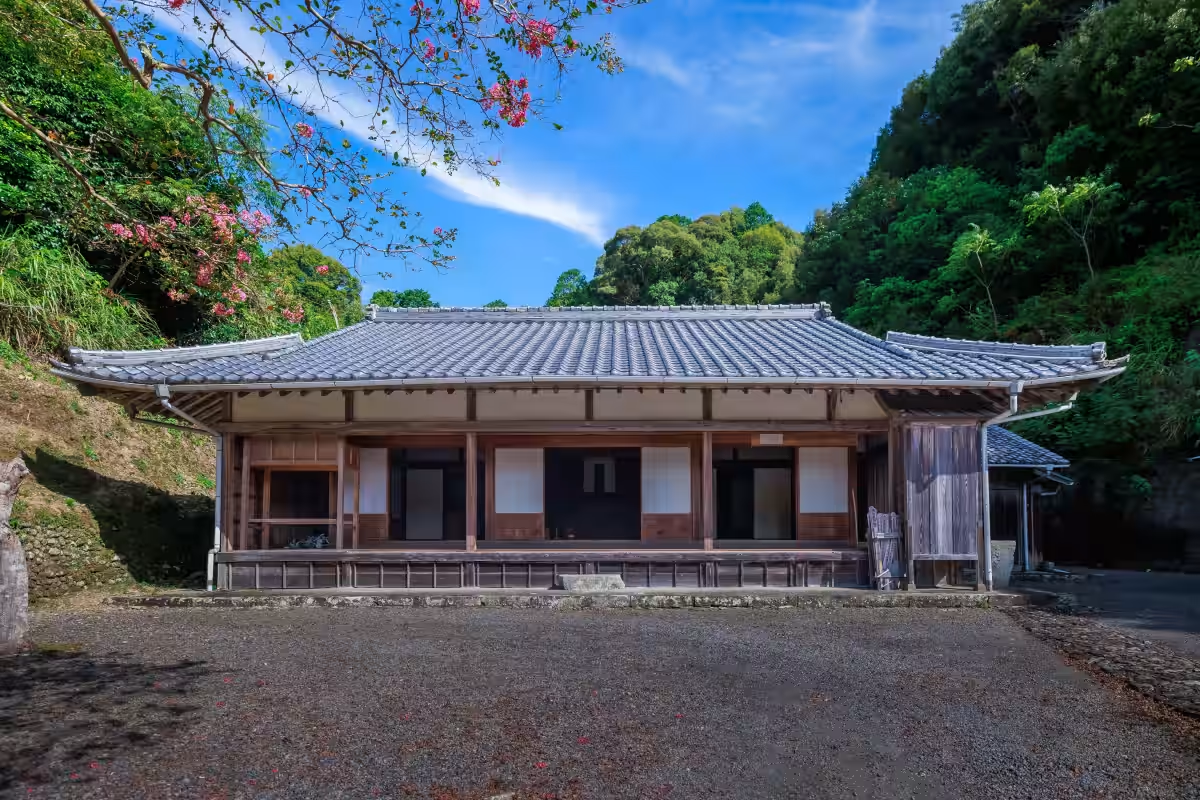
PlanetDAO, an initiative by Planet Labs, is embarking on an ambitious project aimed at revitalizing abandoned temples along the historic Kumano Kodo pilgrimage route in Japan. In its fourth project, PlanetDAO targets the Hokoji Temple in Nachikatsuura, Wakayama Prefecture, striving to breathe new life into these historical and culturally significant structures.
Focus on Hokoji Temple
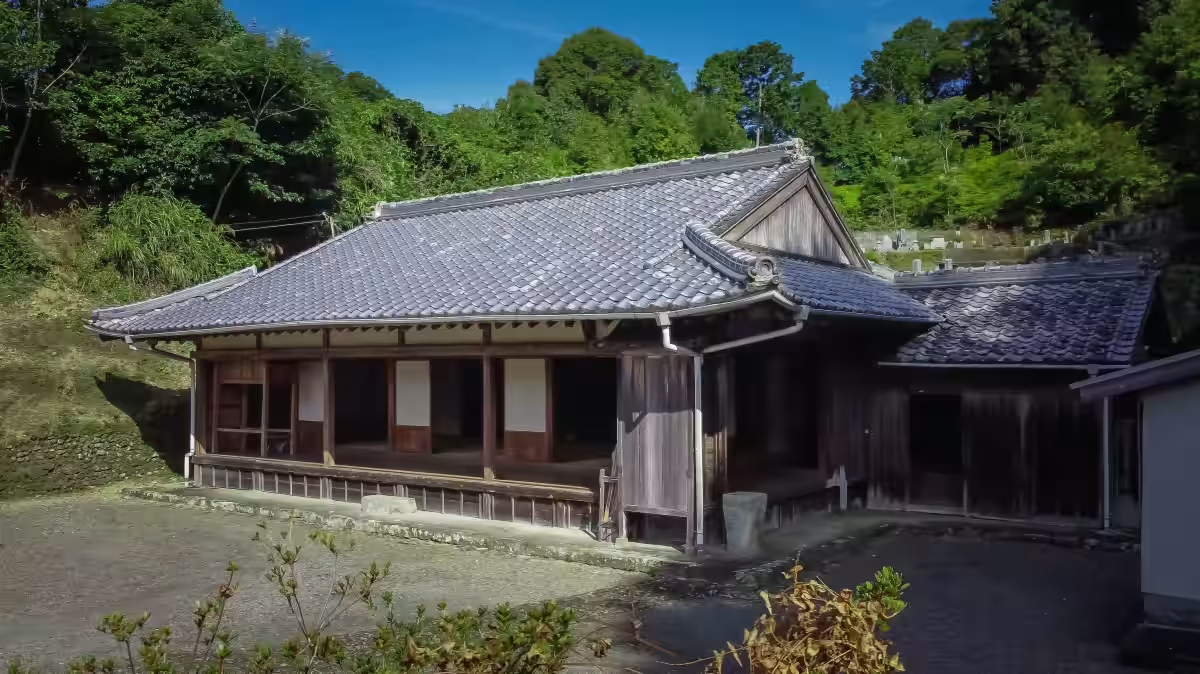
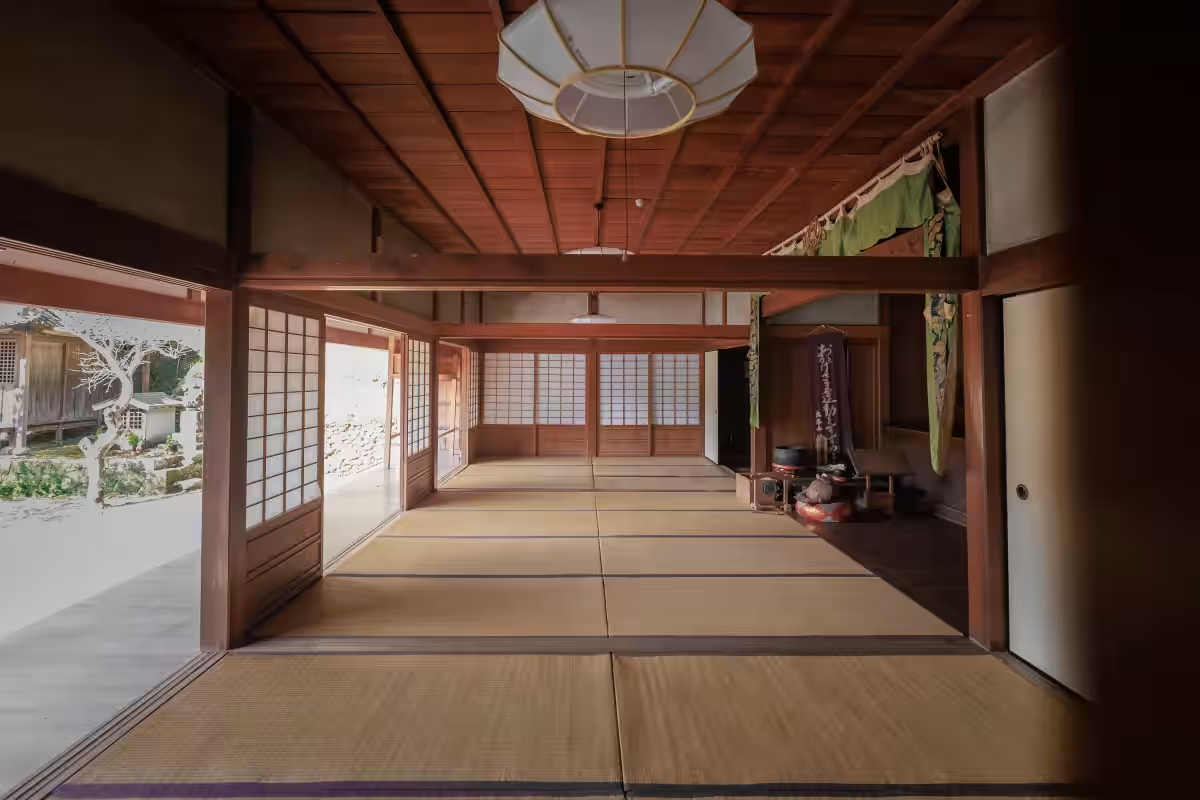
The specific goal of the "Nachifund" project is to restore and manage Hokoji and other unoccupied temples in the area. This undertaking aims not just at maintenance but also at establishing these temples as hubs for hospitality and cultural experiences, thereby promoting both conservation and regional tourism.
Hokoji, located just two minutes from the well-frequented Taihaji Temple, has seen little use in recent years, even as Taihaji boasts a high occupancy rate, reaching 70% due to international travelers. By repurposing Hokoji as a guest facility, the project intends to meet the growing demand for accommodation from visitors wishing to immerse themselves in Japan's spiritual culture.
Global Investment for Local Heritage
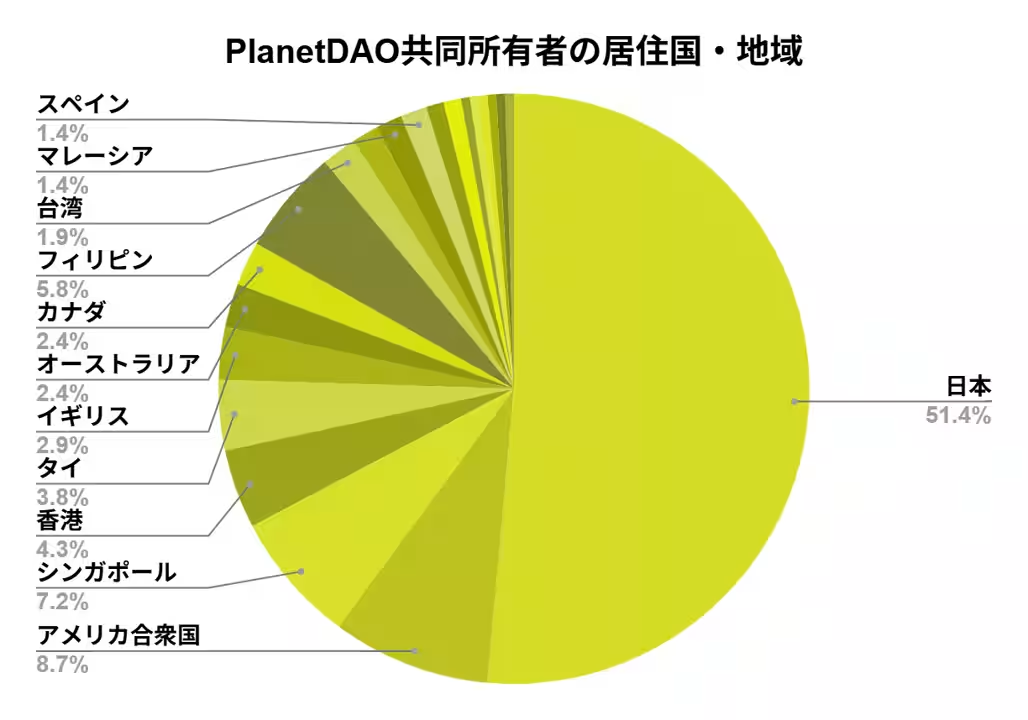
In anticipation of the project's launch in 2024, Planet Labs has already gathered upwards of 40 million yen from over 100 investors for previous initiatives focusing on similar historical buildings. This grassroots investment model allows contributions from both domestic and international communities, enabling collective efforts to preserve Japan's cultural heritage.
With over 20,000 temples across Japan operating without resident priests, the challenges of maintaining these buildings are significant. Many temples face declining numbers of active congregants and support due to demographic shifts and urban migration. Consequently, the preservation of these structures has become a pressing issue within numerous regions, prompting innovative solutions like those spearheaded by PlanetDAO.
The Critical State of Abandoned Temples
As one of Japan's UNESCO World Heritage sites, the Kumano Kodo pilgrimage path has been a spiritual sanctuary for over a millennium. However, many temples along this route have lost their monks and struggle with upkeep. The statistics are sobering: of more than 77,000 temples nationwide, about 30% are abandoned due to the lack of resident priests.
Hokoji Temple's longevity, dating back to the Edo period, is a testament to its historical and cultural significance. Its preservation is vital not only for maintaining a link to Japan's spiritual past but also for supporting local communities.
International Visitor Insights
This unique investment strategy has caught the attention of a diverse group of international travelers, primarily couples and families from countries such as the U.S., France, and Germany. Over 80% of Hokoji's visitors hail from abroad, seeking an authentic Japanese cultural experience during their stay.
Feedback from international guests has highlighted the temple's rich heritage and tranquility. One visitor from Norway expressed profound gratitude for the meaningful experiences of temple life they were able to partake in. This reflects the current trend where foreign travelers are not just looking for sights, but also for substantial cultural interactions and learning opportunities.
A New Model for Preservation
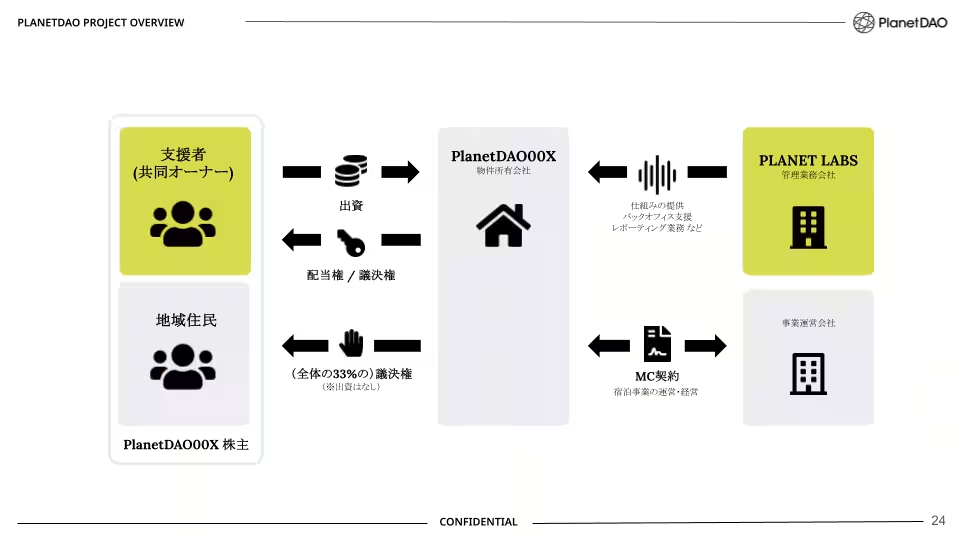
By leveraging a community-focused investment model, PlanetDAO aims to democratize the ownership and preservation of Japan's historical structures. Investors are not only rewarded financially but also play an active role in decision-making for the projects they fund, ensuring that local cultural values and traditions are upheld throughout the process.
With this innovative approach, even if ownership changes, the project ensures that local values remain intact. This design enhances community engagement and ensures that the operations stay responsive to local needs and desires.
Stakeholder Feedback
Nishiyama Toomi, the chief priest of Taihaji, expresses the significance of preserving temples. He emphasizes the role of temples as vital resources for cultural tourism and community well-being in a time when many are facing significant challenges. Similarly, Tamaki Nishimura, CEO of Planet Labs, shares her enthusiasm for the project, expressing hope that Hokoji will become a cherished link between the past and the future of Japan's cultural heritage.
The PlanetDAO initiative exemplifies a commitment to sustainable tourism, community investment, and cultural preservation. As the project unfolds, it could very well become a cornerstone for revitalizing not just Hokoji Temple, but numerous heritage sites across Japan, ensuring these treasures are protected for future generations.


Topics Other)
【About Using Articles】
You can freely use the title and article content by linking to the page where the article is posted.
※ Images cannot be used.
【About Links】
Links are free to use.