




Exploring the Reality of Financial Literacy Challenges Among Parents for Their Children's Education
The Importance of Financial Education for Children
In today's rapidly changing world, financial education is becoming increasingly crucial for children. However, many parents who perceive the importance of financial literacy may be reluctant to engage in discussions related to money, often due to their own challenges with financial knowledge and a general sense of discomfort surrounding the topic.
A Recent Study by Miraii
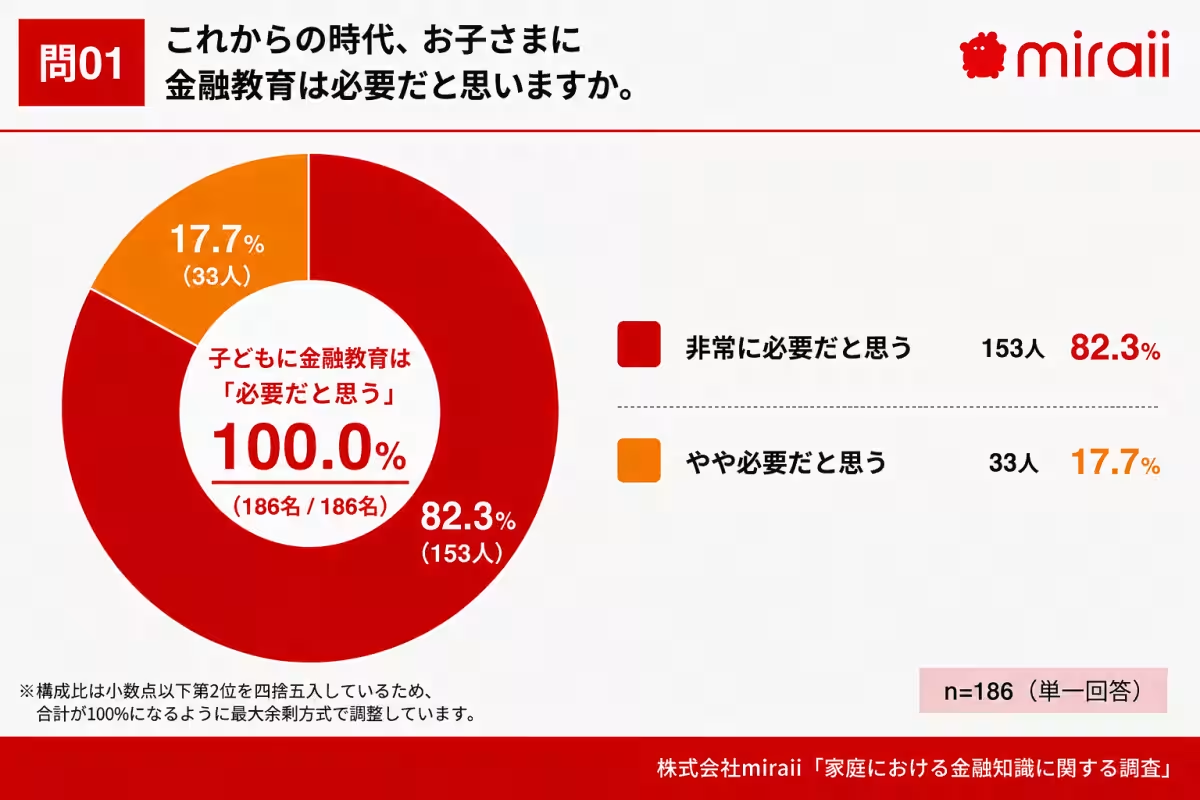
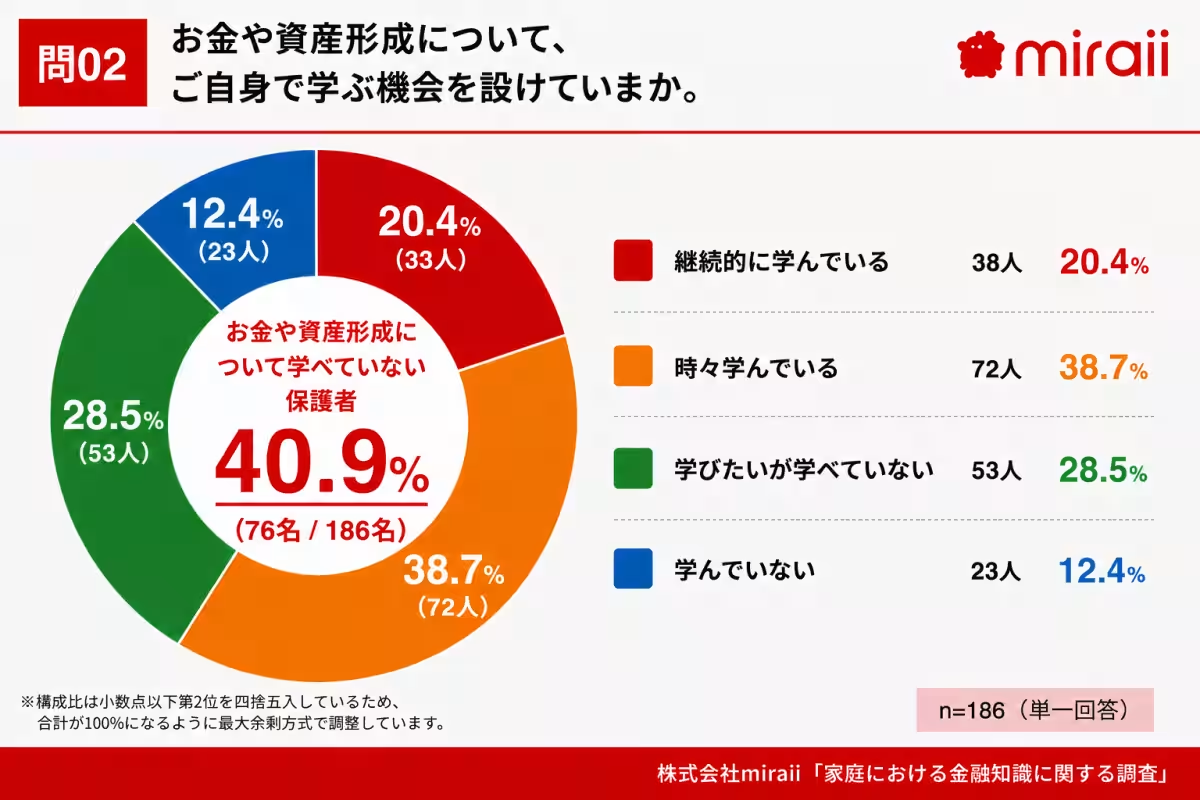
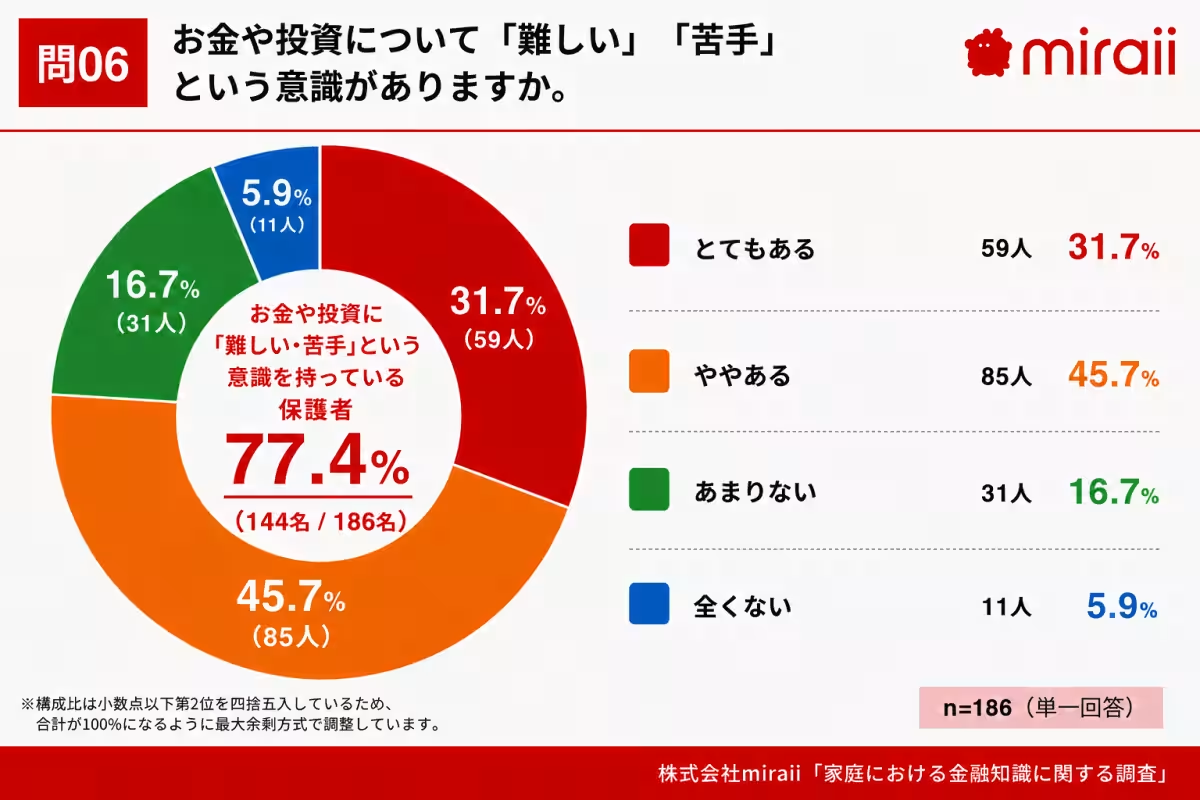
A study conducted by Miraii surveyed 186 parents of elementary school children about their views on financial education. The results revealed that every parent (100%) believes that financial education is essential for their children. However, 40.9% admitted that they personally feel they have not adequately learned about money management or wealth building. Additionally, 77.4% expressed feelings of difficulty or unease when it comes to discussing money and investments.
This discrepancy highlights a trend where parents, despite recognizing the necessity of financial education, are hindered by their own lack of knowledge and comfort, which prevents them from imparting valuable lessons to their children. Therefore, we can describe this group of parents as having a 'financial literacy allergy.'
Recognizing the Need for Change
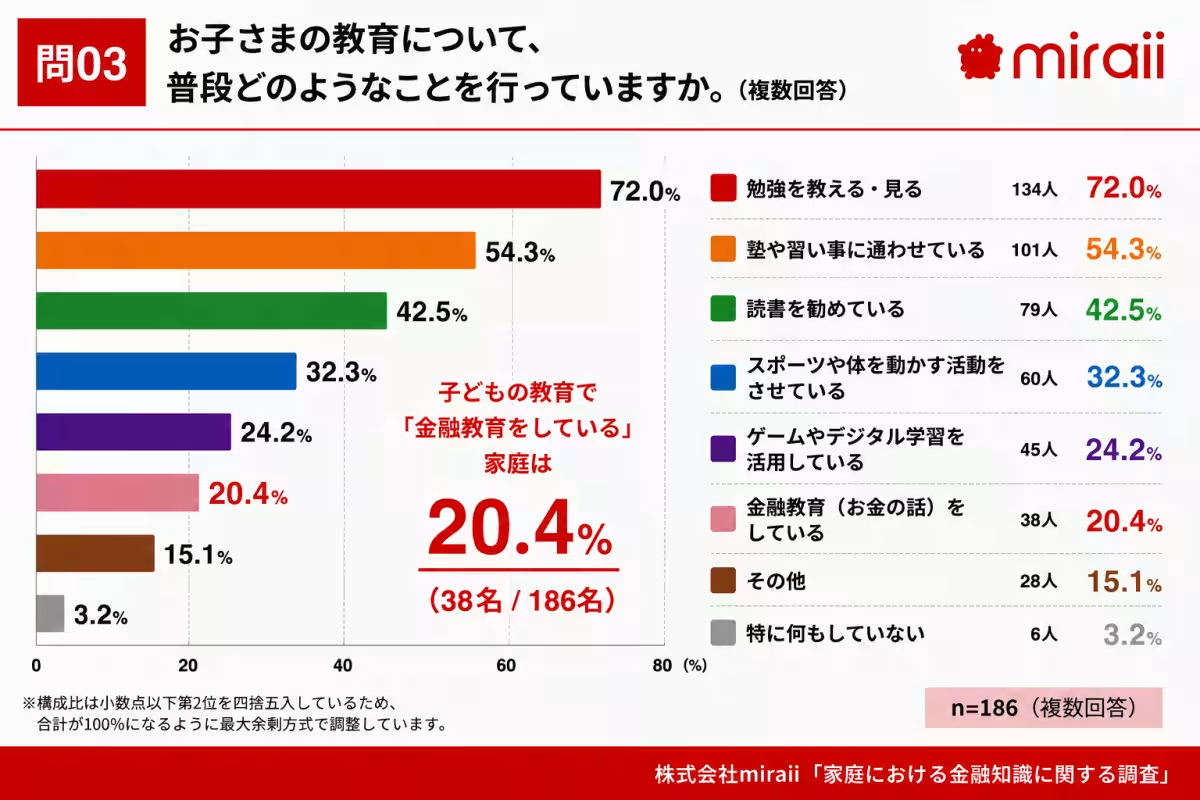
While all responding parents acknowledged that their children require financial education, substantial numbers lacked the skills and confidence to engage in this education at home. For instance, only 20.4% indicated that they actively teach their children about financial matters, compared to the 82.3% who believe it is crucial to do so.
As digitalization and cashless transactions become ubiquitous in society, the landscape where children engage with money is changing. Parents are increasingly aware of the necessity to teach their children about money management from an early age; however, this acknowledgment often does not translate into action within households.
Barriers to Implementation
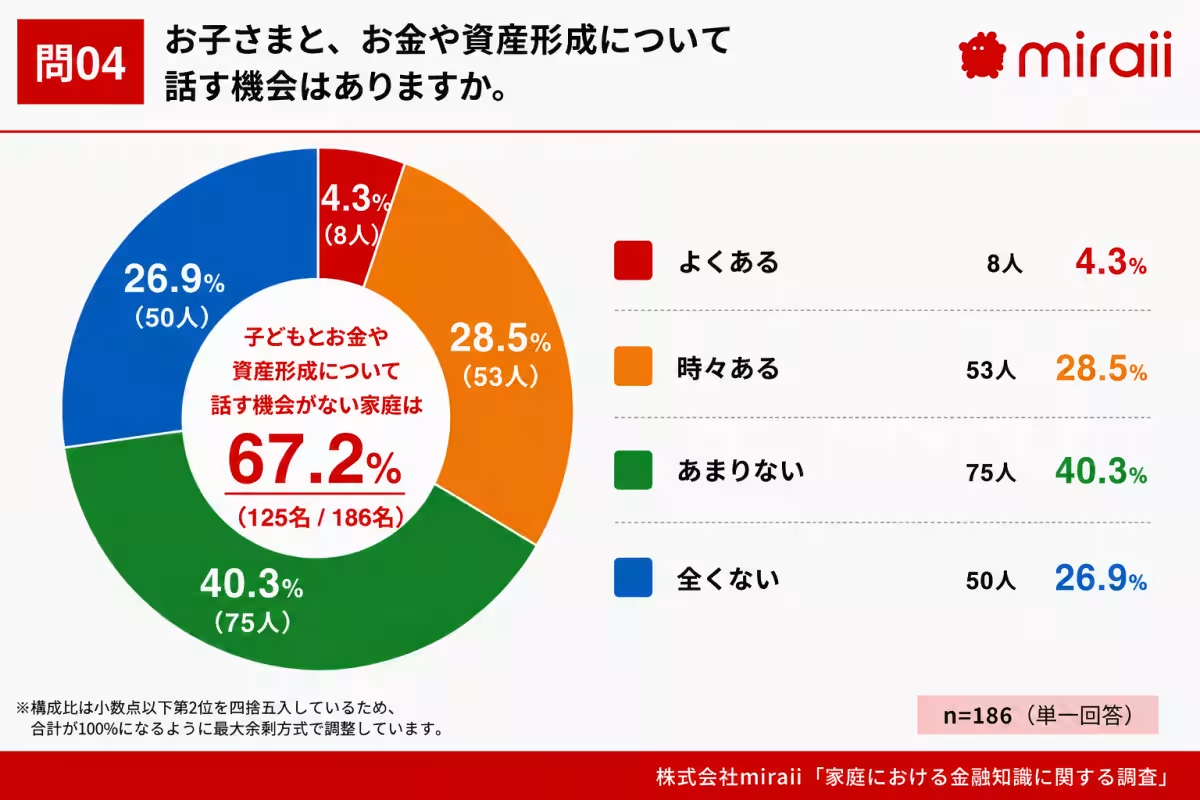
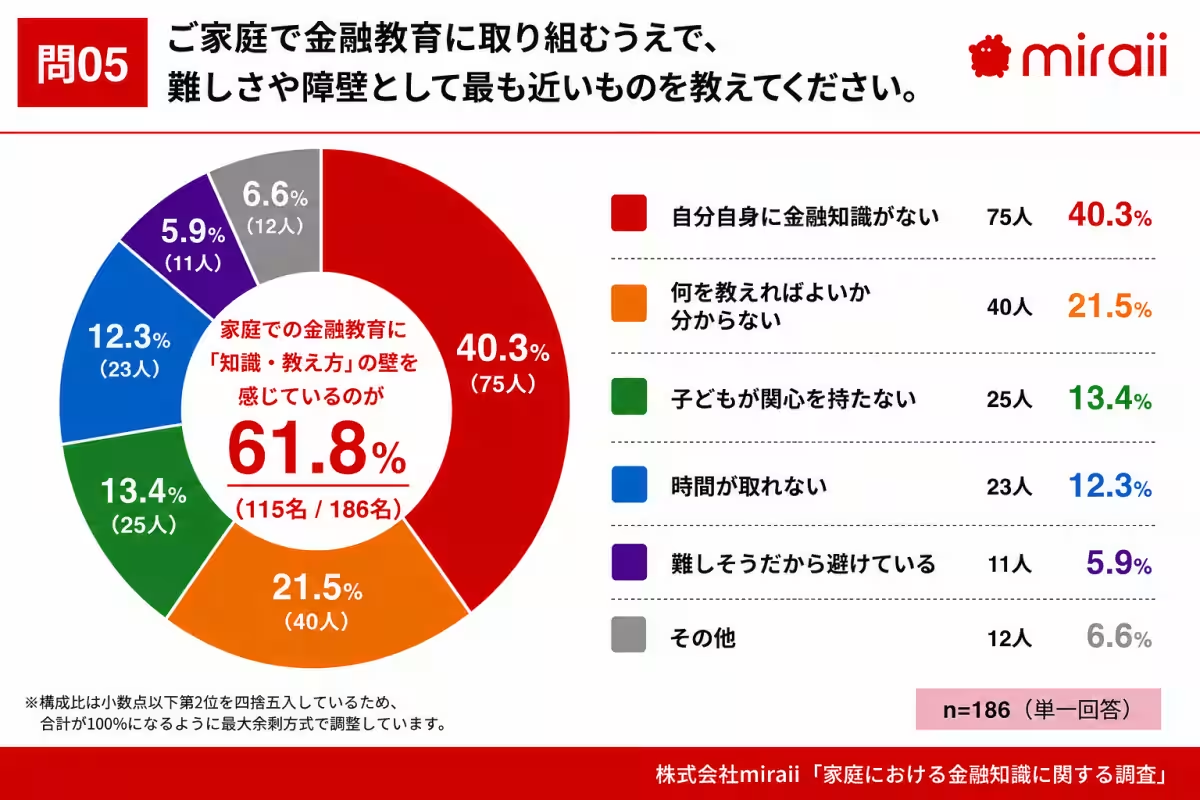
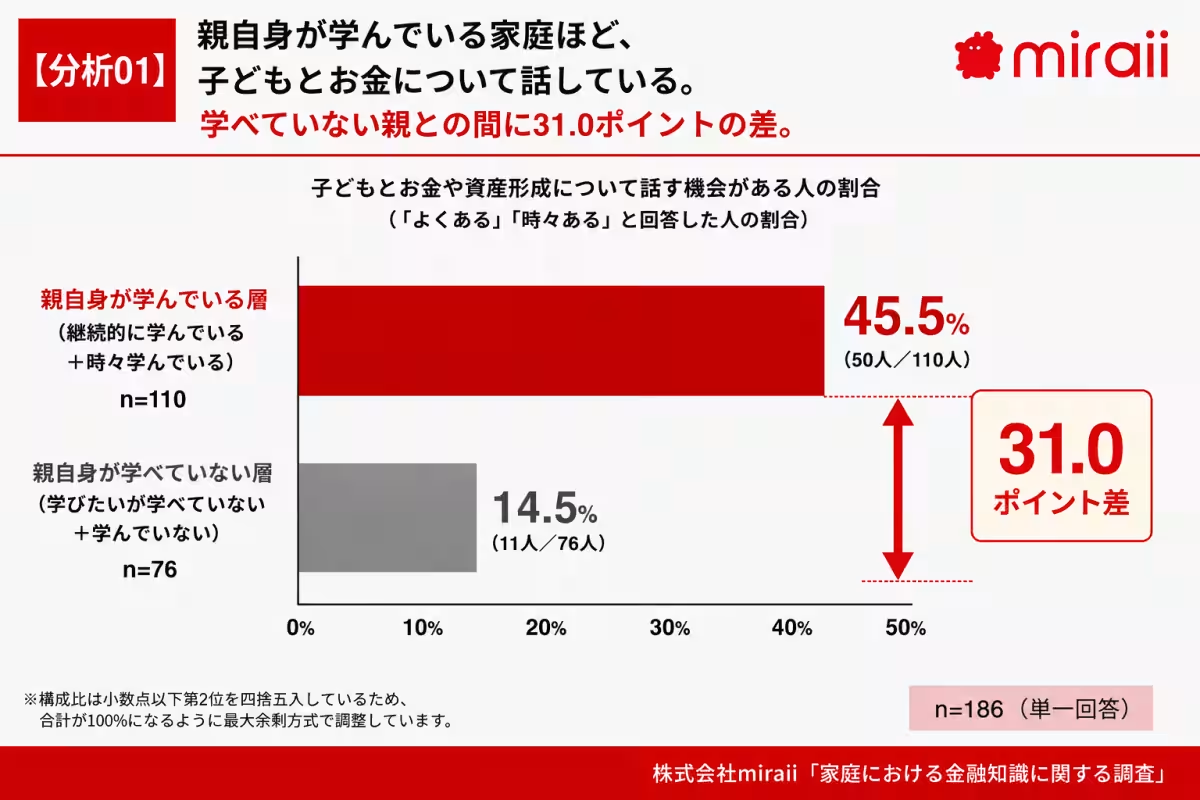
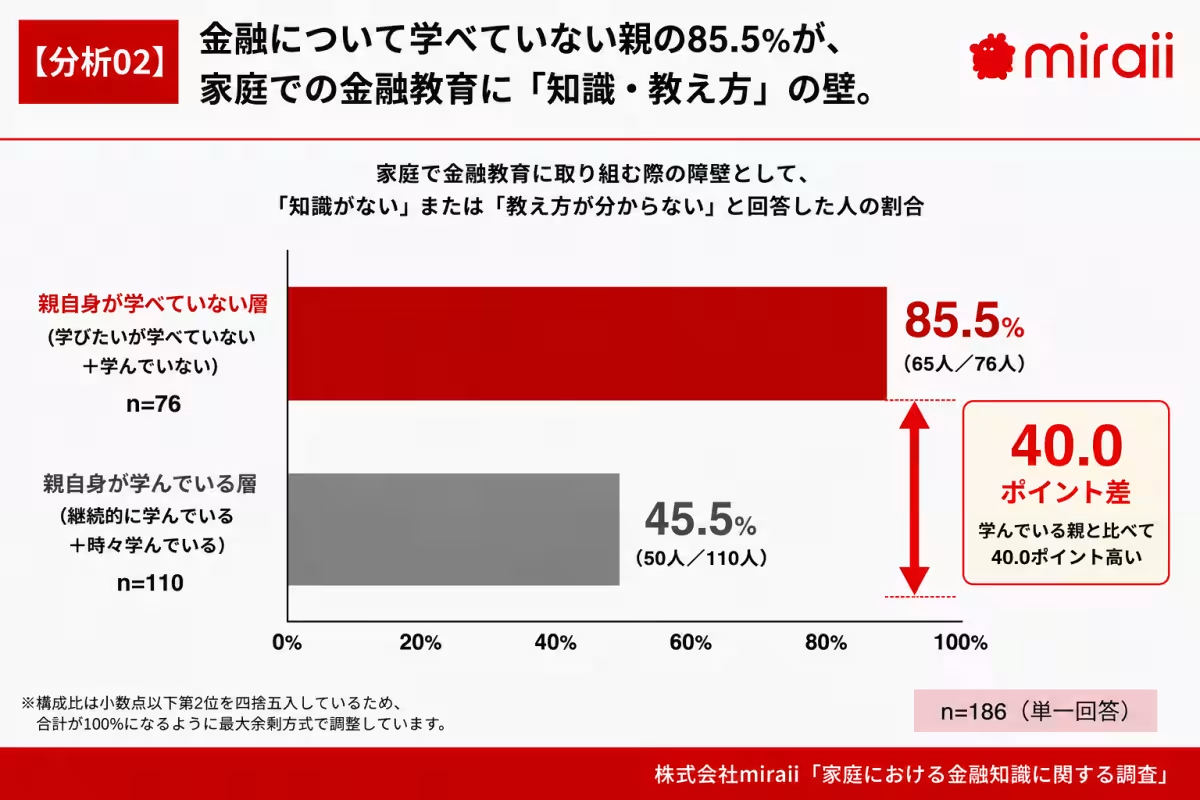
A significant 67.2% of parents reported that they do not have enough opportunities to discuss financial matters with their children. Moreover, 61.8% identified barriers such as lacking financial knowledge or not knowing how to teach money management effectively as obstacles they face. Among those who felt uneasy about discussing finances, a staggering 77.4% admitted they found the subject daunting.
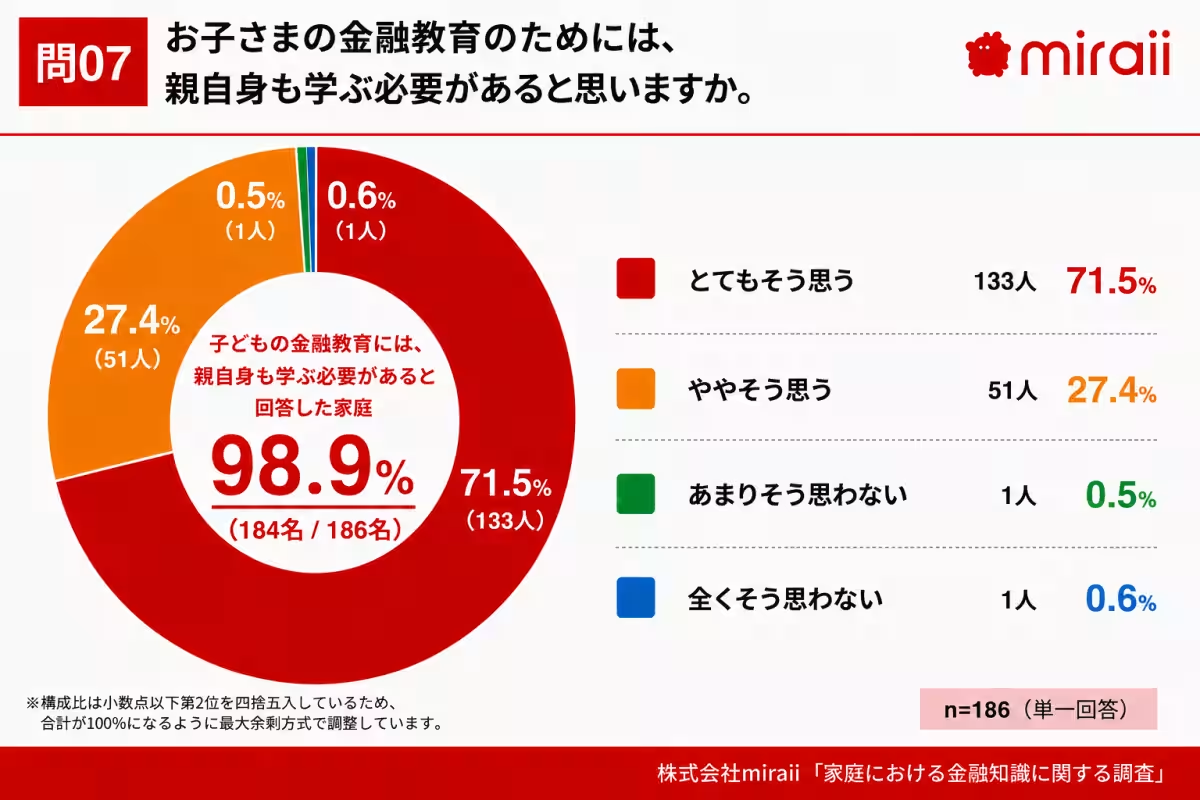
Interestingly, while 98.9% of respondents recognized that parents need to learn alongside their children to be effective teachers, about 40.9% admitted they have not made the effort to educate themselves on financial topics. This gap between understanding the need for education and taking action presents a complex challenge in promoting financial literacy within families.
The Shift Towards Joint Learning
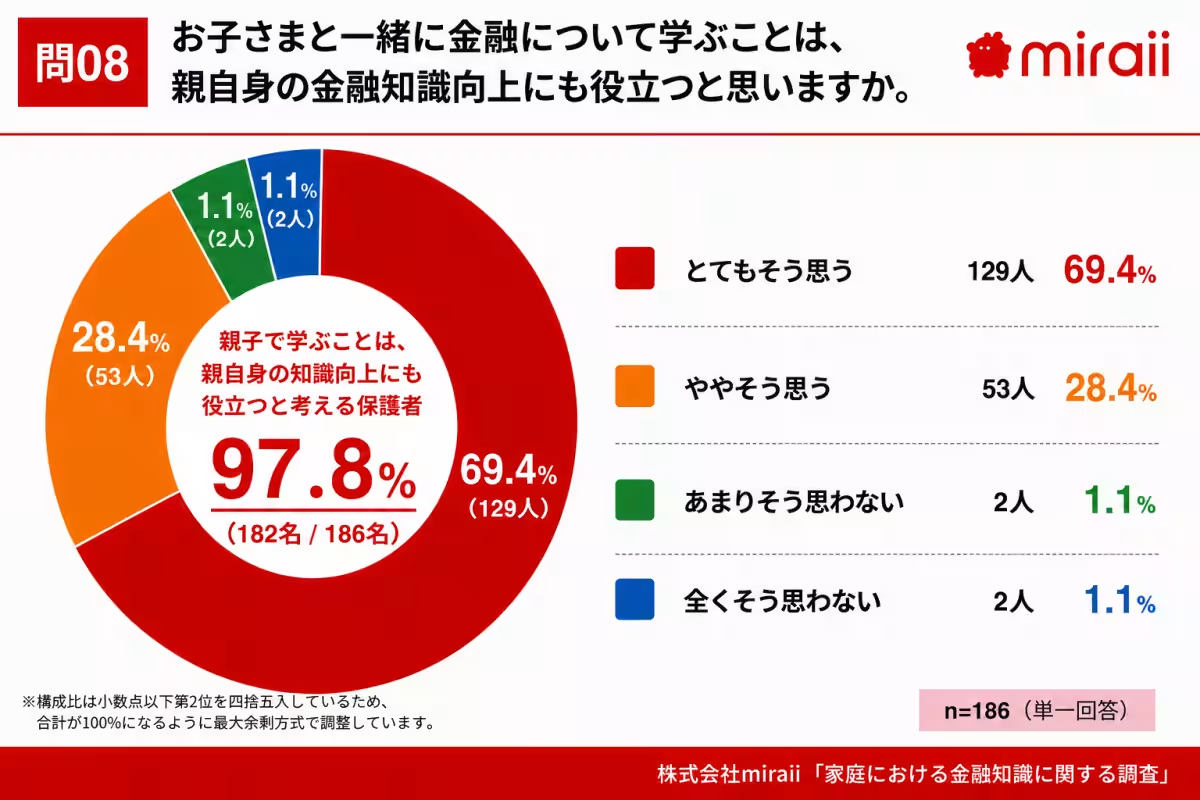
The findings highlight a vital transition from a traditional teaching approach, where the parent assumed an authoritative role, to a collaborative learning environment where parents and children learn together. A remarkable 97.8% of parents believe that mutual financial education could greatly enhance their financial knowledge as well.
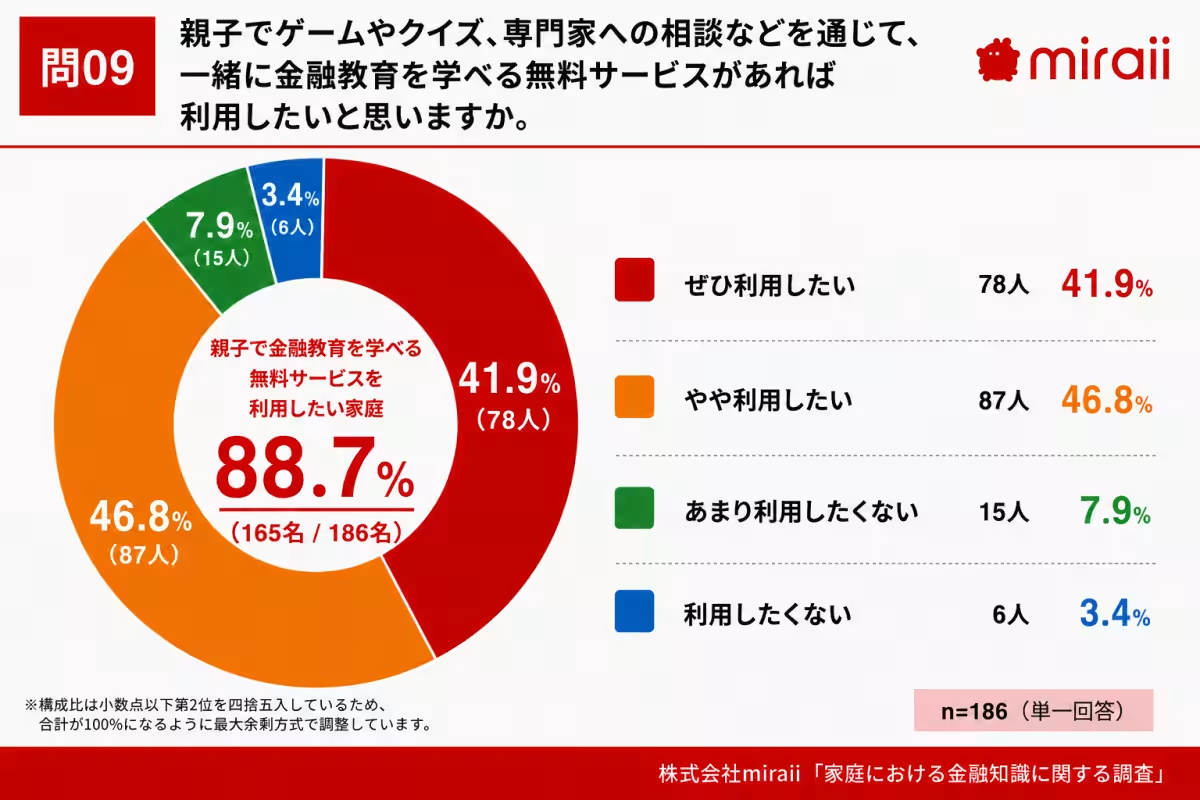
Parents expressed a strong desire (88.7%) for accessible, free resources such as games, quizzes, and expert consultations that could facilitate joint learning experiences. Such interactive tools could help demystify financial education and make it more engaging for both parents and children. By shifting the paradigm from a

Topics Other)








【About Using Articles】
You can freely use the title and article content by linking to the page where the article is posted.
※ Images cannot be used.
【About Links】
Links are free to use.