



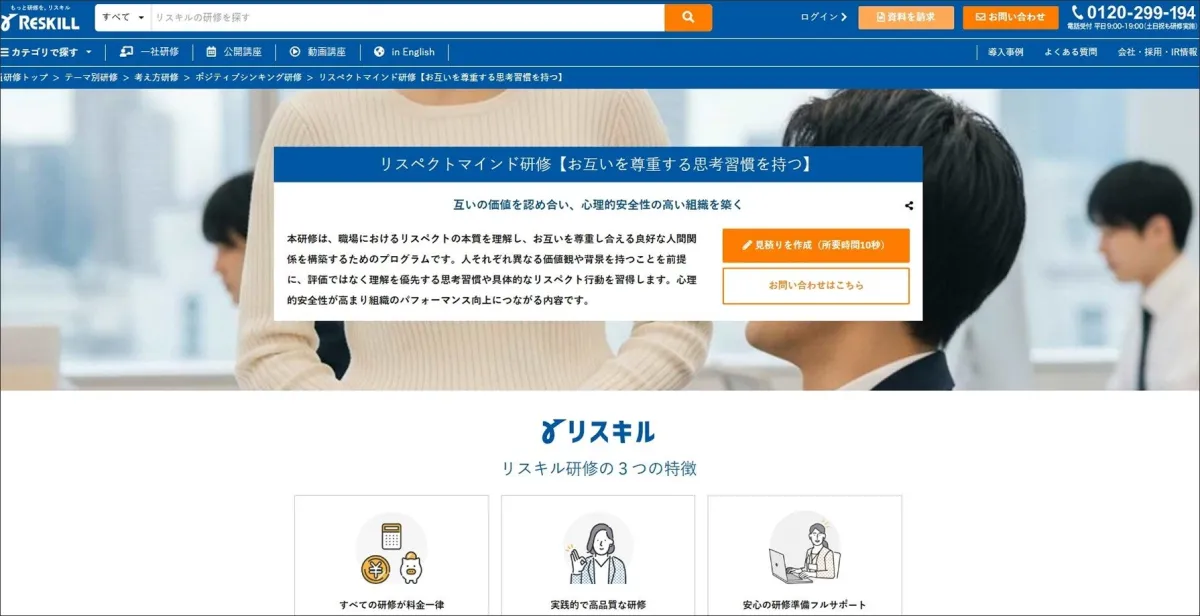
Enhancing Workplace Relationships through Respect Mind Training for Employees
Enhancing Workplace Relationships through Respect Mind Training
In the rapidly evolving landscape of modern workplaces, fostering healthy interpersonal relationships is essential. Reskill Co. has recently launched the "Respect Mind Training" program. This initiative aims to promote psychological safety while encouraging employees to recognize and value each other's contributions. Understanding the increasing diversity in today’s work environments, the Respect Mind Training is designed to build a foundation of mutual respect among team members.
The Necessity of Respect in Workplace Dynamics
As diverse working styles and value systems emerge, smooth communication has become more critical than ever. Yet, conflicts often arise from misunderstandings due to a lack of awareness of colleagues' backgrounds and perspectives. To maintain and enhance organizational performance, it is imperative to cultivate an environment where employees feel safe to express their opinions freely, fostering a culture of respect. This need has spurred the implementation of the Respect Mind approach, a methodology focused on acknowledging and valuing everyone’s contributions.
Overview of the Respect Mind Training Program
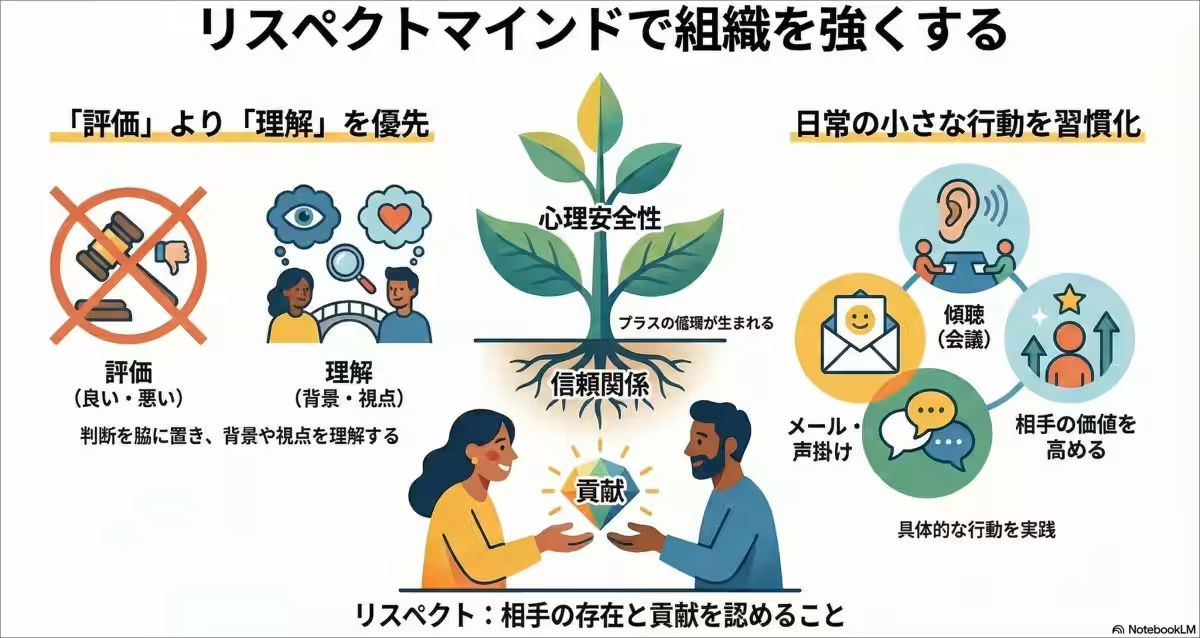
The Respect Mind Training is more than just a course on etiquette; it teaches participants a new way of thinking that values understanding over judgment. Here’s what the program includes:
Target Audience
This training caters to all employees, including new hires, junior staff, mid-level professionals, and management.
Skills and Learning Objectives
1. Understanding the Impact of Respect on Psychological Safety
Participants will learn how respect influences psychological safety within the workplace.
2. Developing a Habit of Understanding Over Evaluation
The program emphasizes a mindset that prioritizes understanding each other over making swift evaluations.
3. Implementing Respectful Actions
Participants will adopt specific actions that elevate the value of their peers, creating a positive cycle of respect and acknowledgment.
Features of the Training
The curriculum logically addresses the impacts of respect in workplace settings. Employees will gain insights into how the presence or absence of respect affects workplace dynamics. By drawing comparisons between respectful and disrespectful environments, they can understand how establishing trust relationships leads to positive organizational outcomes.
Learning Habits of Understanding
The training encourages a pause before making judgments. It provides techniques, such as asking effective questions, to better understand the perspectives and backgrounds of colleagues. This ensures a more constructive dialogue and cooperation within teams.
Practical Application in Daily Tasks
Everyday actions speak volumes. The training offers practical strategies for conveying respect—such as actively listening to others and acknowledging their contributions—thus embedding these habits in daily operations.
Sneak Peek into the Curriculum
1. What is Respect Mind?
Understanding its definition, importance in diverse environments, and its link to psychological safety.
2. How to Cultivate a Respectful Mindset
Exploring differences in perspectives and prioritizing understanding rather than judgment.
3. Moments Where Respect Shines Through Action
Identifying common points like serious listening and acknowledging contributions, leading to small yet impactful daily behaviors.
About Reskill Co.
Founded with a mission to promote skill enhancement, Reskill Co. offers a variety of positive thinking and business strategy training programs. The company adopts a transparent pricing structure for its courses, facilitating seamless corporate training implementation. Moreover, Reskill provides comprehensive support from preparation to execution, alleviating burdens on company representatives while ensuring high-quality training delivery.
In conclusion, the Respect Mind Training at Reskill Co. stands as a crucial development for nurturing respectful workplace relationships, adapting effectively to the complexities of modern-day business environments.
Topics People & Culture)



【About Using Articles】
You can freely use the title and article content by linking to the page where the article is posted.
※ Images cannot be used.
【About Links】
Links are free to use.