



The Rise of AI Search: Industries Facing the Zero-Click Challenge
The Surge of AI Search and the Rise of Zero-Click Searches
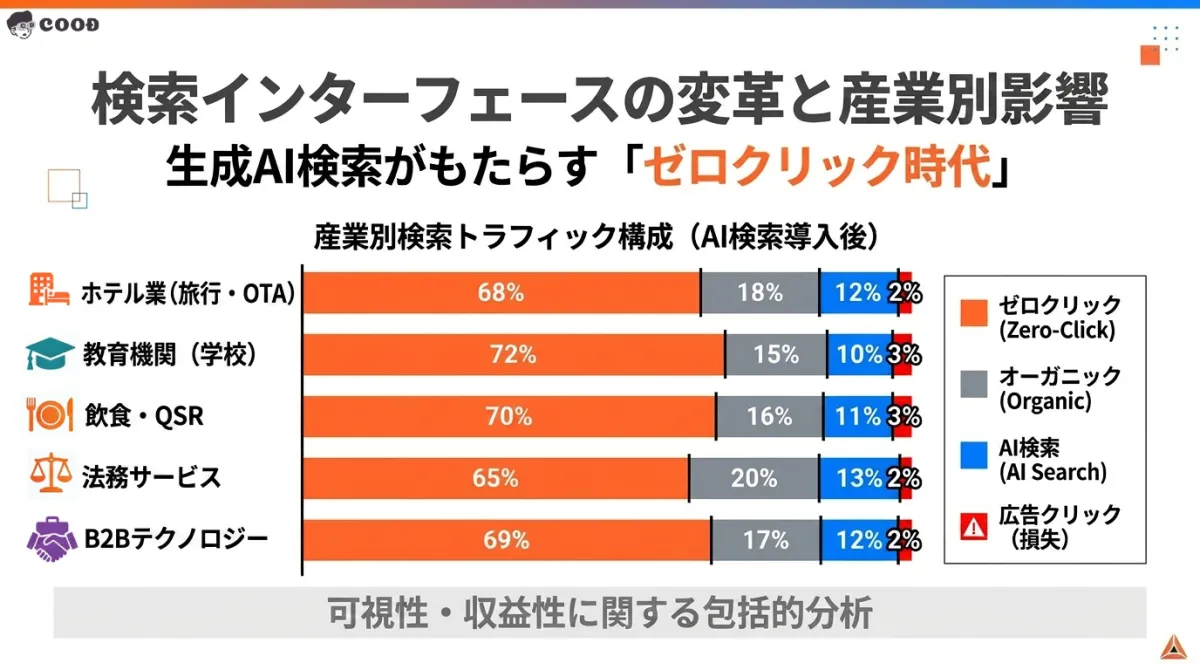
In today's fast-paced digital age, the advent of AI search technologies is transforming the landscape of online information retrieval. A recent report by COOD (クーディー) Inc., a Tokyo-based company, unveils the seismic shifts brought about by the ever-increasing implementation of AI in search engines. According to their findings, a staggering 60% of Google searches concluded without any clicks, signifying the onset of the 'Zero-Click Era.' This phenomenon is particularly pronounced within the realm of mobile searches, where the figure reaches as high as 77%.
The report elaborates that, from 2024 to 2026, the most disruptive transition in digital marketing and consumer behavior will be the shift from traditional link-based search engines to AI-powered Answer Engines that rely on large language models (LLMs). Prominent platforms such as Google’s AI Overviews, ChatGPT, and others have started delivering direct summaries in response to users’ queries, fundamentally altering how individuals seek and consume information.
The term 'The Great Decoupling' has been coined to describe the scenario where, despite an increase in total search engine usage—estimated to be between 9 to 13.6 billion Google searches daily—the clicks directed to websites have plummeted. The implications of this shift are profound, particularly for several key industries that find themselves on the frontlines of this change, such as hospitality, food services, legal, niche B2B technology, and luxury retail.
Changing Consumer Behavior: Dependency On AI and the Emergence of Verification Loops
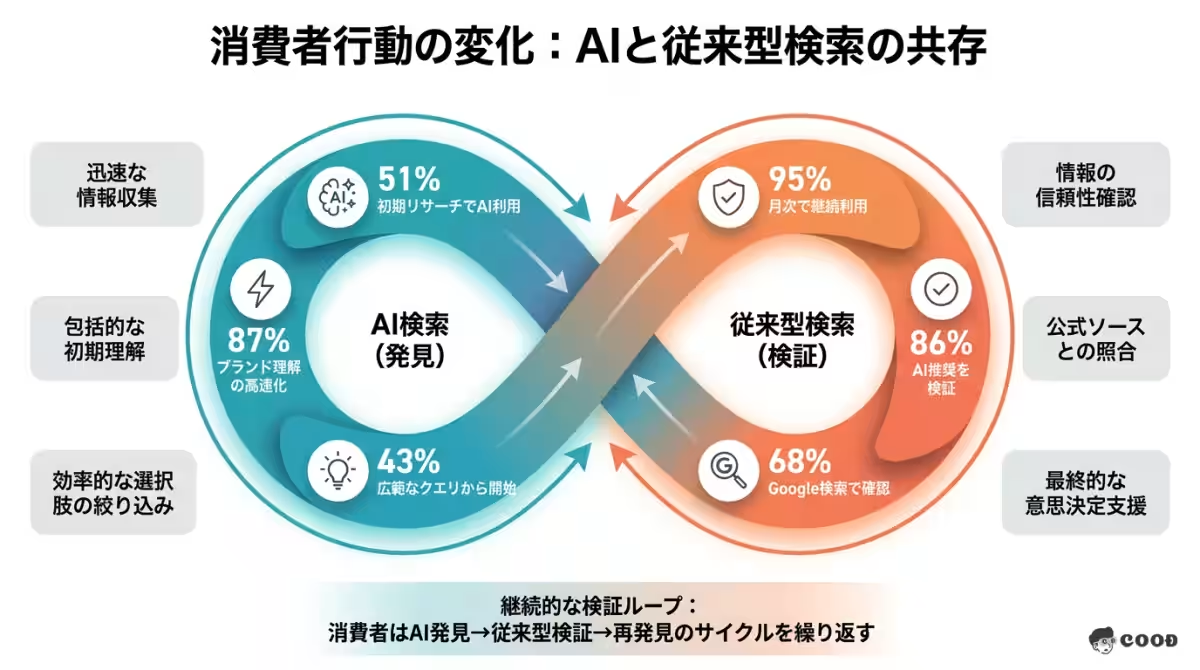
Despite the rapid adoption of AI platforms, consumers have not completely abandoned traditional search engines. A survey conducted by Sparktoro in 2025 revealed that an overwhelming 95% of Americans still utilize classic search engines monthly. Interestingly, even heavy users—those who employ AI tools more than ten times a month—exhibit increased, rather than decreased, usage of traditional search methods. This could be attributed to two distinct behaviors consumers engage in during their information search processes:
1. Discovery Compression
2. Trust Verification
According to the report, 51% of consumers employ AI tools in their initial product research phase to narrow down their choices, indicating AI’s role in streamlining the search process. Notably, 87% of participants reported that their understanding of brands is accelerating due to AI’s synthesized answers.
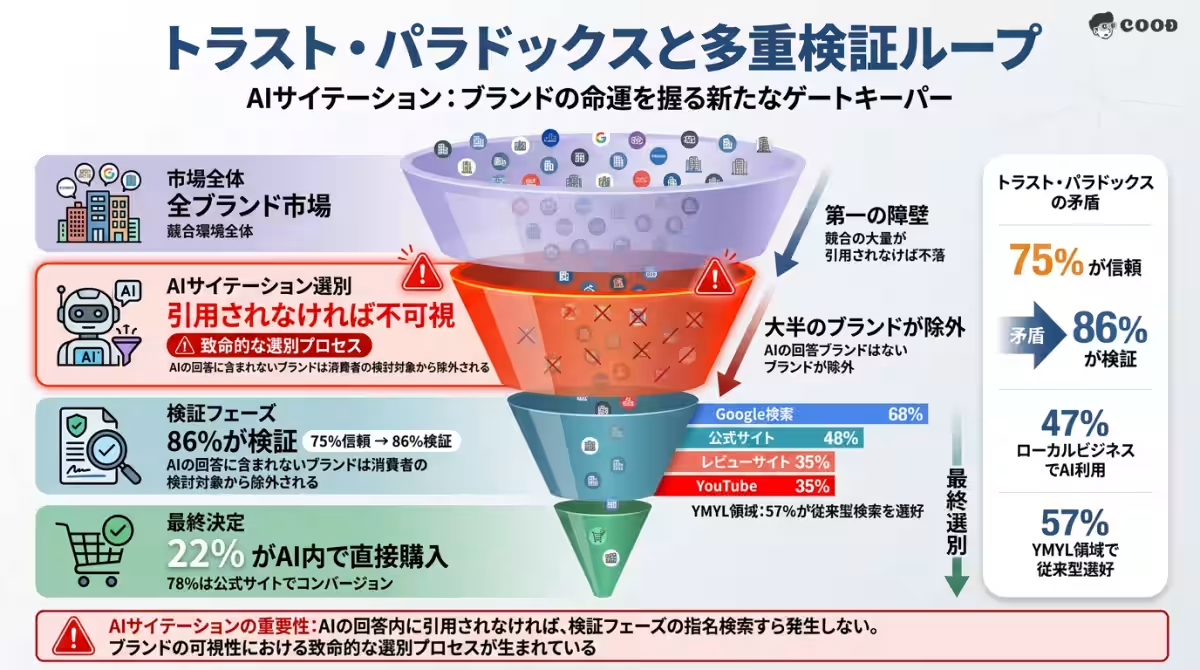
On the flip side, there is a cautious stance towards unbridled trust in AI. Yext's 2026 survey noted that while 47% of consumers had used AI for local business searches in the past month, 57% still preferred traditional search engines for personal, medical, or financial topics. This apprehension is further reflected in findings where approximately 75% of respondents express moderate to high trust in AI recommendations yet 86% admit to periodically verifying these recommendations, with Google searches being the most common verification method (68%). Consequently, this unfolding 'multiple verification loop' creates a selection process that significantly impacts a brand's visibility, often depending on citations appearing within AI-generated responses.
The Crisis in the Travel and Hospitality Industry
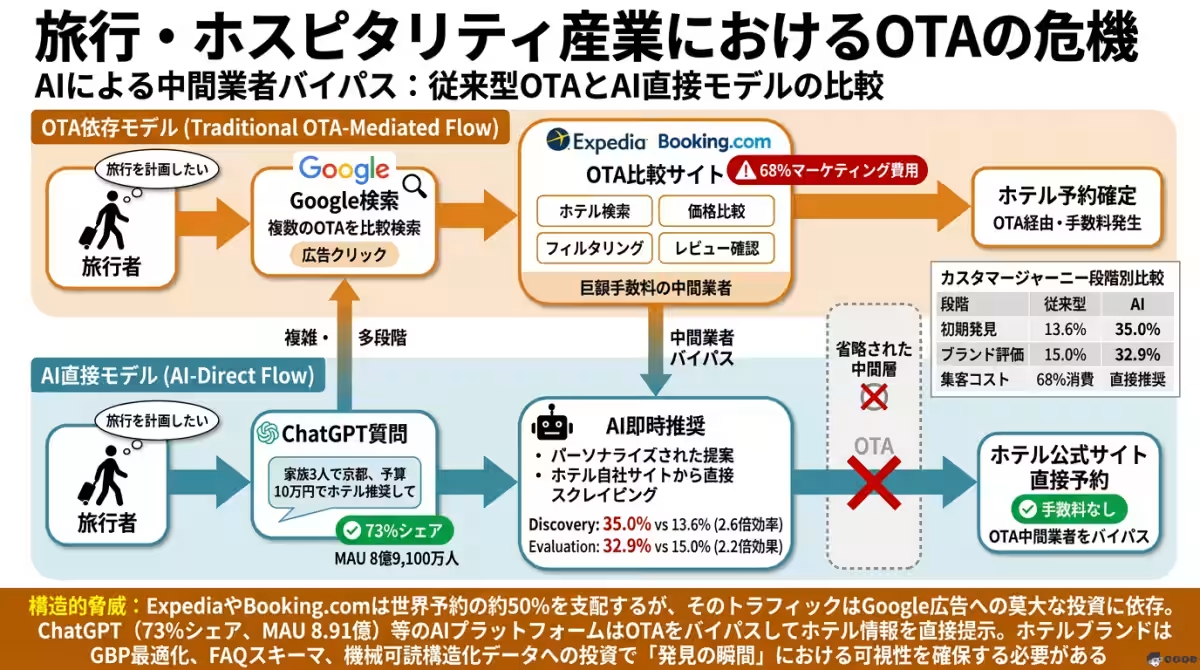
The transformation in consumer behavior catalyzed by AI search is noticeably acute within the travel and hotel sectors. Travelers are rapidly shifting away from browsing multiple travel agency websites and comparison platforms to receiving instant personalized travel recommendations from AI tools. According to Deloitte's 2026 travel industry outlook, approximately 25% of travelers were utilizing AI tools for travel planning by late 2025, a threefold increase from 2022.
As evident from SimilarWeb's AI search brand visibility index, there is growing reliance on AI, which poses a structural threat to major Online Travel Agency (OTA) business models such as Expedia and Booking.com. The crisis stems from the fact that these platforms are heavily dependent on traffic driven by high-cost Google advertising. With AI tools providing users direct access to information, including hotel amenities and pricing, the traditional intermediary role of OTAs is being significantly diminished, leading to a decrease in the value of the commissions they earn.
In this rapidly evolving marketing environment, hotels focusing solely on traditional SEO and keyword optimization face the risk of falling into obscurity. To remain competitive and be selected by AI search engines, hotels must revamp their digital presence to facilitate data extraction by AI platforms. This involves fully optimizing their Google Business Profiles, implementing FAQ schemas, and transforming amenity pages into machine-readable structured data. Failing to keep information up-to-date could cost hotels critical citations to competitors who are managing their digital information effectively.
The Visibility Crisis for Quick Service Restaurants
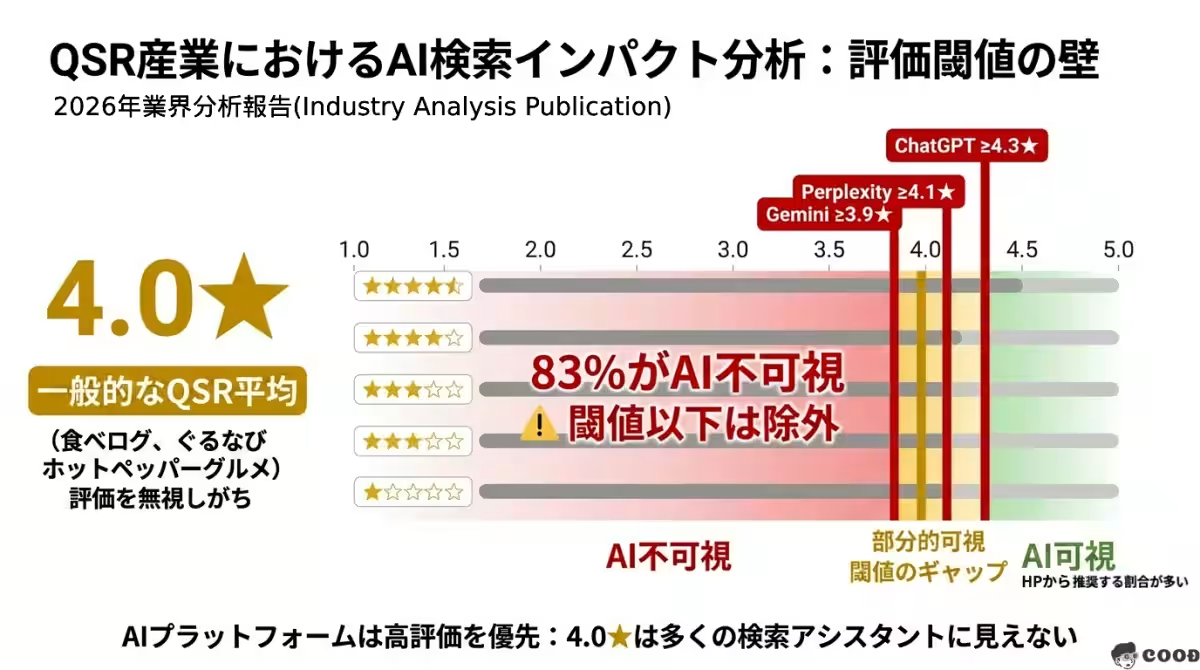
In the food service industry, particularly for Quick Service Restaurants (QSR), reliance on local SEO and location-based searches remains fundamental to business success. However, the integration of AI search is leading to a perilous edge of visibility. Uberall's 2026 report indicates that when consumers request restaurant recommendations from AI assistants using queries like 'nearby pizza,' a staggering 83% of actual establishments do not even make the AI's list. This creates a substantial discovery gap, targeting an industry that is already struggling with visibility.
Traditional local search engines would typically present a list of nearby options, but AI platforms, designed to alleviate users' cognitive load, tend to provide only three to five narrowed-down selections. Consequently, the top three brands dominate a whopping 53.4% of the total share of voice in AI responses. In categories such as fast food, the leading brand achieves ten times more mentions than the average competitor. Furthermore, AI platforms are introducing new 'confidence signals,' which act as gatekeepers to local searches.
With AI search evolving from simple location-based queries into more complex comparisons, the significance of structured menus becomes paramount. Restaurants must ensure that their menus include detailed descriptions, clear dietary tags, and information concerning seasonal updates. Absent this structured information, eateries might be excluded from the AI selection process that would ideally match customer needs efficiently.
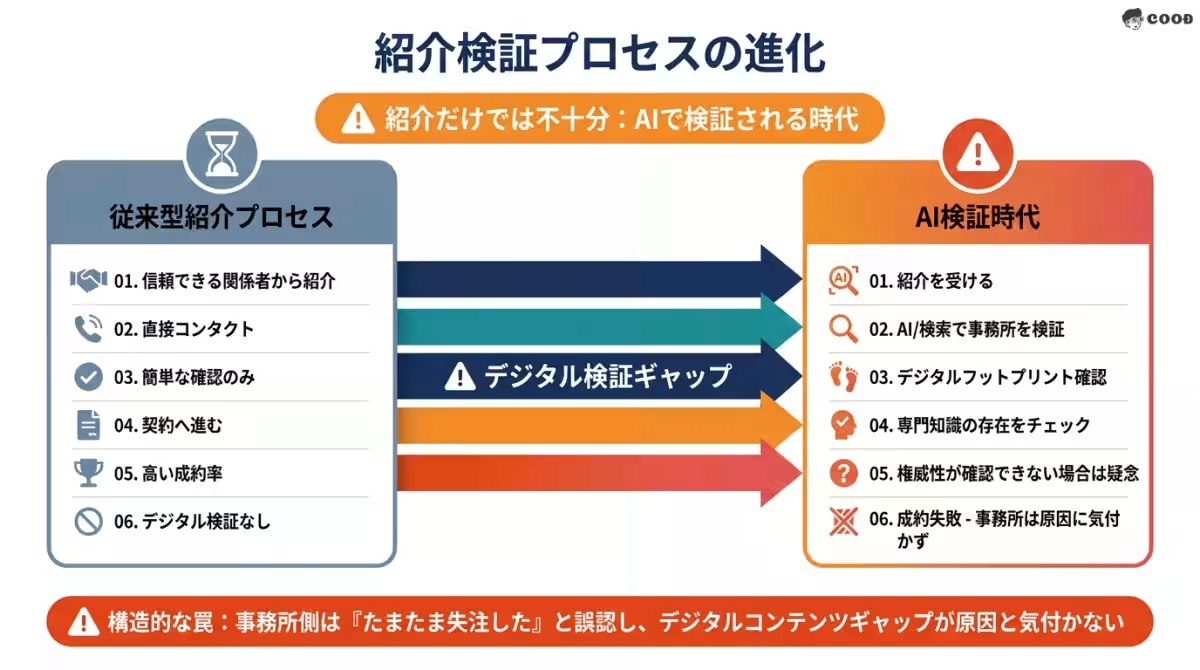
The Future of Professional Services and Digital Trust
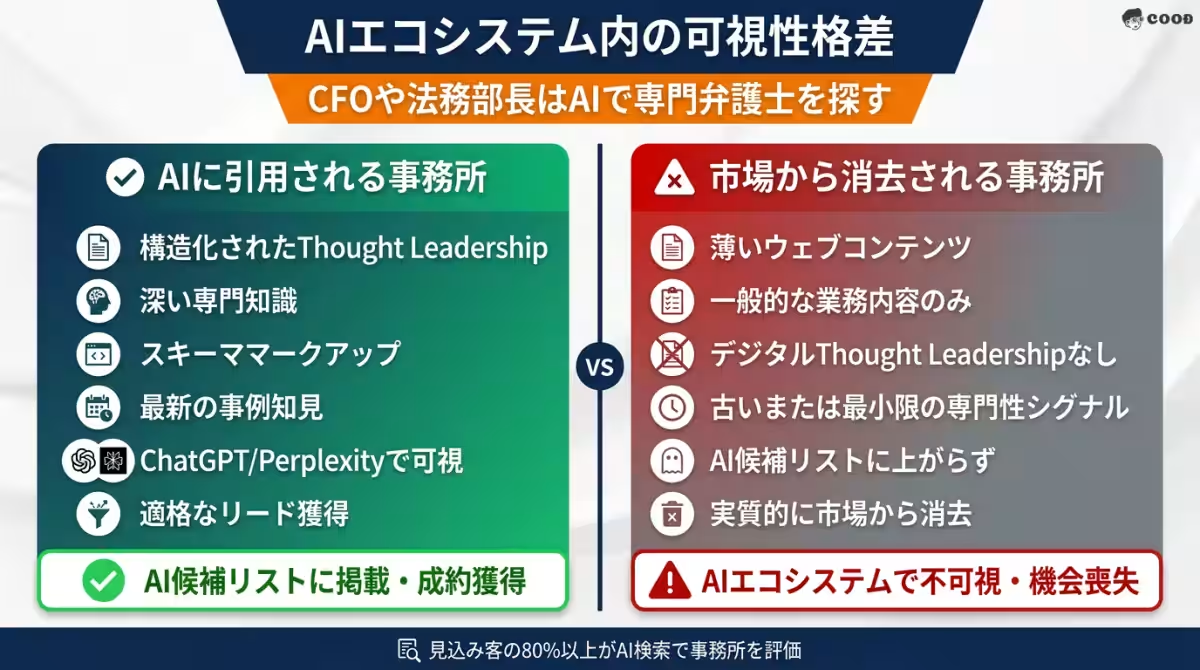
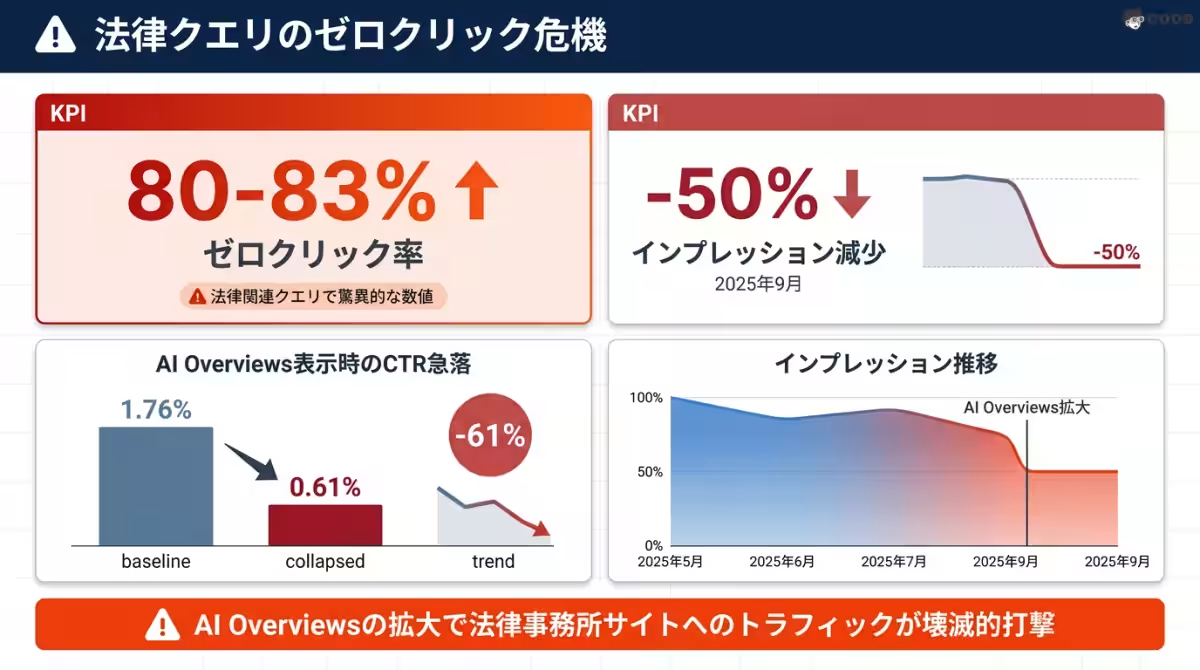
Legal and financial advisory fields, which historically relied on relationships and referrals, are witnessing substantial alterations due to the rise of AI search. The report highlights a cataclysmic surge in zero-click search rates, particularly in legal inquiries where Google’s AI Overviews can instantly generate comprehensive legal summaries. In many cases, the zero-click rate on these queries has skyrocketed between 80-83%, leading to diminished visibility for law firms. As potential clients now utilize AI tools to vet firms, those with scant web presence are increasingly rendered invisible, marginalized to the fringes of online legal services.
In conclusion, navigating this perplexing digital landscape necessitates a fundamental reevaluation of marketing strategies by companies in these affected industries. Transitioning from conventional SEO tactics, firms must embrace the development of a strong, visible presence that enhances their discoverability in AI-generated content, ensuring survival in an era increasingly dominated by AI-driven interactions. Firms capable of adapting their content to fit the AI paradigm will not only thrive but likely dictate market trends in the near future, marked by the differentiating capacity to provide high-quality, structured data that AI can effectively leverage.
Topics Business Technology)

【About Using Articles】
You can freely use the title and article content by linking to the page where the article is posted.
※ Images cannot be used.
【About Links】
Links are free to use.