



The 10-Fold Difference in Requirements for Corporate Accounts at Mega Banks and Online Banks
The 10-Fold Difference in Requirements for Corporate Accounts at Mega Banks and Online Banks
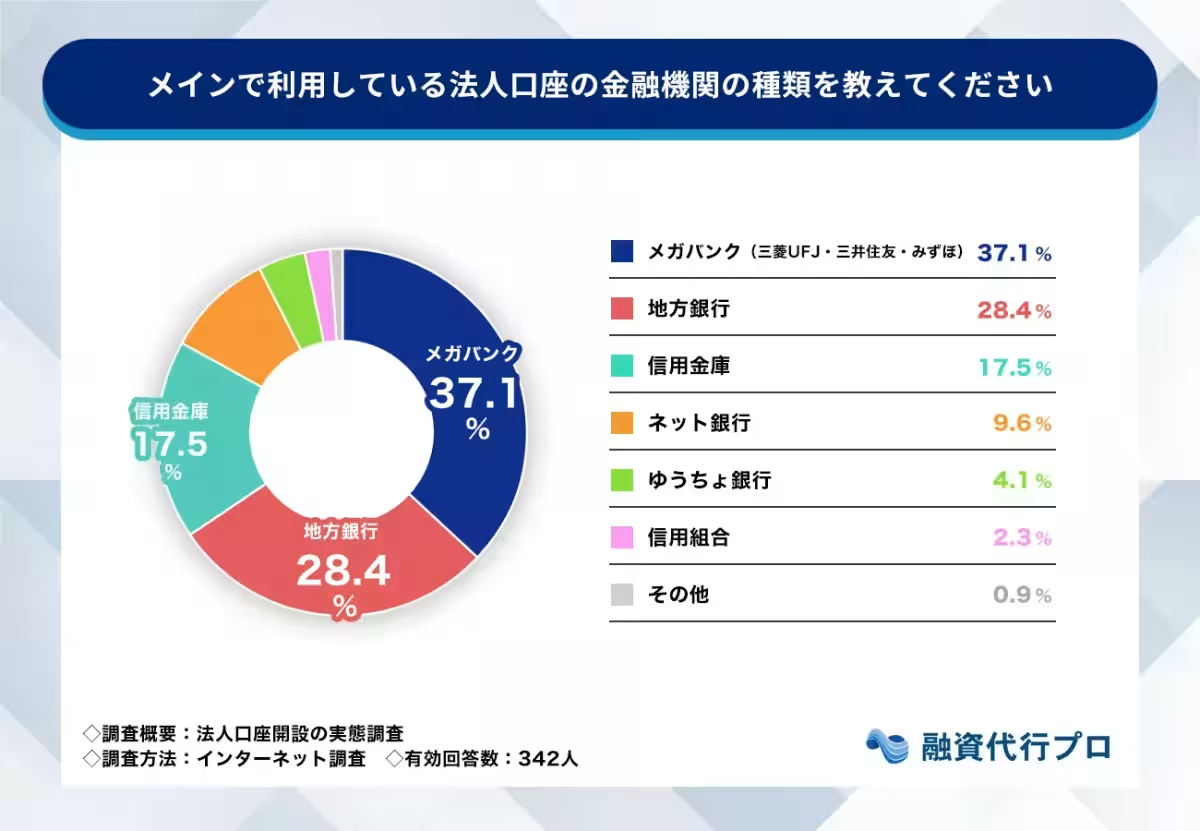
A recent survey conducted by Financing Agency Pro, based in Minato, Tokyo, explored the experiences of 342 executives regarding the process of opening corporate bank accounts. Given the recent intensification of anti-money laundering measures and stricter identity verification requirements, the challenges faced by startups and small businesses in opening corporate accounts have garnered increased societal attention. The upcoming enforcement of the Business Loan Promotion Act in May 2026 will further emphasize the need for financial institutions to evaluate the viability of businesses to secure necessary funding.
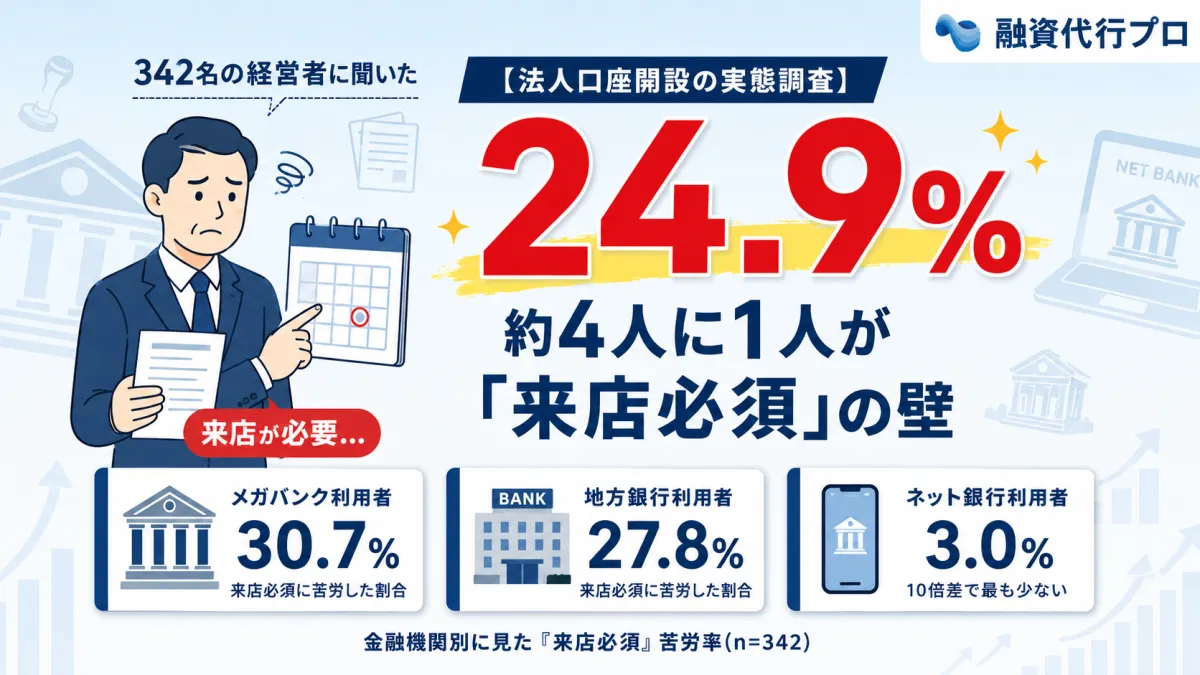
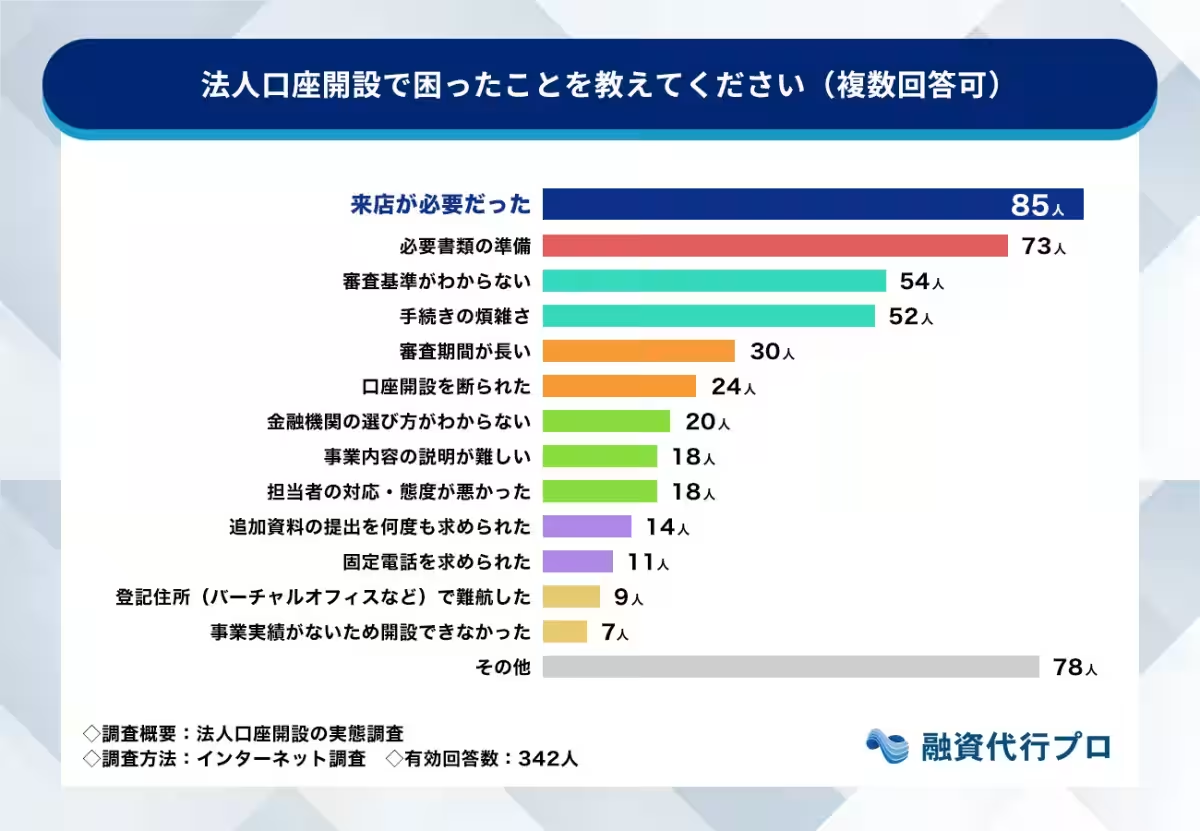
1. In-Person Visits: A Common Hurdle for 24.9% of Executives
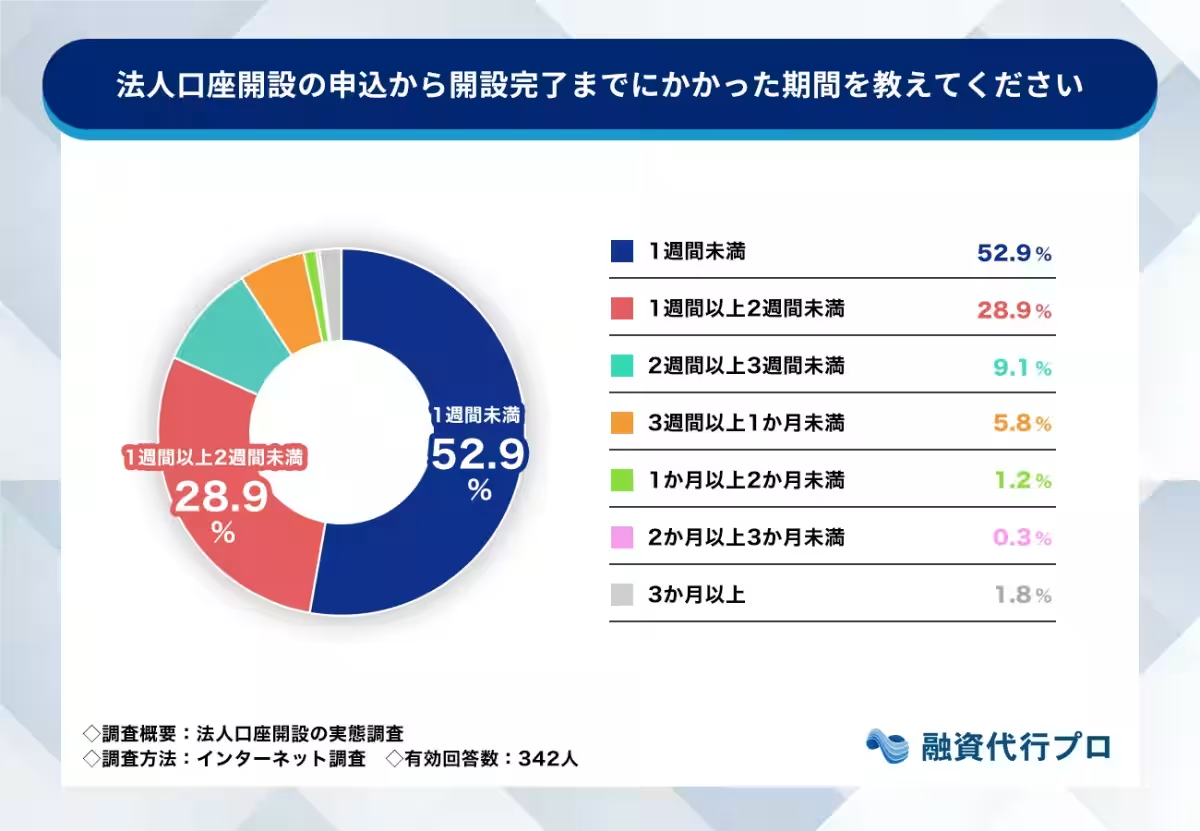
The survey revealed that 24.9% of executives reported difficulties due to the requirement of visiting a branch in person to open a corporate account. The data indicates that 52.9% of respondents completed the account opening process in under a week, suggesting that while the overall timeframe is relatively short, the necessity of making a physical visit causes significant frustration. This indicates that executives feel their time is often wasted during such visits, highlighting the psychological burden that can accompany this traditional banking experience.
The need to physically visit a bank can be a daunting task for executives who must balance their administrative responsibilities with their core business activities. It can create a significant mental load, detracting from their focus on running their businesses.
2. Mega Banks vs. Online Banks: A Discrepancy of Requirements
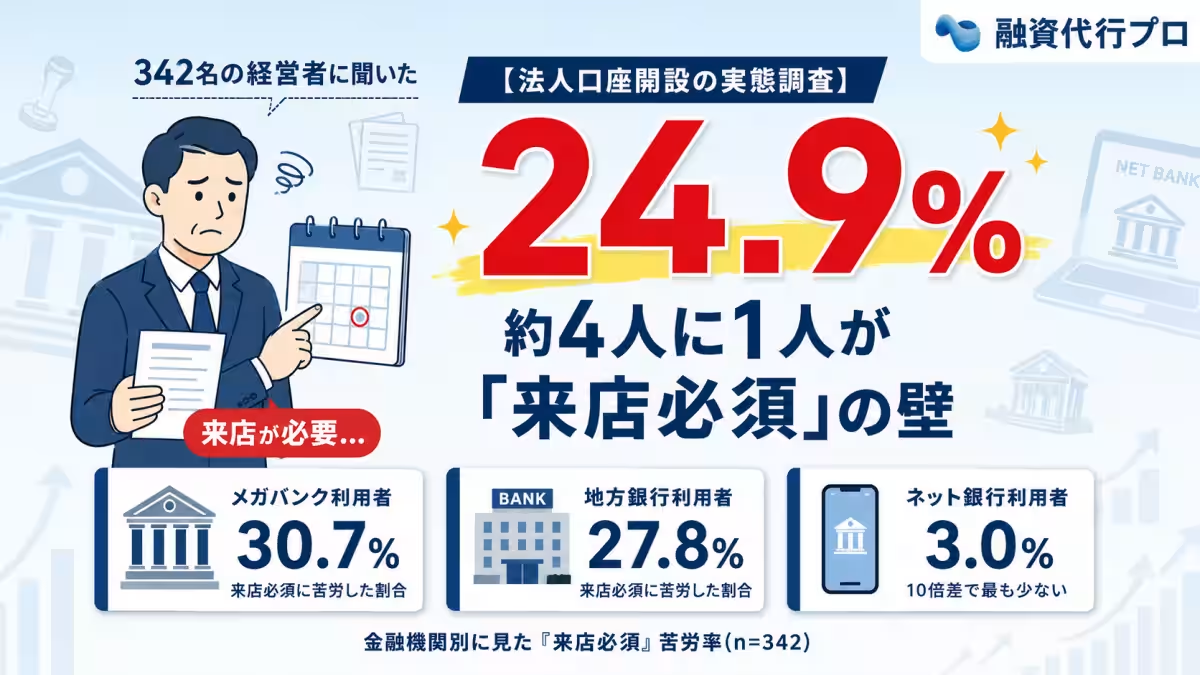
The survey further analyzed the experiences based on the type of financial institution selected. The figures showed that 30.7% of customers using mega banks and 27.8% using regional banks experienced issues with the in-person requirement, while only 3.0% of online bank users faced similar challenges. This stark contrast indicates nearly a tenfold difference in how online banking has evolved, facilitating a much more seamless process for its customers compared to traditional banks.
Interestingly, regional banks, which are integral to local economies, present a significant burden for businesses in terms of in-person requirements, where the rates of hardship were about nine times higher than those of online banks. The nature of banking services offered can heavily influence the choices executives make in selecting financial institutions, often favoring those with fewer barriers.
Additionally, the age demographic of the executives reveals that younger business leaders, particularly those in their 40s, felt the heaviest burden of this in-person requirement—33.3% reported struggling with it, compared to significantly lower percentages in older age groups.
3. Rejected Applications: A Lack of Transparency
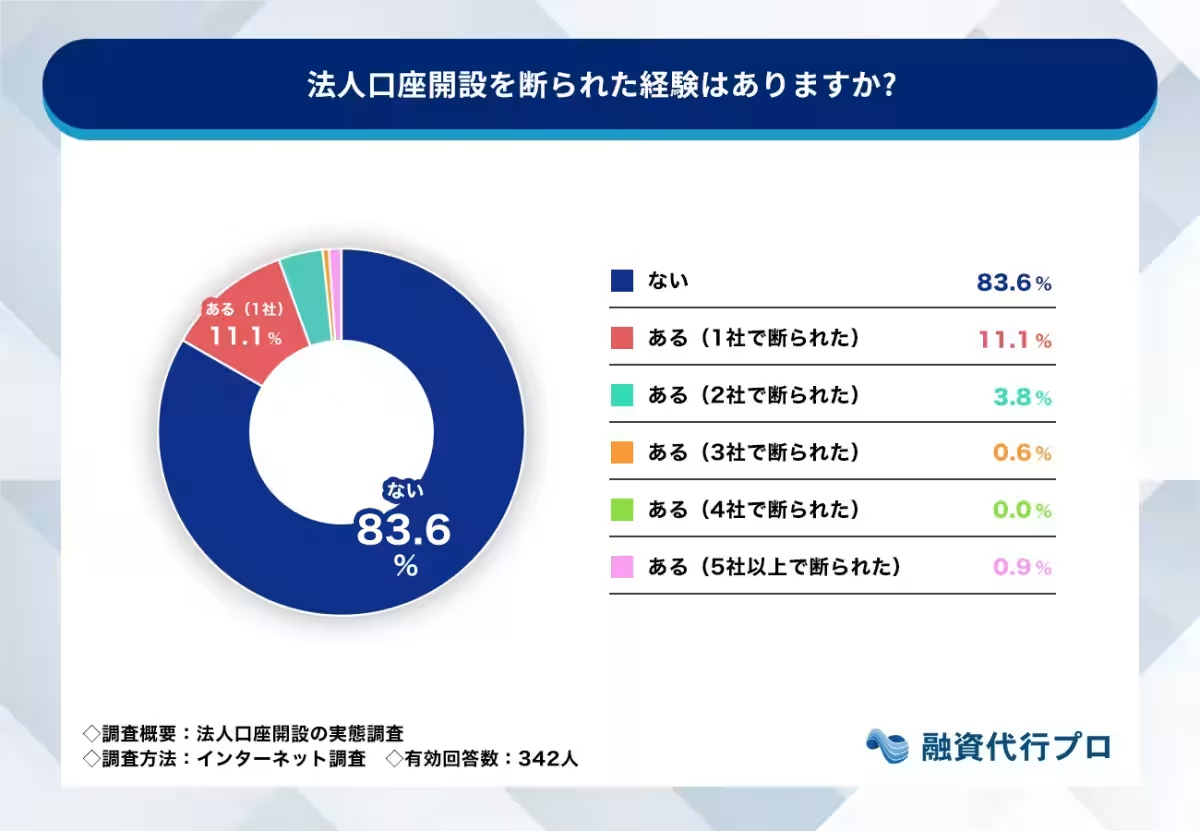
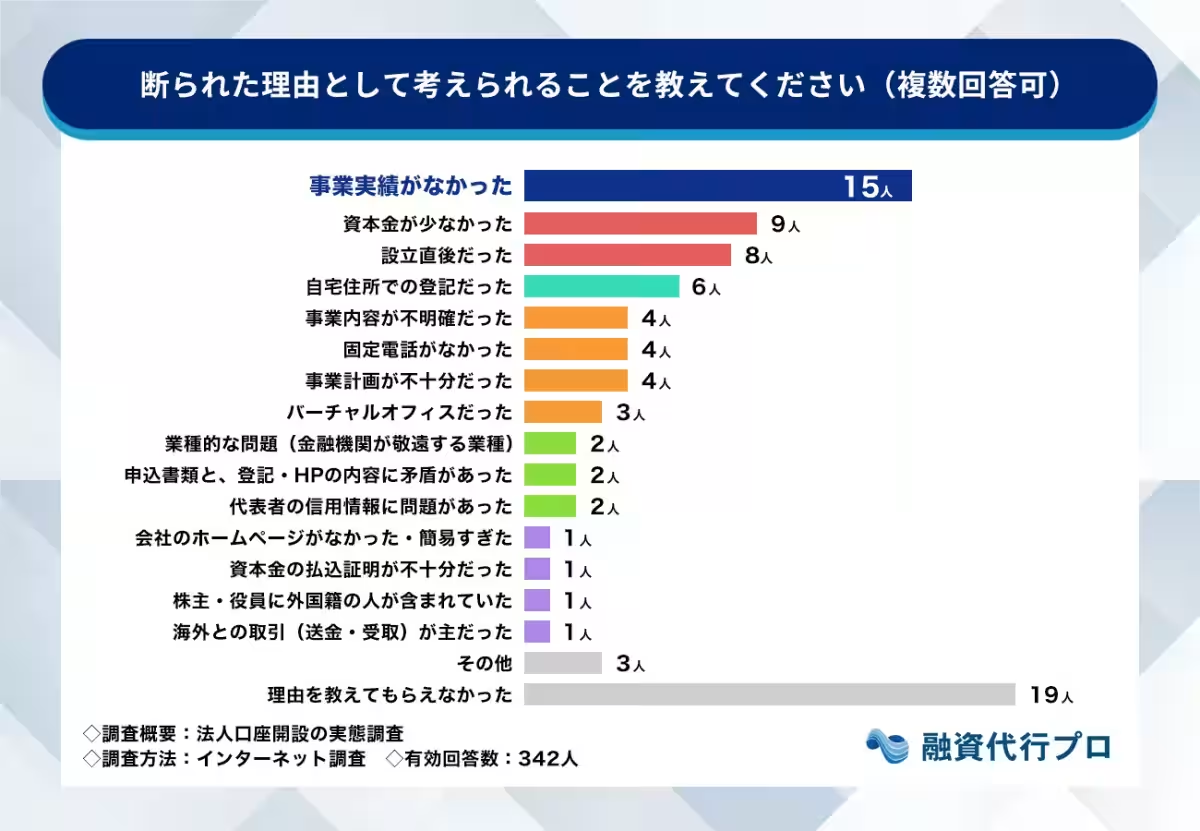
The survey found that 16.4% of respondents had previously been turned away when applying for corporate accounts. Of those, over one-third (33.9%) cited the lack of an explanation for the rejection, followed by reasons such as insufficient business track record (26.8%) and a lack of capital (16.1%). This lack of clear communication can obstruct entrepreneurs from understanding how to rectify their situations, often leaving them in a state of uncertainty.
Across different industries, service sectors showed higher rates of rejection, with various experiences highlighting the urgency to address these inconsistencies and initiate discussions on how to align banking processes with the evolving landscape of business funding.
4. Real Voices Behind the Statistics
The survey's open-ended responses shed light on the real-world experiences of executives facing these challenges. Many expressed frustrations about being treated as if they were under suspicion. Anecdotes shared by respondents reveal a pattern of systemic complexity which stalls business operations, particularly for fledgling companies.
One 20-something executive shared their experience of being asked for

Topics Business Technology)
【About Using Articles】
You can freely use the title and article content by linking to the page where the article is posted.
※ Images cannot be used.
【About Links】
Links are free to use.