



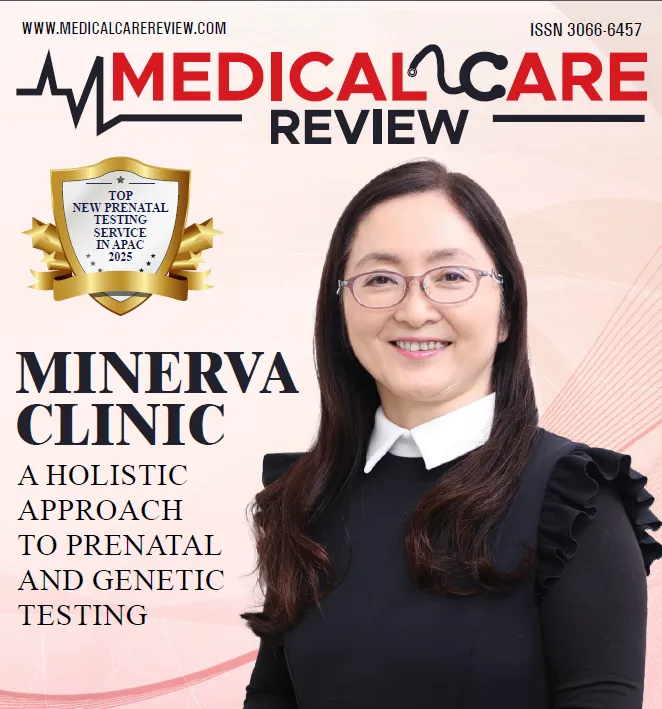
Dr. Hiromi Nakata Recognized as a Female Leader in Japan's Healthcare Sector
Celebrating Leadership in Healthcare
Dr. Hiromi Nakata, the director of Minerva Clinic located in Minato, Tokyo, has been selected as one of the top ten female leaders in Japan's healthcare sector by the international magazine, Global Woman Leader. This recognition highlights her impact within the fields of medicine, business, and research, particularly her role in advancing clinical genetics in Japan.
Minerva Clinic, renowned for its specialization in genetic medicine, is under the management of Dr. Nakata, a clinical geneticist and expert in hereditary oncology. The feature in Global Woman Leader emphasizes her comprehensive medical expertise, which includes internal medicine and cancer pharmacotherapy, demonstrating her dedication to patient-centered care.
A Pioneer in Clinical Genetics
In the featured article, Dr. Nakata is acclaimed for her pivotal role in shaping clinical genetics in Japan. Her extensive medical background equips her to provide global standard healthcare services, further solidifying her reputation. This recognition stands as a testament to her commitment to offering inclusive medical support rooted in international standards.
Key Highlights from the Feature
The interview presents significant aspects of Dr. Nakata’s journey, her motivation to establish Minerva Clinic, and the overarching goals of genetic medicine within the clinic. Notably, the critical elements of the article include:
- - Early Experiences Influence: Dr. Nakata's aspiration to become a doctor began with personal experiences of health challenges in childhood.
- - Specialized Clinical Experience: Her background as an oncology specialist introduced her to the realm of hereditary cancer care, emphasizing the need for preventative measures.
- - Prevention-Driven Model: As a clinical geneticist, she aims to enhance healthcare models that prioritize prevention and early intervention.
- - Global Standards in Practice: The clinic aligns with international guidelines, such as those set by ACMG (American College of Medical Genetics) and NCCN (National Comprehensive Cancer Network), to ensure high-quality care.
- - Challenges in Japan's Medical Structure: The article discusses systemic challenges within Japan’s genetic healthcare landscape, including misconceptions surrounding carrier screening and disparities in information access.
- - Foundational Vision of Minerva Clinic: Dr. Nakata's vision includes creating a healthcare structure that emphasizes individual expertise and accountability.
- - Ongoing Genetic Support: The clinic utilizes archived DNA samples to provide timely support based on patients' life stages.
Addressing Japan's Medical Challenges
During the interview, Dr. Nakata also addresses pressing issues confronting Japan's healthcare system. Unlike many other nations, Japan has not fully integrated genetic testing and risk-based surveillance into its preventive healthcare strategies. Consequently, patients often miss opportunities for early diagnosis and prevention due to inadequate availability and understanding of these medical services. Furthermore, there is a prevalent misunderstanding regarding carrier screening—where it is often wrongly perceived as potentially leading to discrimination—hindering its utilization.
Additionally, a rigid healthcare hierarchy prolongs the time it takes for new knowledge and efficient interventions to reach practitioners. Minerva Clinic counters these challenges by offering world-class genetic medicine guided by international benchmarks.
This environment has attracted patients from across the country, including families grappling with profound grief after losing children to unknown diseases. In such sensitive cases, the clinic expedites genetic testing results, providing families with essential information to help them navigate their next steps.
Patient-Centric Care Approach
The clinic has structured its care model to align with different life stages. By focusing on early detection of disease risk and presenting actionable choices, it empowers patients and families to make informed healthcare decisions actively.
Moving forward, Minerva Clinic aims to address still unmet needs within Japan’s healthcare landscape. Its commitment is towards nurturing a culture where patients' autonomy is respected and where international standards in healthcare become an integral and accepted part of medical practice in Japan.
Dr. Hiromi Nakata’s Vision
Dr. Nakata reflects on her journey, stating:
"I began my career in cancer pharmacotherapy, but my experiences with hereditary cancer patients deepened my belief that prevention is as crucial as treatment. Today, I leverage my expertise in both oncology and clinical genetics to identify individuals at risk effectively and guide them towards early diagnosis and intervention. I prioritize understanding the emotional realities faced by patients and their families, ensuring our interactions are considerate of their backgrounds and values."
Her determination to realize a society where genetic healthcare is a commonplace choice reflects her balanced approach between medical practice and the emotional complexities of patients' experiences.


Topics Health)





【About Using Articles】
You can freely use the title and article content by linking to the page where the article is posted.
※ Images cannot be used.
【About Links】
Links are free to use.