



Tokyo's Sustainable Community Initiative: Connecting Through Urban Agriculture
Building Sustainable Community Through Urban Agriculture
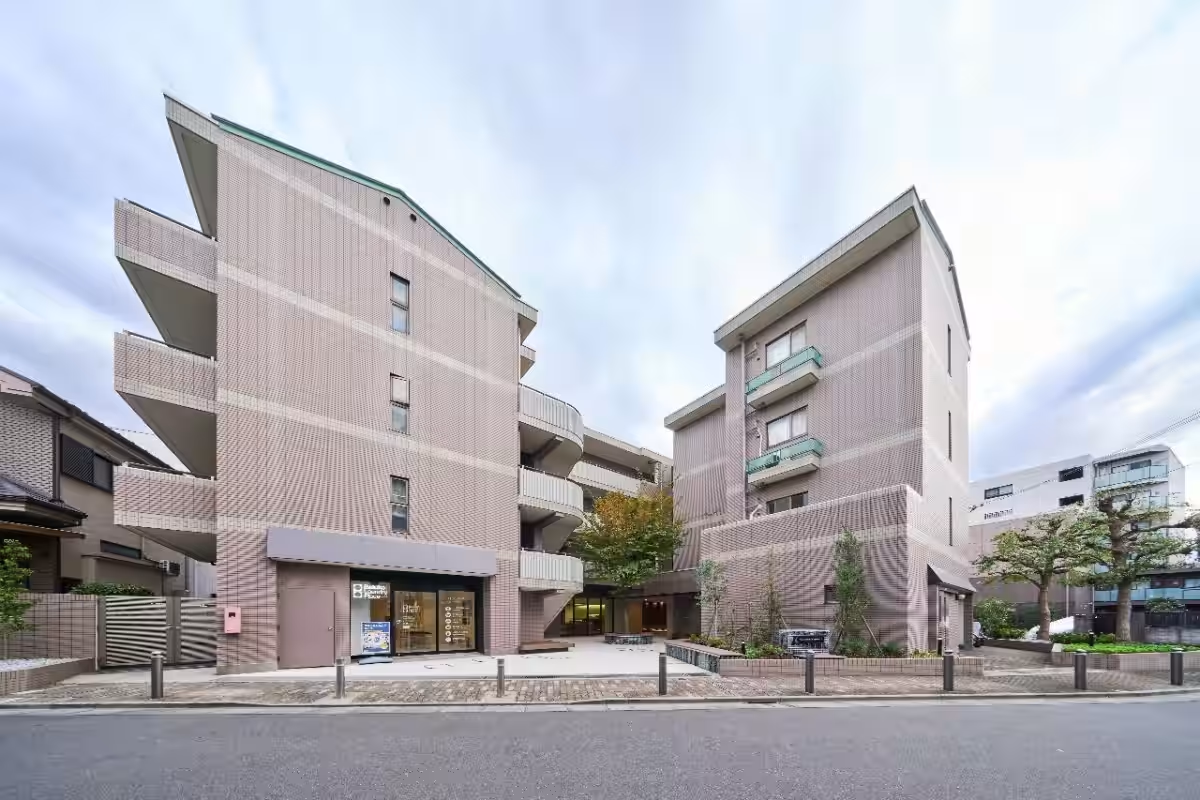
In a groundbreaking initiative, Tokyu Land Corporation is collaborating with Chiba University's Design Research Institute and Renovate Co., based in Tokyo, to develop a sustainable community in Sumida Ward. The collaboration, aiming to combat the recent trends of diminishing local social interaction in urban centers, will transform a 30-year-old rental residence into a vibrant hub for community engagement centered around horticulture and nutrition education.
Project Overview
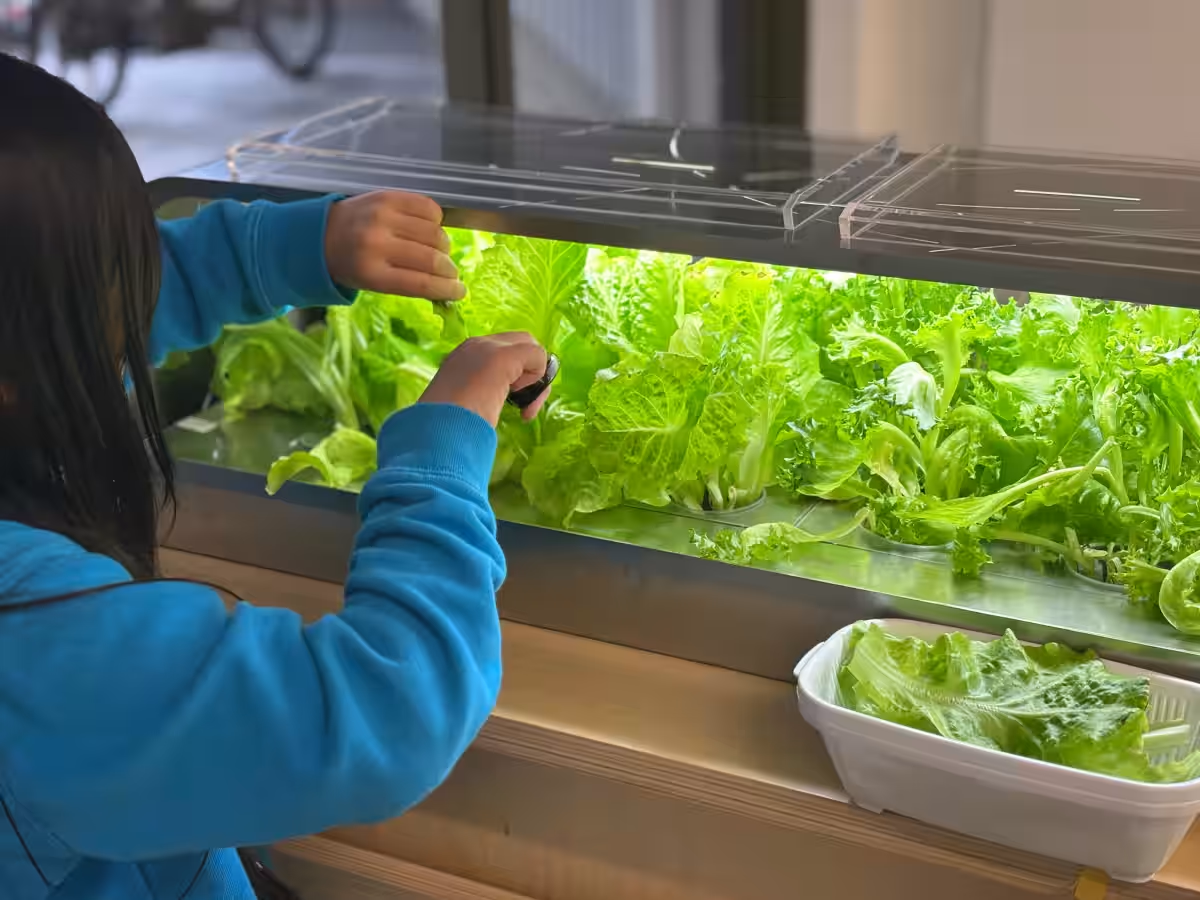
The focus of the project is a rental residence situated in Sumida's established neighborhood. The property, which consists of 32 units, will undergo a comprehensive renovation overseen by Renovate Co. Under this partnership, the shared spaces within this residence will be revitalized to serve as a communal gathering point. Notably, one of the highlights will be an integrated urban farming system designed by Chiba University, where tenants can engage in hydroponic cultivation of lettuce and herbs.
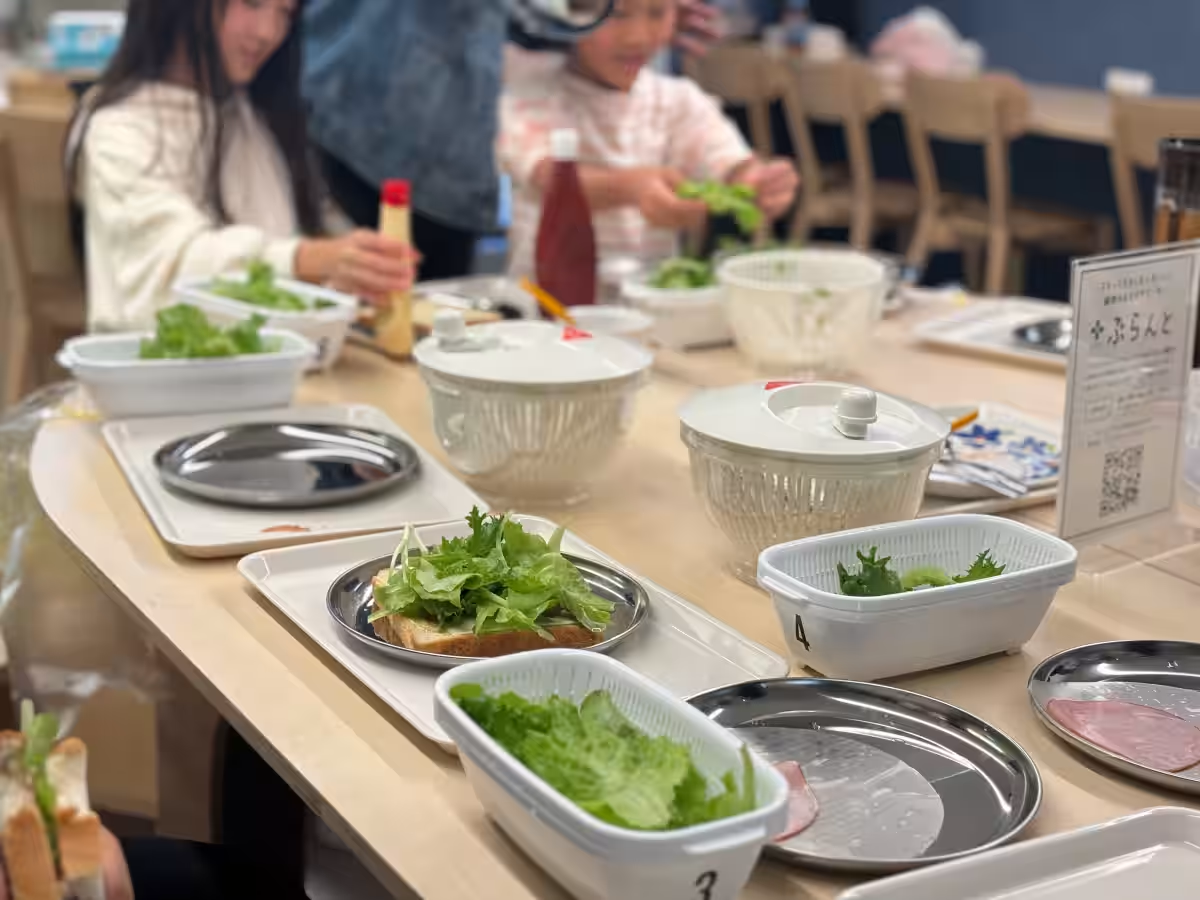
This innovative agricultural installation is coined the “Urban Plant Factory” and is designed not only to provide fresh produce but also to foster interactions between residents. Regular events like the “Lettuce Meeting” will be held every six weeks, allowing participants to gather for harvest, taste-testing, and collaborative learning about plant growth and nutrition.
Addressing Social Isolation
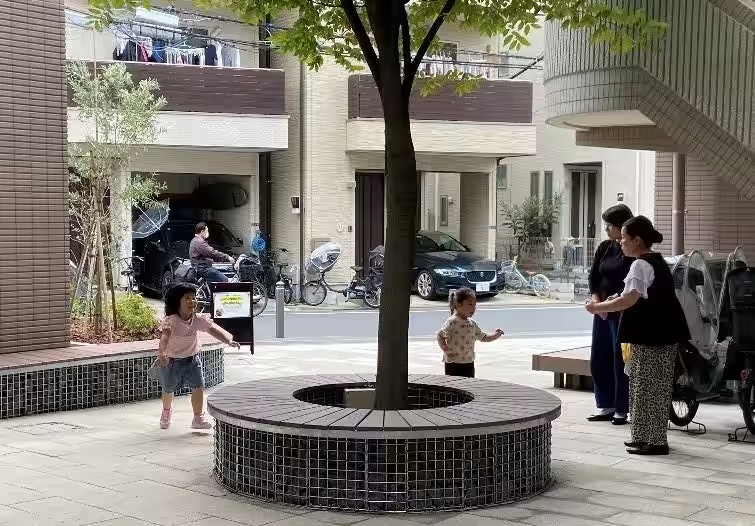
In recent years, the increasing prevalence of nuclear families and dual-income households has led to a decline in day-to-day interactions among community members. This sociocultural challenge necessitates the formation of supportive networks within local areas. The initiative aims at preventing solitary dining and social isolation, facilitating emergency aid in crisis situations, and encouraging intergenerational dialogues through shared agricultural experiences.
The project's ethos resonates with the “Sumida Modern” initiative, which promotes local branding through innovative community-building and production strategies. By prioritizing themes of food and plants, the project aspires to cultivate a welcoming environment that transcends age and social barriers, contributing to the formation of a resilient and engaging community.
Creation of the Community Hub: GardEN
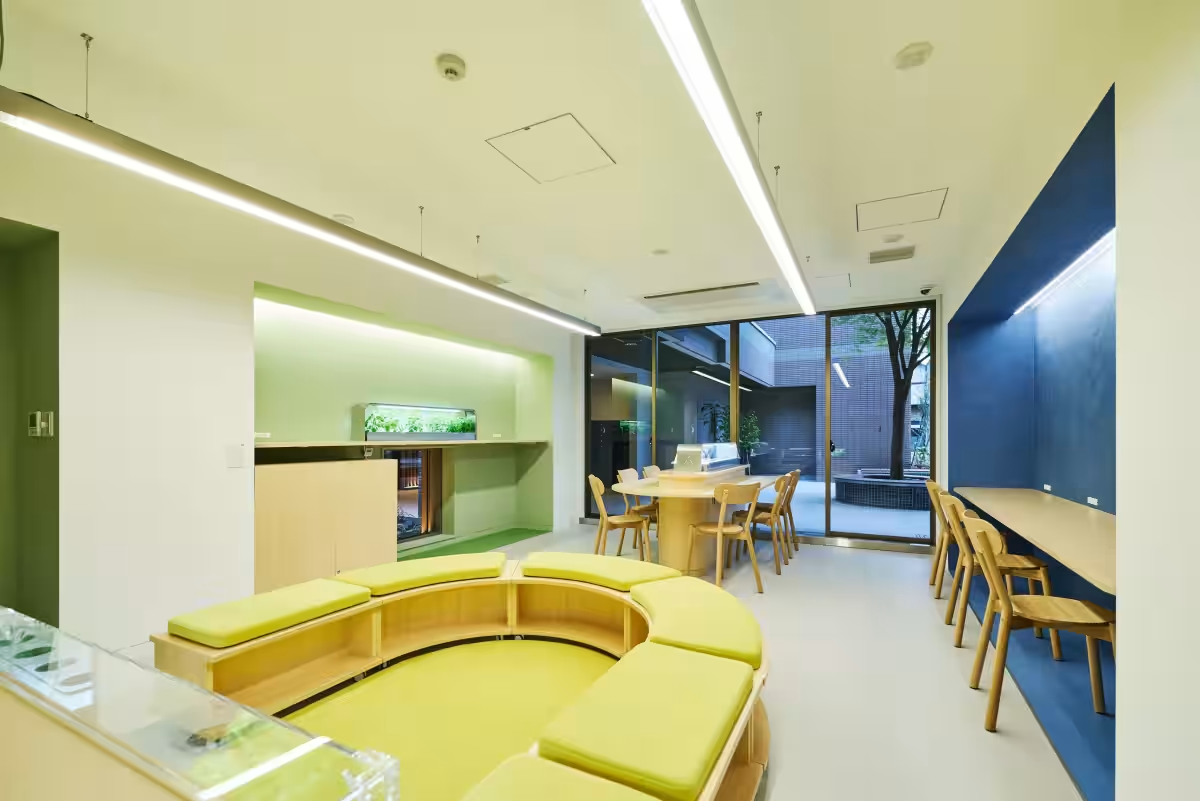
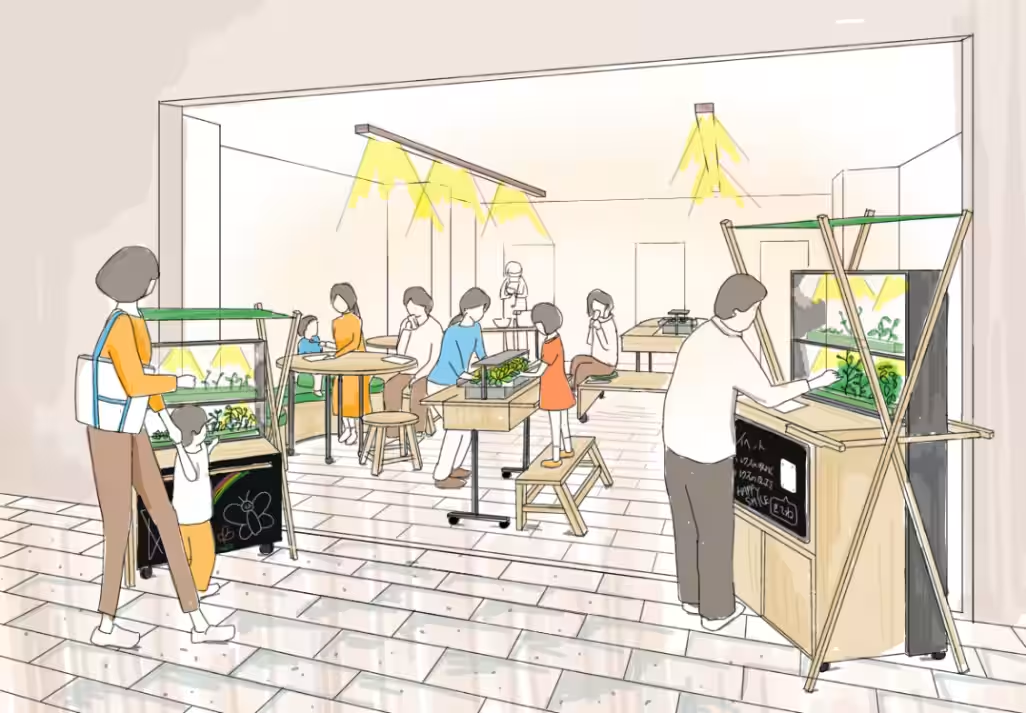
A focal point of the project is the establishment of a community center named “GardEN,” a word combining “Garden” and “Connection.” Here, students from Chiba University will facilitate activities aimed at nurturing meaningful relationships in an adaptable space that transforms to accommodate varying community needs—be it a children's area, workshop zone, or a multipurpose event space. This area will encourage residents and visitors to naturally converge, engage in sustainable practices, and enjoy a hands-on relationship with their environment.
The Urban Plant Factory within this setting is not merely a means of food production; it serves as a venue for shared experiences and collective learning, bolstered by workshops and organized events guided by the university's design and operational oversight.
Engaging Local Youth
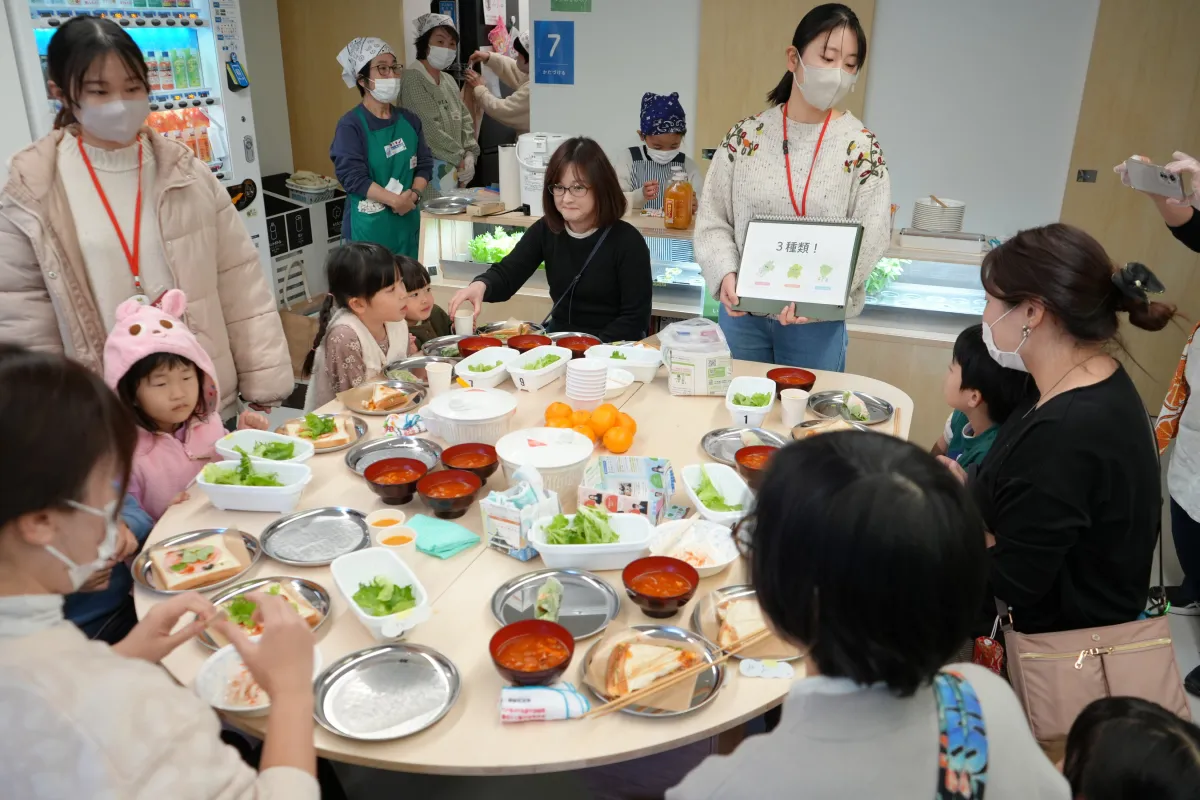
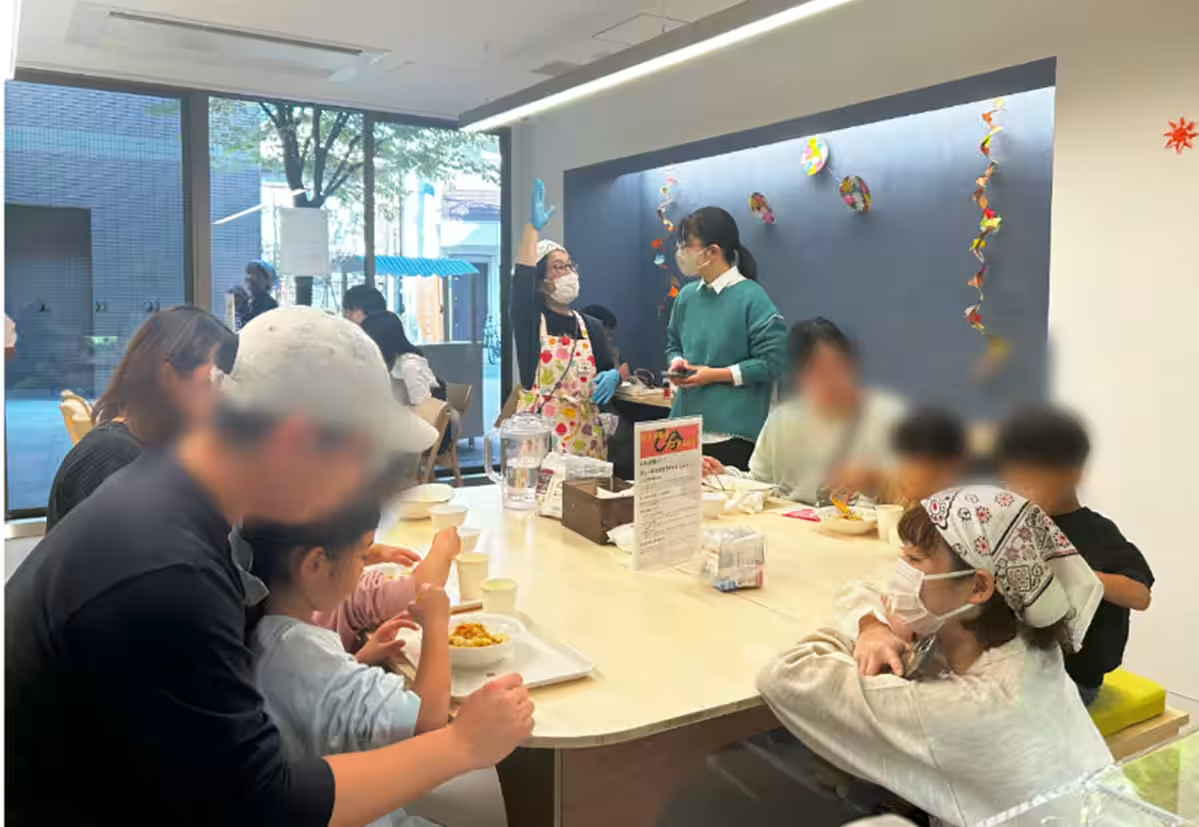
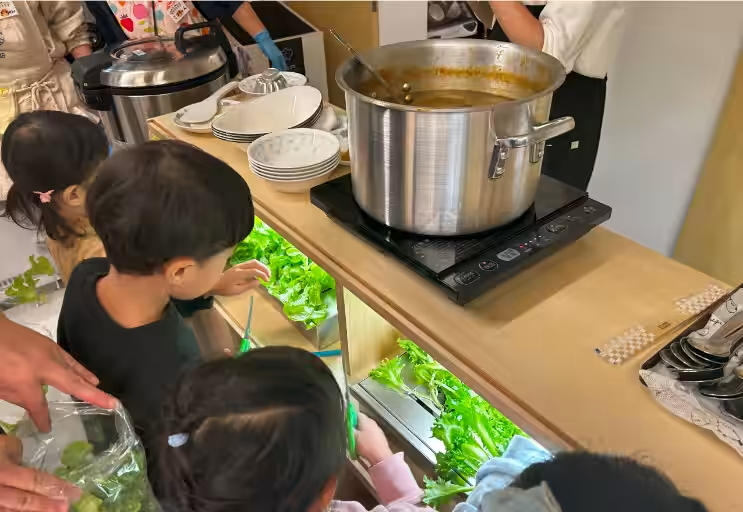
An exciting aspect of the project is its collaboration with the local “Sumikko Sun Children's Cafeteria,” a volunteer initiative that hosts monthly gatherings for kids in a friendly and safe space. This initiative aims to ensure children from diverse backgrounds, including those from single-parent households or international families, feel included and valued within the community. Future expansions may engage with cross-generational activities, fostering deeper connections among different age groups.
Renovation Aimed at Supporting Families
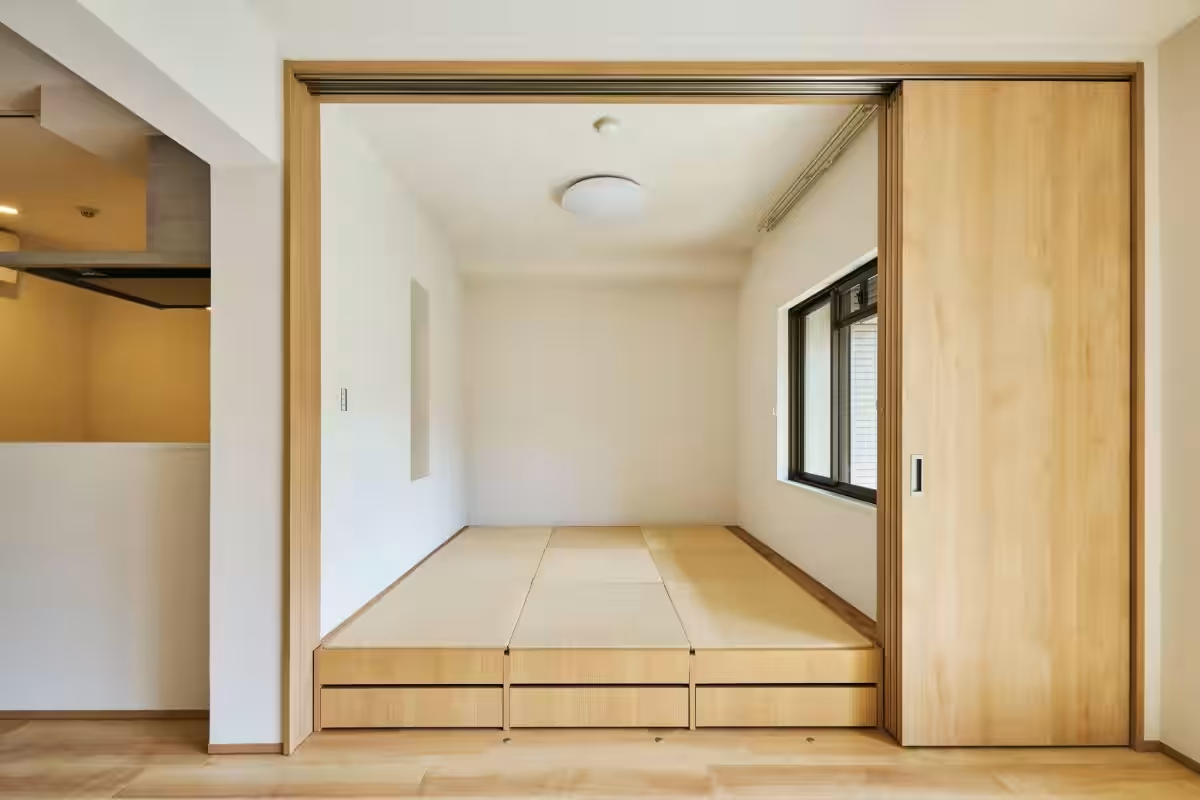
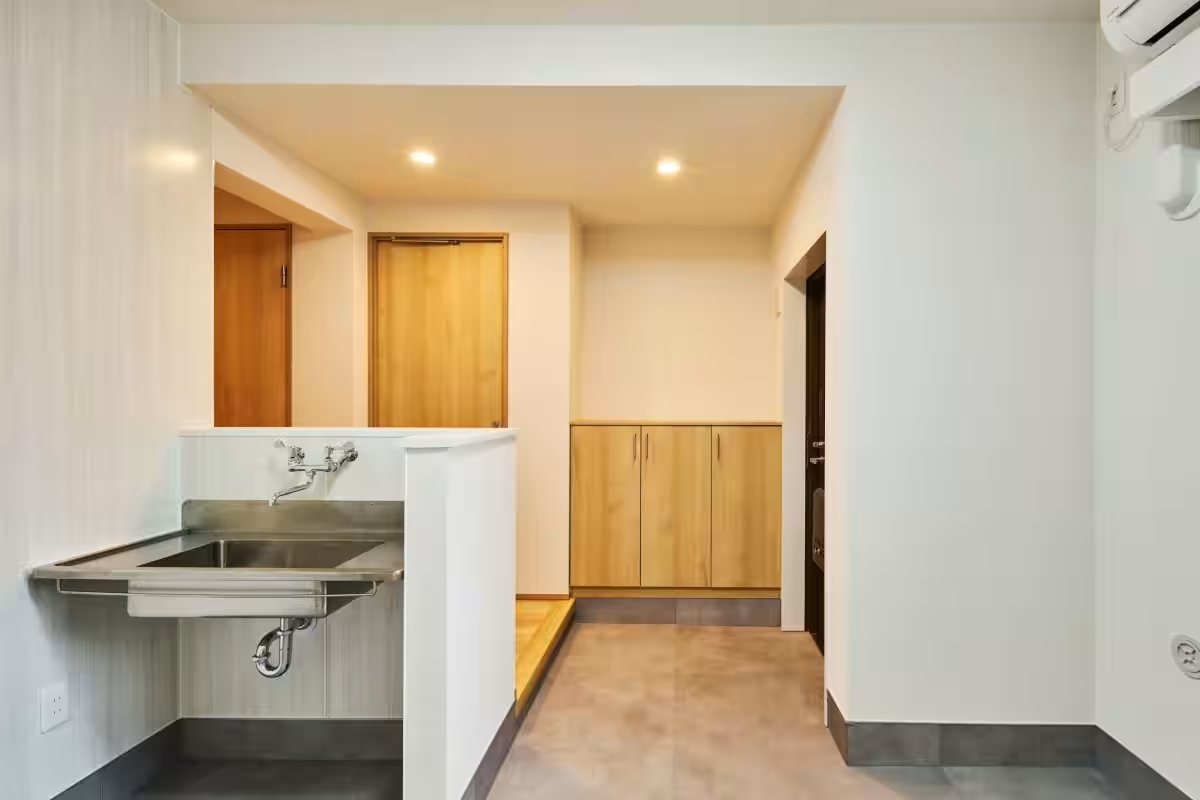
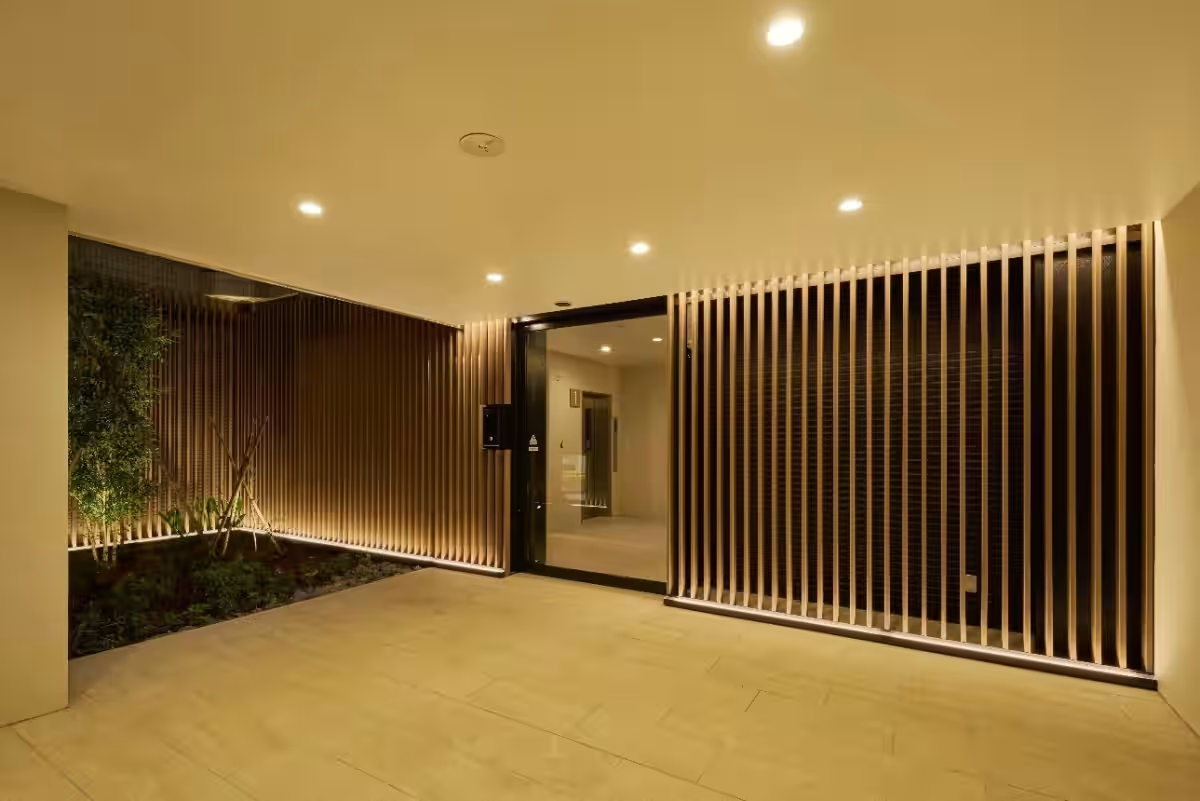
The residence has been thoughtfully designed with families in mind, boasting spacious entryways and multifunctional living areas that promote relaxation and play. The renovation integrates upcycled materials, embodying the principles of sustainability that align with the UN's Sustainable Development Goals (SDGs). Additional amenities such as a coin-operated laundry facility further enhance the convenience and quality of living for residents. Furthermore, the building has achieved the highest rating under the Tokyo Smart Child Housing Certification Program, recognizing its commitment to safety and community building.
Timeline and Future Plans
The community initiative is slated for completion and handover by October 2025, with the inaugural Lettuce Meeting and gardening activities set to commence shortly thereafter. The ultimate goal is to establish a model for urban community building that prioritizes visibility and accessibility, paving the way for a new standard in city living where communal support and interaction are at the core of residential life.
By providing a nurturing environment where community ties are strengthened through shared experiences related to food, gardening, and education, this initiative exemplifies the transformative potential of urban agriculture as a catalyst for enhancing quality of life in city settings.
For more information about this innovative project, explore the respective websites of the partners: Chiba University DRI, Renovate Co., and Tokyu Land Corporation.

Topics People & Culture)



【About Using Articles】
You can freely use the title and article content by linking to the page where the article is posted.
※ Images cannot be used.
【About Links】
Links are free to use.