



Survey Reveals Concerns Among Side Job Workers Over AI's Impact on Skills Value
Rising Concerns Over Generative AI Among Side Job Workers
Recent research conducted by Jigyoka Group, based in Chiyoda, Tokyo, uncovers significant alarm among side job workers regarding the rise of generative AI technologies. With an increasing prevalence of AI and government push for side jobs, professionals are grappling with how these changes affect their careers and skill sets.
In June 2026, a survey targeting employees involved in side jobs revealed several key insights about their experiences, income levels, and attitudes toward the current generative AI landscape.
Survey Background
The sideshow market has been transforming at an extraordinary pace, driven not only by technological advancements but also by governmental initiatives encouraging diversified income streams. However, this rapid evolution comes with concerns regarding skill commoditization, which could lead to reduced compensation for side jobs. Many business professionals now find themselves at a crossroads: they must decide whether to acquire new skills to remain competitive or embrace AI as a tool to launch their own businesses.
Nevertheless, existing data on the actual income declines stemming from AI proliferation and the inclination of side job workers to pursue entrepreneurship are scant. To address this gap, Jigyoka Group executed an extensive survey among individuals engaged in side jobs, shedding light on evolving work dynamics amid generative AI's rise.
Key Findings
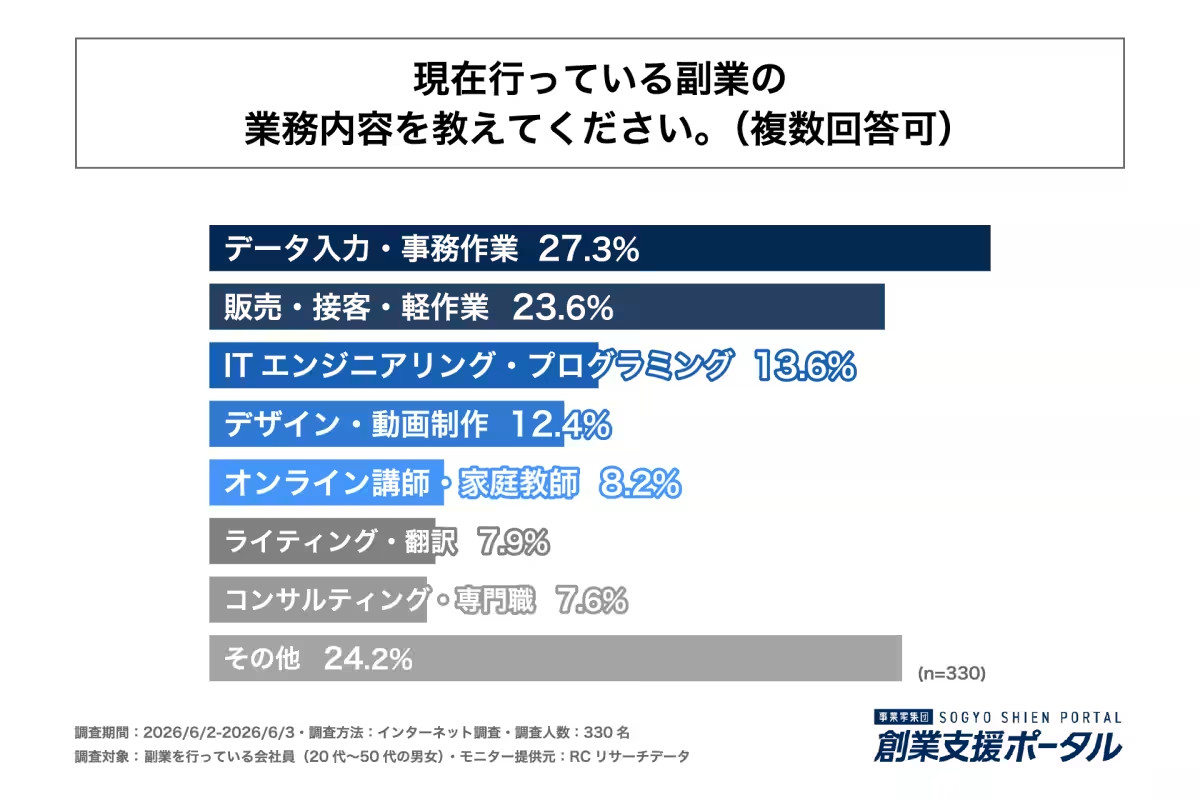
- - Diverse Job Roles: Over 25% of side job professionals categorize their tasks as data entry or administrative work, showcasing a significant reliance on routine responsibilities.
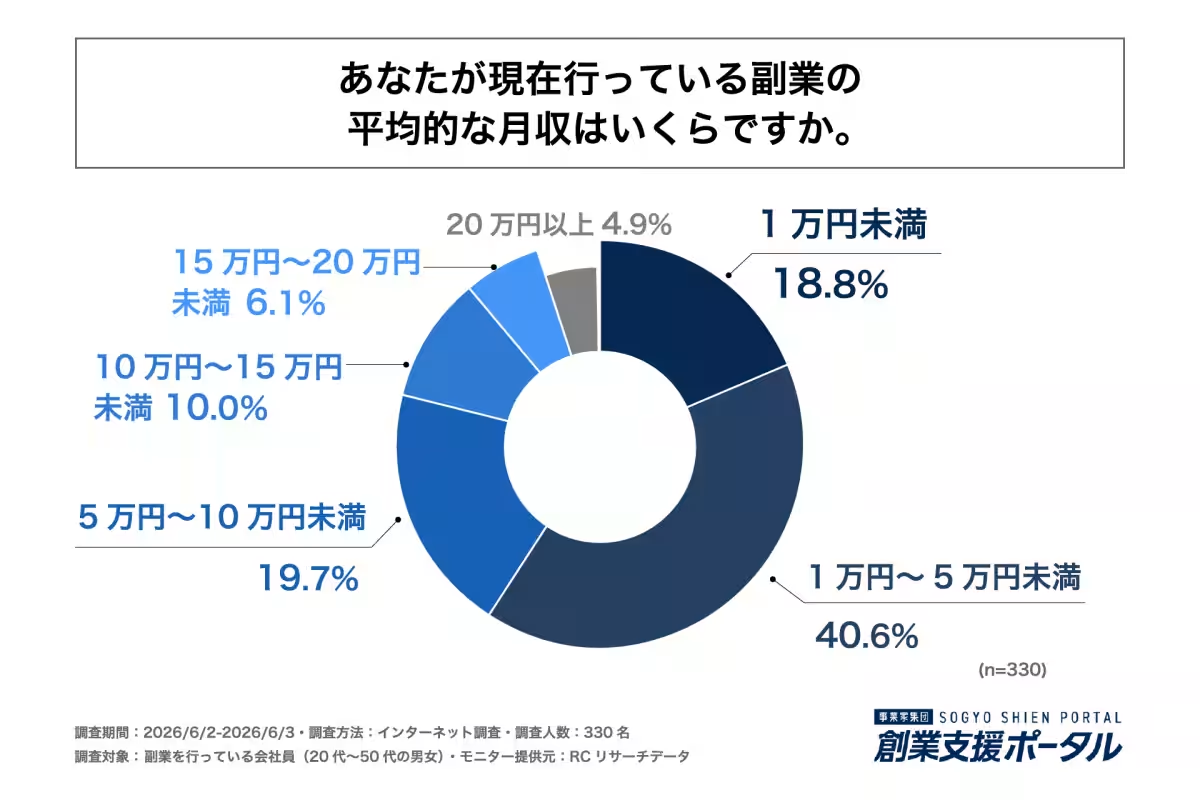
- - Income Levels: More than 40% reported average monthly earnings between 1,000 and 5,000 yen, highlighting financial constraints faced by many.
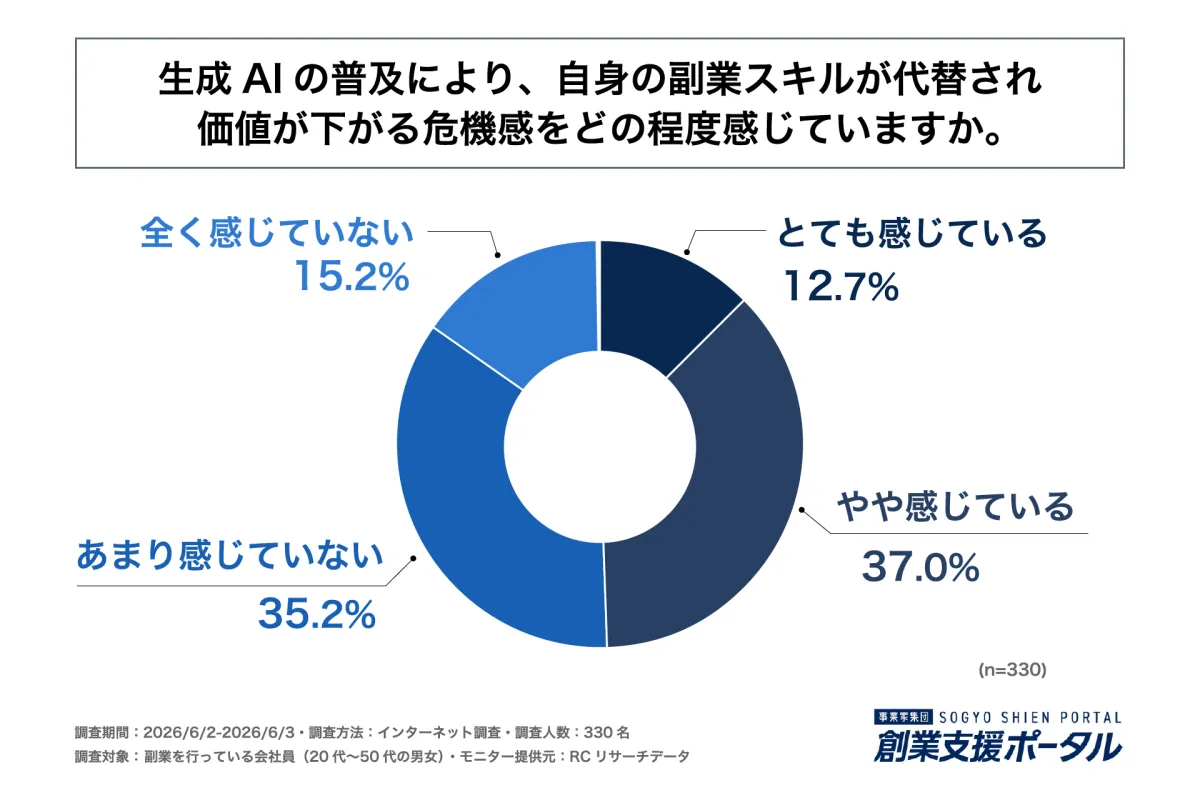
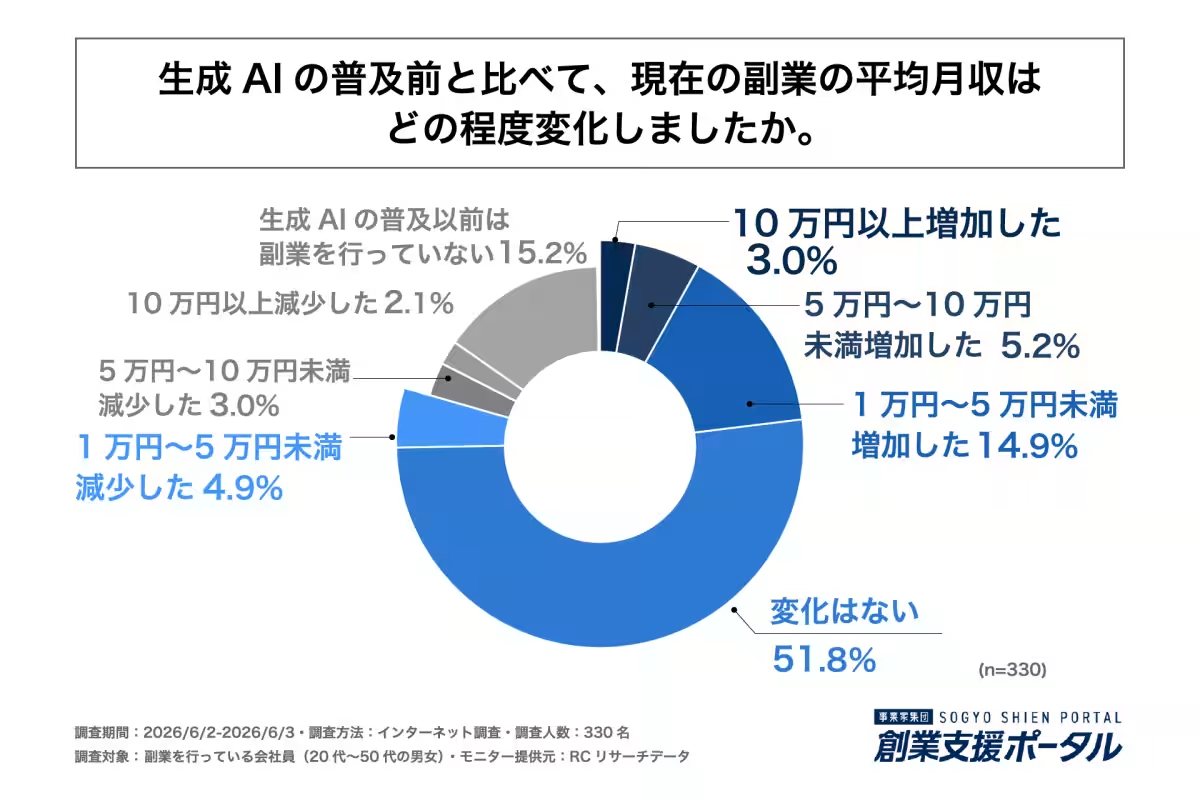
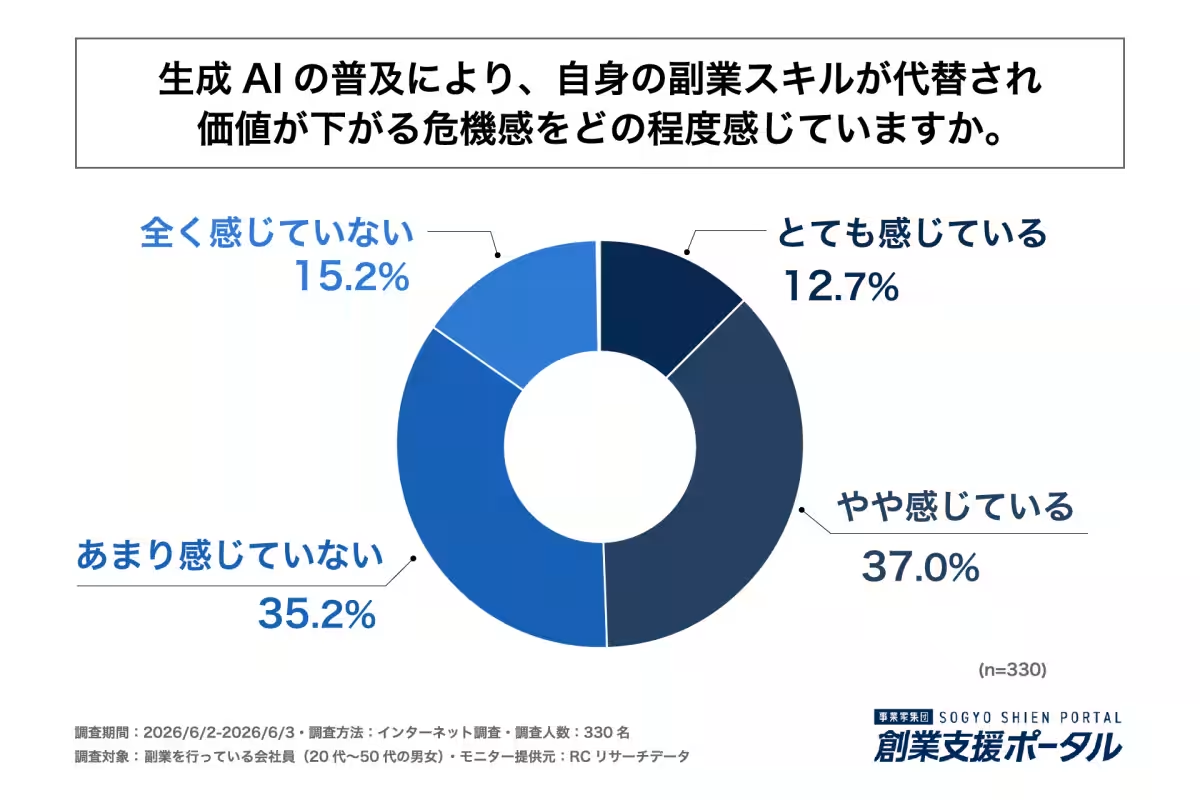
- - Perceived Income Stability: Half of the respondents reported no change in their income since the advent of generative AI, while a significant portion expressed concern over diminishing skill value as AI capabilities expand.
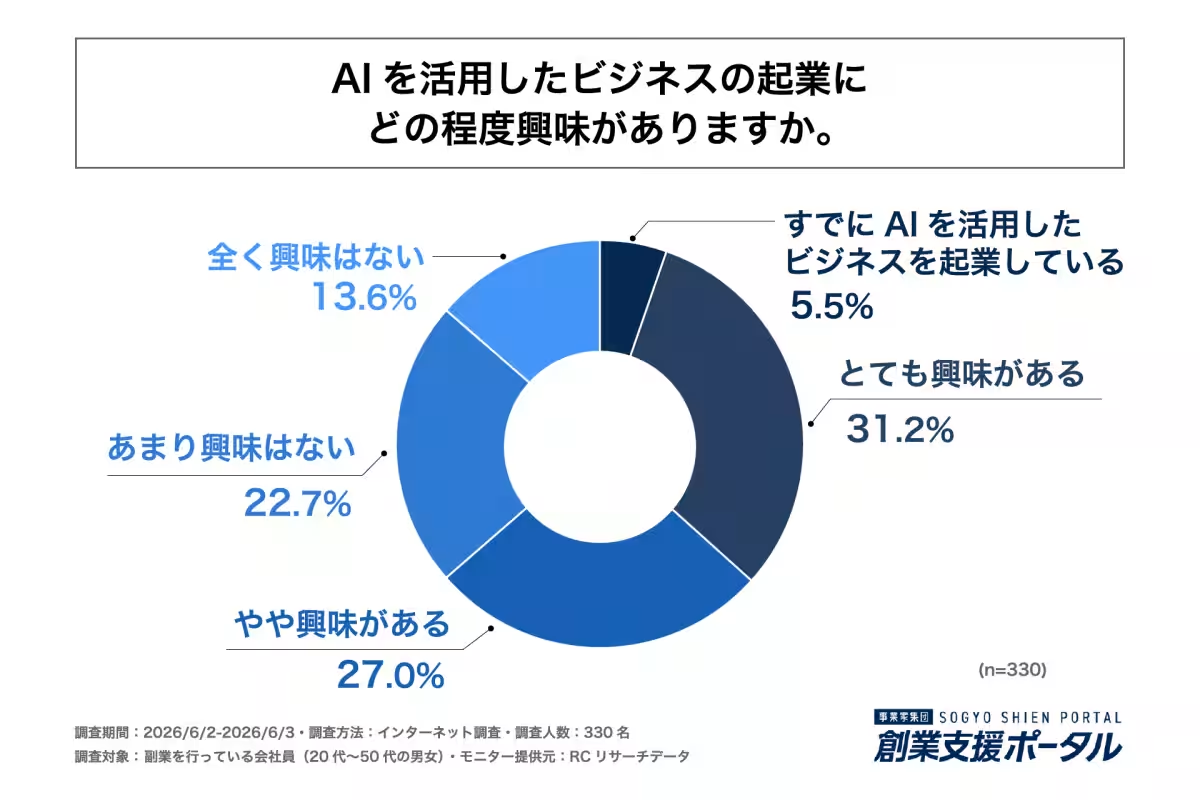
- - Interest in AI Entrepreneurship: Around 60% of side job workers expressed interest in leveraging AI technologies to start their own businesses, indicating a proactive approach to navigate potential challenges.
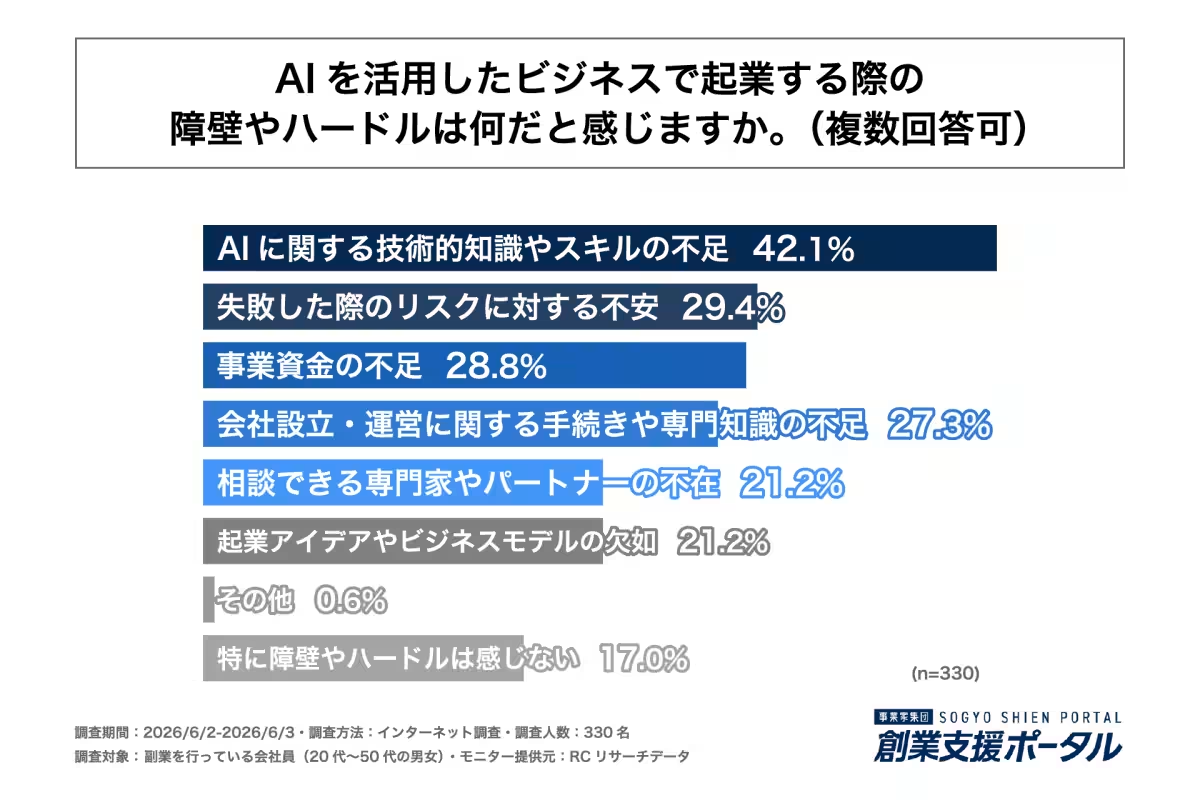
- - Barriers to AI Business Ventures: The main hurdles identified were lack of technical know-how regarding AI and anxiety about failing, highlighting a need for support and resources in this domain.
Detailed Insights
From the survey, it’s evident that over a quarter (27.3%) of side job workers are engaged in data entry and administrative roles, making it the most common area of work. The survey revealed that 40.6% of respondents make between 1,000 to 5,000 yen monthly, which raises questions about the longevity of these income sources as generative AI technologies advance.
Interestingly, 51.8% indicated that their monthly earnings have remained stable since the emergence of generative AI, yet concern is palpable. Nearly half of those surveyed feel their skills are at risk of being replaced or undervalued due to AI advancements. This apprehension signals a broader fear about future employment viability.
Despite the challenges, the survey identified a promising trend; approximately 58.2% of respondents displayed enthusiasm for starting AI-driven businesses. However, they also reported significant barriers, primarily about their lack of technical expertise and fears associated with entrepreneurship failures.
Conclusion
The findings of this survey emphasize a critical juncture for side job workers as they navigate the nuances of the evolving job landscape influenced by generative AI. While many remain uncertain about the stability of their current income and the value of their skills, there is a strong interest in harnessing AI for entrepreneurial endeavors. Jigyoka Group, through their 'Startup Support Portal', aims to address these challenges by connecting entrepreneurs with reliable support services, thereby easing pathways for those looking to embark on business ventures.
The 'Startup Support Portal' offers a curated platform where individuals can find vetted experts and a network designed to facilitate business beginnings. In a time of uncertainty, such resources become invaluable as they lower the barriers to entry and promote entrepreneurial resilience.

Topics General Business)
【About Using Articles】
You can freely use the title and article content by linking to the page where the article is posted.
※ Images cannot be used.
【About Links】
Links are free to use.