



The Rise of Diverse Work Styles in Small Enterprises: LIBPORT Research Findings
The Rise of Diverse Work Styles in Small Enterprises: LIBPORT Research Findings
In a recent survey conducted by LIBPORT Corporation, a company based in Minato, Tokyo, initiatives promoting diverse work styles have been adopted by approximately half of small enterprises with fewer than 100 employees. This research sheds light on the realities of work attitudes among business professionals in these organizations.
Background
The ongoing push for work style reform, coupled with the impact of the COVID-19 pandemic, has led to a growing emphasis on flexible working arrangements such as telecommuting and flextime. In this rapidly evolving environment, businesses must not only adapt current systems but also reevaluate the very workplaces where employees operate. This goal may pose significant challenges, particularly for small to medium-sized enterprises (SMEs) that often face constraints related to human resources and costs. Consequently, LIBPORT undertook a comprehensive survey aimed at understanding how SMEs are integrating diverse work styles into their operations.
Survey Summary
The survey encompassed various findings regarding the adoption of diverse work styles:
1. Almost half of the surveyed SMEs are implementing some form of initiative to promote diverse work styles.
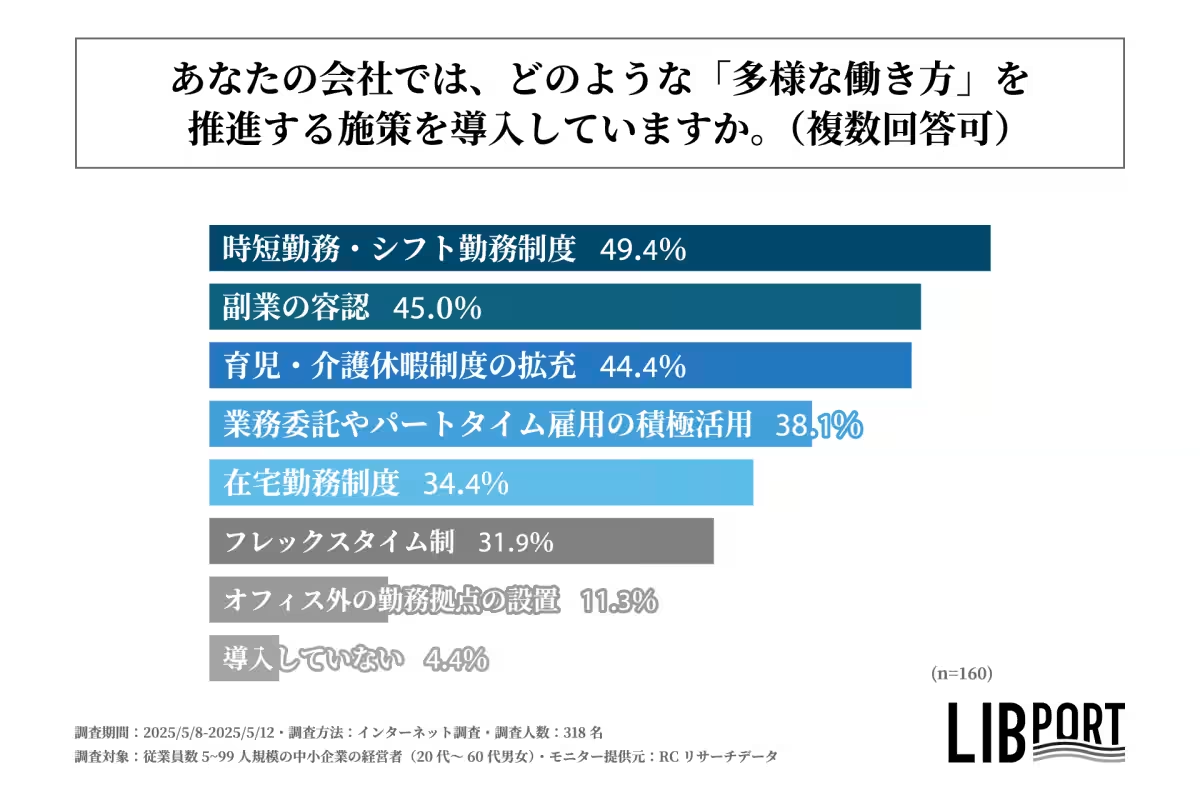
2. The most common initiatives adopted are:
- 1st: Shortened work hours and shift systems (49.4%)
- 2nd: Allowing side jobs (45.0%)
- 3rd: Expansion of parental leave and caregiving leave (44.4%)
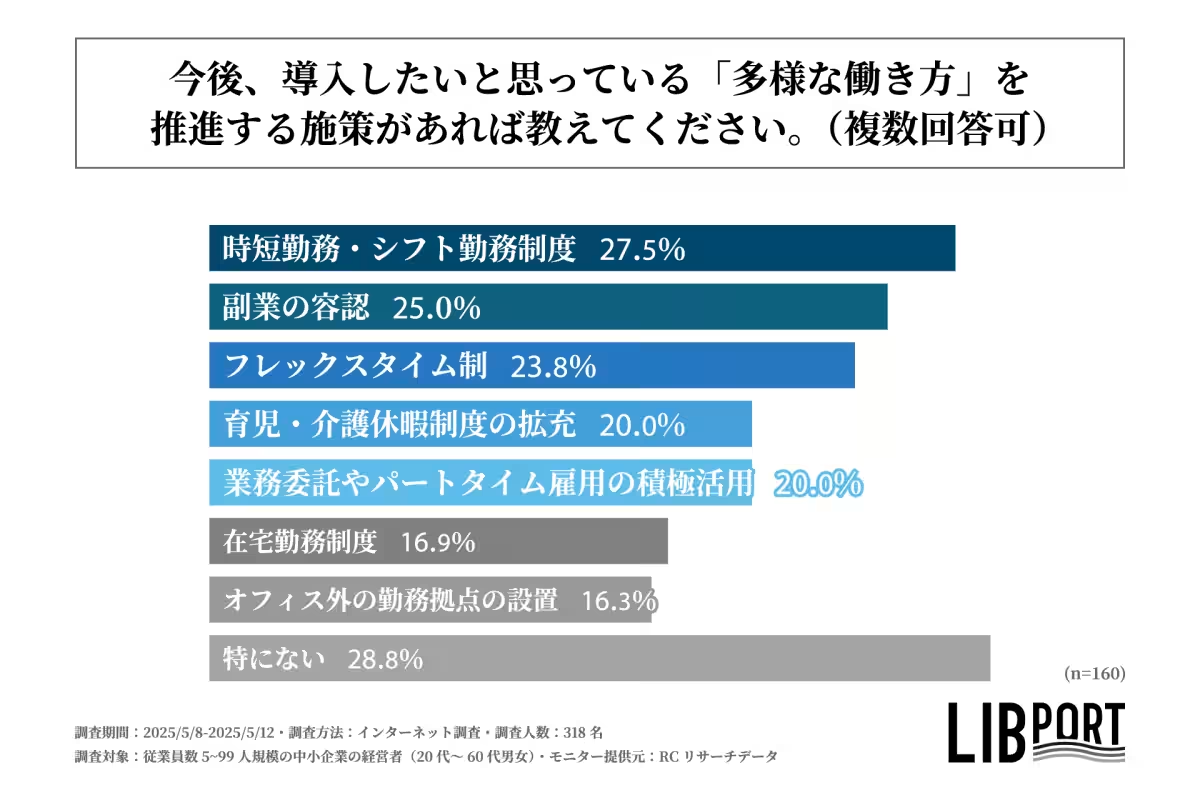
3. Looking ahead, many companies wish to expand initiatives that foster diverse work styles, especially in terms of:
- Shortened work hours and shift systems
- Acceptance of side jobs
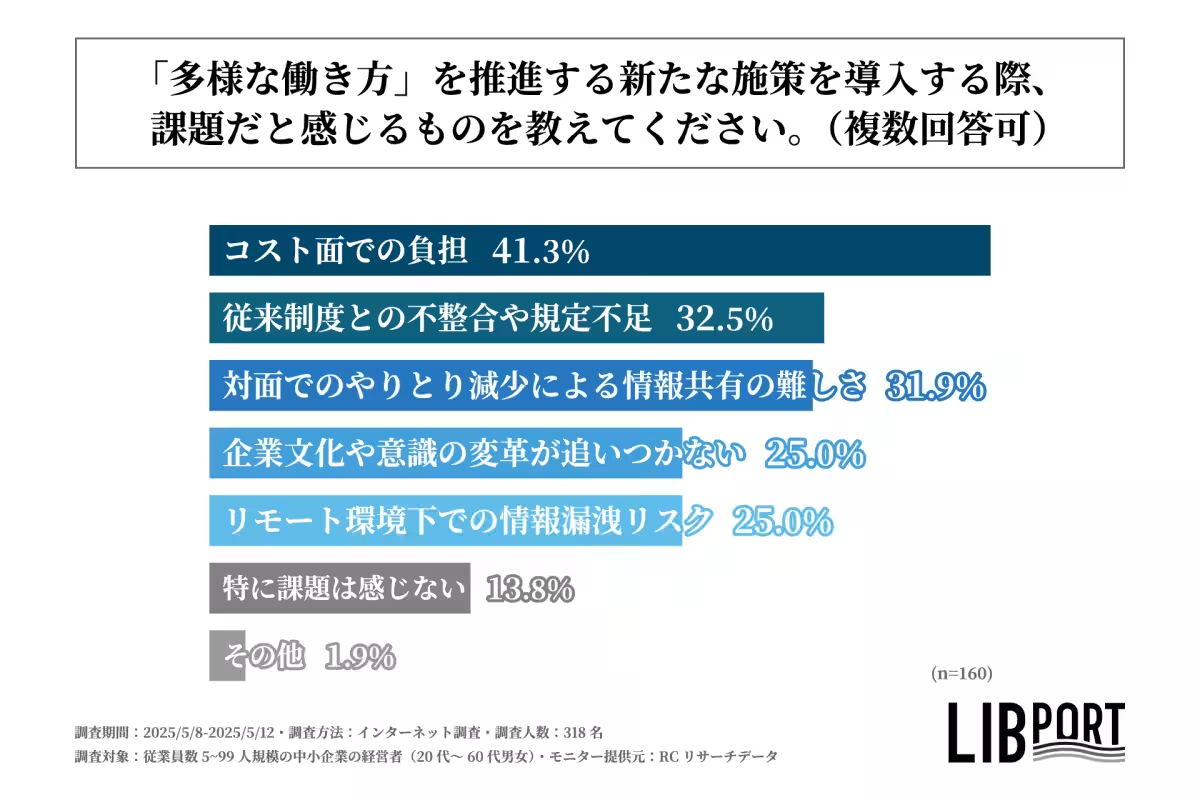
4. Key challenges linked to implementing new initiatives include:
- Financial burdens (41.3%)
- Inconsistencies with existing regulations (32.5%)
- Difficulty in information sharing due to reduced face-to-face interactions (31.9%)
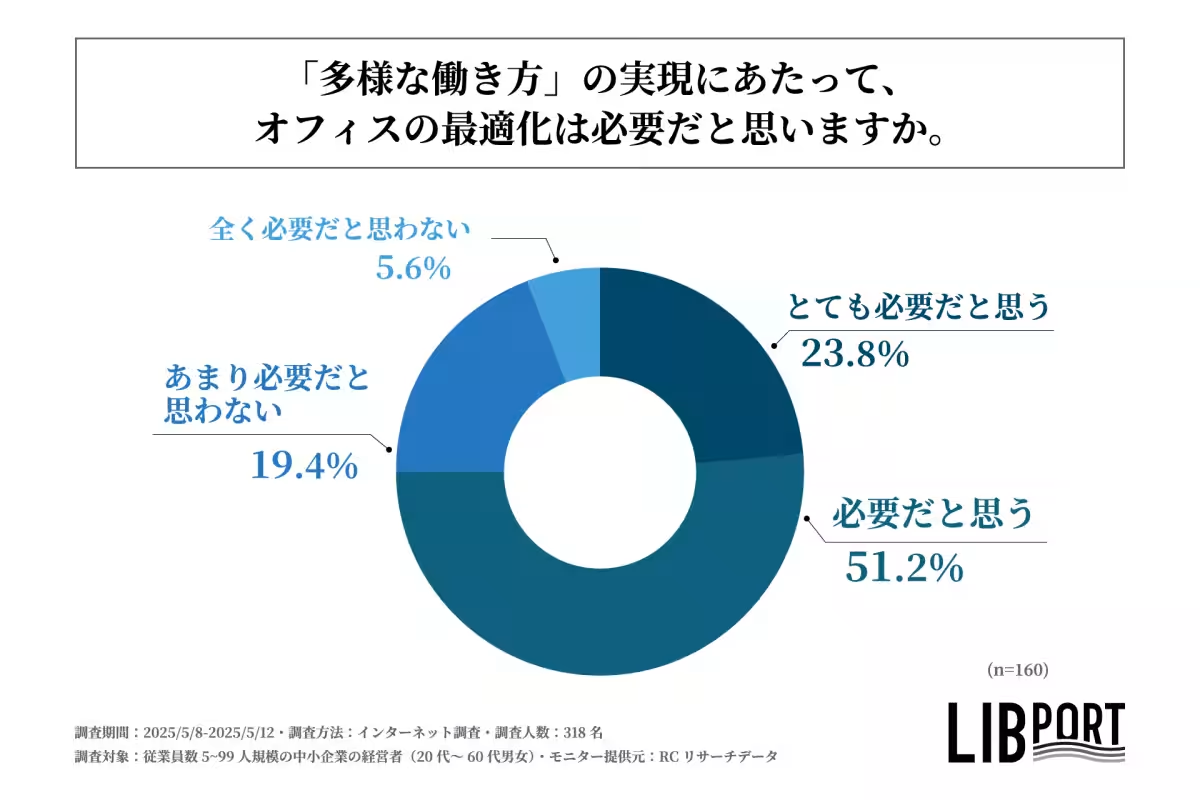
5. A significant 75% of SME executives believe that optimizing office spaces is essential for realizing diverse work styles.
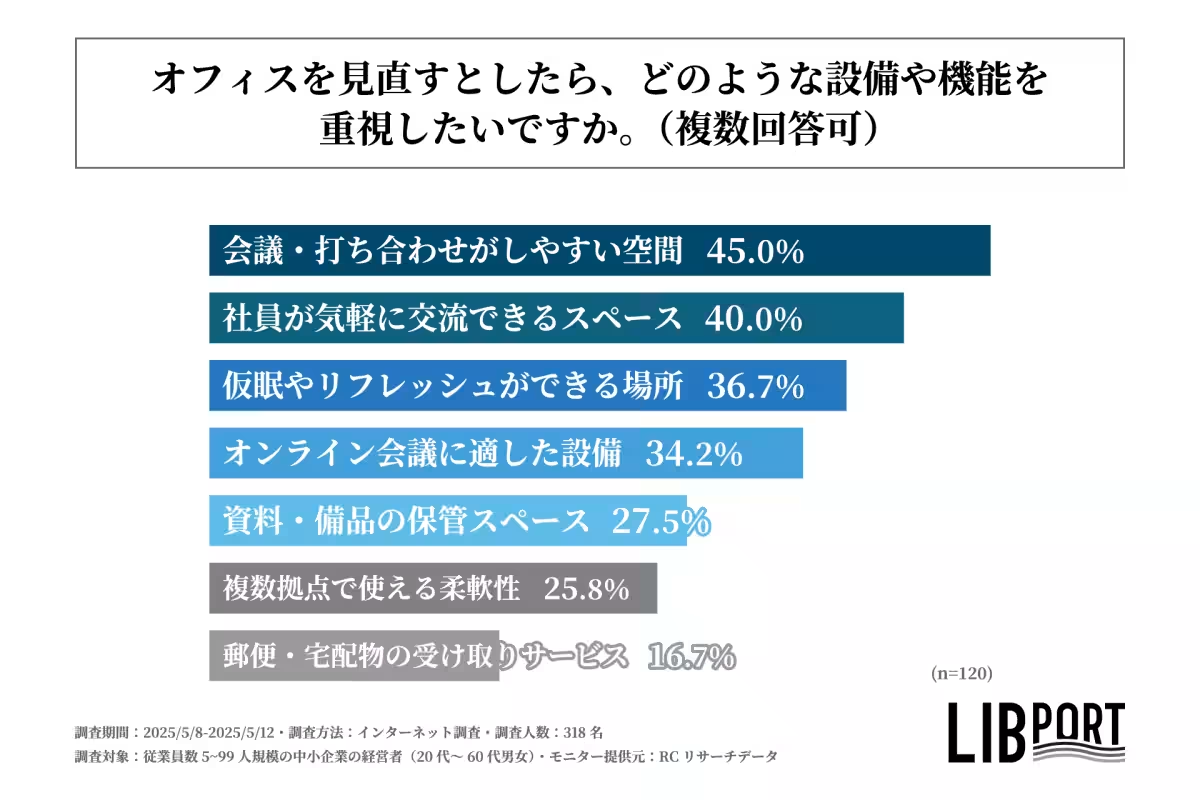
6. If re-evaluating office spaces, the top three desired features include:
- Spaces conducive to meetings and discussions (45.0%)
- Areas promoting casual interaction among employees (40.0%)
- Facilities enabling naps and relaxation (36.7%)
Survey Overview
- - Survey Period: May 8 to May 12, 2025
- - Method: Online survey
- - Participants: Executives from SMEs with 5 to 99 employees (aged 20 to 60 years, both males and females)
- - Number of Participants: 318 individuals
- - Data Provider: RC Research Data
The survey results reveal essential insights about SMEs adopting various measures to promote diverse work styles, illustrating a robust trend towards greater flexibility in the workplace.
Key Findings
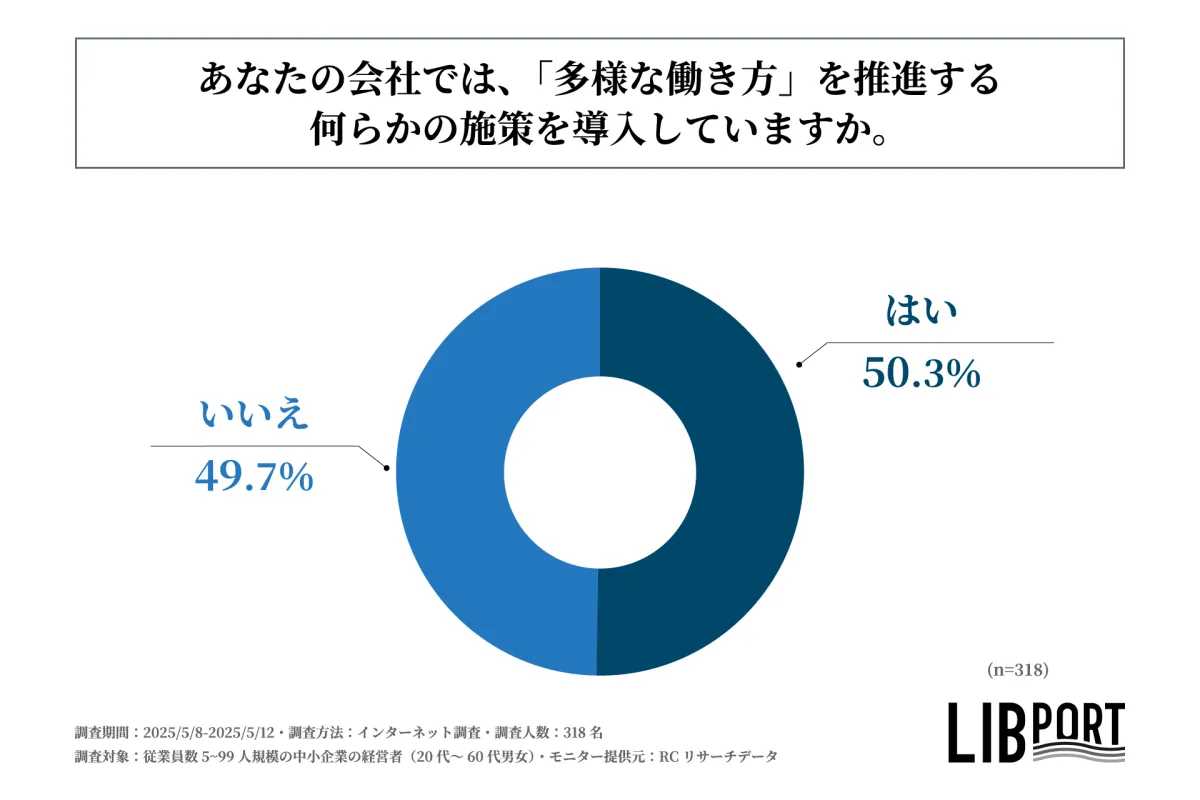
When participants were asked whether their company had adopted any measures to promote diverse work styles, 50.3% confirmed affirmative, with only 49.7% responding negatively. This indicates a growing acceptance and implementation of initiatives aimed at fostering diverse working practices within SMEs.
Among the various strategies adopted, shortened work hours and shift systems were most reported. Other initiatives, including permitting side jobs and expanding parental leave, also received significant attention, suggesting a shift toward flexibility and employee well-being in the workplace.
Future Aspirations
As companies look to the future, many executives indicated an interest in continuing to implement short working hours and side job allowances. Even though a percentage of companies remain undecided, the prevalent intention to enhance work flexibility is clear.
Challenges Ahead
However, the road to implementing these strategies is not without hurdles. Financial burden, regulatory inconsistencies, and challenges in maintaining effective communications are among the top concerns expressed by executives. Addressing these challenges will be crucial for SMEs aiming to develop a successful and flexible workplace culture.
Optimizing Office Spaces
Interestingly, 75% of business leaders involved in the survey emphasized the need for office optimization to achieve the desired diverse work style initiatives. If given a chance to amend office layouts, features that improve collaboration and casual engagement emerged as priorities.
Conclusion
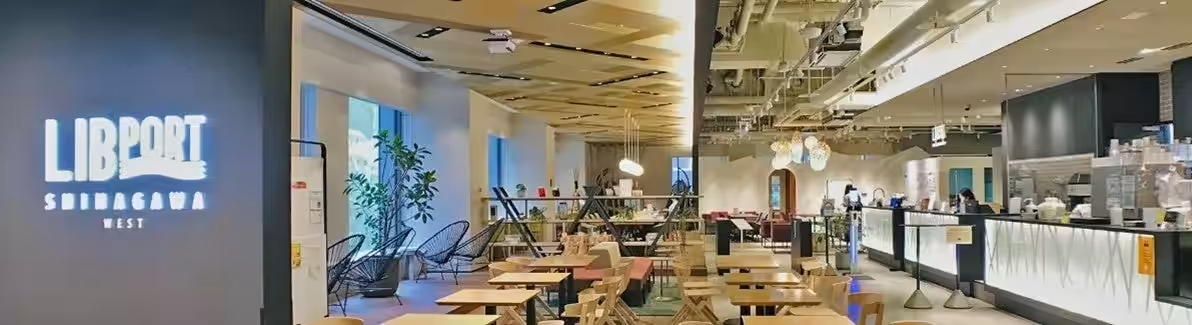
In summary, the survey highlights that diverse working style initiatives are seeing adoption within approximately half of SMEs, with significant interest to expand such measures further. The findings stress the importance of addressing common challenges and optimizing office environments to facilitate diverse work styles. With the growing need for flexibility, services like LIBPORT serve as a foundational space for businesses striving to enhance work culture while providing essential amenities that foster well-being. By creating environments prioritizing refreshing and relaxed working conditions, organizations can better support their workforce.
For more information about LIBPORT and their vision for workspaces that prioritize health, well-being, and productivity, visit their official website.

Topics Business Technology)









【About Using Articles】
You can freely use the title and article content by linking to the page where the article is posted.
※ Images cannot be used.
【About Links】
Links are free to use.