



Impact of Middle East Turmoil on Operational Costs for Commercial Facilities in Japan
Understanding the Impact of the Middle East Turmoil on Commercial Facilities' Operational Costs
In a comprehensive survey conducted by MMinternational, it has come to light that more than 55% of executives and managers in Japanese commercial facilities are facing significant increases in operational costs due to escalating tensions in the Middle East. This survey, targeting leaders aged between 20 to 60, reveals critical insights into the ongoing challenges faced by these establishments amid fluctuating geopolitical scenarios and historical currency depreciation.
Background of the Situation
As of 2026, Japan's business landscape remains precariously at risk due to the prolonged tensions in the Middle East and a persistent weakening of the yen. For commercial facilities, which must maintain vast spaces and extensive equipment, they are being particularly affected by a triad of challenges: rising utility costs, labor shortages driving up labor costs, and soaring prices of essential supplies and materials needed for daily operations. As consumer sentiment trends toward caution, it poses a profound challenge for facility operators to implement straightforward price increases to combat rising costs, as most of their tenant businesses are nearing their financial limits.
Therefore, MMinternational has taken the initiative to study the direct consequences of deteriorating Middle Eastern conditions on commercial facilities, hoping to unveil the extent of the disruption.
Survey Summary
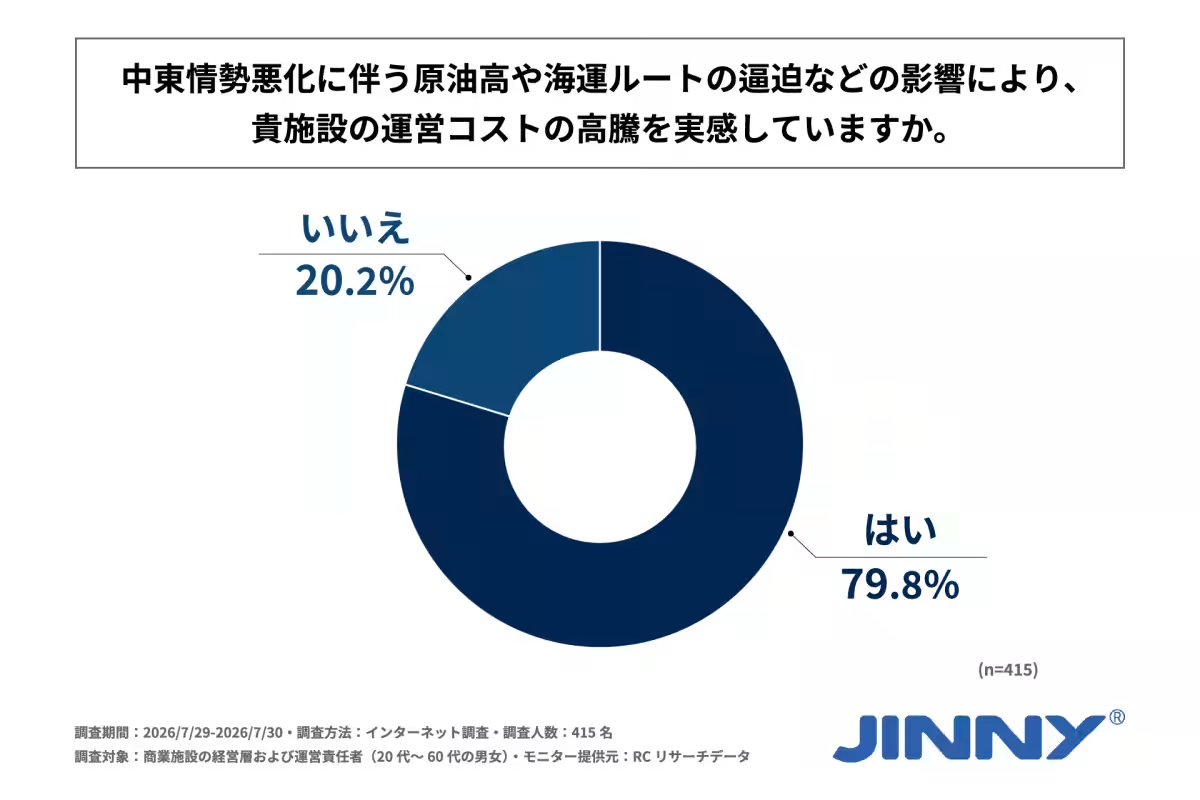
- - Approximately 80% of the executives and managers in commercial facilities report feeling the squeeze of rising operational costs due to worsening conditions in the Middle East.
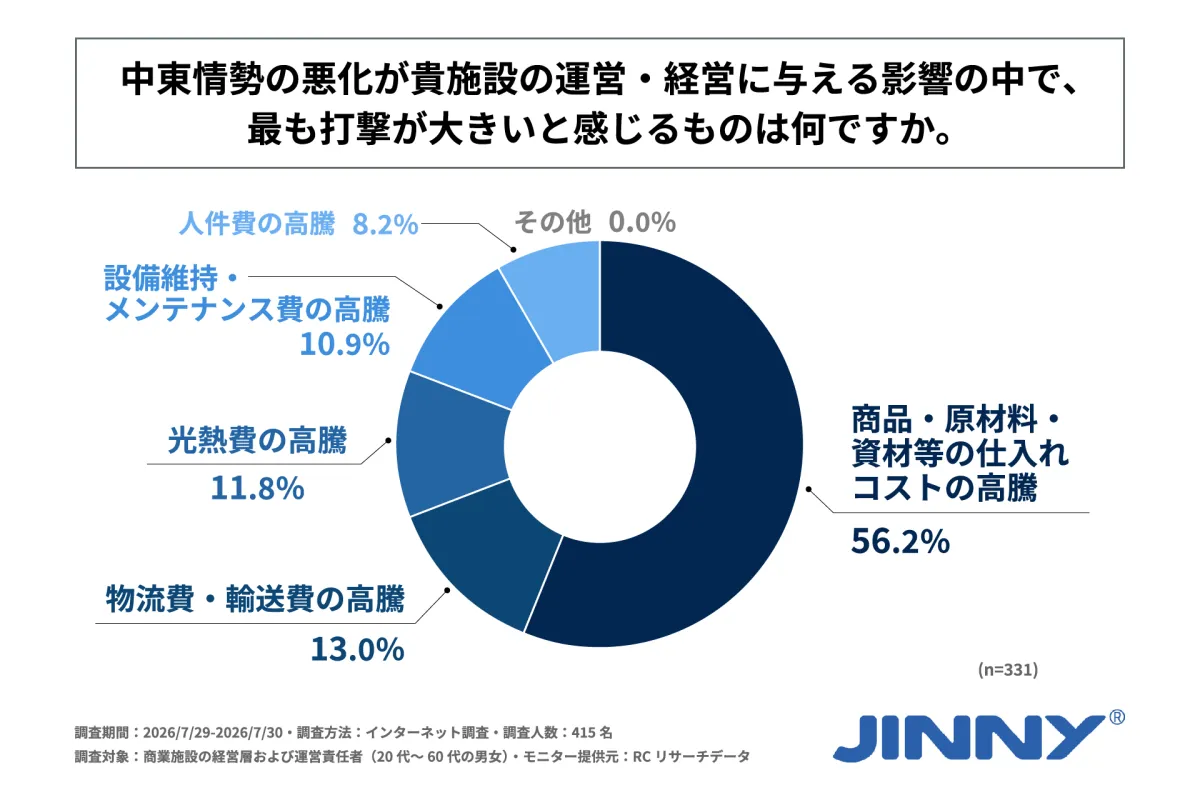
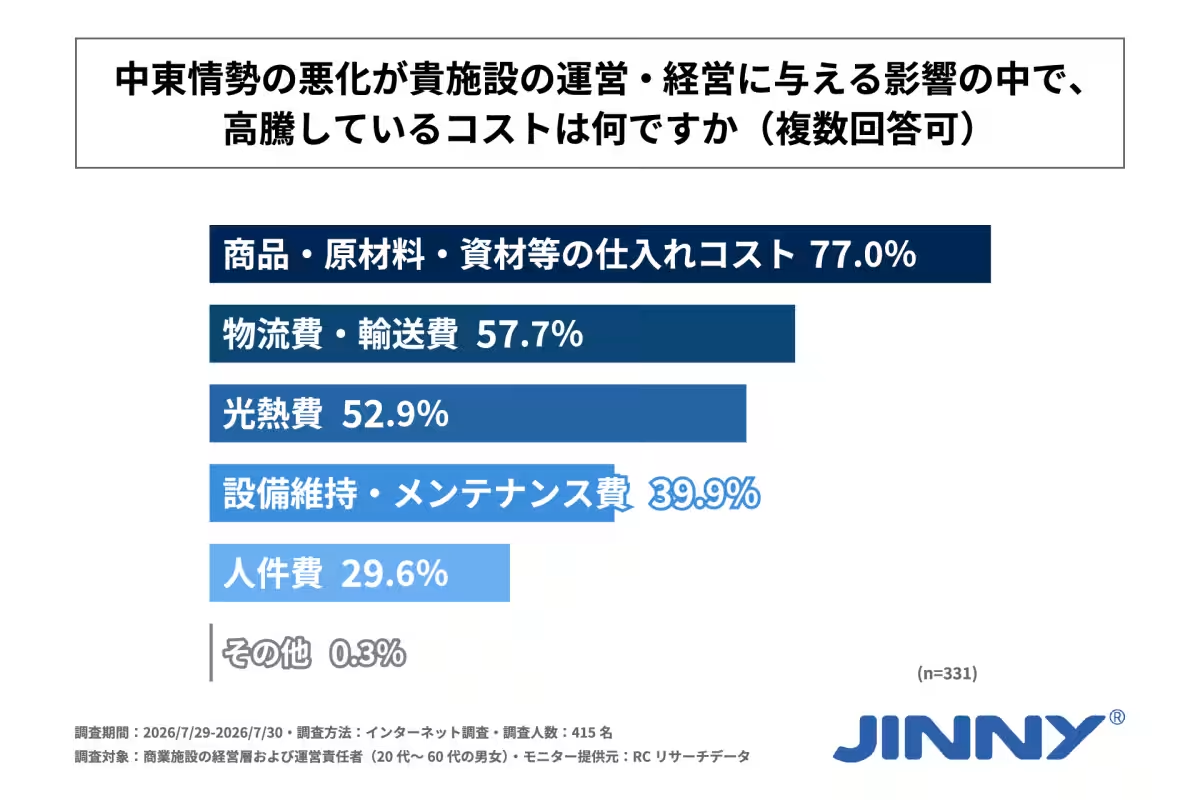
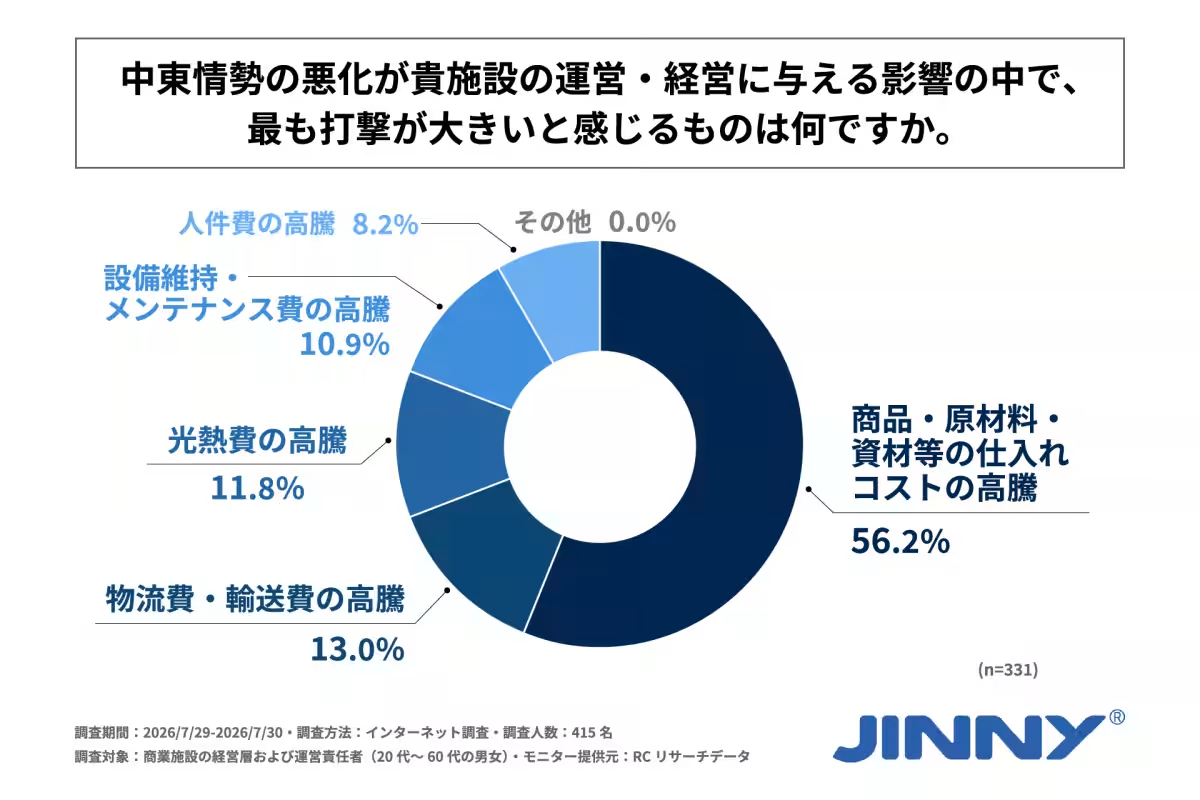
- - Among the climbing costs influenced by the situation, the top three issues identified are:
2. Logistics and Transportation Costs
3. Utility Costs
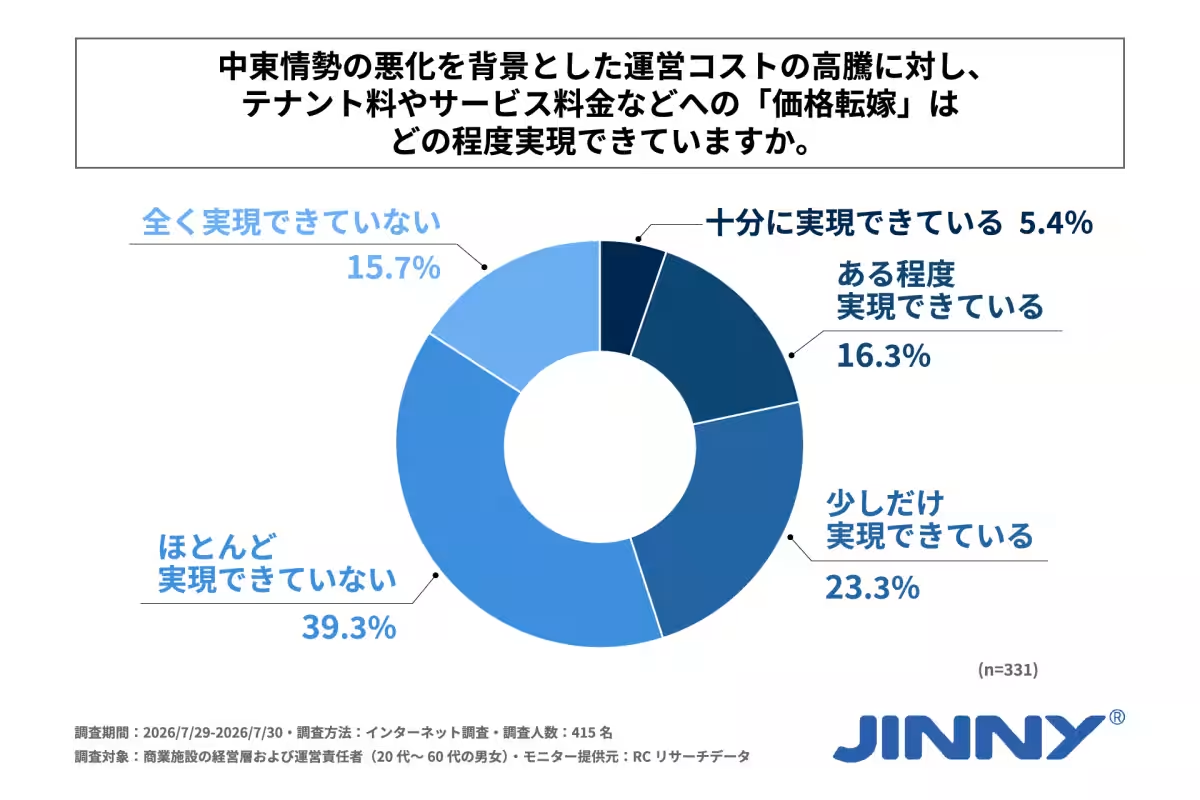
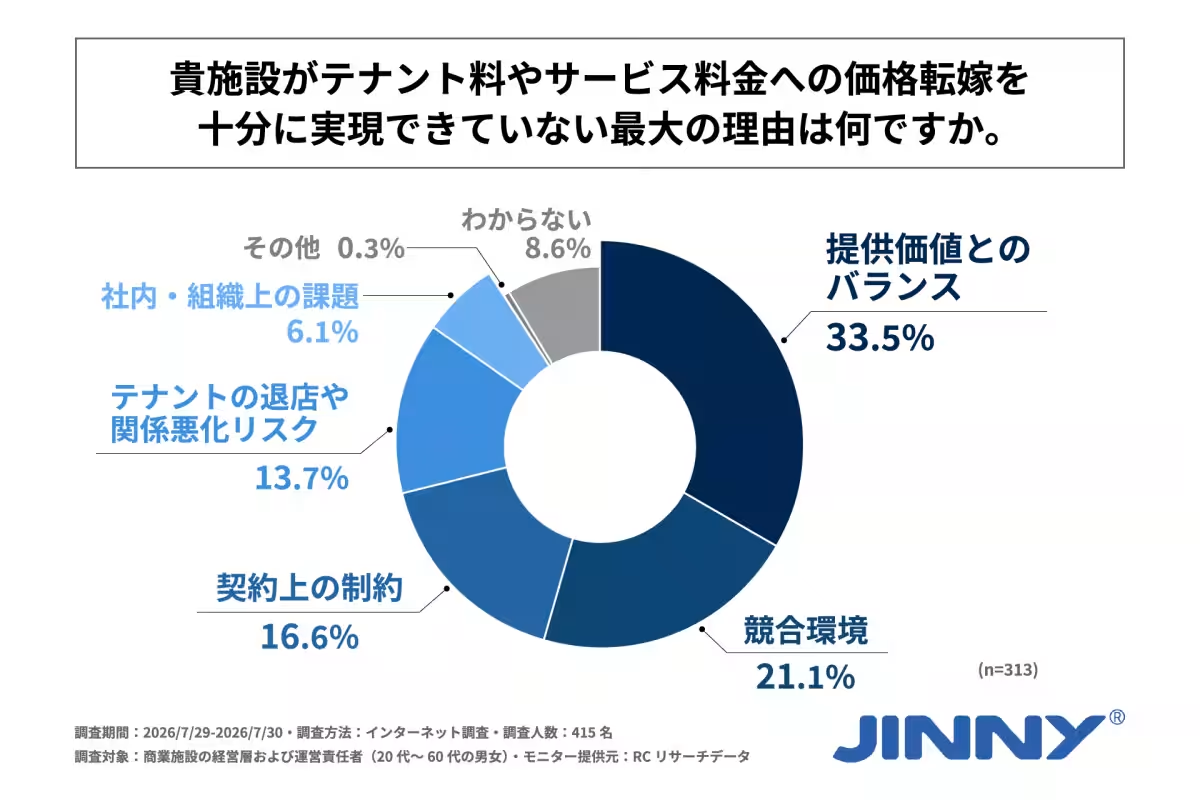
- - A staggering 95% of those feeling the impact indicate that they are unable to effectively pass on these cost increases to tenant fees or service charges, predominantly due to a mismatch in perceived value.
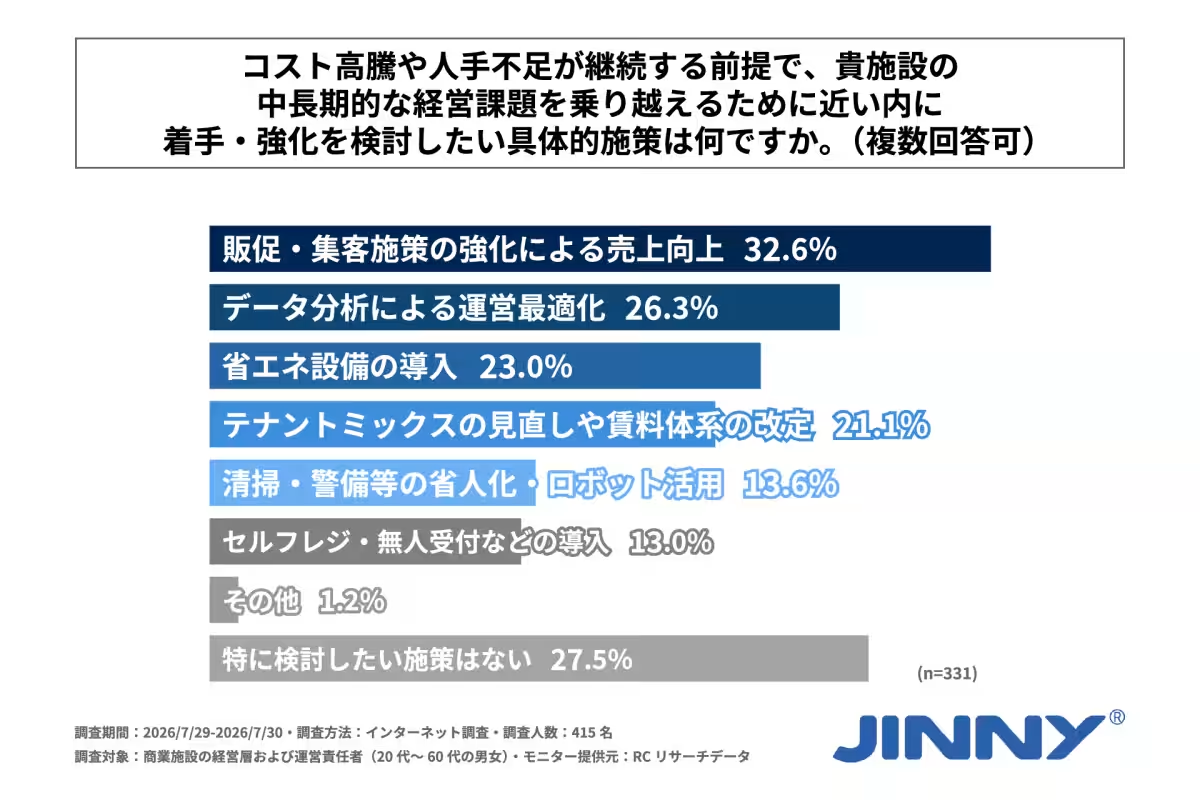
- - The executives have identified strategic areas where they would ideally like to strengthen or implement initiatives to tackle these challenges, listing:
2. Optimizing operations through data analysis.
3. Implementing energy-saving equipment.
Key Findings
Rising Operational Costs
The survey reveals that 79.8% agree that they are experiencing rising costs due to influencing factors, including soaring oil prices and tightened shipping routes linked to Middle Eastern tensions. Among the rising costs, product procurement stands out as the most severe, with 77.0% reporting this as their primary concern.
Challenges in Price Adjustment
The significant downside is that nearly 95% acknowledge that passing on these costs through rent or service pricing adjustments is falling short. The primary reason ? Balance with the value provided to tenants, coupled with existing competition in the market.
Future Strategies for Resilience
Looking forward, executives emphasized a need to refine their focus on promotions, leverage data for optimization, enhance sales strategies, and implement sustainable practices — notably energy-efficient equipment, to navigate the relentless rise in costs caused by geopolitical instability.
Conclusion
This investigation into the ongoing effects of Middle Eastern turmoil on operational costs has elucidated that a significant number of commercial facility leaders share the experience of rising expenses and face the compounding challenge of passing on these costs adequately to tenants. As of today, the overarching priority for effective response lies in ensuring initiatives that promote operational efficiencies.
To combat these pressing challenges, solutions like the Jinny20 robotic cleaner, developed by MMinternational, can facilitate operational efficiency, aiding businesses in redirecting their focus toward strategic growth initiatives amid this crisis. By reassessing labor deployment with enhanced robotic systems, these facilities can achieve cost reductions while positioning themselves for a sustainable future.



Topics Consumer Products & Retail)
【About Using Articles】
You can freely use the title and article content by linking to the page where the article is posted.
※ Images cannot be used.
【About Links】
Links are free to use.