



Early Career Job Market Trends for 2027 Graduates: Insights from Recent Survey
Early Job Market Trends for 2027 Graduates
As the landscape for job hunting evolves, a recent survey by CareerTasu sheds light on the shifting attitudes of students set to graduate in March 2027. Conducted from November 14 to 21, 2025, the survey engaged 1,010 university students, including first-year master's students from engineering disciplines, to gather their perceptions and experiences regarding early job hunting and internship participation.
Key Findings
1. Outlook on Job Market
Many students express apprehension regarding the acceleration of early job hunting processes. There is a notable fear about potential reductions in recruitment volumes as the job market becomes fiercely competitive.
2. Preferred Industries
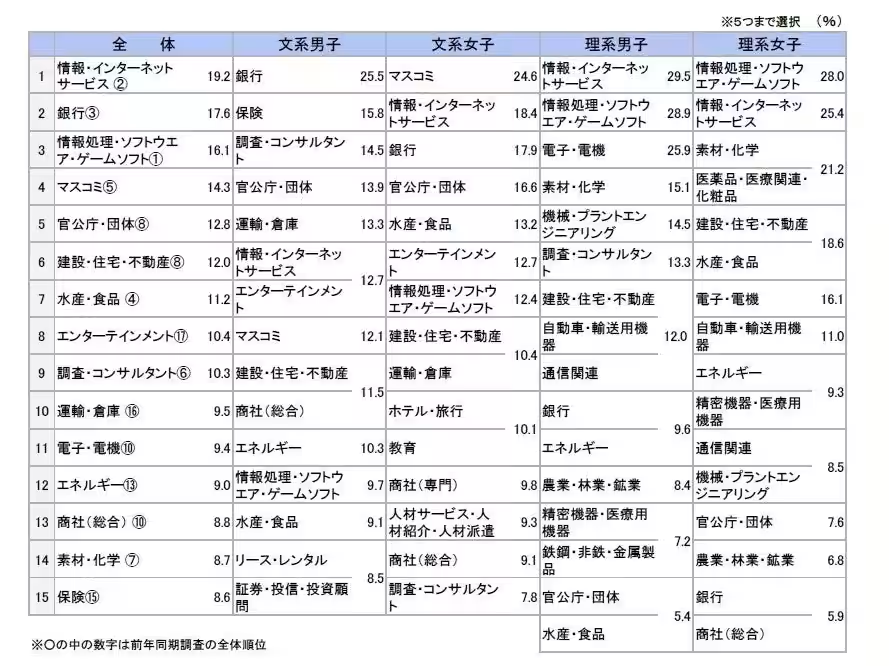
At the end of November, the leading preferences for industries among students were as follows:
- - 1st: Internet Services
- - 2nd: Banking
- - 3rd: Information Processing/Software
3. Most Useful Tools for Industry Research
Among the various resources for industry research, industry research events topped the list at 42.2%. Other notable sources included specialized sections on job information websites and social media platforms, closely following behind.
4. Criteria for Employer Selection
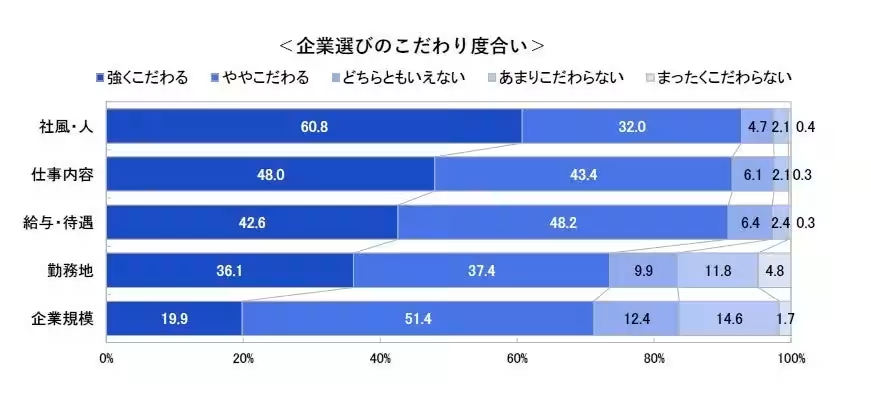
An overwhelming 90% of students indicated that they highly prioritize company culture, job responsibilities, and salary/benefits when choosing potential employers. This emphasizes the heightened importance of workplace satisfaction and compensation in influencing students' choices.
5. Focus on Company Size
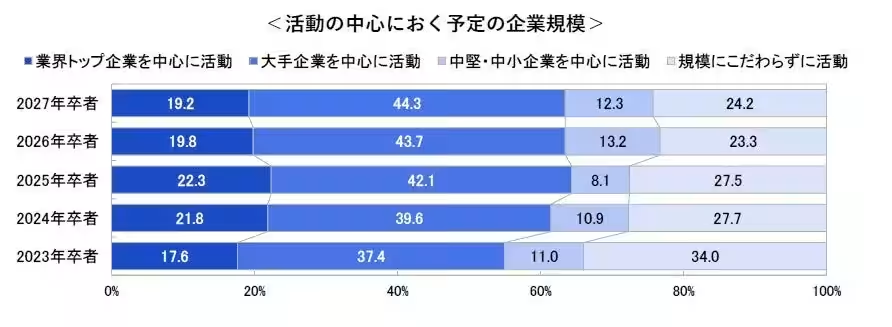
Regarding preferred company sizes, 19.2% of respondents prefer to target top industry firms, while 44.3% lean towards large corporations. The trend of aspiring to secure positions at major companies remains prevalent, with more than 60% of students exhibiting this inclination.
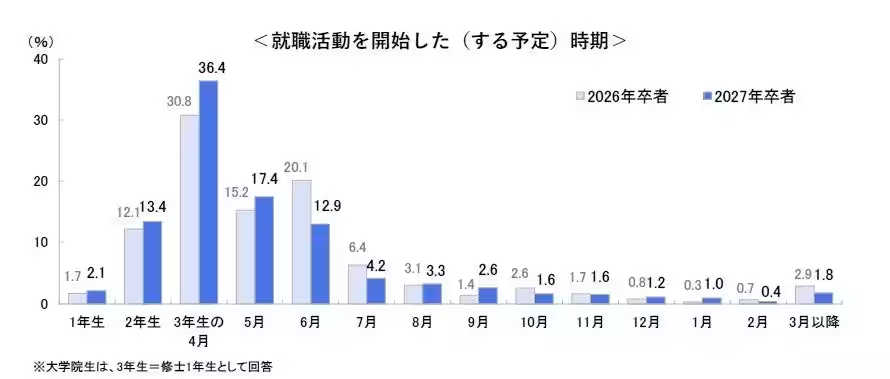
6. Beginning Job Search Activities
The concentration of students starting their job search in April of their third year has increased, with 36.4% planning to commence their hunt around this time. This early initiation reflects the evolving dynamics of job-seeking behaviors among students.
7. Internship Participation
The data on internship participation showed that, on average, students engaged with 7 companies for single-day programs. Meanwhile, they engaged with approximately 1.6 companies for five-day internships and just 1.1 for programs longer than two weeks.
8. Future Internship Intentions
The momentum for upcoming internships is significant, with 74.8% of students expressing intentions to participate. The majority desire to engage in internships during December and January, illustrating a proactive approach to gaining industry experience.
9. Current Employment Selection Process
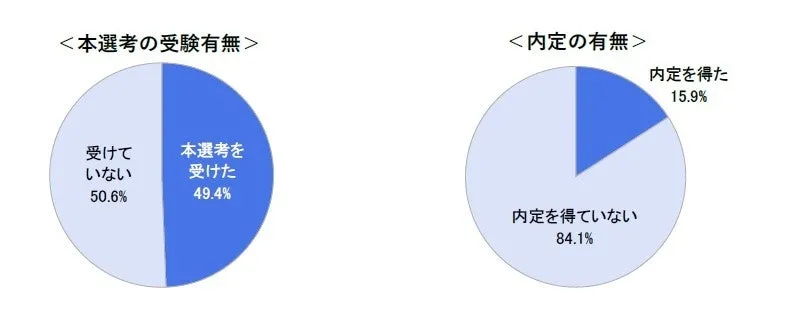
By late November, 49.4% of students had participated in job selection processes, averaging 3.2 applications. However, only 15.9% successfully received job offers at that point, indicating the competitiveness of the job market as students vie for limited positions.
10. Plans for Year-End Job Search Activities
Looking ahead to the remainder of the year, 70.9% of students expressed the desire to engage in early selection processes, while 53.5% aimed to participate in numerous internship opportunities. This focus on both early engagement and extensive experience reflects a keen understanding of the challenges they face and the strategy required to succeed.
Conclusion
The findings from CareerTasu's survey provide valuable insights into the mindset of the upcoming graduating class and their approach to navigating the job market. As students prepare to launch their careers, understanding these trends can help educational institutions and employers adapt to meet their needs effectively.
For further information, refer to the detailed report available at CareerTasu.

Topics Other)
【About Using Articles】
You can freely use the title and article content by linking to the page where the article is posted.
※ Images cannot be used.
【About Links】
Links are free to use.