



Japan's Minimum Wage Surge: A 1.93% Increase Highlighted in October 2025 Report
Analyzing Japan's Minimum Wage Surge and Recruitment Trends
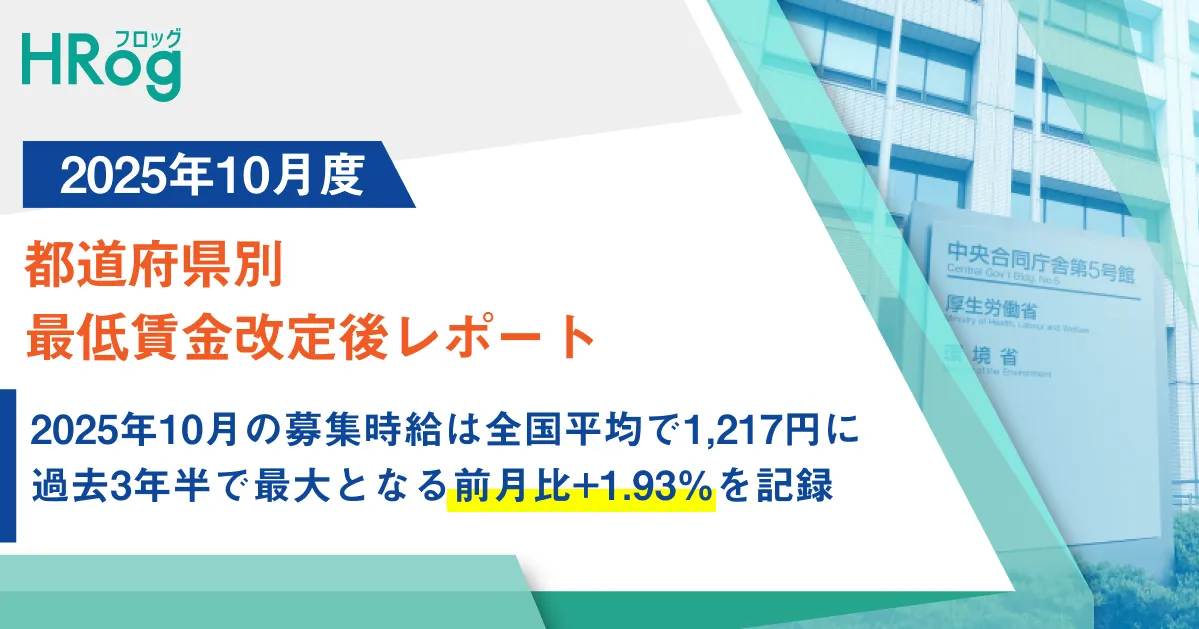
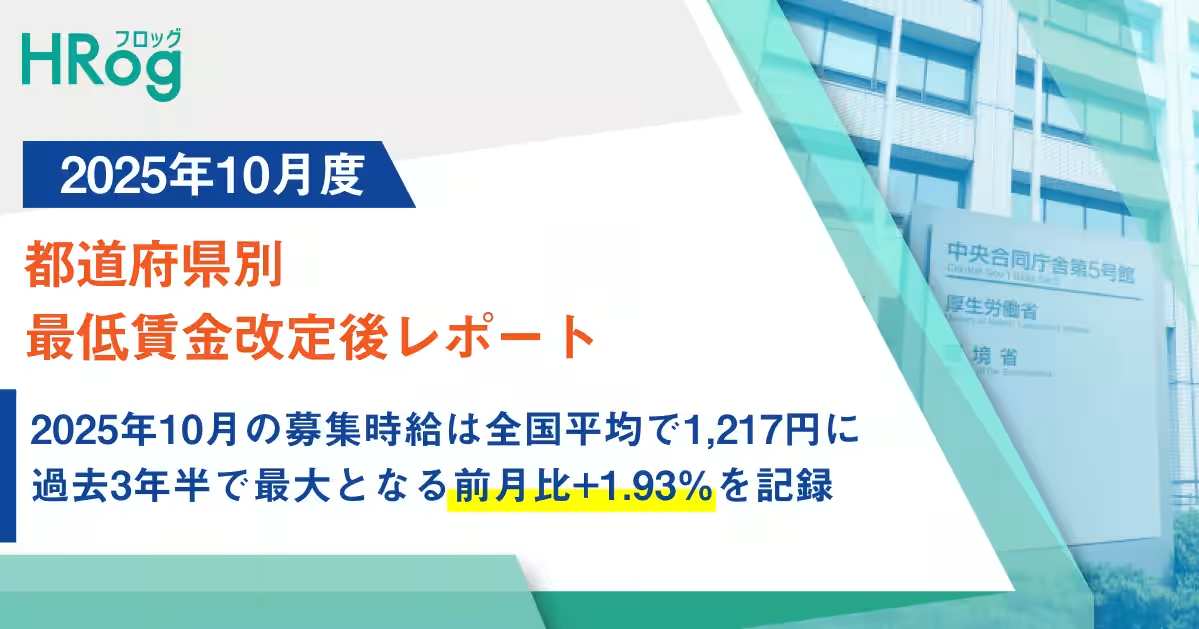
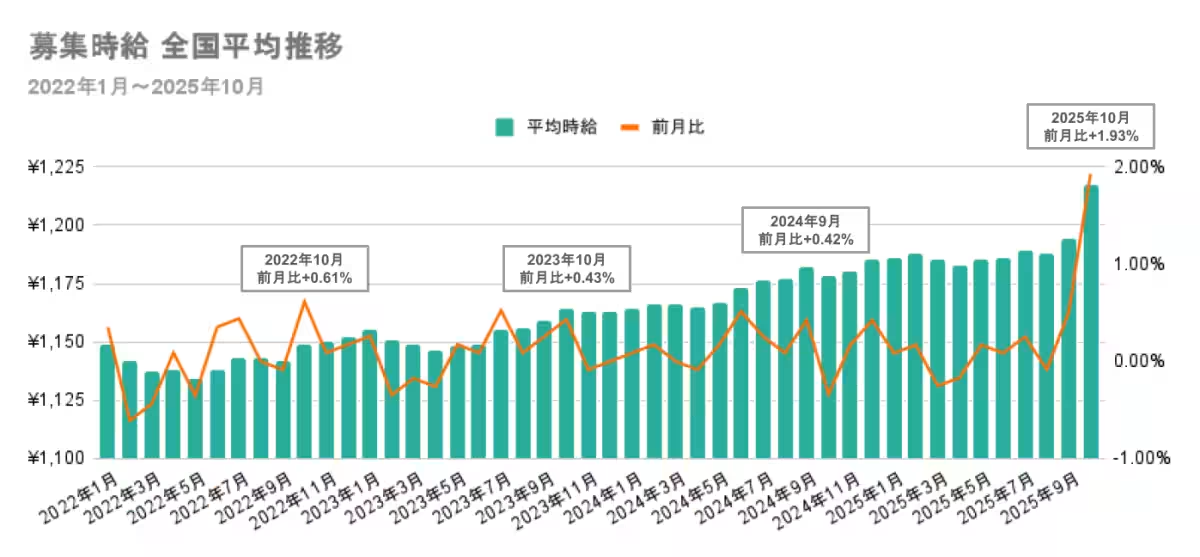
In October 2025, data from Frog Corp. revealed a noteworthy increase in Japan's average recruitment wages, reaching ¥1,217, marking a remarkable rise of 1.93% from the previous month, the highest increase in the last three and a half years. This surge in wages reflects the ongoing adjustments to minimum wages across the country, influenced by rising living costs and inflation. Let's delve deeper into this situation.
Overview of Minimum Wage Adjustments
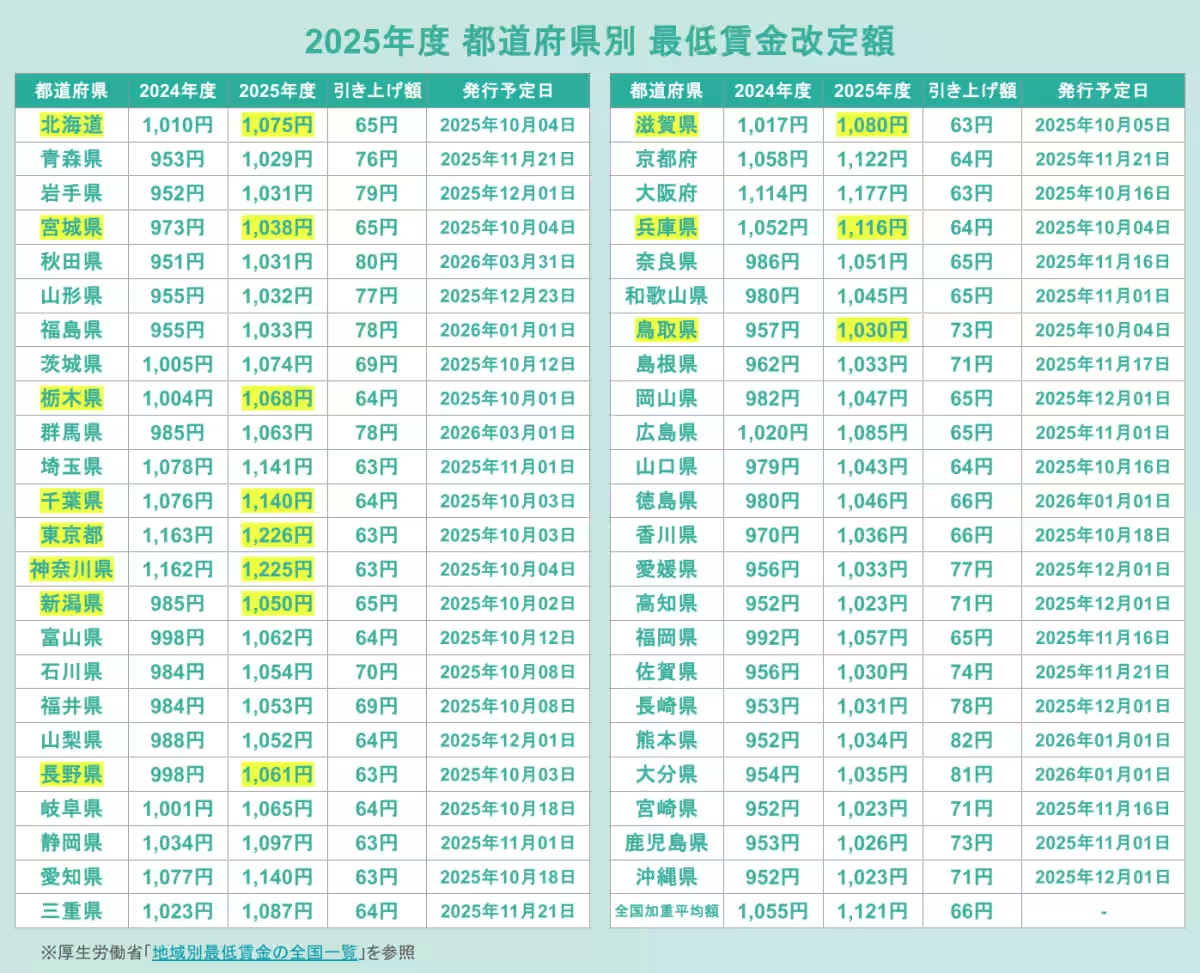
According to the Ministry of Health, Labour and Welfare, the minimum wage for the fiscal year 2025 saw an increase ranging between ¥63 to ¥82 across different prefectures. The national weighted average minimum wage now stands at ¥1,121, a significant jump from ¥1,055 in 2024, showcasing a growing momentum in wage increases. This wave of rising wages is not without implications for recruitment sites as employers adjust to the new regulatory environment.
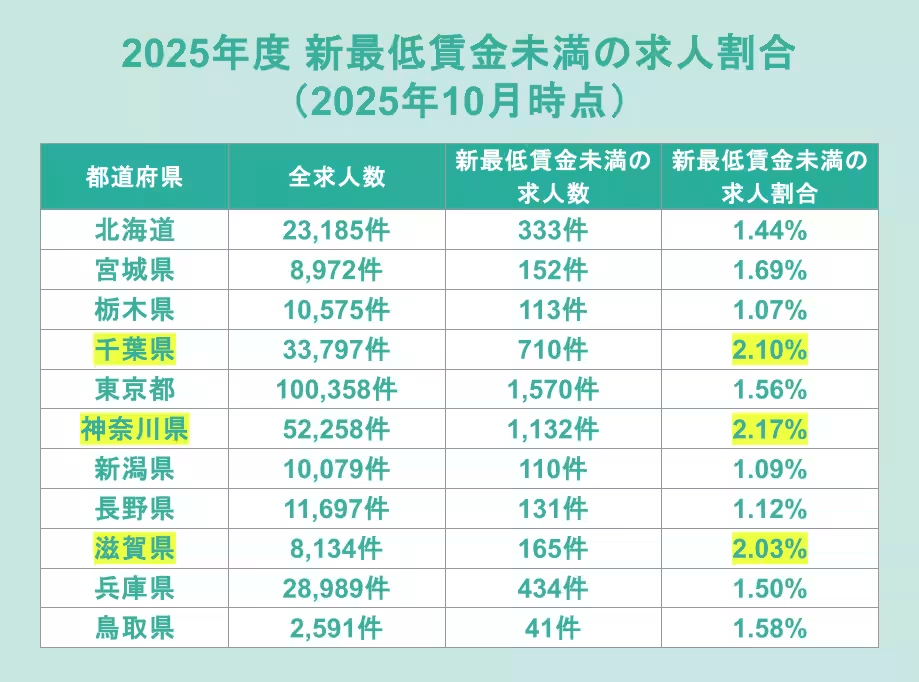
Despite the increase, a small percentage of job listings still offer remuneration below the minimum wage. Our analysis indicates that about 1-2% of job offers still fall short of the new benchmark, with areas like Chiba, Kanagawa, and Shiga witnessing rates exceeding 2%. Some listings even noted plans to adjust wages in accordance with the new minimum standards, suggesting a need for immediate revisions in the face of shifting legislative requirements.
Nationwide Average Recruitment Wage Trends
Between September and October of 2025, the average wage offered on recruitment platforms rose from ¥1,194 to ¥1,217, with a notable 1.93% increase or ¥23. Historically, wage adjustments around the October minimum wage revisions had hovered around a 0.5% increase in previous years. However, this year's increase comes in stark contrast, nearly doubling the typical hike, and setting a new trend for upcoming recruitments.
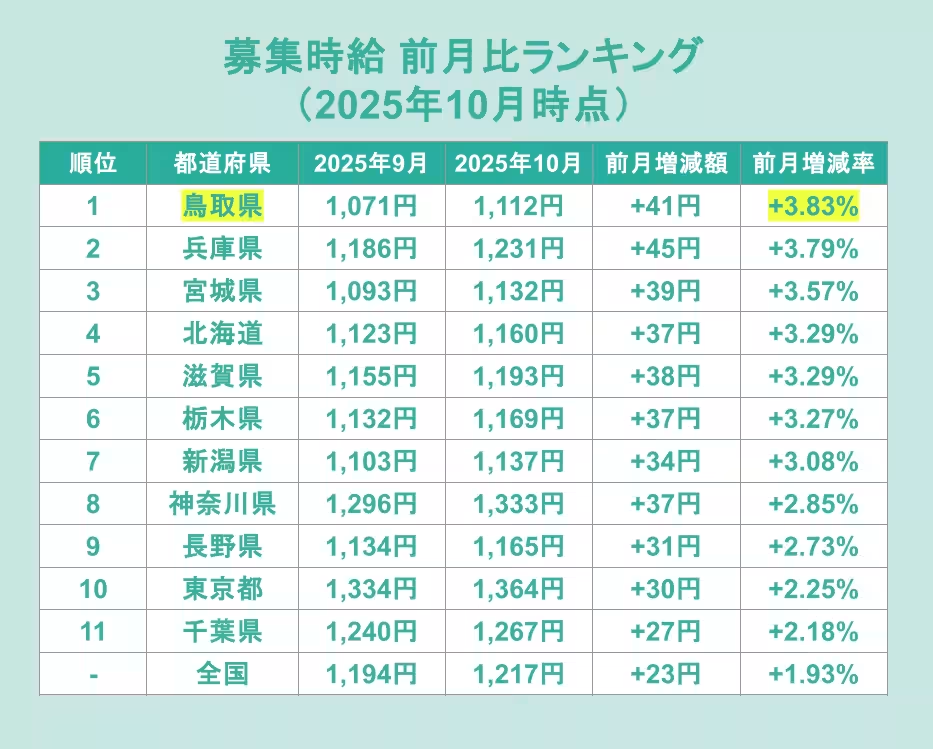
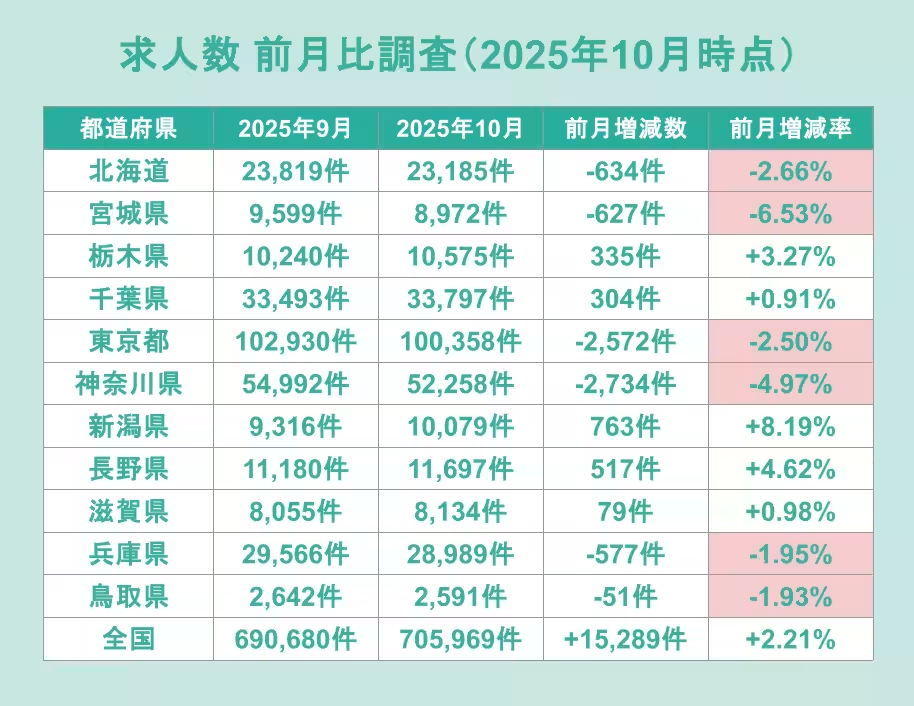
State-specific insights reveal that Tottori, Hyogo, and Miyagi Prefectures demonstrated substantial growth in recruitment wages, with increases of 3.83%, 3.79%, and 3.57% respectively. On the other hand, Miyagi Prefecture faced a 6% drop in job postings, possibly reflecting the impact of increased wage burdens on hiring practices.
Minimum Wage Adjustments Analysis
The rise in minimum wages has become increasingly robust over the years, with an average increase of ¥66 for the fiscal year 2025 compared to the previous year. All prefectures have now surpassed the ¥1,000 minimum threshold, a significant milestone for Japan’s labor landscape. Furthermore, municipalities are striving to provide small and medium-sized enterprises with the necessary time to adjust their wage structures accordingly.
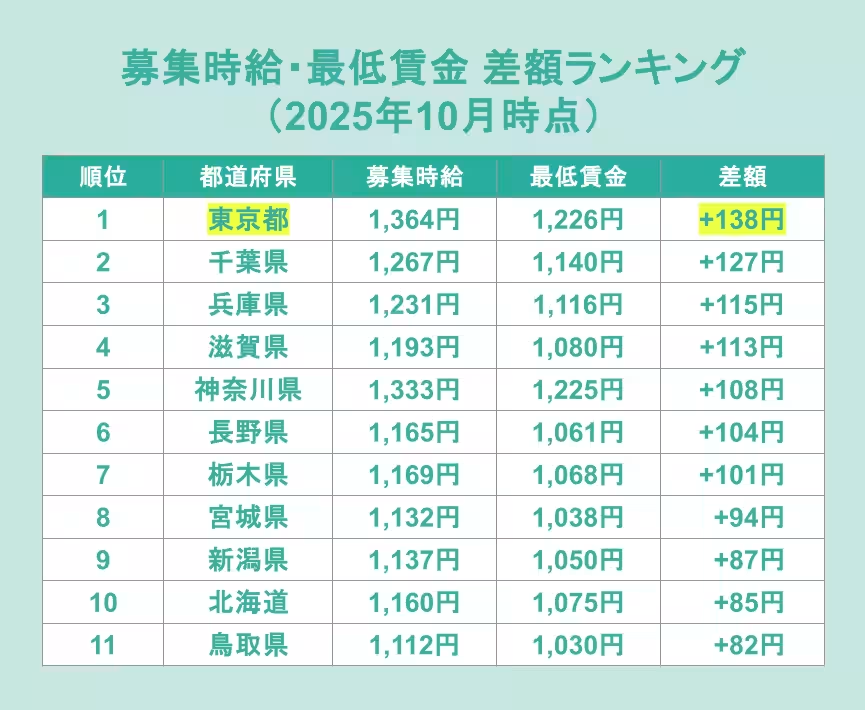
Our investigation into the prevalence of minimum wage non-compliant job postings brings light to a pressing concern. Job offers below the new minimum wage are still emerging in various prefectures, compelling a deeper look at how employers are responding to these changes and what this means for job seekers. Notably, prefectures with higher minimum wages are also witnessing higher recruitment wages, enhancing employability factors across urban areas.
Conclusion and Future Implications
In summary, an analysis of Frog Corp.'s recruitment data indicates ongoing growth in Japan's minimum wage and significant shifts in the employment landscape. The wave of wage increases presents both challenges and opportunities for employers as they navigate legislative requirements while aiming to attract and retain talent.
Looking ahead, consistent reviews of job listings and adaptation of compensation packages will arise as critical steps for companies to maintain compliance with evolving minimum wage laws. With recruitment trends shifting and showing resilience in higher wages, stakeholders in the job market must respond proactively to foster sustainable employment practices.
For employers, an agile approach towards these changes alongside a focus on productivity enhancement will be vital. Through the utilization of big data in recruitment, organizations can gain real-time insights into labor market conditions, aiding their strategic decision-making processes in hiring.
We encourage businesses to leverage this data as they navigate the fast-evolving employment landscape in Japan.
Topics Consumer Products & Retail)
【About Using Articles】
You can freely use the title and article content by linking to the page where the article is posted.
※ Images cannot be used.
【About Links】
Links are free to use.