




Major Gap Between Personal Performance and Company Evaluation Results Uncovered in Recent Survey
Discrepancies in Performance Evaluations Unveiled
In a recent survey conducted by the research institution under Persol Career, known as Job Soken, 731 anonymous working adults shared their thoughts through a platform called Job weeQ. This survey aimed at collecting real insights regarding dissatisfaction and anxiety among workers.
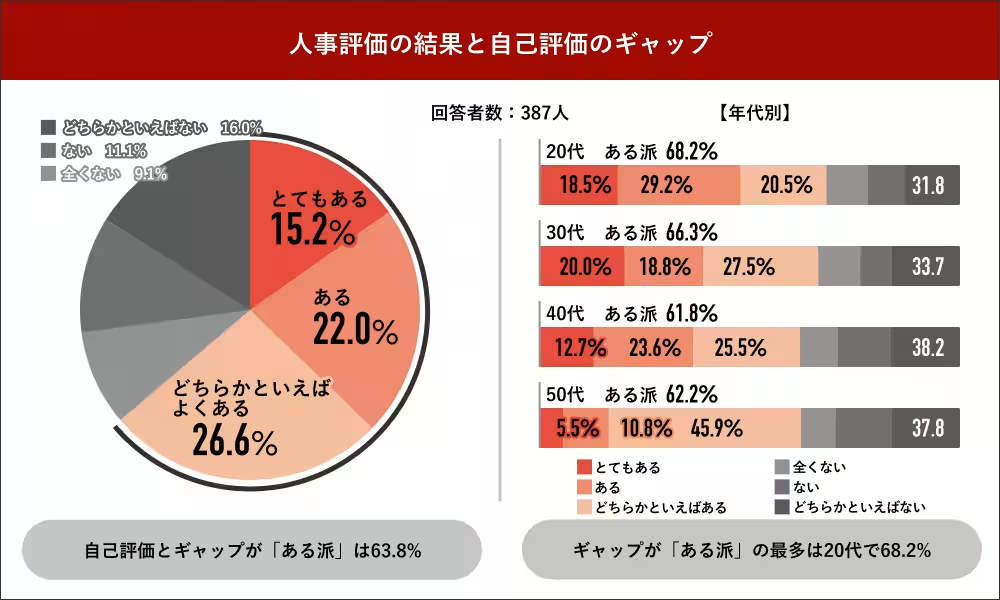
The results revealed several troubling findings, particularly concerning performance evaluations and their impact on salaries. Notably, 63.8% of respondents felt there was a gap between their self-evaluation and the evaluation they received, with this sentiment much stronger among younger workers, particularly those in their 20s where the percentage reached 68.2%.
Dissatisfaction Levels
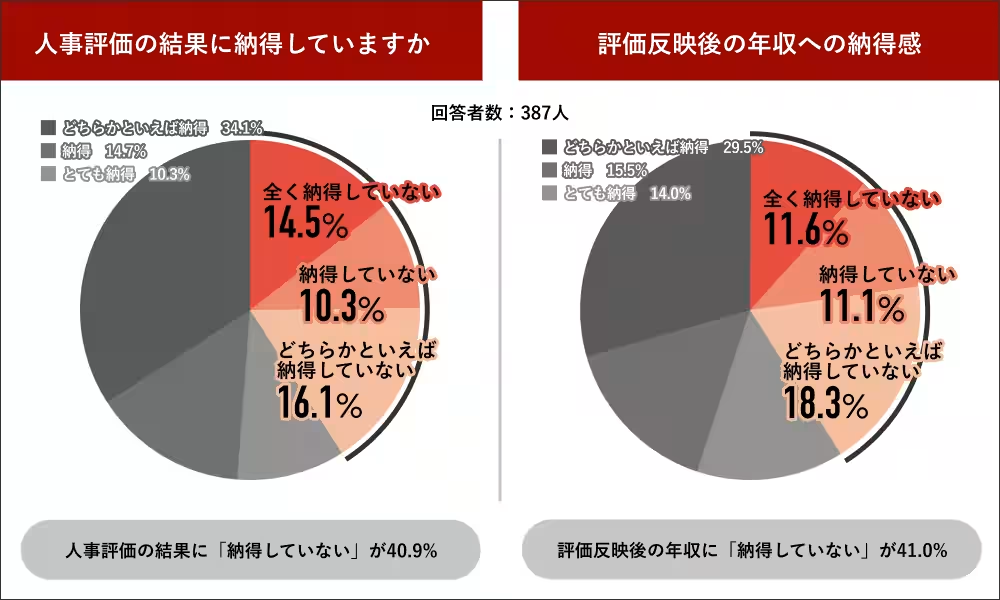
The survey disclosed that 40.9% of participants expressed dissatisfaction with their evaluation results, and a similar percentage (41.0%) were not satisfied with the salary adjustments following the evaluations. Many respondents articulated frustration with evaluation processes that seemed heavily reliant on personal biases of their superiors, leading to perceptions of unfairness.
Key Findings
1. Performance Evaluation Gap: Among the respondents who noted a gap in evaluations, many expressed that they felt compelled to 'promote themselves' to avoid underappreciation. This reliance on self-promotion raised concerns about the fairness and transparency of the evaluation system.
2. Salary Dissatisfaction: Respondents reported that the transition from performance evaluation to salary adjustments seemed poorly executed. Even after receiving feedback post-evaluation, many found it did little to boost their contentment regarding their assessment outcomes.
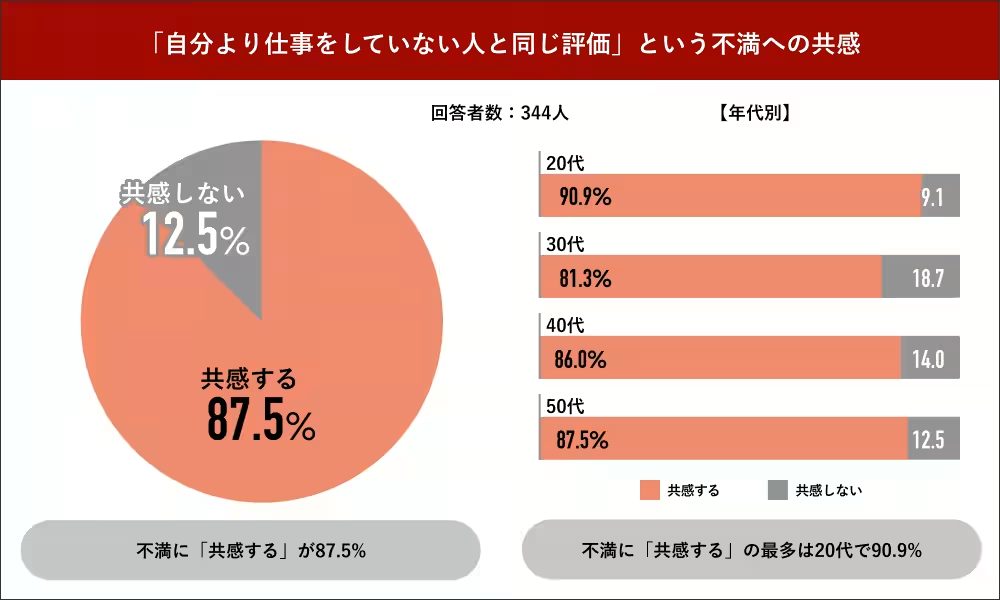
3. Widespread Frustration: A staggering 87.5% of individuals echoed sentiments of unfairness when compared to peers whom they believed contributed less. Particularly in younger demographics, nearly 90.9% resonated with the idea that they received the same evaluation as less productive colleagues.
Common Themes of Frustration
- ---
- - Many comments reflected on the ineffectiveness of a comparative evaluation system that does not account for varying task difficulties, pressure, and team dynamics.
- - Others elaborated how there was a lack of recognition for achievements when compared with colleagues who carried lighter workloads or those who seemed to simply please management.
Survey Insights
The Job weeQ survey illuminated a crucial issue: the disconnect between employees' perceived contributions versus the evaluations they receive can create a psychological toll. Among the feedback gathered, many expressed feelings of diminishing motivation, attributing it to the apparent futility of exerting effort when it felt unrewarded.
The survey also brought to light the necessity for more transparent and impartial evaluation frameworks that don’t solely rely on subjective opinions but include measurable contributions to performance.
The Old Guard of Evaluation Practices
The results highlight a distressing adherence to outdated evaluation practices, like seniority-based assessments and team-wide ratings that fail to accurately reflect individual contributions. Employees are yearning for modern practices that honor individual achievements and efforts—practices that are fairer and more inclusive.
Conclusion
The findings from Job weeQ underscore a pressing need for businesses to rethink their performance evaluation frameworks. In a competitive job market where top talent is critical, the establishment of fair assessment methods could not only enhance employee satisfaction but also foster a more motivated workforce. Ultimately, creating a culture where individual contributions are acknowledged could lead to higher retention rates and improved organizational productivity, as employees feel valued and understood.

Topics Business Technology)
【About Using Articles】
You can freely use the title and article content by linking to the page where the article is posted.
※ Images cannot be used.
【About Links】
Links are free to use.