


Understanding the Low Awareness Yet High Demand for Recycled Tile Carpets in Japan
Low Awareness of Tile Carpets Yet High Demand for Recycling in Japan
A recent survey conducted by the Japan Recycle Carpet Association revealed a striking contrast between the low recognition of recycled tile carpets and the high public support for their adoption. On the eve of Carpet Day in Japan, which falls on November 1, the association surveyed 1,000 residents aged 20 to 60 in Tokyo, Osaka, and Aichi about their awareness and opinions regarding recycled tile carpets.
Survey Highlights
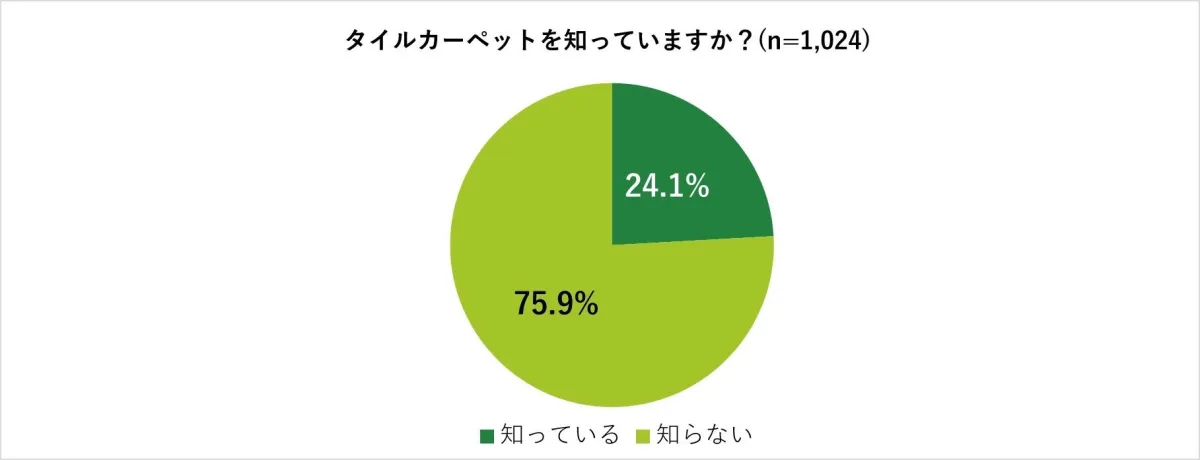
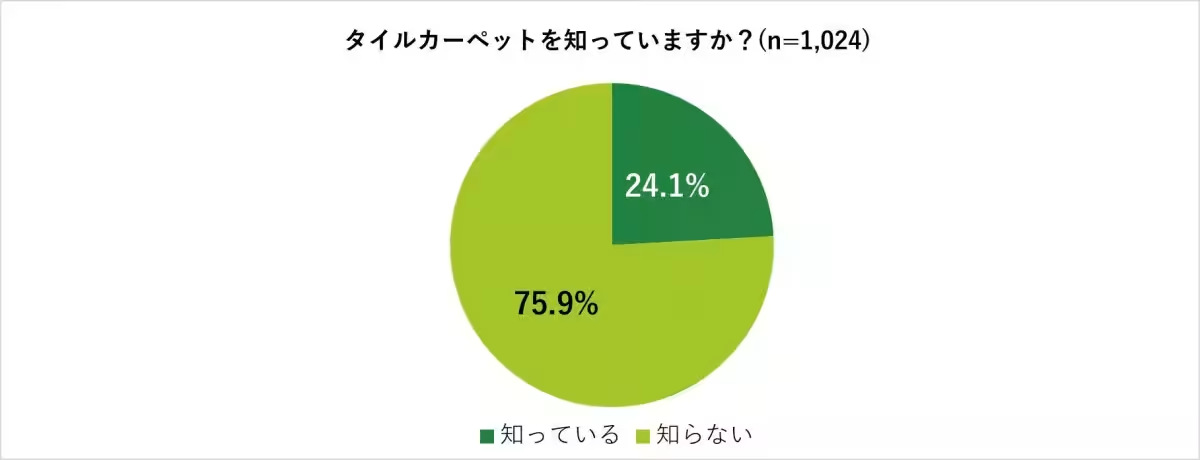
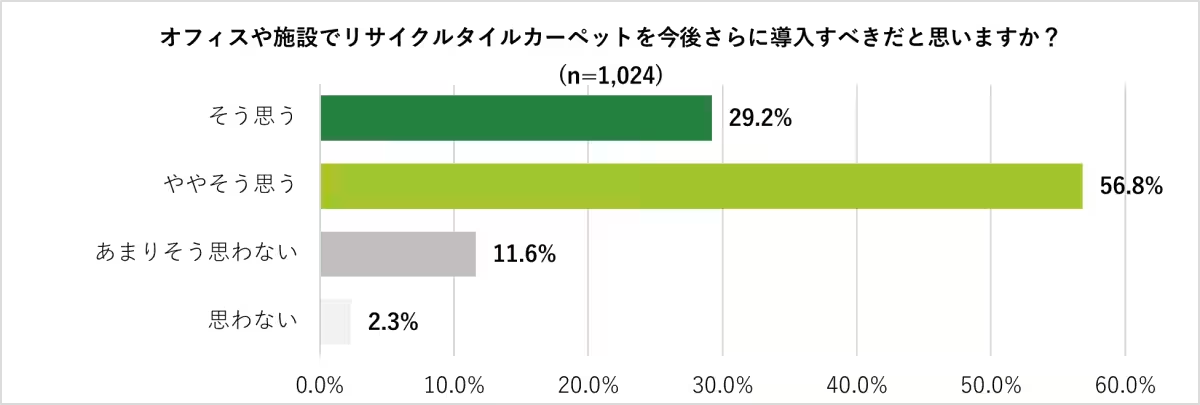
The survey disclosed that a mere 24% of respondents are familiar with the term “tile carpet.” Despite this, an overwhelming 87% expressed support for the increased use of recycled tile carpets in offices and public facilities. This gap highlights the lack of public knowledge contrasted with societal expectations for eco-friendly flooring solutions.
Tile carpets, which are square carpets measuring 50cm by 50cm commonly used in offices and other facilities, have been recycled since approximately 20 years ago. Participating companies in the Japan Recycle Carpet Association have collectively recycled about 60 million square meters (approximately 300,000 tons) of these carpets, showcasing the potential of sustainable practices in flooring.
Key Findings
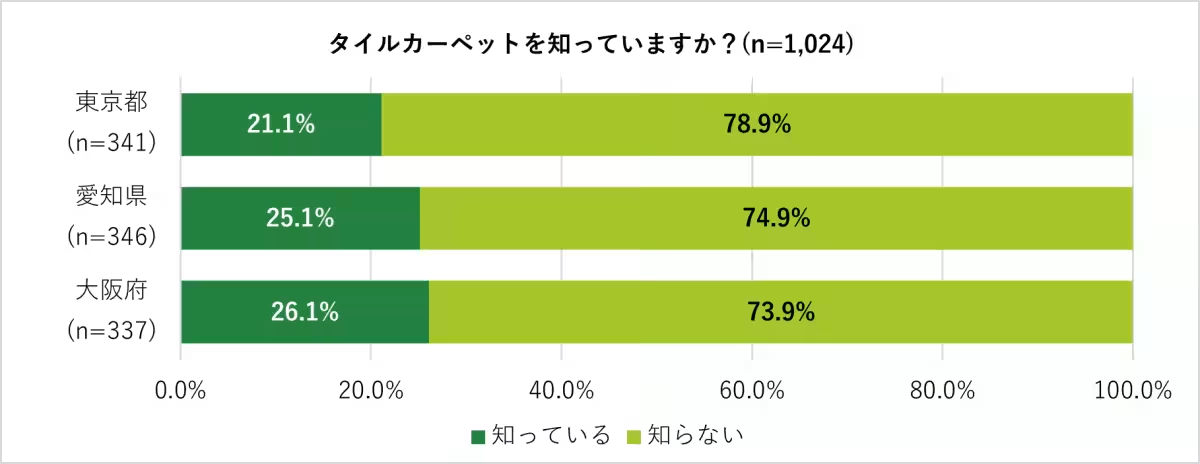
1. 24.1% Awareness: Only 24.1% of respondents knew about tile carpets. Even in regions where their use is prevalent, such as Tokyo, Osaka, and Aichi, awareness levels remained below 30%. This indicates that while tile carpets are widely used underneath our feet, they are often overlooked in public consciousness.
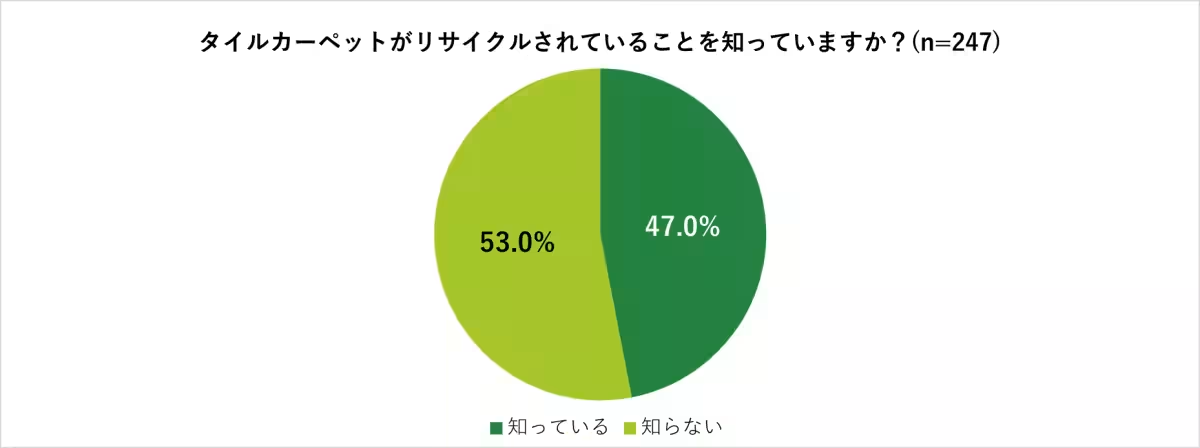
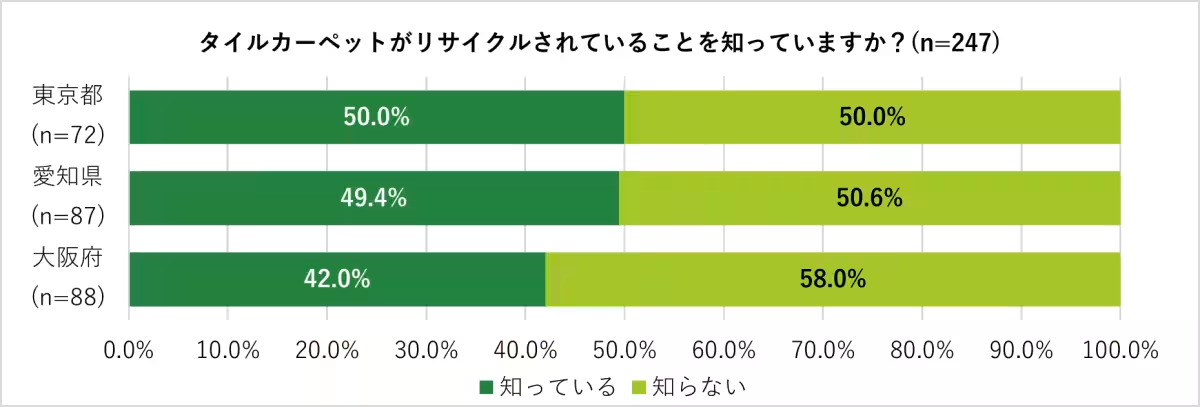
2. Knowledge of Recycling: Of those familiar with tile carpets, approximately 50% knew about their recycling. The awareness of this recycling initiative is gradually spreading among those connected to the industry, though it remains limited in the general population.
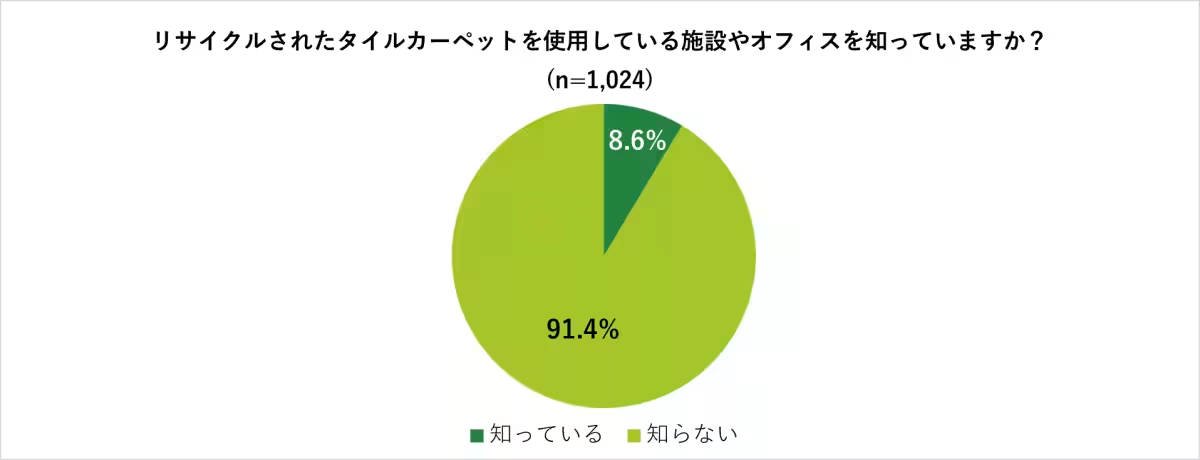
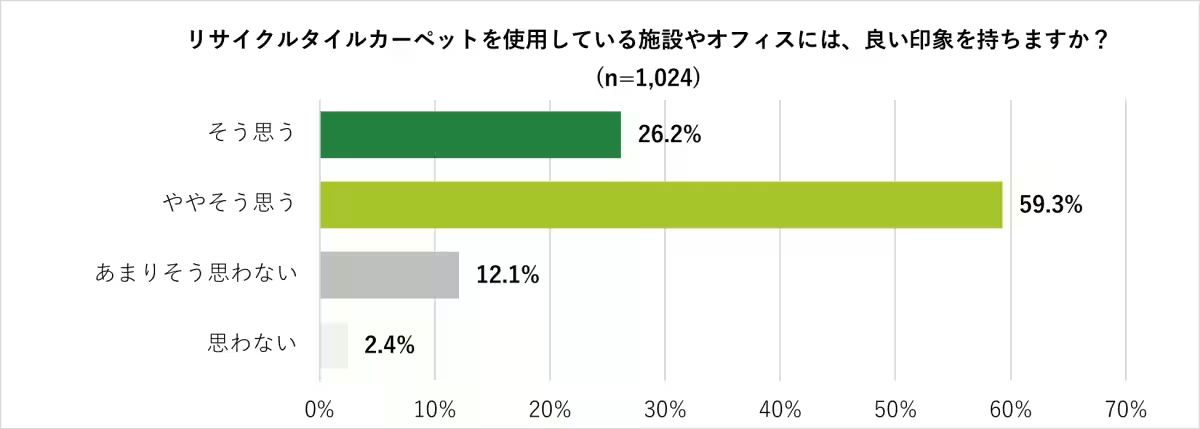
3. Impressions of Facilities: Notably, around 90% of those surveyed were unaware of where recycled tile carpets were in use, yet over 80% had a positive impression of facilities using them. This suggests that once made aware of the sustainable practices, individuals can appreciate the value of recycled products.
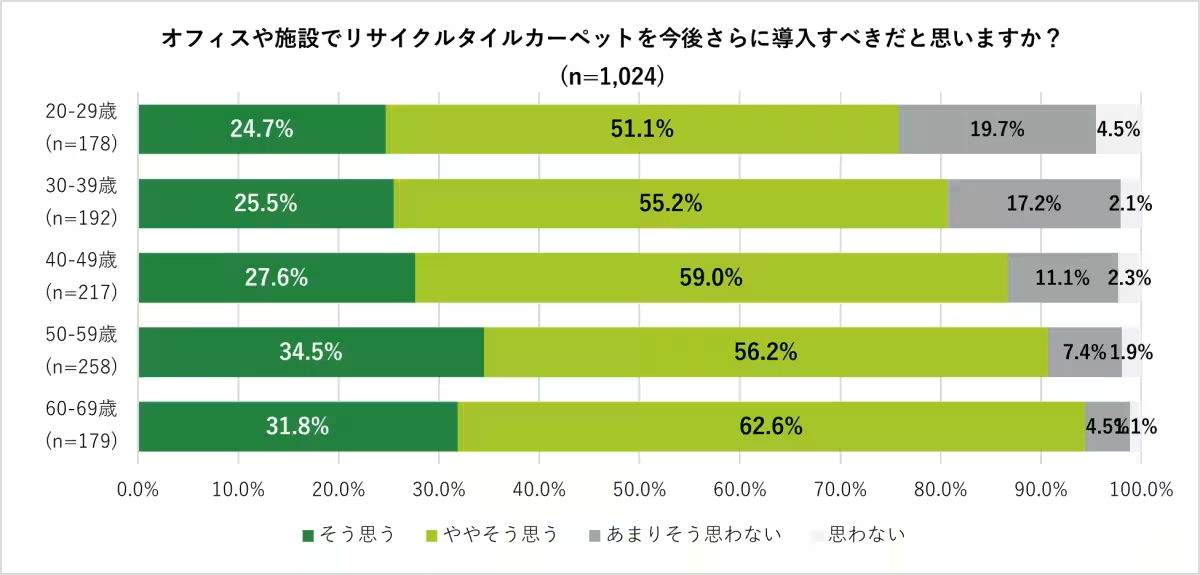
4. Support for Future Adoption: An impressive 86% of participants believe that recycled tile carpets should be more widely adopted in offices and public spaces. This sentiment crosses age groups, with over 90% of respondents aged 50 and above advocating for this initiative.
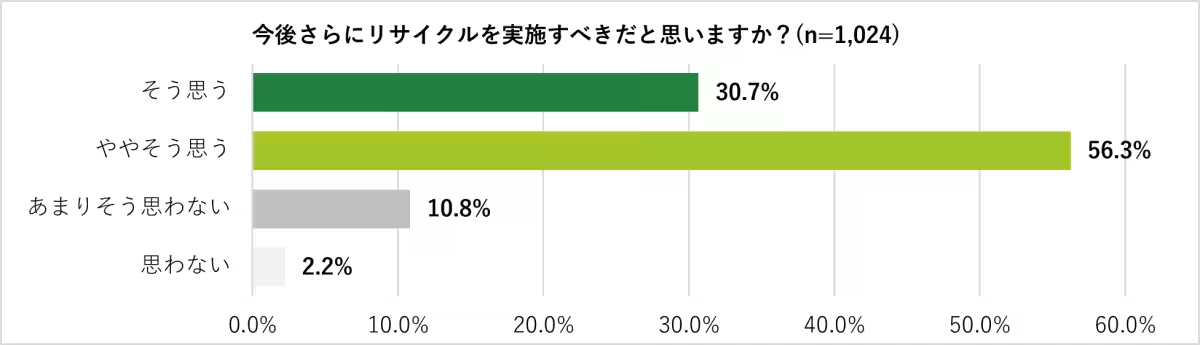
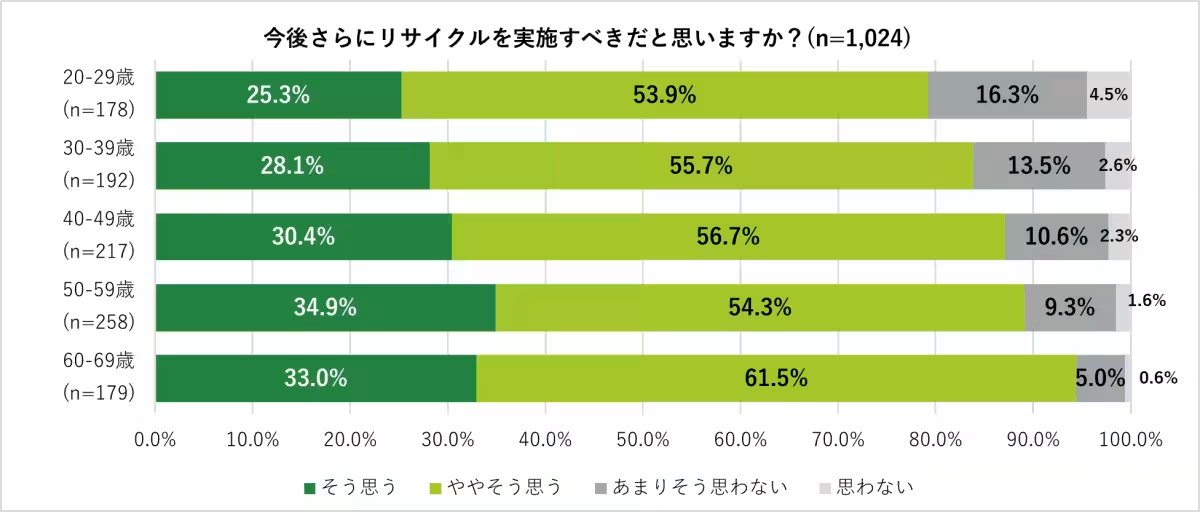
5. Push for Increased Recycling: Lastly, 87% of those surveyed think that recycling used tile carpets should be prioritized. Currently, only 20% of disposed tile carpets are recycled, with the remaining 80% ending up in landfills as difficult-to-process waste. The pressing social issues surrounding waste management and landfill capacity make this call to action even more critical.
Commentary from the Japan Recycle Carpet Association
Toshiki Yamaguchi, secretary-general of the Japan Recycle Carpet Association, commented on the findings, emphasizing that while tile carpets are commonly used, they remain largely unrecognized by consumers. However, the positive impressions associated with recycling efforts highlight the public's readiness to transition towards a circular economy.
In Japan, thousands of tons of used tile carpets are generated each year, with about 80% disposed of in landfills. This situation directly contributes to rising waste management costs and landfill overcapacity, demanding immediate action. The association aims to advance its recycling initiatives not only for CO₂ reduction but also to maximize resource efficiency.
Research Overview
This study was conducted by the Japan Recycle Carpet Association through an internet survey from September 12 to 16, 2025, targeting residents in Tokyo, Aichi, and Osaka between the ages of 20 to 60. The association, established on November 1, 2023, focusing on promoting carpet recycling, has made significant strides in creating a model of horizontal recycling that enhances sustainability in the industry.
Tokyo-based, the Japan Recycle Carpet Association urges recognition and support from both users and stakeholders as part of a collective effort to promote a circular economy in Japan.

Topics Consumer Products & Retail)






【About Using Articles】
You can freely use the title and article content by linking to the page where the article is posted.
※ Images cannot be used.
【About Links】
Links are free to use.