



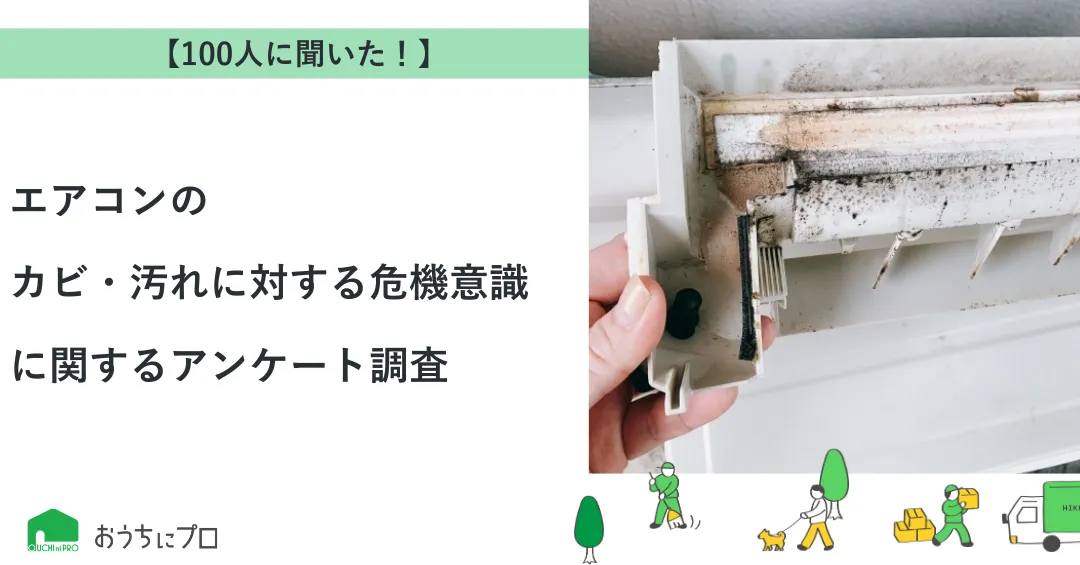
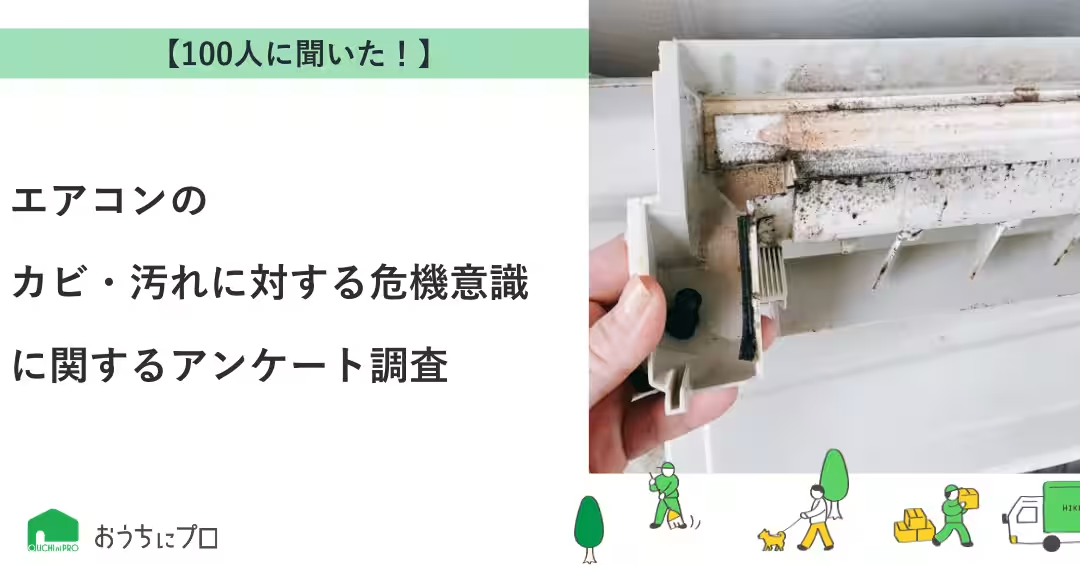
Awareness and Concerns About Air Conditioner Mold and Dirt in Japan
Understanding the Mold Crisis in Air Conditioners
A concerning survey conducted by "Ouchi ni Pro" reveals that a staggering 98% of individuals in Japan are aware of the potential for mold growth within their air conditioning systems. Despite this high level of awareness, only a small segment of the population seems to take adequate action against this issue, raising alarms regarding public health and safety.
Survey Overview
The purpose of the survey was to gauge the level of awareness and concern surrounding mold and dirt in air conditioning units, as well as the actions individuals are taking to mitigate these risks.
Methodology
- - Survey Tool: Crowdfunding Sources (CrowdWorks)
- - Participants: A total of 100 individuals (41 men, 57 women, 2 abstained)
- - Age Distribution:
- 20s: 10
- 30s: 36
- 40s: 34
- 50s: 14
- 60s and above: 6
- - Research Method: Online Research
- - Survey Period: March 2026
- - Location: Japan
Key Findings
Mold Awareness
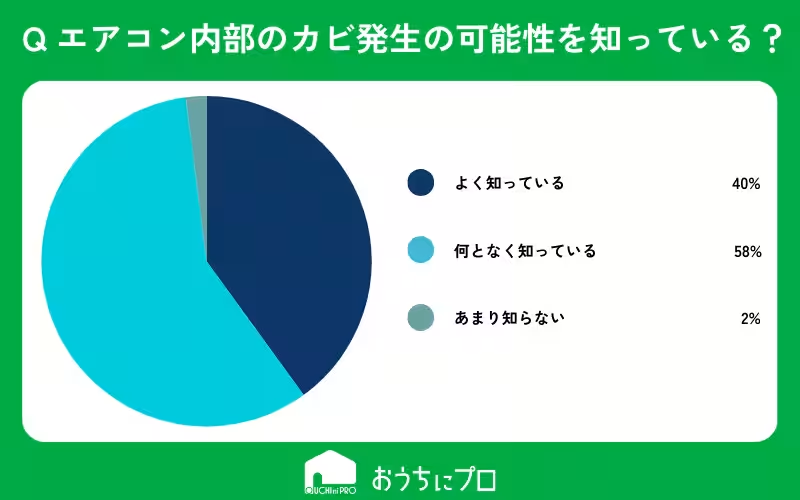
When asked whether they were aware of the possibility of mold developing inside air conditioners:
- - 40 respondents answered that they were very aware
- - 58 were somewhat aware
- - 2 expressed limited awareness
This indicates a widespread recognition of mold as a potential threat, yet the concern has not translated into significant preventative actions.
Health Implications
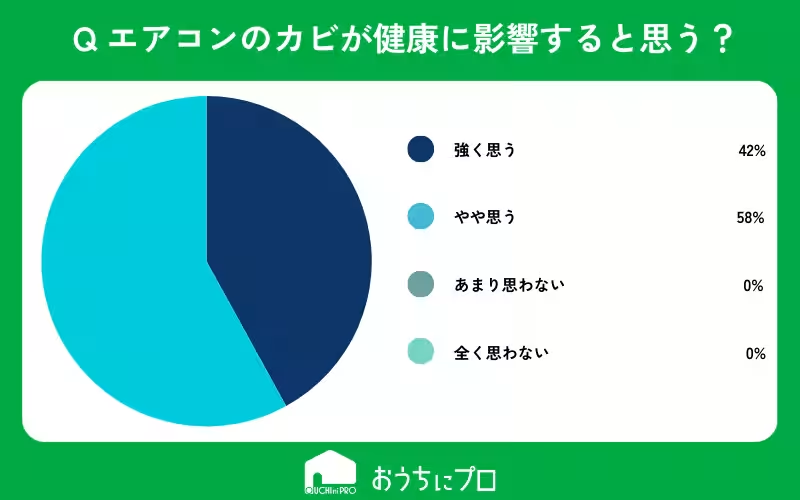
The participants were also questioned about the potential health impacts of air conditioner mold. Responses were as follows:
- - 42 strongly agree that it impacts health
- - 58 somewhat agree
- - No one disagreed or had no opinion
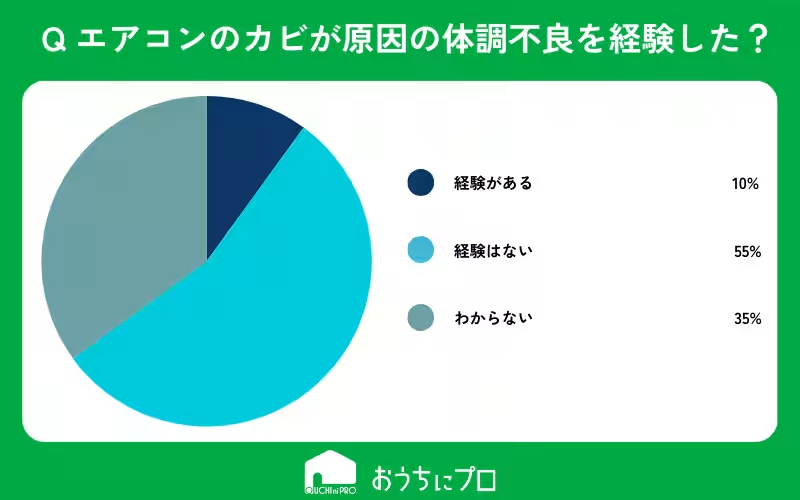
Despite these alarming statistics, only about 10% of individuals confirmed experiencing health issues directly associated with mold exposure in their air conditioners.
Cleanliness Measures
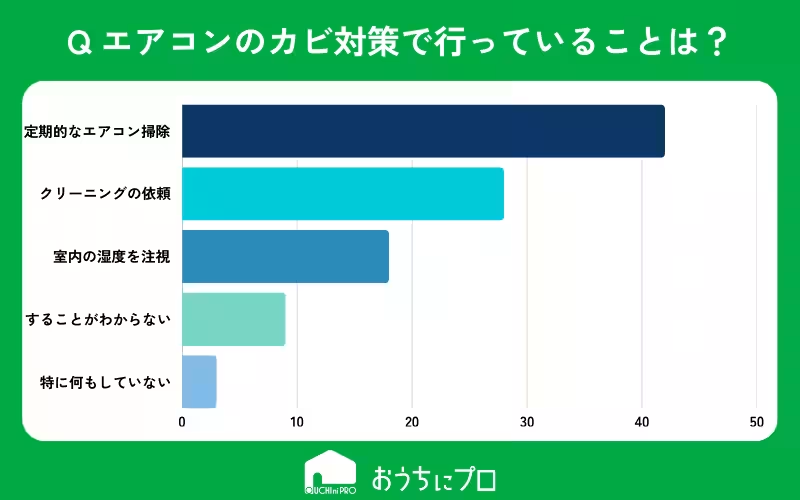
When queried about possible actions taken against air conditioner mold, participants indicated:
- - 42 regularly clean their air conditioner
- - 28 have sought professional cleaning services
- - 18 pay attention to indoor humidity levels
- - 9 don’t know what measures are appropriate
- - 3 are taking no action
Most individuals seem inclined towards some form of cleaning, but active engagement in understanding the issue appears limited. Only 10% are actively pursuing information and trying to implement tangible solutions against mold.
Immediate Responses
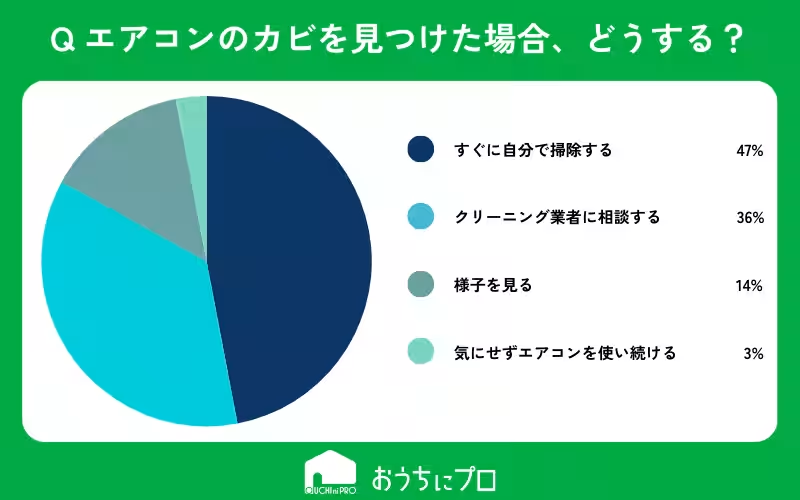
In terms of immediate responses to identified mold:
- - 47 would clean it themselves
- - 36 would consult a professional cleaning service
- - 14 would monitor the situation
- - 3 would continue using the air conditioner without concern
These results show a readiness to act, but lack of professional awareness may hinder effective long-term solutions.
Information Gathering
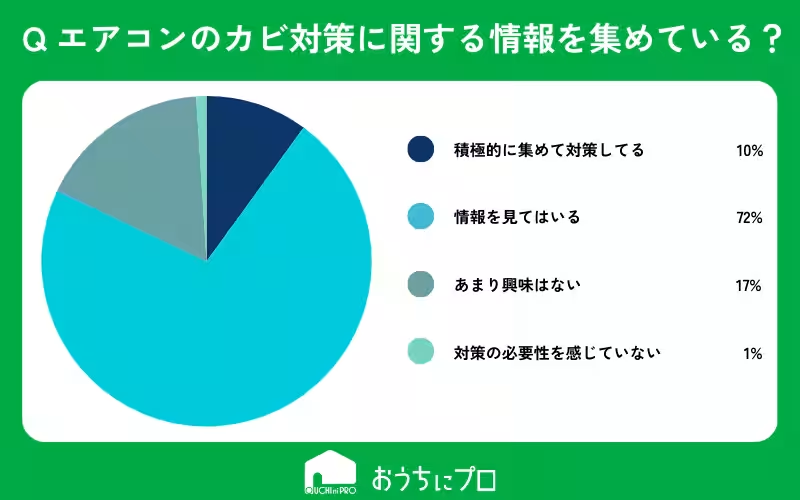
Lastly, on the matter of gathering information to combat air conditioner mold, participants responded:
- - 10 actively seek and implement solutions
- - 72 read information but do not engage much further
- - 17 are not very interested
- - 1 feels unnecessary to address it
This data suggests that while many acknowledge the problem, there is a significant gap in proactive strategy adoption.
Conclusion
The findings from the survey highlight a dual crisis regarding awareness and action on mold in air conditioning systems in Japan. With the majority being aware of the risks yet failing to undertake appropriate remediation actions, there is a clear need for more educational resources and effective strategies to manage air quality. Companies like "Ouchi ni Pro" are stepping into this gap, providing valuable connections to professional cleaning services, fostering a healthier living environment for Japanese households.
Company Overview: Ouchi ni Pro
"Ouchi ni Pro" serves as a reliable comparison and reservation site for various home-related services, including air conditioning cleaning. With over 4,000 registered vendors and extensive user reviews, it ensures customers can make informed choices for a more comfortable living space.
Topics Consumer Products & Retail)

【About Using Articles】
You can freely use the title and article content by linking to the page where the article is posted.
※ Images cannot be used.
【About Links】
Links are free to use.