



Surprising Insights Into Japanese Women's Oil Awareness on Oil Day
Insights on Oil Awareness in Japanese Women's Health Consciousness
Introduction
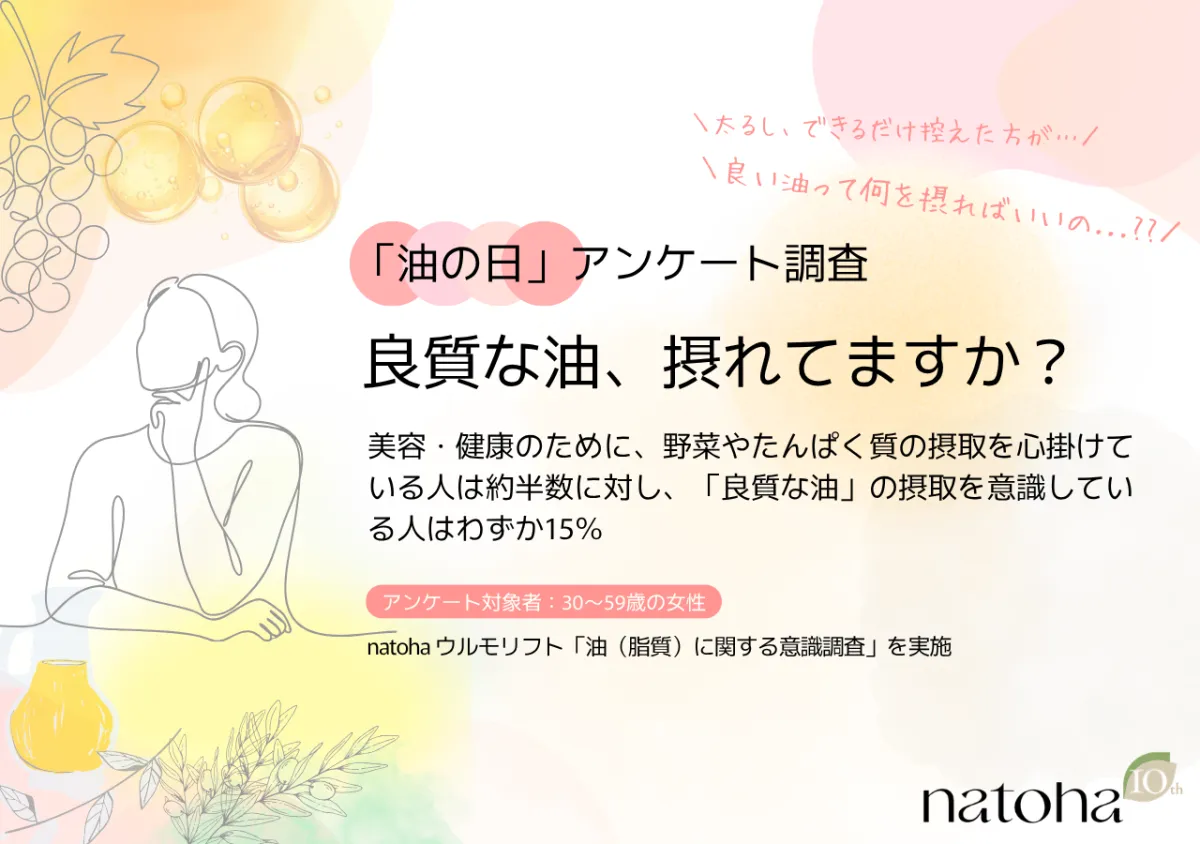
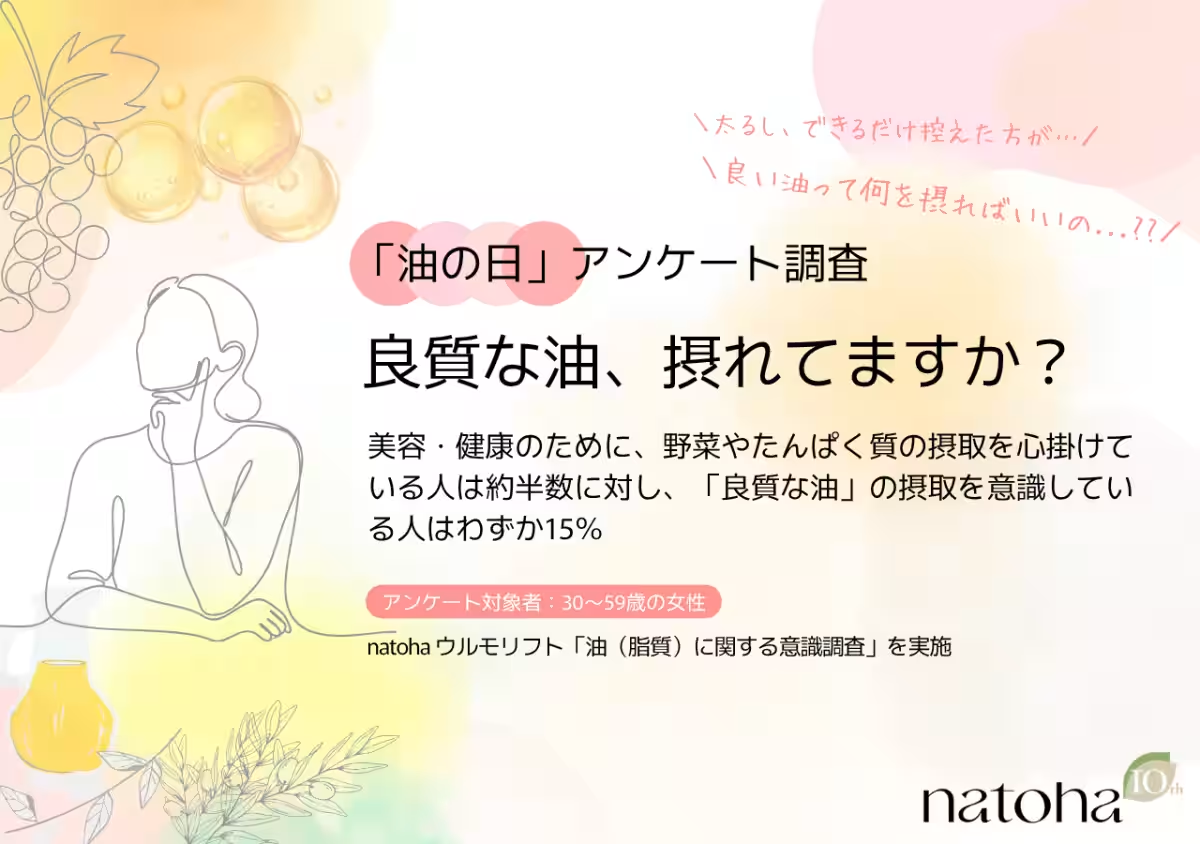
August 23 marks Oil Day in Japan, a day to reflect on the significance of oils in our diet. A recent survey conducted by RifeT Inc., the company behind the Japanese lifestyle brand "natoha," revealed that there exists a considerable gap in knowledge about oils among women aged 30 to 50. This article delves into the findings and discusses the implications for health and beauty.
Survey Background
Many people still hold the misconception that oils are unhealthy and should be minimized in their diets. However, oils form a crucial part of our diets as they are one of the three essential macronutrients. The health benefits of quality oils, such as Omega-3s, have gained traction recently. Still, the ambiguity surrounding which oils to choose remains prevalent. This survey sheds light on the disconnect between women's intentions to eat healthily and their understanding of oils.
Survey Overview
- - Method: Internet survey
- - Respondents: 300 women (100 each from their 30s, 40s, and 50s)
- - Survey Date: August 6, 2026
Summary of Findings
The survey revealed several key insights:
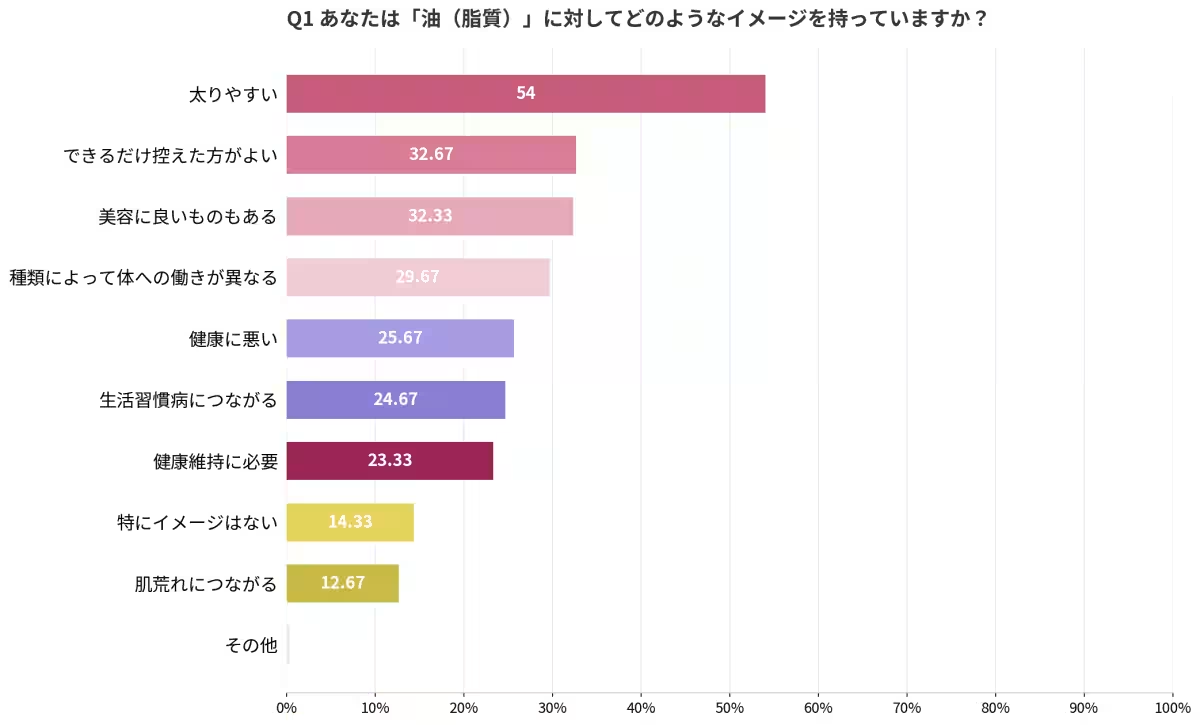
1. Negative Perceptions of Oils: Over half of the respondents (54%) believed that oils lead to weight gain, while 32.67% felt that oils should generally be avoided. This indicates that the notion of oils as unhealthy is still very much prevalent.
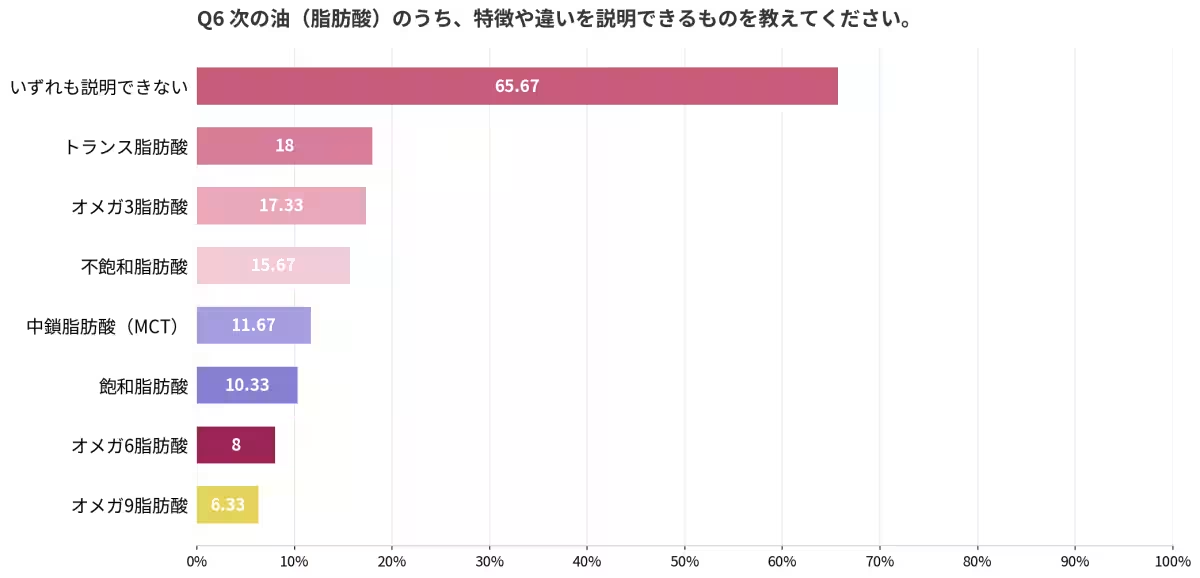
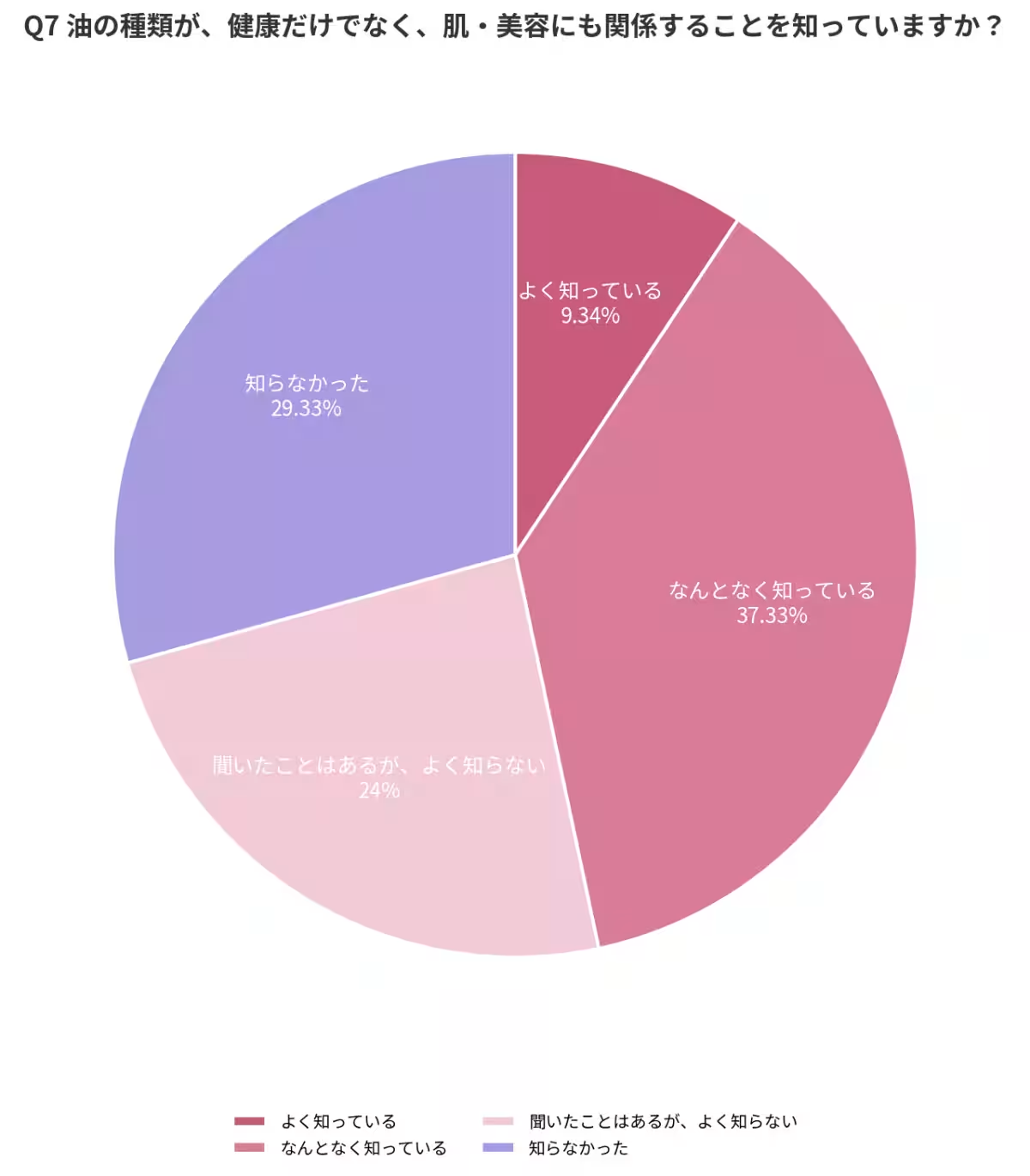
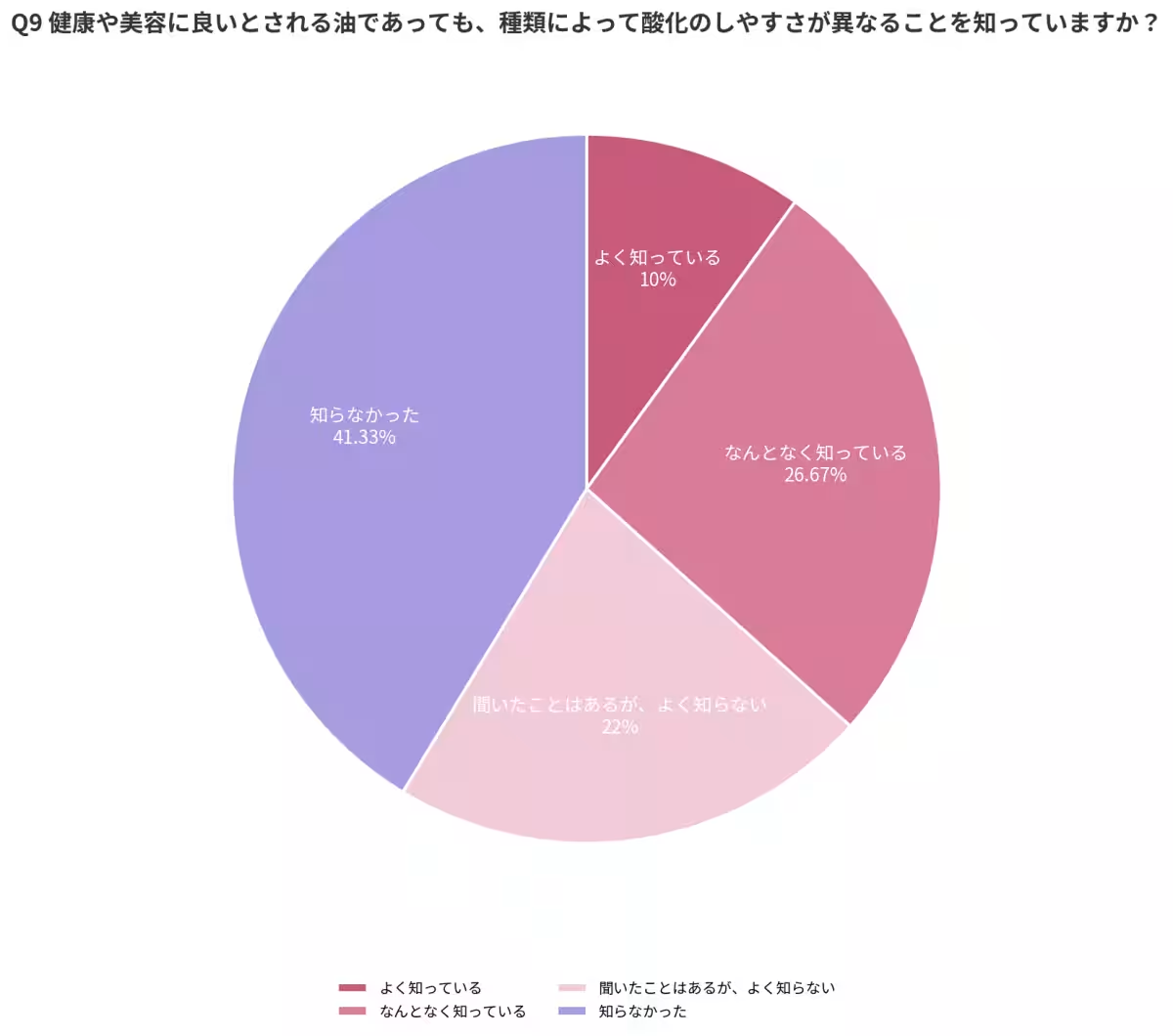
2. Knowledge Gaps: Approximately 70% of participants were unable to explain the characteristics or differences between various types of oils, highlighting a significant knowledge gap.
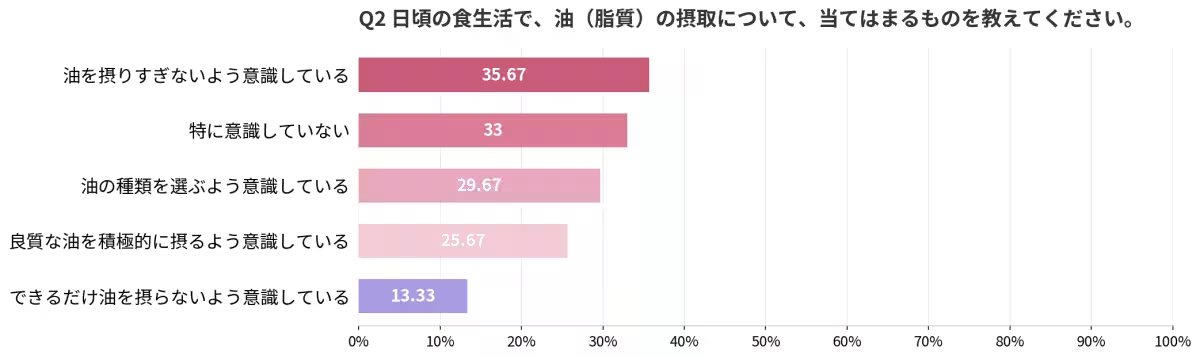
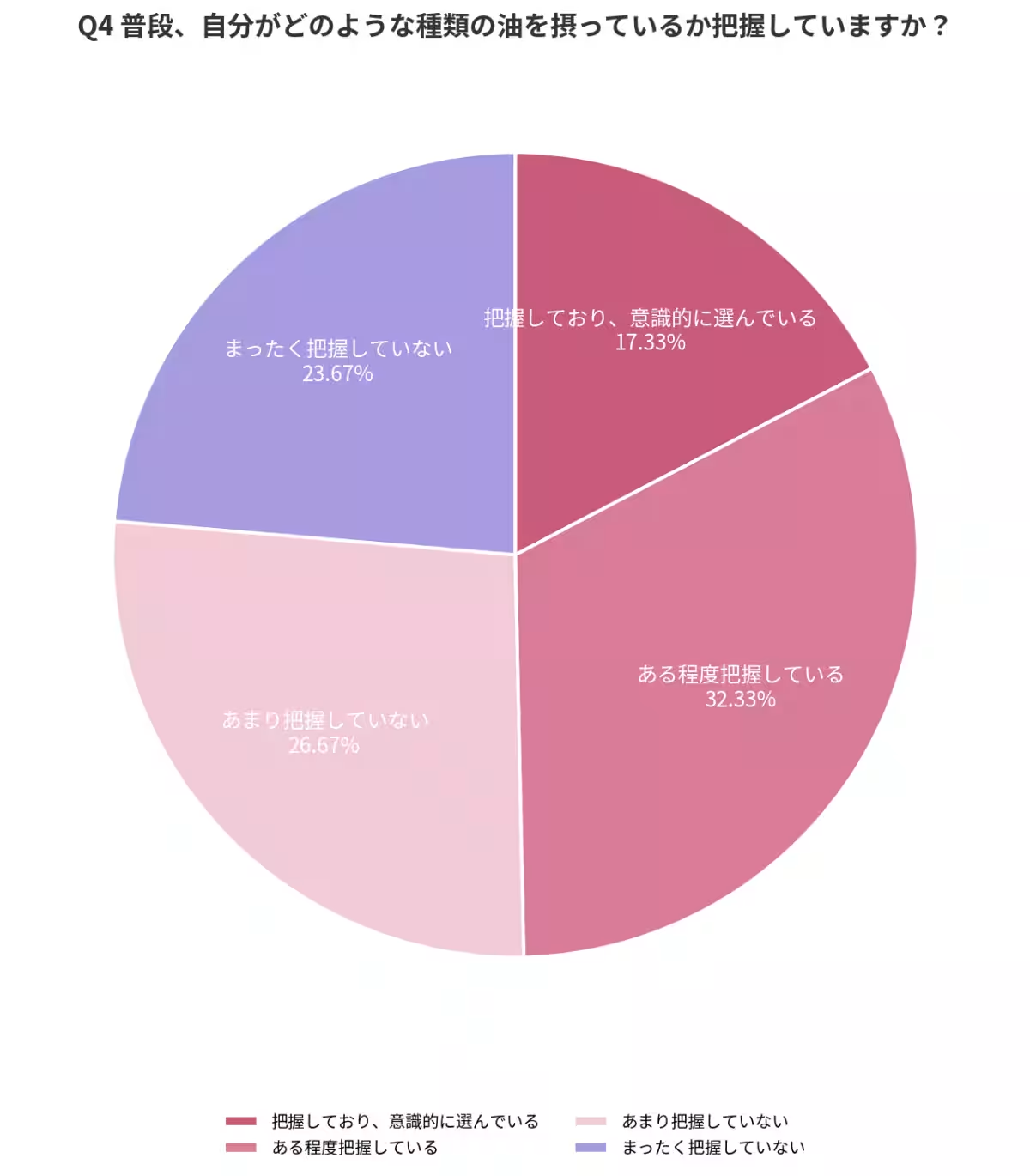
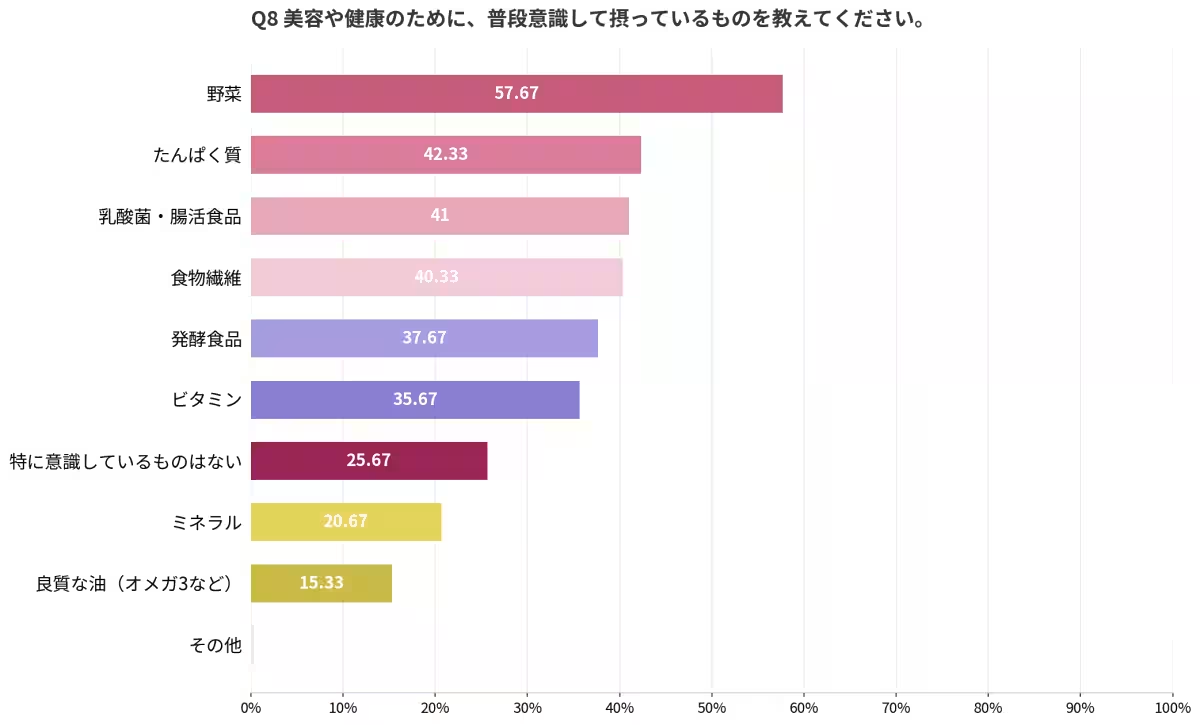
3. Lack of Awareness: Many women do not actively monitor the types of oils they consume. Despite high awareness of the need for healthy foods like vegetables and proteins, only 15.33% considered the quality of their oils.
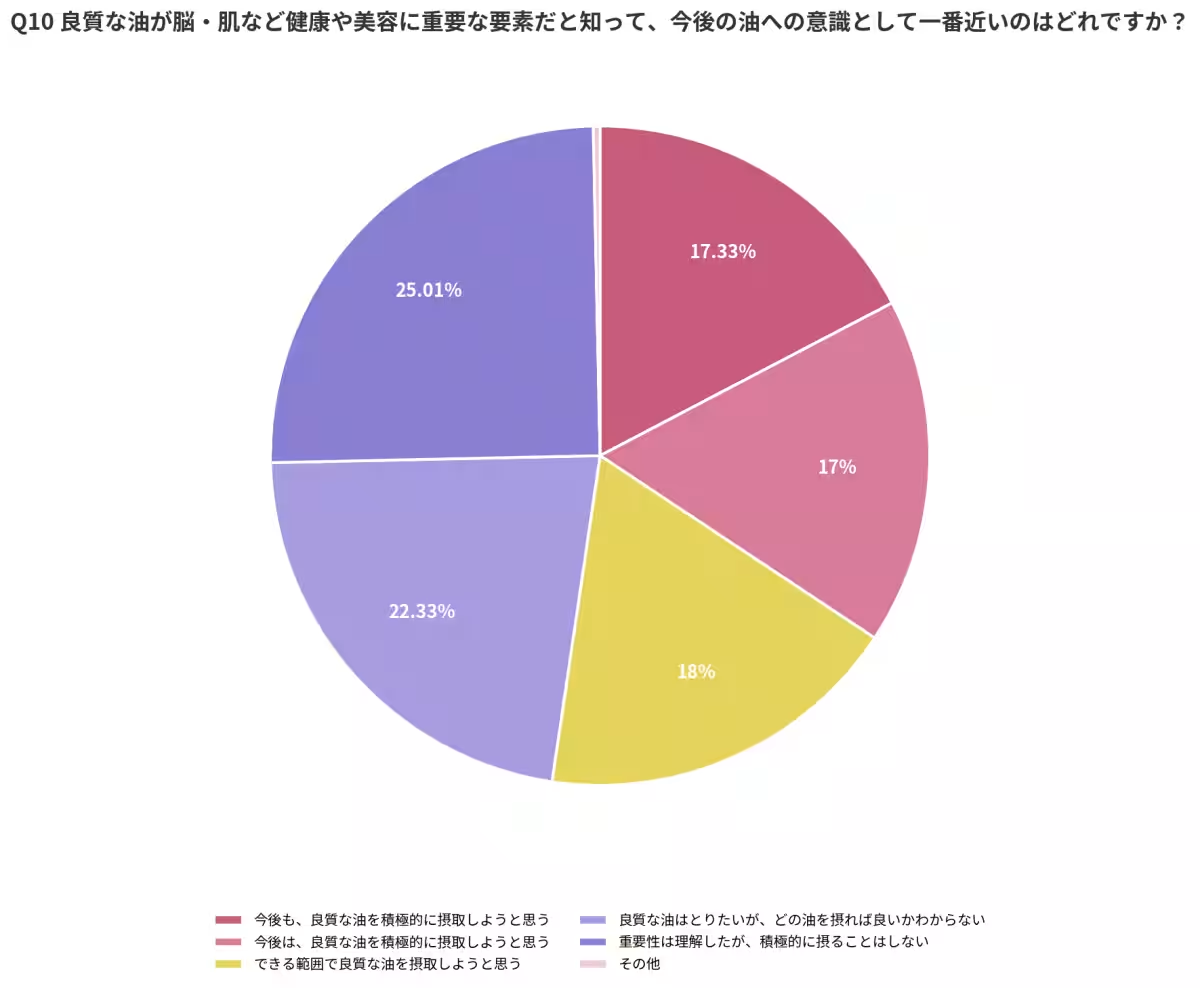
4. Openness to Healthy Oils: Upon learning about the benefits of quality oils, half of the respondents expressed willingness to incorporate them into their diets. However, many felt lost when it came to choosing the right oils, leading to what can be described as being "oil lost."
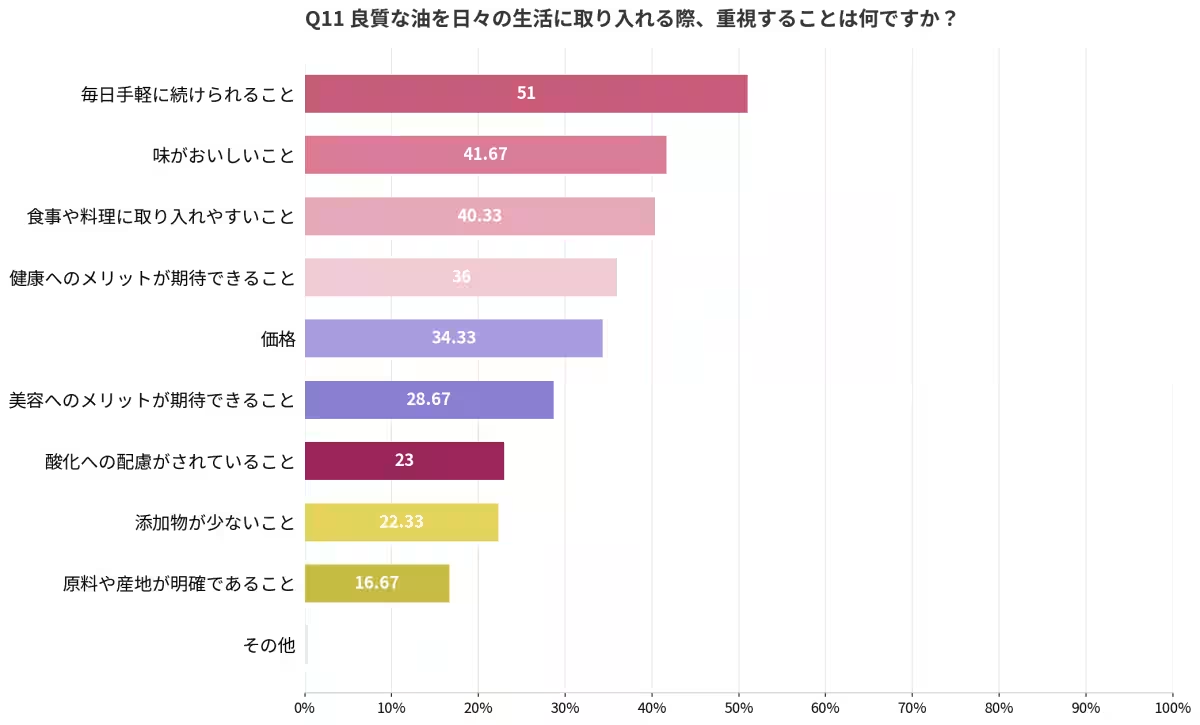
5. Important Factors for Oil Consumption: When incorporating quality oils into their diets, the most valued aspects were the ease of daily consumption (51%) and taste (41.67%).
Detailed Findings
Negative Impressions of Oils
When asked about their perceptions of oils, most respondents echoed negative sentiments. 54% viewed oils as a cause of weight gain, and another 32.67% felt they should be limited. Only a slight fraction recognized that some oils might be beneficial for health and beauty. The worry surrounding oil consumption reflects widespread misconceptions.
Insufficient Nutritional Awareness
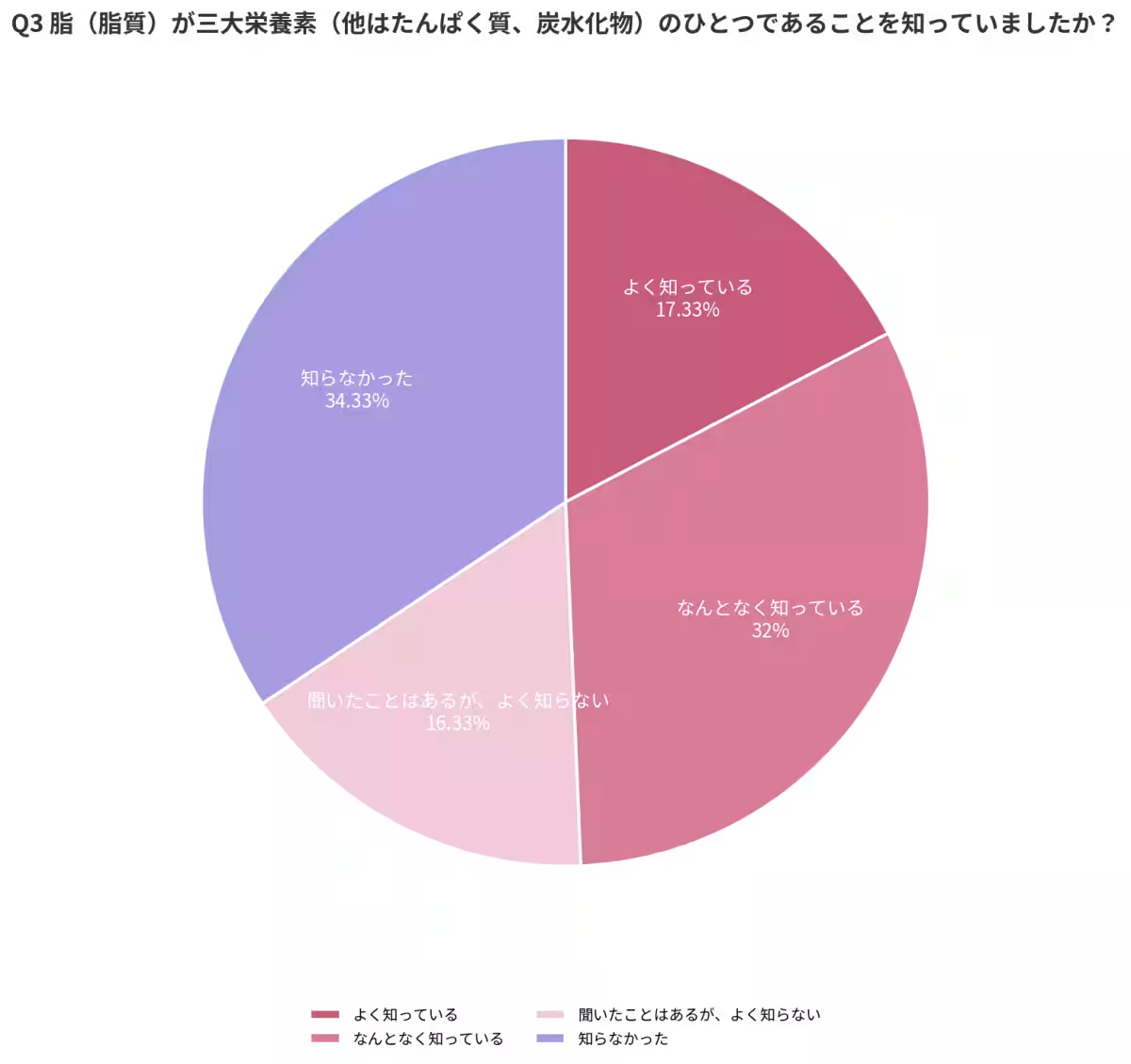
The concept that fats are one of the three primary macronutrients was only understood by 17.33% of the women surveyed. A glaring 34.33% had never heard this before, emphasizing the need for better nutritional education concerning fats and oils.
Lack of Understanding of Oil Types
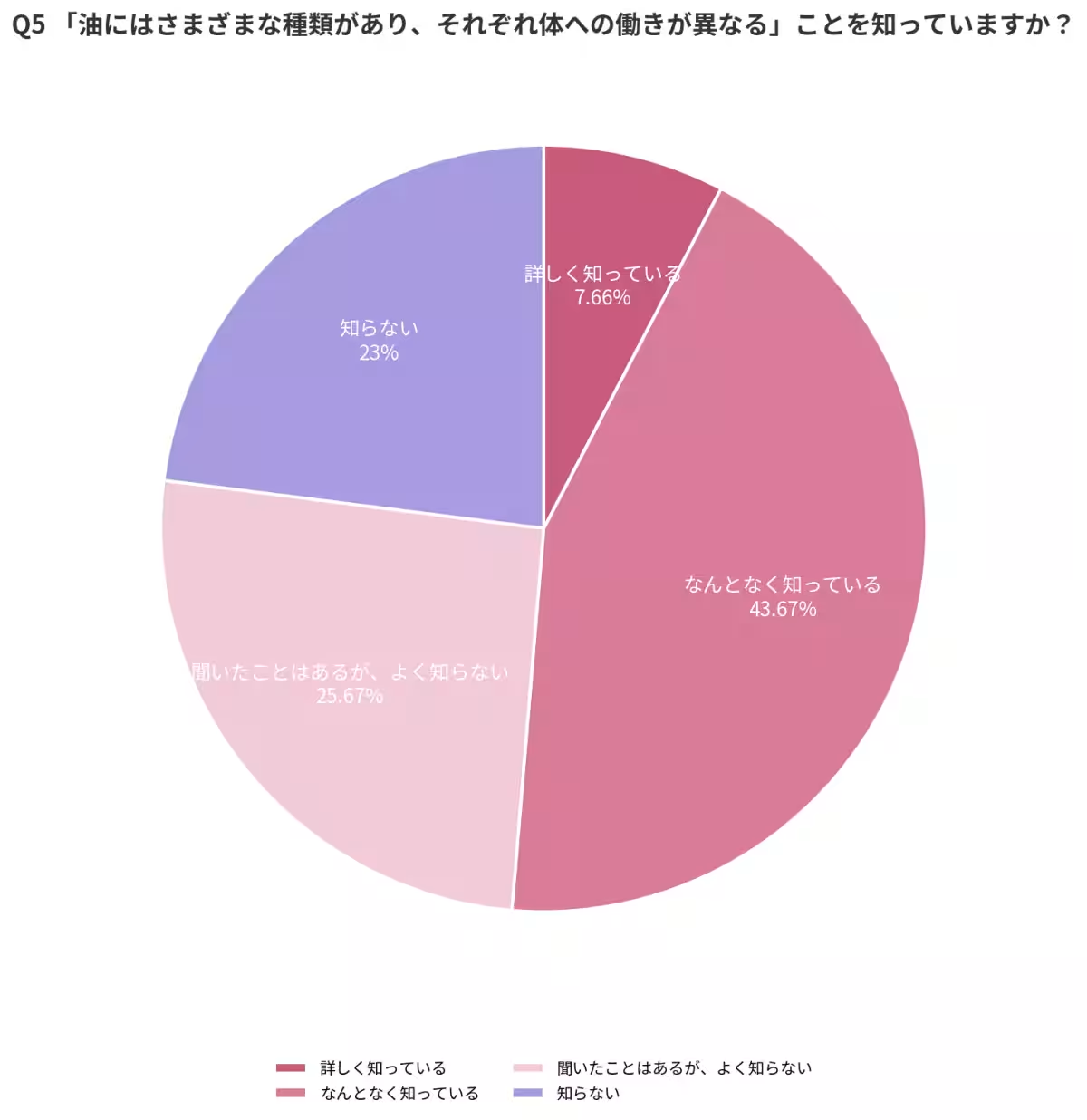
Approximately 65.67% of respondents could not differentiate between types of oils when asked specifics about omega-3 and trans fats, indicating a fundamental gap in knowledge about oil functions and health impacts. This lack of understanding extends to their regular oil intake, with nearly half unaware of the types of oils they consume frequently.
Beauty and Health Priorities
While health consciousness around vegetables and proteins is high, the contrary holds for quality oils. Only a small fraction of women prioritize quality oils, indicating a need for education on the significance of oils in health and beauty.
Conclusion
The survey results highlight a critical issue: while many women are conscious about their health and beauty routines, the vital role of quality oils remains underappreciated and misunderstood. Instead of eliminating oils from the diet entirely, awareness of the different types, benefits, and implications of oil consumption is paramount.
RifeT aims to address these gaps through informative content, collaborations with experts, and clear communication on the importance of oils in our daily diet, ultimately fostering healthier and more informed choices.
About "natoha"
"natoha" is a lifestyle brand encouraging individuals to embrace natural living. Celebrating its 10th anniversary this year, the brand continues to support a balanced and healthy lifestyle through education and quality products. For more insights and products, visit their official site.


Topics Consumer Products & Retail)
【About Using Articles】
You can freely use the title and article content by linking to the page where the article is posted.
※ Images cannot be used.
【About Links】
Links are free to use.