




Exploring Happiness and Livability Rankings in Japan for 2025
The 2025 Japan Urban Happiness and Livability Rankings
In an extensive survey conducted by Daito Kentaku, a leading real estate company based in Tokyo, the 2025 national rankings for urban happiness and livability have been announced. This marks one of the most comprehensive studies to date, highlighting the overall satisfaction of residents across various municipalities in Japan.
Methodology
The survey sought feedback from residents on their happiness levels and preferences for living continuously in their current cities. For the happiness ranking, respondents answered the question, "Overall, do you feel happy or unhappy?" on a scale from 1 (very unhappy) to 10 (very happy). The average score was then multiplied by 10 to create a 100-point system.
For the livability ranking, participants were asked, "Do you wish to continuously live in your current city?" Responses ranged from 100 points for strong agreement to 0 points for strong disagreement, with the average score determining the final ranking. A key aspect of the methodology involves ensuring a minimum of 50 responses from each municipality to qualify for the rankings.
Key Findings
Top Ten Happiness Rankings
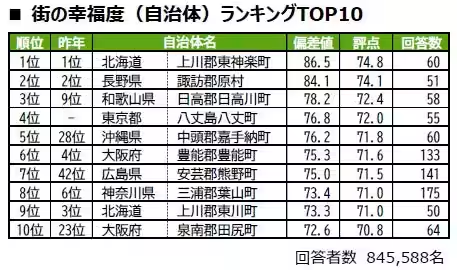
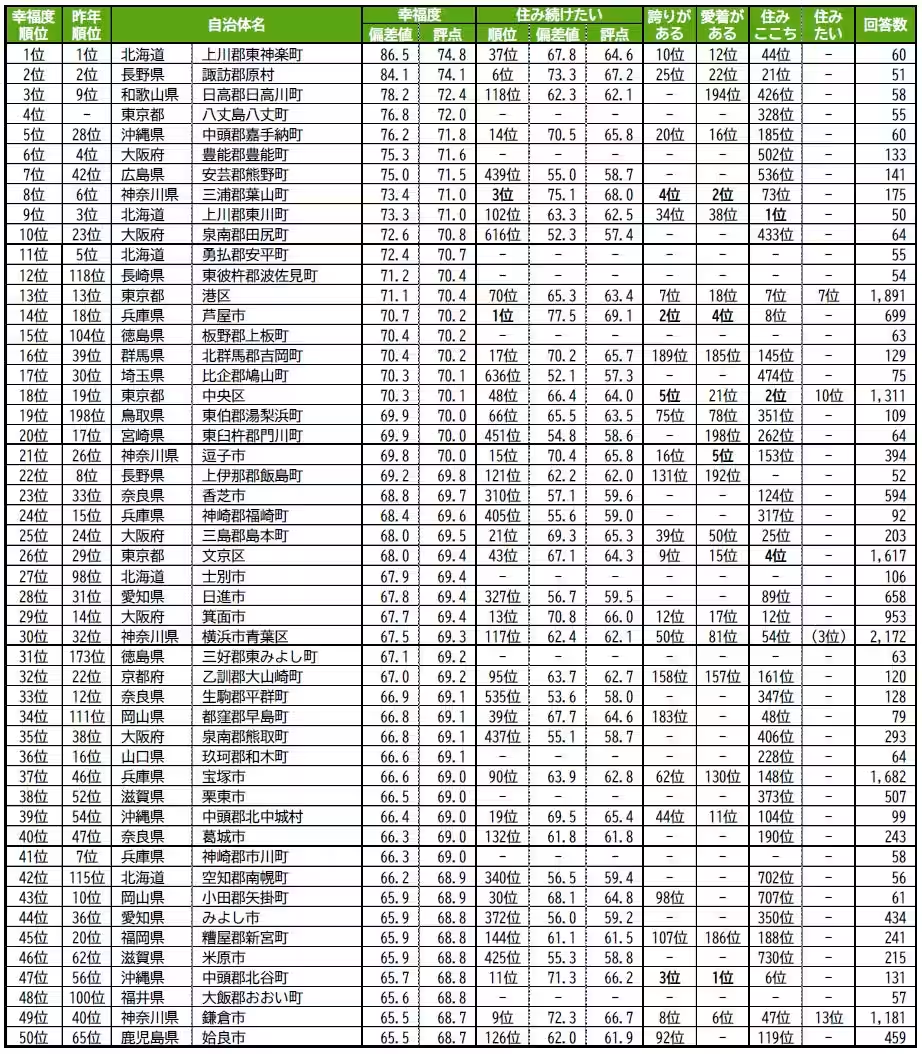
For the second consecutive year, Higashikagura in Hokkaido topped the urban happiness rankings, achieving an impressive score with a high average deviation. Following closely was Hara Village in Nagano, also maintaining its status as a top contender. In a notable rise from ninth place last year, Hidakagawa Town in Wakayama secured the third spot, showcasing an increase in local satisfaction.
Interestingly, Hachijōjima in Tokyo made its debut in the top ten, having previously been excluded from last year's rankings due to insufficient responses.
Livability Rankings Insights
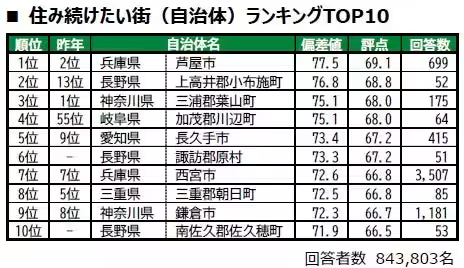
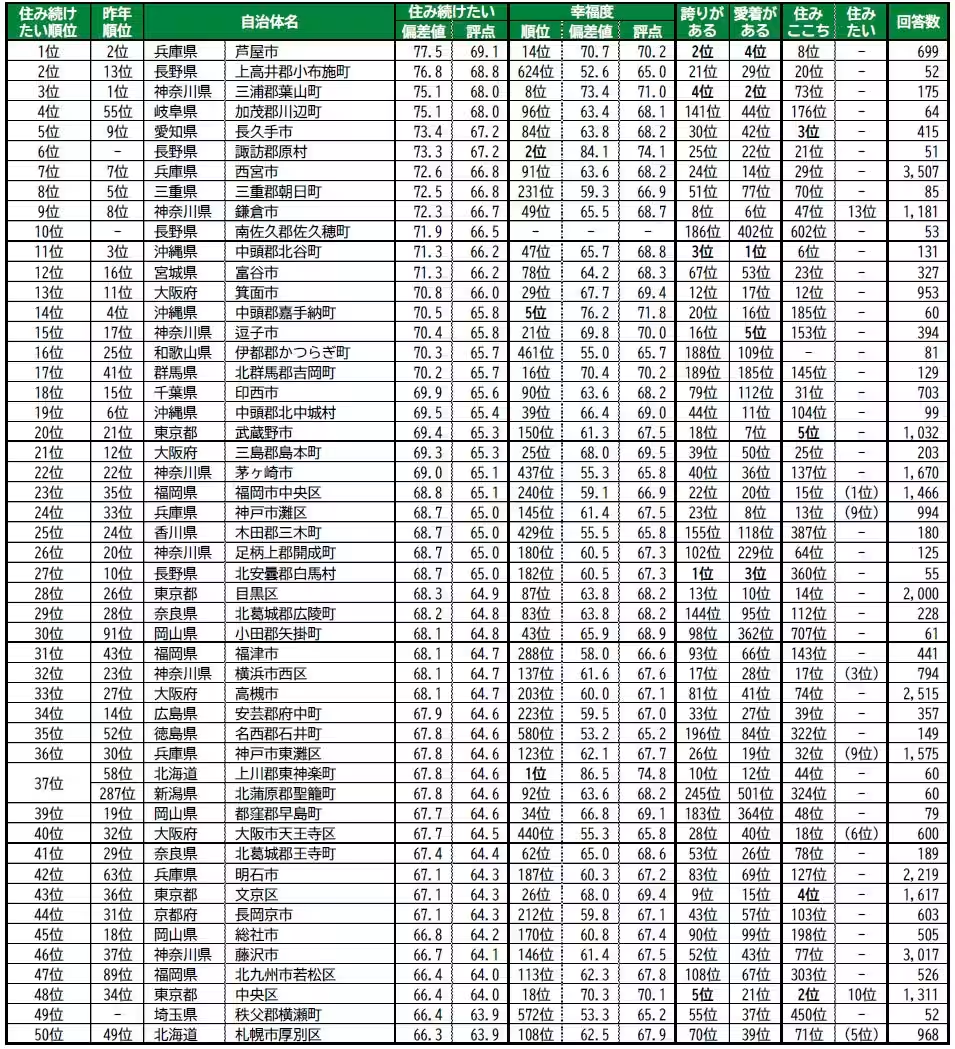
In terms of livability, Ashiya City in Hyogo claimed the top position, moving up from second place last year. It was closely followed by Obuse Town in Nagano and Hayama Town in Kanagawa, both cities enjoying a significant climb in rankings compared to the previous year. Unique to the top ten was the emergence of Rawan and Sakuho in Nagano, which had not previously met the required response threshold for rankings.
Community Pride and Attachment
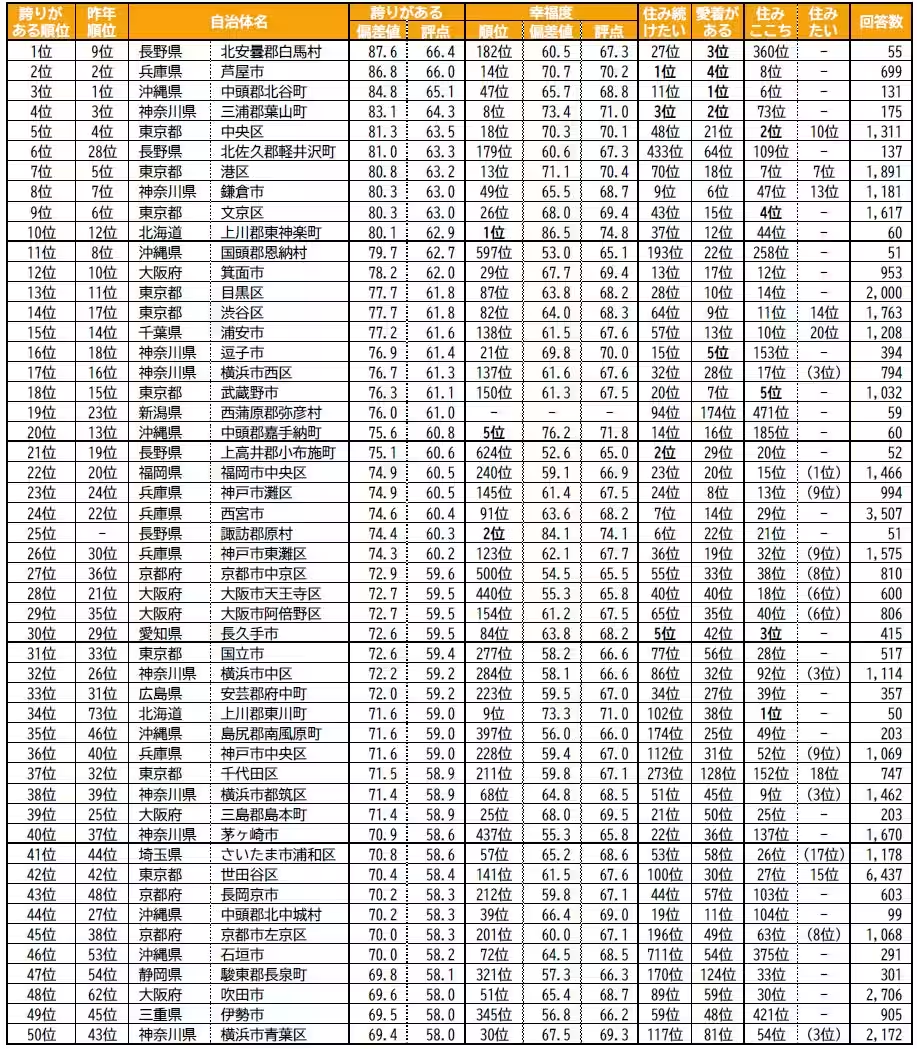
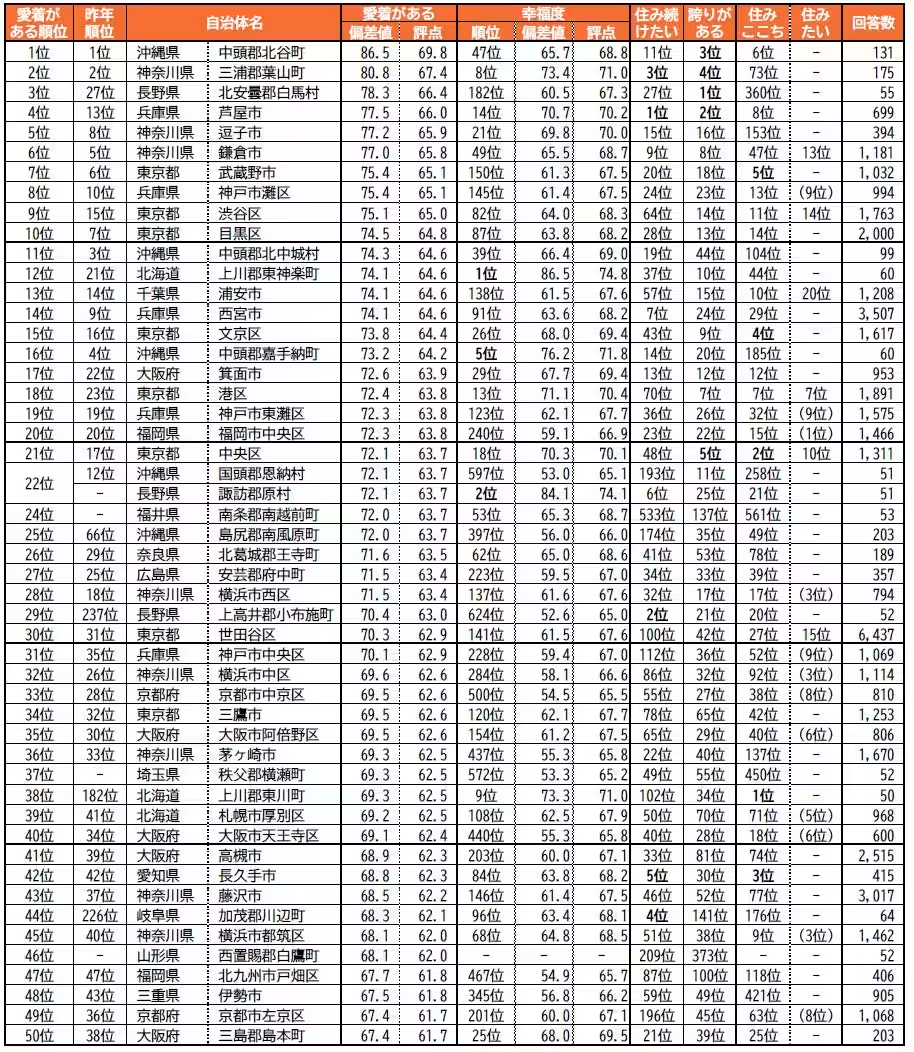
Happiness isn't just a numbers game. The rankings also focused on community pride and attachment. Hakuba Village in Nagano led the community pride category, having improved from ninth place the previous year. Conversely, Chatan in Okinawa continued to hold the number one spot for community attachment for the fifth consecutive year, indicating a deep-rooted affection for their locality among residents.
Trends Across Prefectures
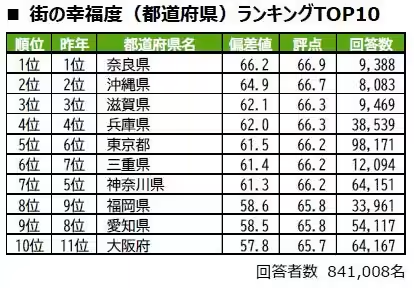
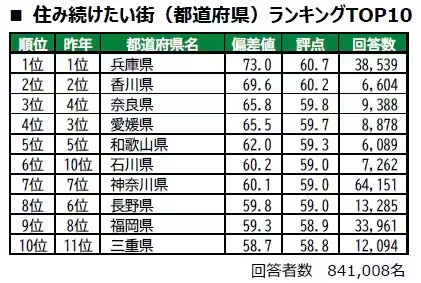
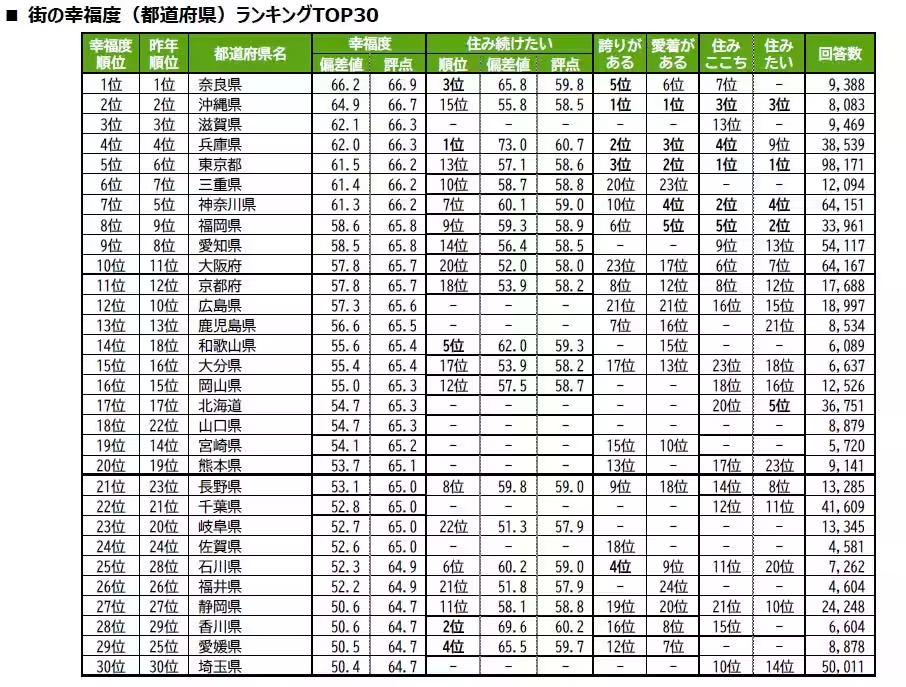
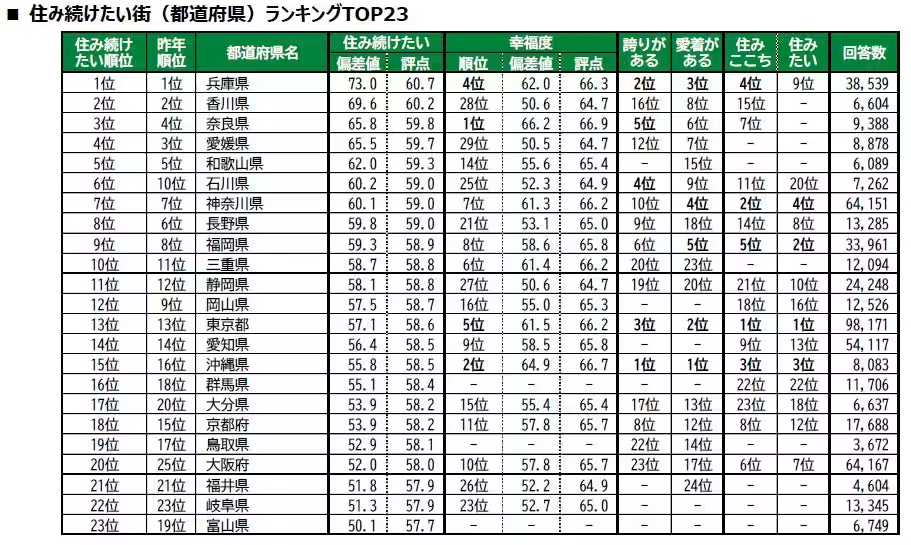
For prefecture-level rankings, Nara maintained its lead as the most satisfied prefecture, continuing a five-year streak, while Hyogo held first place in livability. Interestingly, eight of the top ten prefectures in happiness rankings also appeared in the top ten livability list, reinforcing a positive correlation between happiness and livability within these regions.
Resident Perspectives
Collecting individual testimonials provided deeper insights into what contributes to happiness and a desire to stay in these cities. Residents from Higashikagura highlighted a stress-free lifestyle and health, while those from Ashiya praised its accessibility and natural beauty. Such sentiments underline not just the statistical rankings but the personal experiences that shape residents' views on their communities.
Conclusion
The findings from the 2025 Urban Happiness and Livability Rankings underline the importance of community in enhancing quality of life in Japan. As cities strive to improve resident satisfaction, the insights gathered from this survey provide valuable information to local governments and urban planners, fueling initiatives that enhance the overall living experience. The presented rankings paint a promising picture for the municipalities featured, and they serve as a benchmark for others aiming to elevate their satisfaction scores in the future.

Topics People & Culture)

【About Using Articles】
You can freely use the title and article content by linking to the page where the article is posted.
※ Images cannot be used.
【About Links】
Links are free to use.