



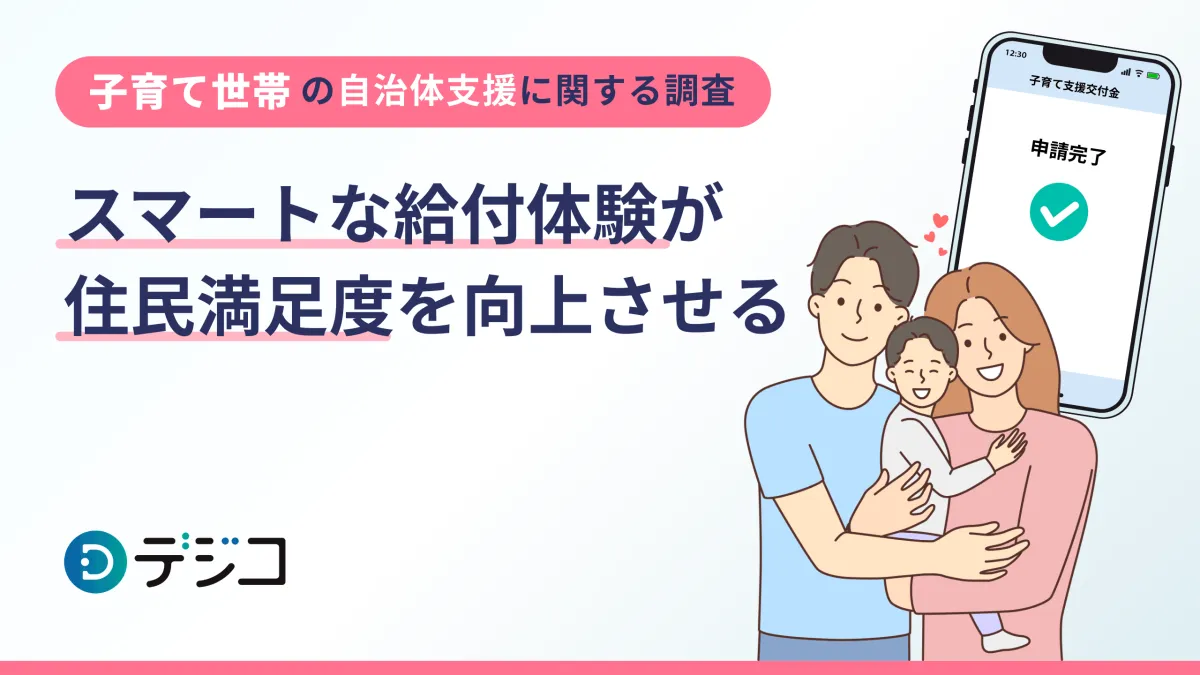
Enhancing Parental Satisfaction Through Smart Local Government Support Initiatives
Enhancing Parental Satisfaction Through Smart Local Government Support Initiatives
In a recent survey conducted by DIGITALIO, a group company of CARTA HOLDINGS specializing in marketing solutions, the focus was on understanding how local governments can better support parenting households amidst rising costs and declining birth rates. The study gathered insights from 300 parents with children under 18 across Japan, revealing a significant disconnect between the available support and its accessibility. As various municipalities rolled out financial support programs, such as the "Cost of Living Parenting Grants" and "Youth Support Subsidies," it was vital to assess how these initiatives can be optimized for busy parents.
Background of the Study
With the pressing issue of an aging population and low birth rates, various local governments have implemented targeted economic support measures for families. To enhance these initiatives, the survey aimed to explore the awareness of support information, the burdens of application processes, and how the quality of these interactions influences parental satisfaction and the desire to settle in their communities.
Key Findings
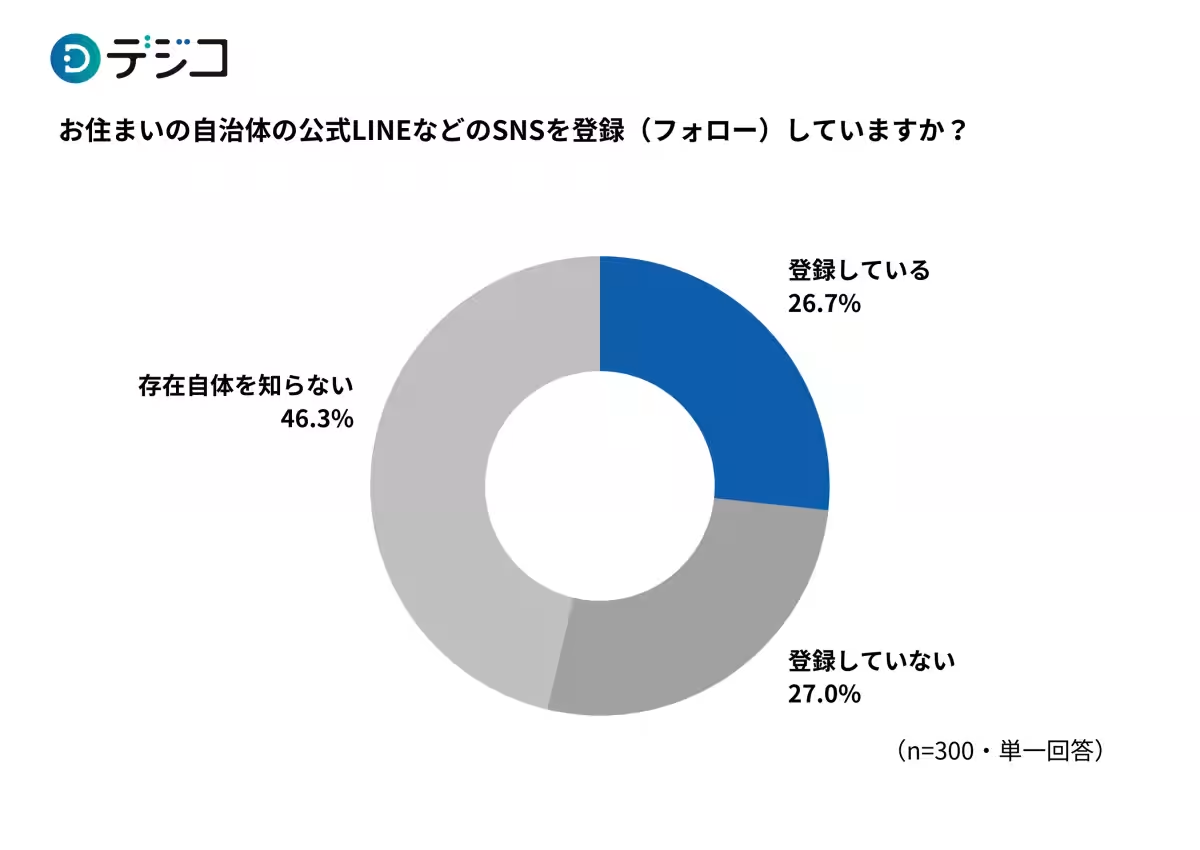
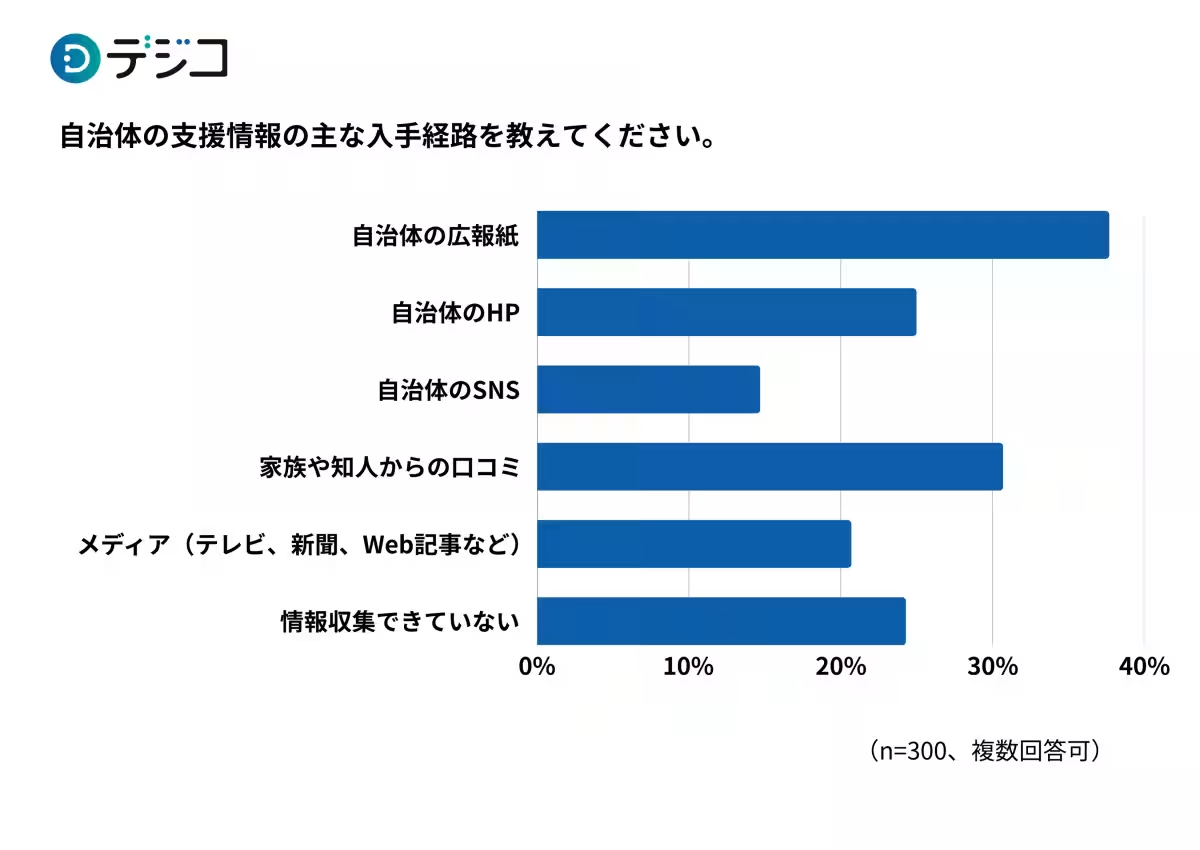
One of the noteworthy findings was that only 26.7% of respondents were registered on their municipality's official social media channels, with nearly half unaware of their existence altogether. Furthermore, 37.7% obtained information primarily through local government newsletters, which shows a reliance on traditional channels rather than digital platforms. This discrepancy highlights a crucial barrier: many parents feel they do not know if they are eligible for support, leading to a psychological burden.
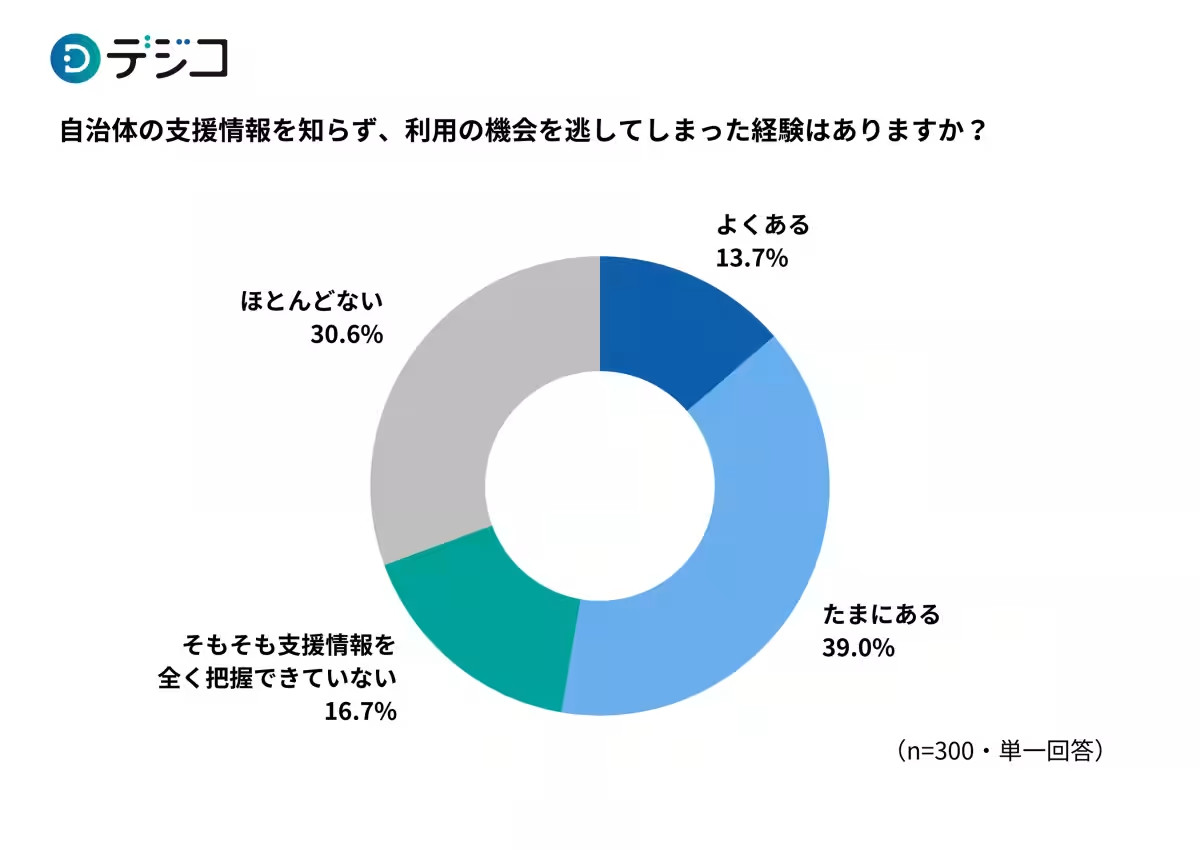
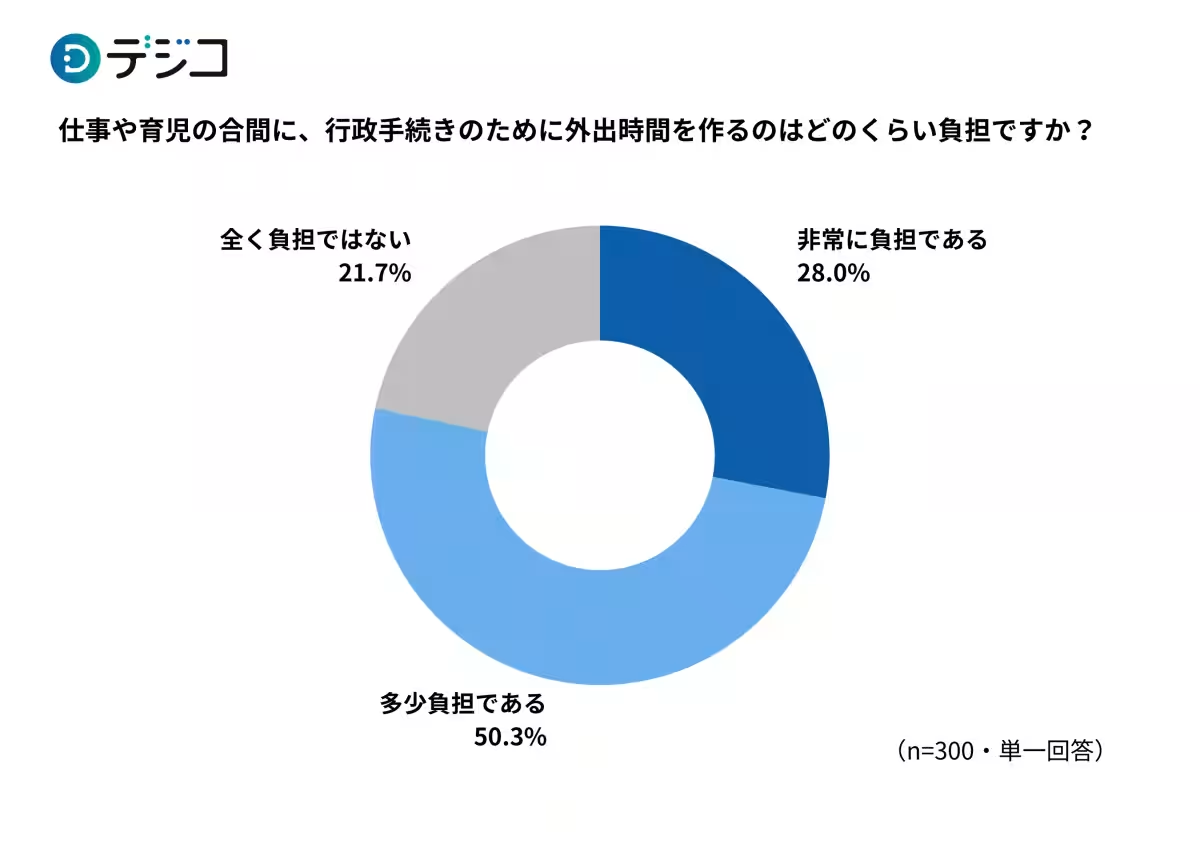
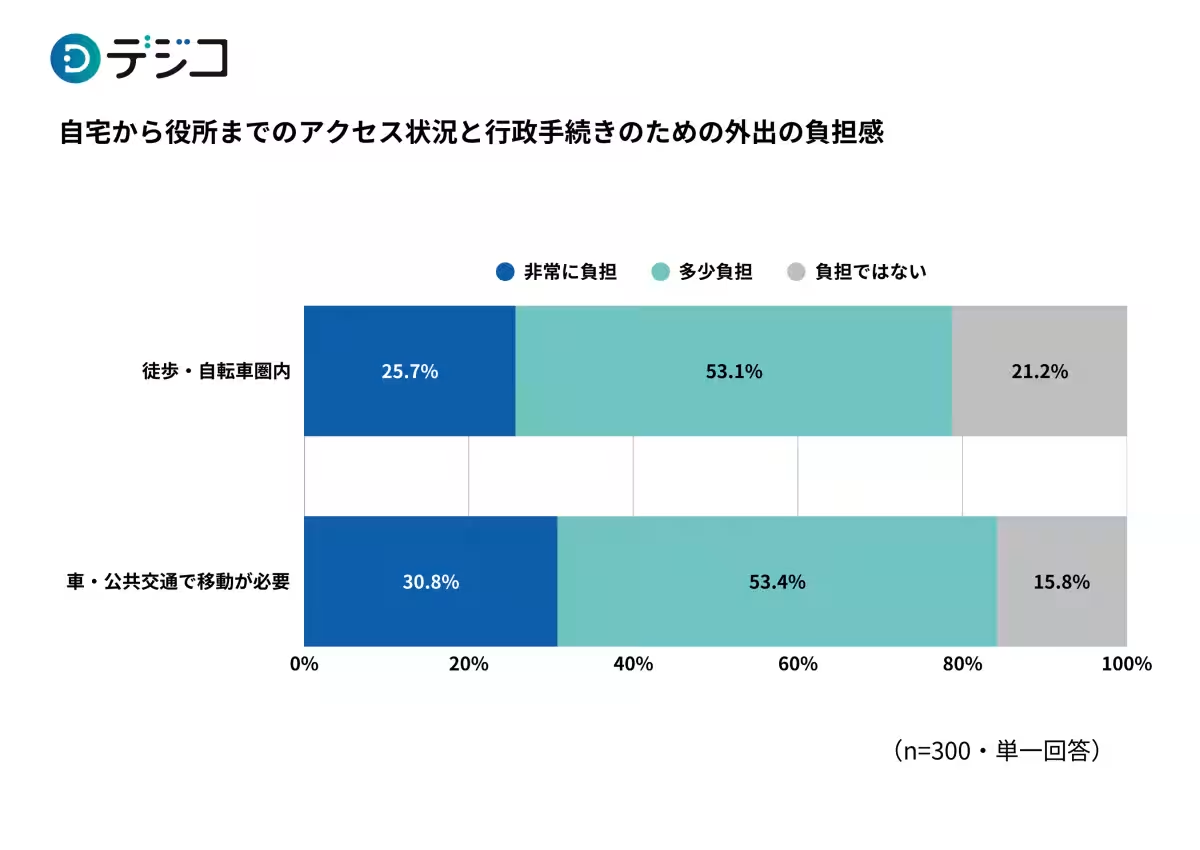
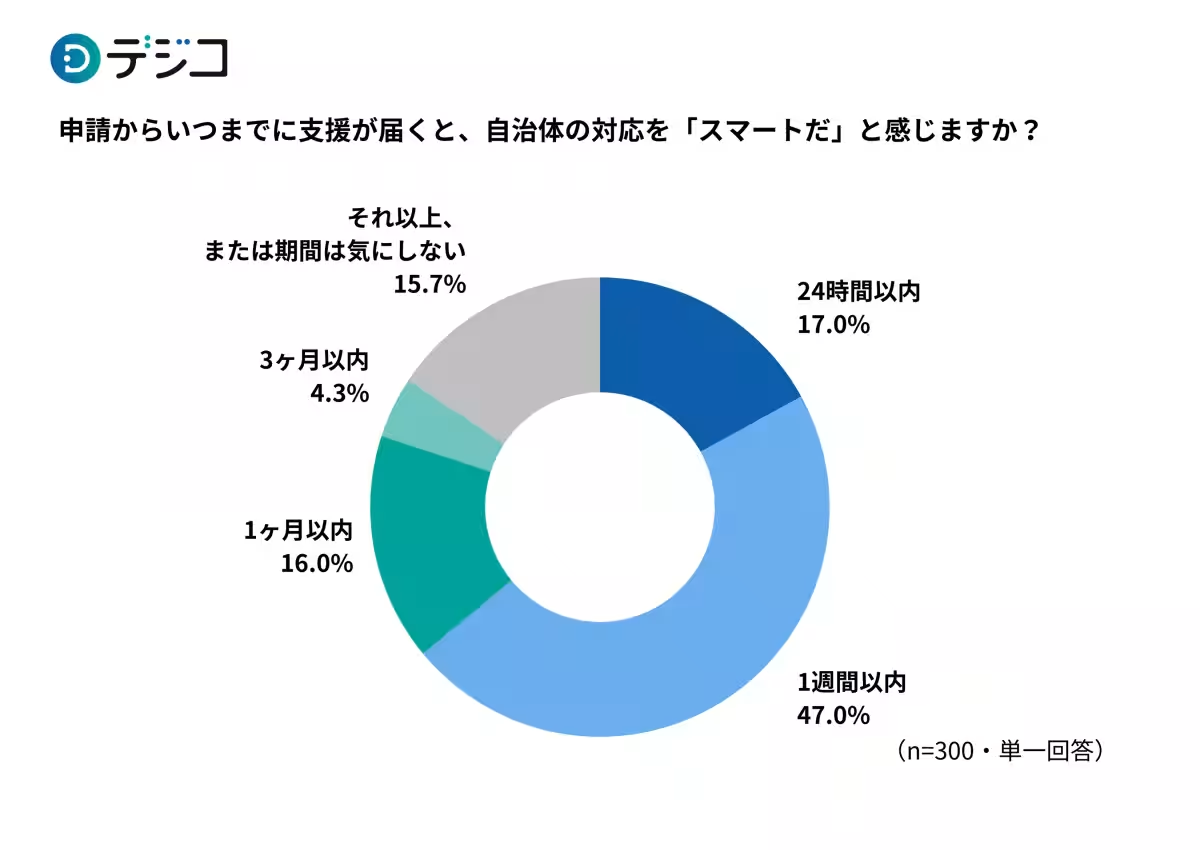
More than 50% reported missing out on potential support due to a lack of awareness. Alarming is the statistic that 78.3% of parents found the need to go out for administrative tasks to be burdensome, even when local offices are within walking or biking distance. Among these, 60% expect support payments to be processed within a week, revealing a preference for efficient interactions with local governments.
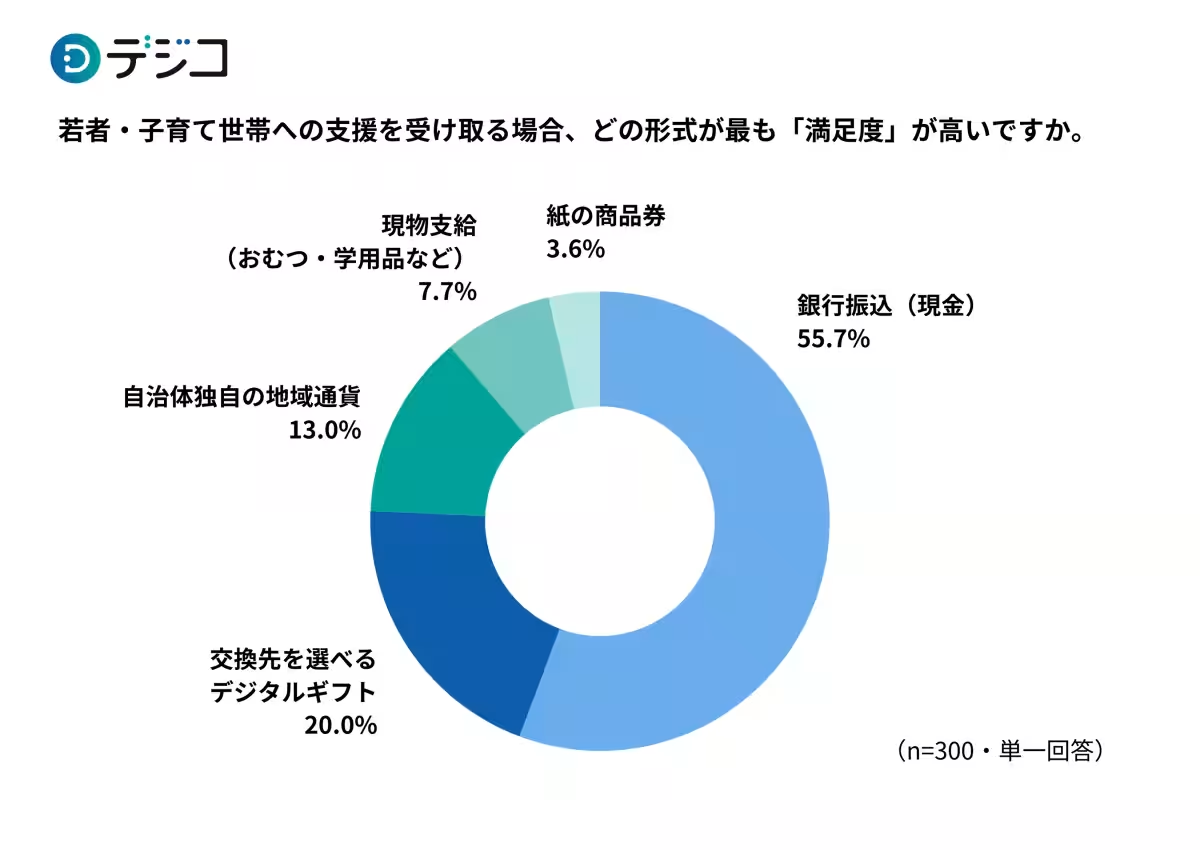
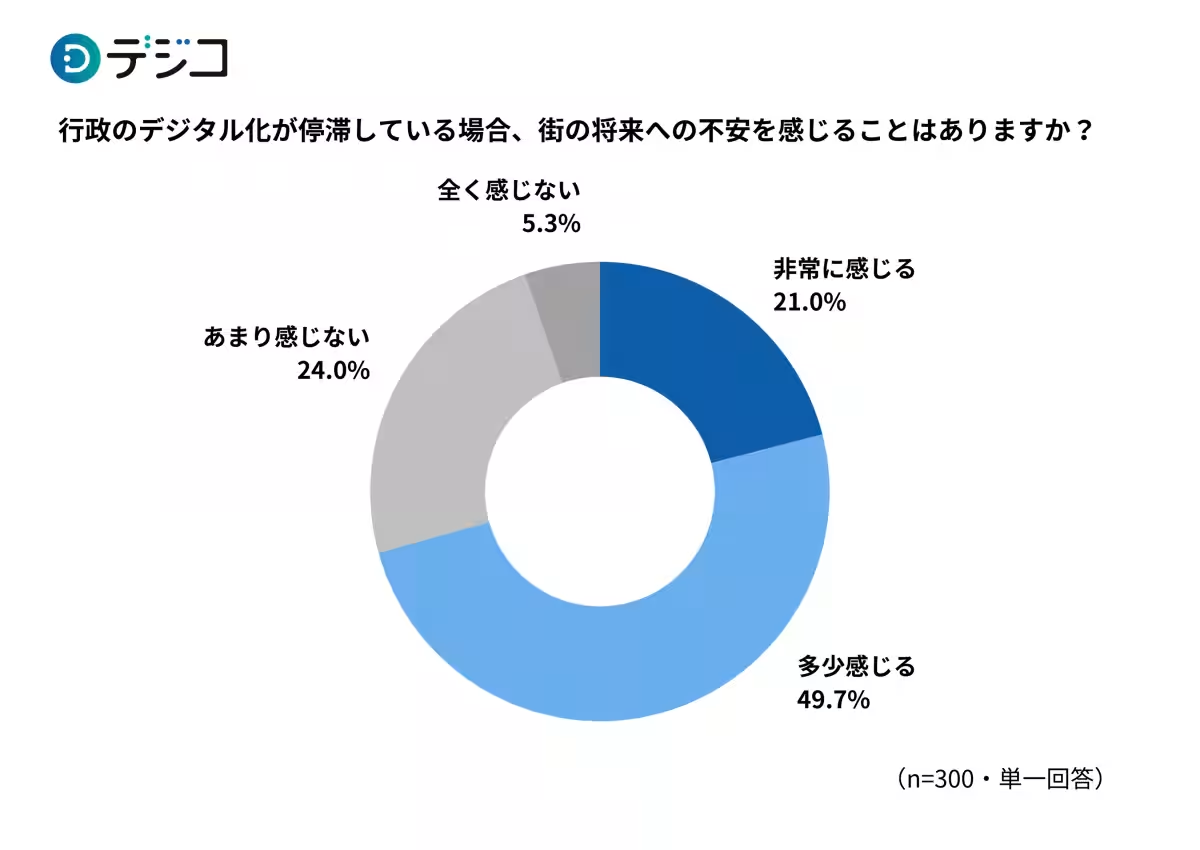
In terms of preferred payment methods, cash and digital gift vouchers were favored. However, 70% expressed concern regarding the future of their communities if the pace of digital transformation in governmental services continues to lag.
Local Information Access and Psychological Barriers
Moving into the details of local government communication strategies, the research indicated that even with the basic infrastructure of social media, its effectiveness is undermined by a low recognition rate. Many parents view social media channels as vital for information but are not aware of the concrete advantages of subscribing to government accounts.
When parents were surveyed about their challenges in accessing support information, the overwhelming sentiment was that the most significant challenge was not knowing if they qualify for support. Consequently, expensive physical processes and the psychological weight of navigating bureaucratic channels serve as further barriers to effectively accessing aid. These findings indicate a critical need for local governments to simplify and clarify their communication and application processes.
Roadblocks to Accessing Support
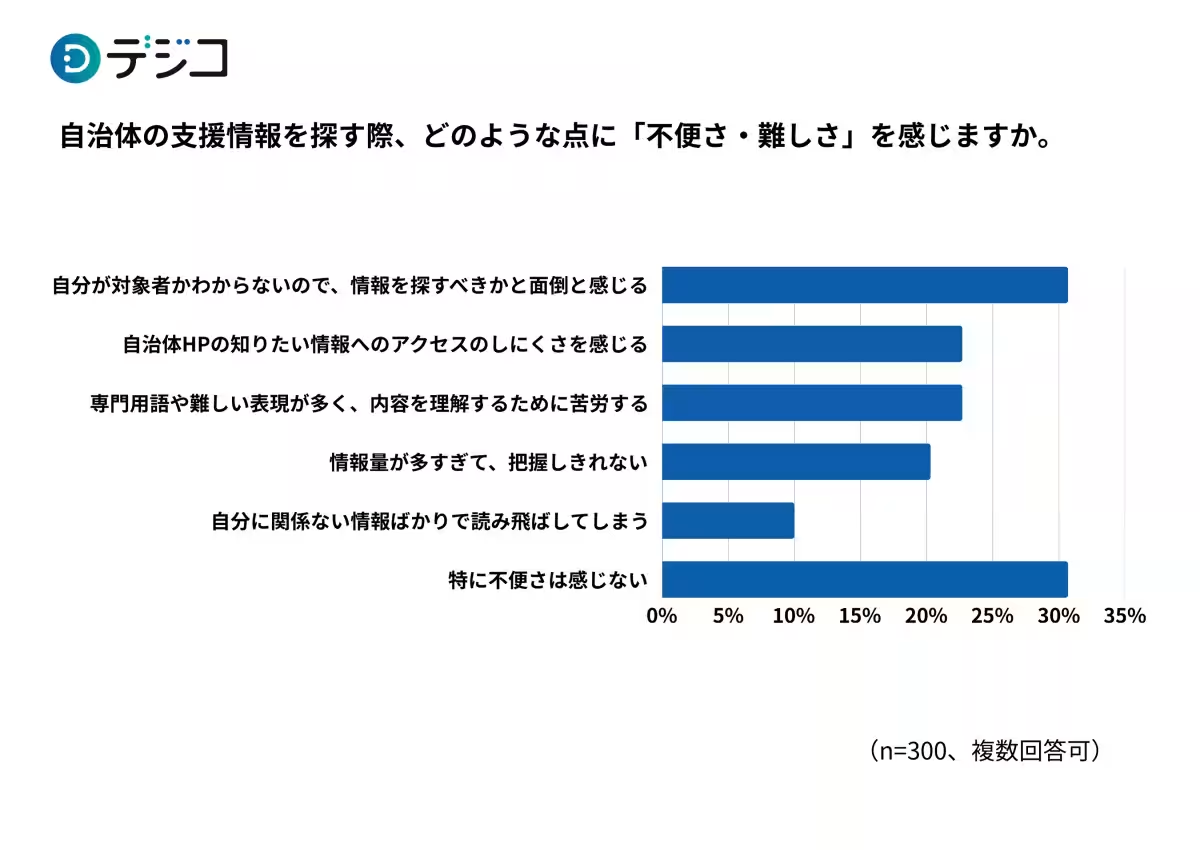
One of the most pressing concerns identified was the complexity of information access. As much as 30.7% of participants reported feeling overwhelmed by the overwhelming quantity of information, indicating that accessibility issues stem from not only a lack of information but also from the mental load involved in determining eligibility.
Many parents had experienced missing out on support opportunities, which adds to their frustration. This sense of loss can erode trust in local governments, further aggravating the disconnect between municipal services and parent expectations. For families to feel satisfied and secure, local governments need to leverage digital tools that can deliver targeted, timely information efficiently.
Time Constraints and Administrative Burdens
The strain of completing administrative tasks amidst parenting responsibilities is profound. The survey found that 78.3% of respondents felt overwhelmed by the need to arrange time for visits to local government offices. This delay complicates not only their daily schedules but undoubtedly increases the mental strain on parents juggling multiple responsibilities.
Physical access problems are less of an issue than the psychological barrier that parents face when managing their already packed lives. Therefore, providing options for online services that allow for efficient management of these encounters is critical for improving parental satisfaction.
The Impact of Efficient Benefit Experiences
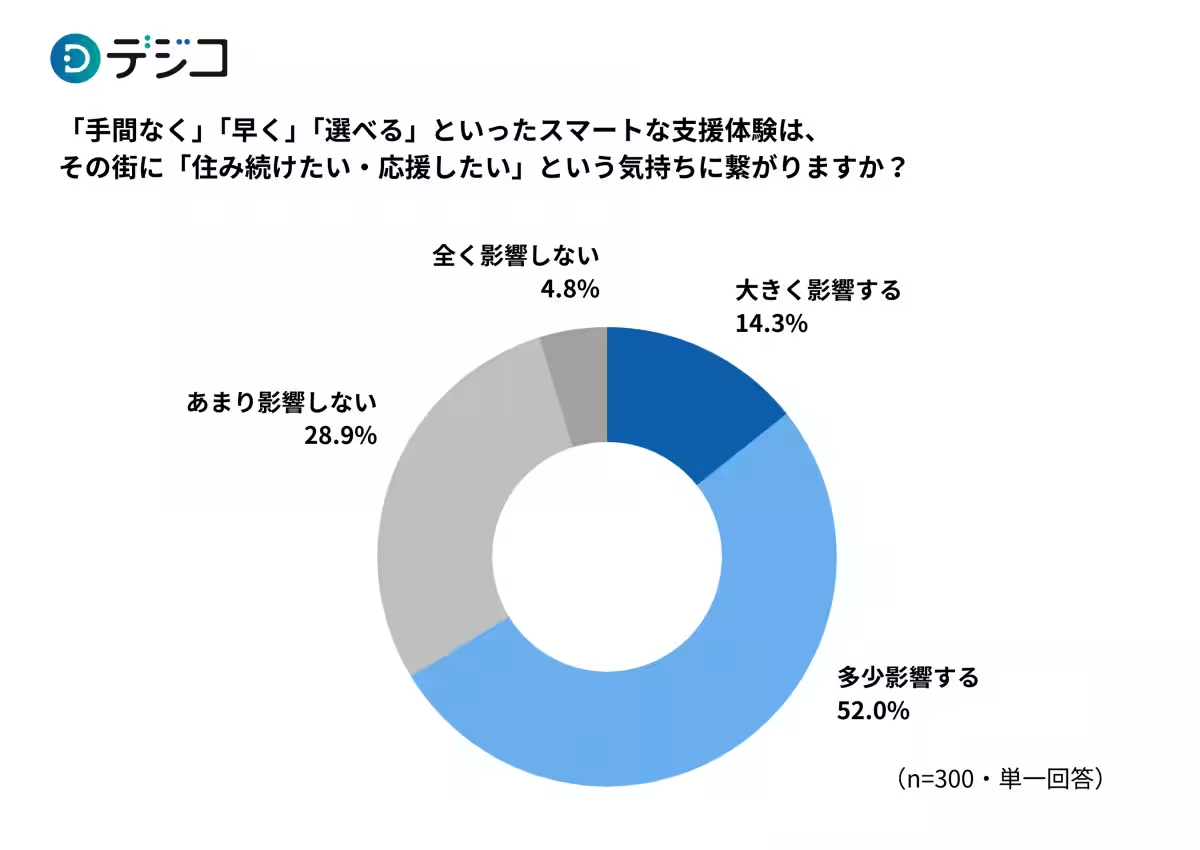
Examining the relationship between government efficiency and community attachment, the survey revealed that 66.3% of participants believe that quick and easily manageable support directly impacts their willingness to remain in and support their communities. The relationship between local governments and residents can be significantly enhanced by improving the quality of support experiences.
A noticeable expectation exists for benefits to be processed within a week, as parents are accustomed to the speed of digital services in the private sector. This expectation for efficiency creates a new standard for government interactions.
Conclusion
In conclusion, the findings from DIGITALIO's survey make it clear that the burden on parenting households extends beyond economic assistance. Local governments must recognize the critical role that smart, efficient services play in attracting and retaining residents. Prioritizing easy access to information, simplifying processes, and enhancing overall communication will be critical strategies moving forward. For local communities to thrive, municipalities must prioritize digital transformations that resonate with modern lifestyles. This will not only foster parental satisfaction but also encourage a genuine desire to support and remain in their communities.


Topics People & Culture)









【About Using Articles】
You can freely use the title and article content by linking to the page where the article is posted.
※ Images cannot be used.
【About Links】
Links are free to use.